
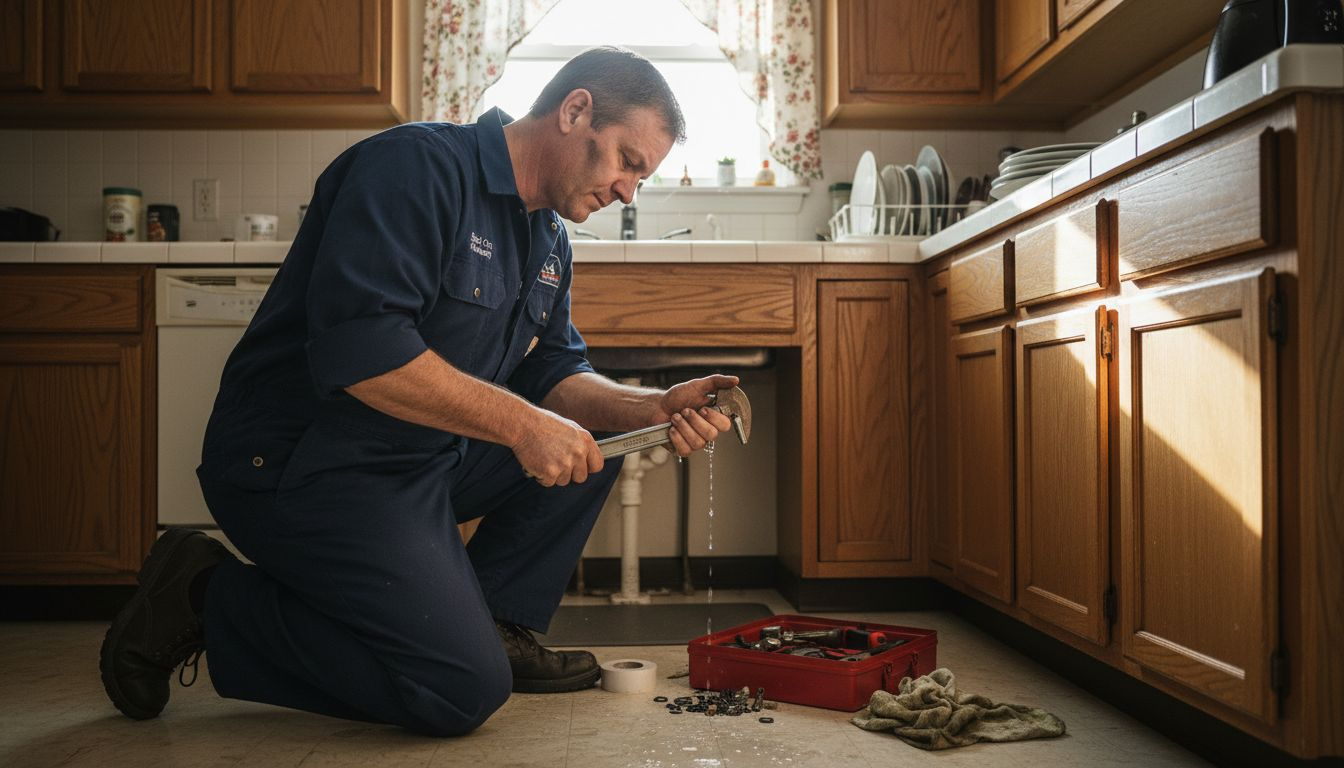
Plumbing troubles can disrupt your daily routine and cost you money, whether it’s a hidden leak, a stubborn drain, or that unreliable water heater threatening to fail. It’s easy to overlook small issues until they turn into expensive emergencies. The reality is, these problems can waste water and damage your home if you don’t catch them early.
This list gives you actionable solutions to tackle common plumbing challenges that Pittsburgh homeowners face. You’ll discover proven ways to fix leaks, protect your pipes during cold weather, prevent sewage backups, and make upgrades that save on utility bills. Each entry is packed with practical steps you can use right away, so you’ll know exactly how to safeguard your home and reduce unnecessary expenses.
Get ready for specific tips that make a real difference. From stopping water waste to choosing efficient fixtures, you’ll find out how to avoid plumbing headaches and keep your household running smoothly.
Table of Contents
- Fixing Leaky Faucets and Pipes
- Resolving Drain and Sewer Blockages
- Installing and Repairing Water Heaters
- Emergency Plumbing Response Services
- Upgrading Fixtures and Plumbing Systems
- Preventive Plumbing Maintenance Checks
Quick Summary
| Key Message | Explanation |
|---|---|
| 1. Fix Leaky Faucets and Pipes | Addressing leaks can save you about 10% on water bills and prevent bigger issues. |
| 2. Maintain Drain and Sewer Systems | Regular maintenance prevents costly blockages and ensures proper flow in your home’s plumbing. |
| 3. Upgrade to Efficient Water Heaters | Replacing old units enhances efficiency and can save on energy costs while avoiding failures. |
| 4. Know Emergency Plumbing Protocols | Act quickly during emergencies to minimize damage; always have an emergency plumber’s contact ready. |
| 5. Schedule Preventive Maintenance Checks | Regular inspections help catch small problems before they escalate into expensive repairs. |
1. Fixing Leaky Faucets and Pipes
Leaky faucets and pipes are the silent budget drainers in most Pittsburgh homes. A single dripping faucet might seem harmless, but those small drops add up quickly.
Household leaks waste nearly 1 trillion gallons of water annually across the nation, with dripping faucets being one of the most common culprits. The good news? Most of these leaks are fixable with basic tools and minimal effort.
Why this matters for your wallet:
Fixing common household leaks can save about 10 percent on your water bills. For Pittsburgh homeowners, that translates to real money staying in your pocket instead of flowing down the drain literally.
How to detect leaks before they become major problems:
- Check your water meter when no water is running; if the numbers change, you have a hidden leak
- Use food coloring in your toilet tank to identify silent toilet leaks
- Examine faucet gaskets and pipe fittings for visible moisture or water spots
- Look under sinks and in crawl spaces for pooling water or damp areas
Most household leaks stem from worn washers, loose connections, and faulty valve seats—all fixable without calling a professional.
Common fixes you can tackle yourself:
Worn washers inside faucet handles are the leading cause of drips. Simply shutting off the water supply, disassembling the faucet, and replacing the washer often solves the problem. Tightening pipe connections at joints can stop leaks at their source. If your faucet continues dripping after these basic repairs, the valve seat may need adjustment or replacement.
Pipe leaks require a different approach. Small pinhole leaks in copper pipes sometimes respond to temporary patches, but larger cracks usually demand professional replacement. Catching these early prevents water damage to your home’s structure and foundation.
Freezing temperatures add another layer of urgency:
Winter in Pittsburgh brings the risk of frozen pipes. Allowing cold water to drip slightly from your faucet during freezing temperatures maintains water flow through your pipes and prevents pressure buildup that causes bursting. The slight increase in your water bill is far cheaper than repairing burst pipes.
Pro tip: Let the faucet farthest from your water meter drip slowly during winter freezes; this keeps water moving through the entire system and provides maximum protection against pipe damage.
2. Resolving Drain and Sewer Blockages
Drain and sewer blockages are among the most frustrating plumbing problems Pittsburgh homeowners face. A slow drain might seem minor today, but it can escalate into a full backup that affects your entire home.
Understanding how your drainage system works helps you prevent costly blockages. Your home’s Drain, Waste, and Vent (DWV) system manages all wastewater and prevents sewer gases from entering your living spaces.
How the DWV system protects your home:
- Building drains collect waste from fixtures and direct it toward the sewer line
- Clean-outs provide access points for clearing blockages and inspecting the system
- Vent stacks balance air pressure and prevent sewer gas buildup
- Fixture drains connect individual sinks, toilets, and showers to the main system
Proper maintenance of your DWV system components ensures effective flow and prevents the blockages that disrupt daily life.
Blockages typically form gradually as hair, grease, soap scum, and debris accumulate inside pipes. Kitchen drains suffer from cooking grease buildup, while bathroom drains collect hair and personal care products. Left untreated, these blockages restrict water flow and create backups.
Signs your drains need professional attention:
- Water drains slowly from sinks, showers, or tubs
- Gurgling sounds coming from drains or toilets
- Multiple drains backing up simultaneously
- Foul odors emanating from drain openings
- Raw sewage or dark water pooling in your yard
Sewage backups present serious health and safety risks. They occur when water has nowhere to go because the main line is blocked, forcing waste back into your home. Flooding and septic system failures can trigger backups during heavy rain or when systems fail.
Preventing backups before they happen:
Installing a backwater check valve is one of the most effective preventative measures. This one-way valve allows sewage to flow out toward the main sewer but prevents it from flowing backward into your home. Regular inspection and maintenance of these valves keeps them functioning properly.
Avoid pouring grease down kitchen drains. Use drain screens to catch hair and debris. Never flush wipes, paper towels, or feminine hygiene products, even if labeled flushable.
For persistent blockages or sewage backup concerns, professional drain cleaning equipment removes buildup far more effectively than store-bought solutions. A professional inspection identifies blockages before they become emergencies.
Pro tip: Schedule annual drain cleaning and inspection before winter arrives; blockages combined with frozen pipes create severe backup risks in Pittsburgh’s cold months.
3. Installing and Repairing Water Heaters
Your water heater works quietly in the background until something goes wrong. A failing unit leaves you without hot water and risks serious water damage to your home.
Water heaters typically last 8 to 12 years before needing replacement. Waiting until yours fails means emergency calls and expensive repairs when you need hot water most.
Understanding your water heater options:
You have several choices when replacing an aging unit. Storage tank models heat and maintain water temperature continuously, using more energy but offering lower upfront costs. Tankless water heaters heat water on demand, reducing energy consumption significantly. Heat pump units are the most energy-efficient option, though they cost more initially.
Replacing an aging water heater with a newer, more efficient model can significantly reduce your annual energy costs and prevent unexpected failures.
Key factors to consider before purchasing:
- Your household’s hot water demands and daily usage patterns
- Available fuel source (natural gas, electric, or propane)
- Space and installation requirements in your home
- Energy efficiency ratings and long-term cost savings
- Budget for purchase and professional installation
Professional installation matters more than you might think. Improper installation compromises safety, reduces efficiency, and may void warranties. A licensed plumber ensures your unit operates correctly and safely.
Signs your water heater needs repair or replacement:
Rusty water coming from hot faucets indicates internal corrosion. Leaking tanks cannot be repaired and require immediate replacement. Unusual noises, inconsistent temperatures, or insufficient hot water suggest component failure. Age combined with any of these issues typically means replacement is more cost-effective than repair.
Federal tax credits make upgrades more affordable:
The Energy Efficient Home Improvement Tax Credit offers 30 percent rebate on qualifying water heaters through December 2025, with a maximum credit of $600. ENERGY STAR certified gas and tankless water heaters meeting specific efficiency standards qualify. This substantial incentive reduces your net cost significantly.
Proactive replacement before leaks develop prevents water damage and unexpected expenses. Schedule an inspection today if your water heater is nearing ten years old.
Pro tip: Document your water heater’s installation date and capacity; this information helps technicians diagnose problems faster and ensures you select the correct replacement size for your household needs.
4. Emergency Plumbing Response Services
A burst pipe at 2 a.m. or raw sewage backing into your basement doesn’t wait for business hours. Emergency plumbing services exist because catastrophes don’t follow a schedule.
Plumbing emergencies demand immediate action to prevent property damage and health hazards. Water damage spreads rapidly, affecting walls, floors, and foundations within hours. Sewage backups create biohazard situations requiring specialized cleanup and remediation.
What constitutes a true emergency:
- Major water leaks flooding your home or basement
- Complete loss of water pressure or supply
- Sewage backing up into sinks, tubs, or toilets
- Burst or severely damaged pipes
- Frozen pipes in winter that threaten to burst
- Water heater failures causing flooding
Rapid response teams and resources help contain damage and restore critical water and sewage services quickly when plumbing disasters strike.
Time is your enemy during plumbing emergencies. Every minute water runs unchecked increases damage and cleanup costs exponentially. Professional emergency responders arrive equipped with specialized tools to stop the problem immediately.
Why professional emergency response matters:
Your local plumber understands Pittsburgh’s aging infrastructure and common emergency scenarios. They arrive with diagnostic equipment, replacement parts, and the expertise to fix problems permanently rather than temporarily. Many emergencies require decisions about repair versus replacement that demand professional judgment.
Emergency plumbers work extended hours because they understand your panic. A burst pipe at midnight doesn’t become less urgent because it’s nighttime. Available 24/7 response ensures help arrives when you need it most.
Steps to take when a plumbing emergency occurs:
- Locate your main water shut-off valve and turn it off immediately
- Call an emergency plumber right away, explaining the situation clearly
- Stop using water and electrical appliances near the affected area
- Document the damage with photos for insurance purposes
- Move valuables away from water accumulation areas
- Open windows or use fans to promote air circulation
Knowing where your water shut-off valve is located before an emergency happens saves precious minutes. Most homes have valves near the street or at the foundation.
Your homeowner’s insurance may cover emergency plumbing repairs, especially if the damage results from sudden, unexpected failure. Keep documentation of all repairs for your insurance claim.
Pro tip: Save your plumber’s emergency number in your phone contacts now; searching for a trustworthy plumber while water floods your home adds stress you don’t need in a crisis.
5. Upgrading Fixtures and Plumbing Systems
Older plumbing fixtures waste water and money every single day. Upgrading to modern, efficient options transforms your home while reducing utility bills and environmental impact.
Your plumbing system ages alongside your home. Fixtures installed decades ago operate inefficiently compared to today’s standards. Visible leaks, constant repairs, and high water bills signal that upgrade time has arrived.
The financial case for upgrading:
Modern water-efficient fixtures dramatically reduce consumption without sacrificing performance. A high-efficiency toilet uses less than 1.28 gallons per flush compared to older models consuming 3 to 7 gallons. Low-flow showerheads use under 2 gallons per minute versus 5 gallons in older versions. These reductions compound daily into meaningful savings on your water bill.
Water-efficient fixtures significantly reduce water use and utility costs while maintaining excellent performance and reliability.
Common fixtures worth upgrading:
- Toilets—the largest water consumer in most homes
- Showerheads and bathroom faucets
- Kitchen faucets with aerators to reduce flow
- Whole-system upgrades for older homes
- Tankless water heaters for on-demand hot water
Upgrading isn’t just about saving money. Modern fixtures offer better functionality, improved aesthetics, and compliance with current building codes. New faucets have smoother operation and better water pressure control. Updated systems prevent leaks that damage walls and foundations.
Planning your upgrade strategy:
Start with high-use fixtures like toilets and showerheads for maximum impact. Replace the entire system if your home has aging galvanized pipes prone to corrosion and blockages. Professional installation ensures proper connections and compliance with Pittsburgh plumbing codes.
Financing options exist to make upgrades affordable. Home improvement programs help homeowners finance plumbing upgrades through approved lenders, spreading costs over time. Some utility companies offer rebates for installing WaterSense-certified fixtures.
Choosing the right fixtures:
Look for WaterSense labels indicating EPA certification and efficiency standards. High-quality fixtures maintain performance reliability even after years of daily use. Consult your plumber about fixture compatibility with your existing system.
Older homes with settled plumbing may need additional modifications during upgrades. A professional assesses your system and recommends solutions tailored to your home’s needs.
Pro tip: Upgrade high-use bathrooms first where water savings are greatest, then tackle kitchen and outdoor fixtures to maximize your return on investment over time.
6. Preventive Plumbing Maintenance Checks
An ounce of prevention beats a pound of cure, especially when it comes to plumbing. Regular maintenance checks catch small problems before they become expensive disasters.
Most Pittsburgh homeowners wait until something breaks to call a plumber. By then, damage has already occurred and repair costs have skyrocketed. Preventive maintenance stops problems at their source.
Why regular inspections matter:
Scheduled plumbing inspections identify corrosion, leaks, and worn components before failure. Early detection of problems like hidden water damage or pipe degradation saves thousands in emergency repairs. Regular maintenance limits repair costs and enhances home safety while improving water efficiency.
Routine maintenance checks involving water fixtures, valves, and sensors keep your plumbing system operating reliably and extend its lifespan significantly.
What professional inspections include:
- Visual examination of all accessible pipes for corrosion or damage
- Testing water pressure to ensure proper flow
- Inspecting water heater condition and sediment buildup
- Checking for leaks under sinks and around toilets
- Evaluating drain function and identifying blockage risks
- Testing shut-off valves to confirm they operate smoothly
Seasonal maintenance becomes critical in Pittsburgh’s climate. Winter demands attention to frozen pipe risks and insulation. Spring and fall are ideal times for thorough system inspections.
Simple checks you can perform at home:
Inspect visible pipes monthly for water stains, corrosion, or dripping. Check under sinks for moisture or pooling water. Listen for unusual sounds like hissing or gurgling that signal problems. Monitor water bills for unexpected increases indicating hidden leaks. Run water at each fixture to confirm adequate pressure.
Creating a maintenance schedule:
Document all plumbing work, repairs, and inspections for future reference. Schedule professional inspections annually or before seasons change. Address minor repairs immediately before they escalate. Keep records of equipment ages and service history to plan replacements proactively.
Identifying common plumbing repair issues early prevents them from developing into major system failures. Professional plumbers spot problems homeowners miss during casual observation.
Maintenance also improves efficiency, reducing water wastage and lowering utility bills. A well-maintained system operates smoothly, uses less energy, and delivers consistent performance.
Pro tip: Create a simple maintenance checklist and perform visual inspections quarterly; this routine catches small issues like slow drips or minor corrosion before they require expensive emergency repairs.
Below is a comprehensive table summarizing the main plumbing topics, considerations, and strategies discussed throughout the article.
| Topic | Key Points & Actions | Benefits & Outcomes |
|---|---|---|
| Fixing Leaky Faucets and Pipes | Detect leaks by checking your water meter and inspecting visible moisture. Repair by replacing worn washers, tightening connections, or adjusting valve seats. | Saves up to 10% on your water bill, prevents water damage, and contributes to water conservation. |
| Resolving Drain and Sewer Blockages | Install backwater check valves to prevent backflow. Regular maintenance and professional inspections are key. | Protects home from backups and blockages, maintains proper drainage. |
| Installing Water Heaters | Choose between storage tank, tankless, and heat pump models based on needs. Schedule professional installation for safety and efficiency. Replace aging units proactively. | Ensures consistent hot water supply, reduces energy costs, and prevents emergency failures. |
| Emergency Plumbing Response | Locate your main water shut-off valve, call an emergency plumber immediately, and take preventive steps like securing valuables and photographing damages. | Minimizes property damage and expedites resolution of urgent plumbing issues. |
| Upgrading Fixtures | Replace older fixtures with WaterSense-labeled models. Focus on high-use areas first, such as bathrooms and kitchens. | Reduces utility bills, modernizes home aesthetics, and complies with current standards. |
| Preventive Plumbing Maintenance | Schedule annual inspections, visually check for pipe corrosion, and monitor water bills for inconsistencies. | Avoids costly repairs, enhances system longevity, and maintains water efficiency. |
Emphasis has been placed on ensuring actionable entry points and the resulting positive implications for Pittsburgh homeowners.
Take Control of Your Home Plumbing Challenges with Expert Solutions
Homeowners face many plumbing challenges such as leaky faucets, stubborn drain blockages, and aging water heaters that can disrupt daily life and cause costly damage. This article highlights the essential plumbing services every homeowner needs to maintain a safe, efficient, and comfortable home. From fixing leaks to emergency response and system upgrades, understanding these pain points is the first step to protecting your investment.
When it comes to reliable plumbing service in Pittsburgh, AG Heating, Cooling & Plumbing brings 30 years of trusted experience and up-to-date techniques. Whether you need preventive maintenance, emergency repairs, or fixture upgrades, our team is ready to help you avoid expensive water damage and improve your home’s functionality. Explore our range of services in the Plumbing Archives – AG-Plumbing and learn how we tailor solutions for homeowners like you.
Don’t let small plumbing issues turn into major headaches. Act now by visiting AG Heating, Cooling & Plumbing and schedule your professional inspection or repair service. Get peace of mind knowing experienced professionals are safeguarding your home with quality plumbing solutions designed specifically for Pittsburgh homes.
Frequently Asked Questions
What are the common types of plumbing services needed for homeowners?
Most homeowners typically require services like fixing leaky faucets, resolving drain blockages, repairing water heaters, responding to plumbing emergencies, and upgrading fixtures. Understand your home’s specific plumbing needs and schedule regular maintenance to avoid larger issues.
How can I detect a plumbing leak in my home?
To detect a plumbing leak, check your water meter when no water is running; if the numbers change, you may have a leak. Regularly inspect areas under sinks and around fixtures for moisture or water spots.
What steps should I take during a plumbing emergency?
During a plumbing emergency, immediately turn off your main water shut-off valve to stop the flow of water, and then contact an emergency plumber for assistance. Document the situation with photos for any insurance claims, and move valuables away from the affected area.
How can I prevent drain blockages in my home?
Prevent drain blockages by using drain screens to catch debris and avoiding disposing of grease or non-flushable items down your sinks or toilets. Regularly clean your drains with hot water and vinegar to maintain flow and prevent buildup.
When is it time to replace my water heater?
It’s time to replace your water heater if you notice rusty water, leaks, or unusual noises coming from the unit. Schedule an inspection if your water heater is nearing 10 years old to assess its condition before unexpected failures occur.
How often should I schedule plumbing maintenance inspections?
Schedule plumbing maintenance inspections at least once a year to identify any potential issues early. Regular inspections help catch small problems before they escalate, saving you money and preventing major repairs.
Recommended
- Heating, Cooling & Plumbing Services Pittsburgh, PA
- Common Plumbing Repair Issues and How to Fix Them – AG-Plumbing
- How to Identify When Plumbing Repair Is Necessary – AG-Plumbing
- Plumbing Repair Services in Pittsburgh, PA
