
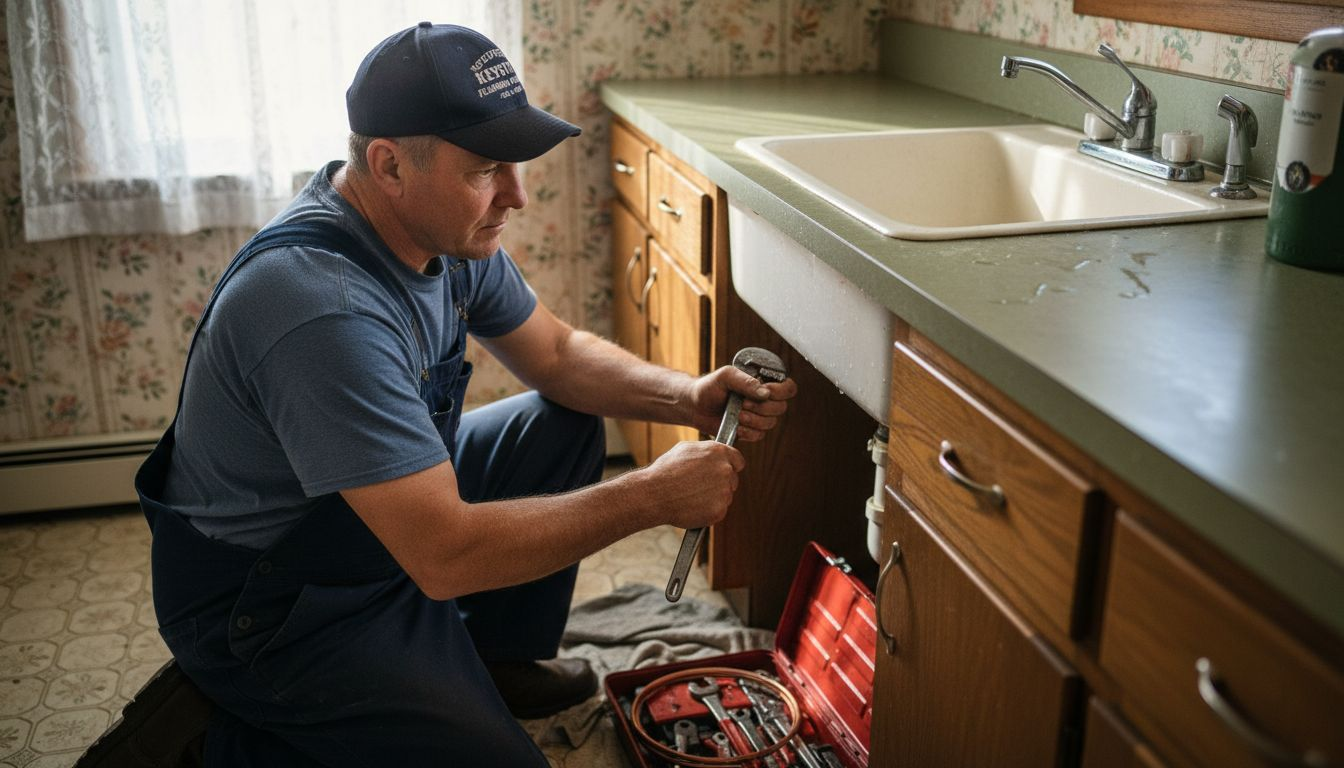
Plumbing problems in Pennsylvania homes contribute to substantial water waste and inflated utility bills. Leaks cause approximately 30% of household water loss, significantly increasing costs and risking serious property damage. Understanding how to identify, evaluate, and address these issues effectively protects your home and budget. This guide walks you through the most frequent plumbing problems, compares repair approaches, and helps you choose reliable professional services when needed.
Table of Contents
- How To Evaluate Common Plumbing Issues: Key Selection Criteria
- Top Common Plumbing Issues In Pennsylvania Homes
- Comparing Repair Options: DIY Fixes Vs Professional Services
- Cost Considerations And Repair Pricing Benchmarks In Pennsylvania
- Eco-Friendly And Smart Plumbing Solutions To Save Water And Money
- Seasonal Plumbing Challenges In Pennsylvania And Preventive Measures
- Selecting Reliable Professional Plumbing Services In Pennsylvania
- Summary Comparison Table And Situational Recommendations
- Explore Expert Plumbing Services In Pittsburgh, PA
- Frequently Asked Questions
Key Takeaways
| Point | Details |
|---|---|
| Evaluation Criteria | Assess water waste impact, repair complexity, and problem severity to prioritize fixes effectively. |
| Common PA Issues | Leaks, running toilets, clogs, low pressure, and heater failures dominate service calls. |
| Repair Approaches | DIY suits minor fixes; professionals reduce recurring problems by 25% for complex issues. |
| Cost Planning | Water heater replacements run $1,000-$2,000; slab leaks cost $1,500-$4,500 in Pennsylvania. |
| Preventive Care | Winterization and eco-upgrades prevent damage and save hundreds annually on utility bills. |
How to Evaluate Common Plumbing Issues: Key Selection Criteria
Effective plumbing management starts with smart prioritization. Not all problems demand immediate attention, but some can escalate quickly into costly disasters.
Water waste and potential home damage top the priority list. Leaks cause approximately 30% of household water loss, driving up bills and threatening structural integrity. A small drip wastes gallons daily, while hidden leaks behind walls can rot framing before you notice.
Repair complexity and cost influence your decisions significantly. Simple faucet washer replacements differ dramatically from slab leak repairs. Understanding whether a problem needs specialized equipment or expertise helps you budget appropriately and avoid amateur mistakes that worsen damage.
Frequency and severity matter when identifying plumbing repairs. A toilet that runs occasionally differs from one that wastes hundreds of gallons monthly. Persistent issues signal underlying problems requiring professional diagnosis rather than repeated temporary fixes.
Evaluate DIY suitability carefully before grabbing tools. Replacing a showerhead or tightening a loose pipe fitting works for handy homeowners. Complex jobs like repiping, sewer line work, or water heater installation require licensed professionals to meet code requirements and prevent catastrophic failures.
Balance immediate fixes with long-term durability. Cheap repairs that fail repeatedly cost more than quality solutions upfront. Consider whether a fix addresses root causes or just symptoms.
Pro Tip: Inspect visible pipes quarterly for moisture, corrosion, or mineral buildup. Catching small leaks early prevents thousands in water damage and mold remediation costs.
Key evaluation factors include:
- Impact on water bills and home safety
- Technical complexity and required expertise
- Frequency of problem recurrence
- Total cost including potential failure consequences
- Your skill level and available time
Top Common Plumbing Issues in Pennsylvania Homes
Pennsylvania homeowners face predictable plumbing challenges driven by climate, home age, and water quality. Knowing these problems helps you respond quickly.
Leaks cause approximately 30% of household water loss nationwide, with Pennsylvania homes particularly vulnerable due to aging infrastructure. Faucet drips, toilet base leaks, and hidden pipe failures waste water and money. A single leaking faucet dripping once per second wastes over 3,000 gallons yearly.
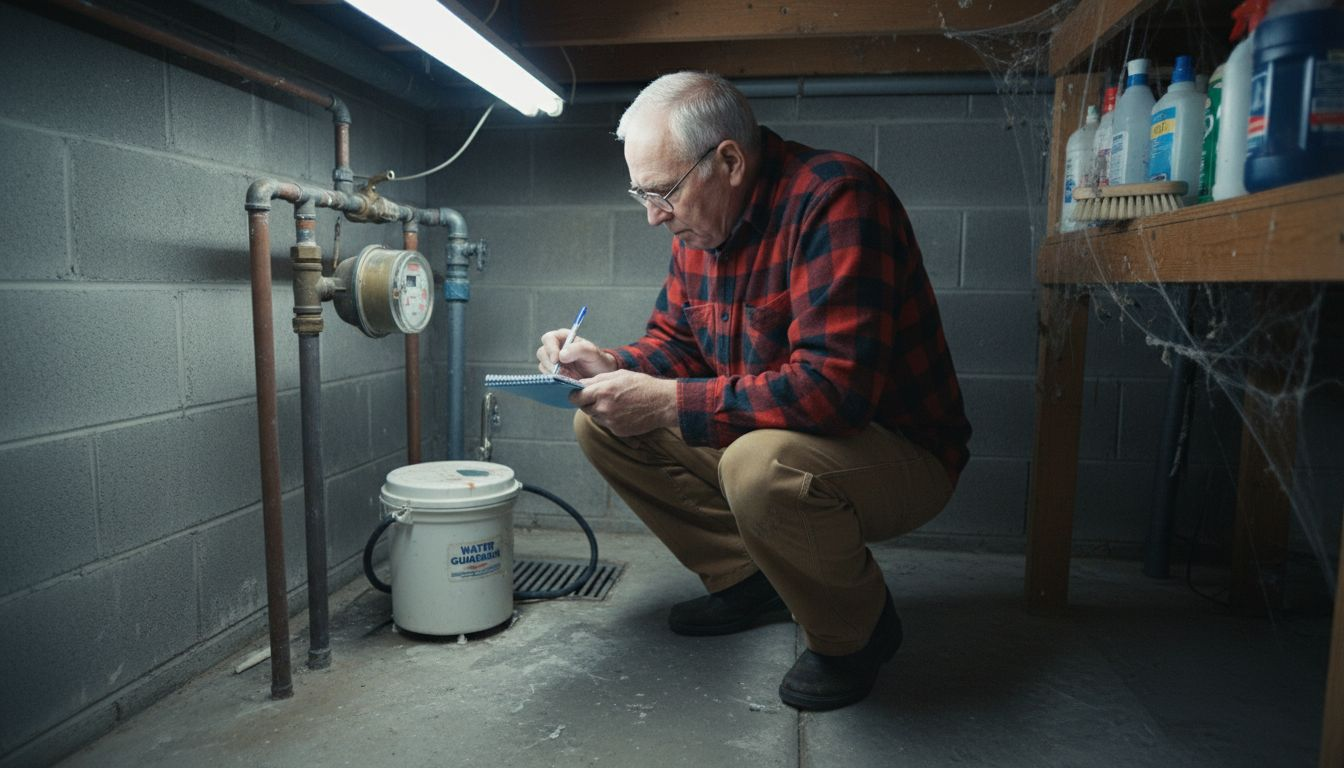
Running toilets waste hundreds of gallons monthly, often due to worn flapper valves or faulty fill mechanisms. This silent problem inflates water bills without obvious symptoms. You might hear occasional running or notice the tank refilling without use.
Drain clogs make up 15% of service calls and stem from hair, grease, soap buildup, and foreign objects. Kitchen sinks suffer from food particles and fats, while bathroom drains collect hair and personal care product residue. Slow draining signals developing blockages before complete stoppage occurs.
Low water pressure frustrates homeowners trying to shower or run multiple fixtures simultaneously. Sediment accumulation in pipes, corroded galvanized plumbing, or municipal supply issues cause pressure drops. Older Pennsylvania homes with original plumbing often experience this as mineral deposits narrow pipe interiors.
Water heater failures trigger emergency service requests, especially during cold months when hot water demand peaks. Tank corrosion, sediment buildup, faulty heating elements, or thermostat problems reduce efficiency and lifespan. Most residential water heaters last 8 to 12 years before requiring replacement.
Prevention strategies for common plumbing issues and fixes include:
- Regular visual inspections of exposed pipes and fixtures
- Prompt repair of small leaks before they worsen
- Drain screens to catch hair and debris
- Avoiding chemical drain cleaners that corrode pipes
- Annual water heater flushing to remove sediment
- Professional inspections when plumbing repair is necessary
Comparing Repair Options: DIY Fixes vs Professional Services
Choosing between DIY repairs and professional service impacts both your wallet and long-term plumbing reliability. Each approach has clear advantages and limitations.
DIY fixes work well for straightforward problems with low failure risk. Replacing faucet washers, installing new showerheads, or using enzyme-based drain cleaners costs under $50 and requires basic tools. These tasks suit handy homeowners comfortable following instructions.
Avoid chemical drain cleaners despite their convenience. These harsh products corrode pipes over time, especially older metal plumbing. They provide temporary relief but often leave residue that attracts future buildup. Enzyme cleaners or mechanical snaking offer safer alternatives for minor clogs.
Professional repairs cost more upfront but deliver durability and expertise. Professional fixes reduce recurring leaks by 25% compared to amateur attempts. Licensed plumbers diagnose root causes rather than treating symptoms, ensuring problems stay solved.
Water heater replacement averages $1,000 to $2,000 depending on tank size, fuel type, and installation complexity. This job requires gas line work, electrical connections, proper venting, and code compliance. Attempting DIY installation risks carbon monoxide leaks, electrical fires, or tank failures that flood your home.
DIY risks include worsening existing damage, voiding manufacturer warranties, and missing underlying issues that professionals would catch. A botched pipe repair can flood rooms, damage belongings, and require expensive remediation. Insurance may not cover damage from unpermitted DIY work.
Pro Tip: If a problem persists after one DIY attempt, call professionals immediately. Repeated amateur fixes often compound damage and increase eventual repair costs substantially.
| Repair Type | DIY Cost | Professional Cost | Best For |
|---|---|---|---|
| Faucet Washer | $5-$15 | $100-$150 | Simple wear, clear access |
| Drain Cleaning | $10-$30 | $150-$300 | Minor clogs, accessible pipes |
| Toilet Flapper | $10-$20 | $120-$180 | Running toilet, easy diagnosis |
| Water Heater | $400-$800 | $1,000-$2,000 | Complex, code required |
| Slab Leak | Not recommended | $1,500-$4,500 | Hidden leaks, foundation risk |
Consider these factors when choosing repair options for plumbing issues:
- Your mechanical skill and confidence level
- Available tools and replacement parts
- Problem complexity and failure consequences
- Time constraints and urgency
- Whether work requires permits or inspections
For drain clog solutions or emergency plumbing solutions, professional expertise prevents trial-and-error costs.
Cost Considerations and Repair Pricing Benchmarks in Pennsylvania
Understanding repair costs helps you budget appropriately and avoid price gouging. Pennsylvania pricing reflects regional labor rates, material costs, and home-specific factors.
Water heater replacements range from $1,000 to $2,000 based on tank capacity, energy efficiency rating, and installation complexity. Gas models cost slightly more than electric due to venting requirements. High-efficiency units command premium prices but deliver long-term energy savings.
Slab leak repairs cost $1,500 to $4,500 depending on leak location, home age, and foundation type. Accessing pipes beneath concrete slabs requires specialized equipment and expertise. Older homes with corroded copper or galvanized pipes face higher costs due to extensive damage.
Emergency service premiums add 50% to 100% to standard rates for after-hours, weekend, or holiday calls. This surcharge reflects technician availability and urgency. Same day plumbing benefits often justify premium costs by preventing extensive water damage.
Home specifics influence pricing significantly. Multi-story homes cost more for vertical pipe runs. Finished basements require wall or ceiling repairs after accessing pipes. Outdated plumbing materials necessitate code-compliant upgrades during repairs.
Energy-efficient fixtures cost more initially but reduce utility bills substantially. Low-flow toilets, tankless water heaters, and EPA WaterSense faucets qualify for rebates in some Pennsylvania municipalities. Calculate payback periods when considering upgrades during repair pricing in Pennsylvania projects.
| Repair Service | Average Cost Range | Factors Affecting Price |
|---|---|---|
| Faucet Repair | $100-$250 | Fixture type, accessibility |
| Toilet Repair | $120-$300 | Problem complexity, parts needed |
| Drain Cleaning | $150-$400 | Clog severity, pipe length |
| Pipe Repair | $200-$600 | Location, material, damage extent |
| Water Heater | $1,000-$2,000 | Capacity, fuel type, efficiency |
| Slab Leak | $1,500-$4,500 | Foundation access, pipe condition |
Smart budgeting considerations include:
- Emergency fund for unexpected plumbing failures
- Preventive maintenance to avoid costly emergency repairs
- Long-term savings from efficiency upgrades
- Warranty coverage on professional work
- Seasonal timing for non-urgent projects
Eco-Friendly and Smart Plumbing Solutions to Save Water and Money
Sustainable plumbing upgrades reduce environmental impact while cutting utility bills. Pennsylvania homeowners gain both immediate and long-term benefits from green technology.
Replacing a 10-year-old water heater with an ENERGY STAR model saves $330 to $600 annually in energy costs. These efficient units use better insulation, improved burners, and smart controls to minimize waste. Tankless models provide endless hot water while heating only what you use.
Installing low-flow toilets reduces water use by 40%, saving $100 to $200 yearly on water bills. Modern designs flush effectively with 1.28 gallons compared to older 3.5-gallon models. Dual-flush options let you choose appropriate water volume for solid or liquid waste.
Smart leak detectors alert homeowners to hidden water problems through smartphone apps. These devices attach to pipes or sit on floors near water heaters and washing machines. Early detection prevents thousands in damage from slow leaks that would otherwise go unnoticed for months.
Water softeners reduce heating costs by 8% to 12% by preventing scale buildup in pipes and appliances. Softened water extends water heater lifespan, improves soap efficiency, and protects plumbing fixtures from mineral damage. Initial investment pays back through lower energy bills and reduced appliance replacement.
Eco-friendly upgrades also boost home resale value. Buyers increasingly prioritize energy efficiency and sustainability features. Documentation of utility savings makes green plumbing a selling point during home marketing.
Benefits of eco-friendly plumbing upgrades include:
- Substantial annual utility bill reductions
- Extended appliance and fixture lifespans
- Reduced environmental water waste
- Potential rebates from utility companies
- Increased home market value
- Lower carbon footprint from energy savings
Seasonal Plumbing Challenges in Pennsylvania and Preventive Measures
Pennsylvania’s climate creates seasonal plumbing vulnerabilities that proactive homeowners can address before problems occur. Temperature extremes and precipitation patterns demand specific preparations.
Frozen pipes cause approximately $1.9 billion in annual damage nationwide, with Pennsylvania’s winter temperatures presenting significant risk. Water expands when freezing, bursting pipes and flooding homes. Exterior walls, crawl spaces, and unheated basements contain the most vulnerable pipes.
Winterization protects pipes through insulation, heat tape application, and strategic thermostat management. Wrapping exposed pipes with foam sleeves costs under $50 and prevents most freeze damage. Leaving cabinet doors open allows warm air circulation around plumbing during extreme cold snaps.
Drain outdoor faucets and disconnect hoses before first freeze. Water trapped in exterior spigots freezes back into interior pipes, causing ruptures. Shut off interior valves feeding outdoor faucets, then open exterior taps to drain completely.
Sump pumps prevent basement flooding during spring thaws and heavy rain seasons. Pennsylvania receives substantial precipitation that overwhelms foundations without proper drainage. Test pumps quarterly by pouring water into the pit until activation occurs. Battery backup systems maintain protection during power outages.
Schedule professional inspections before cold weather arrives. Plumbers identify vulnerable pipe locations, check insulation adequacy, and verify heating system functionality. Catching weaknesses before winter costs far less than emergency repairs during freezing conditions.
Preventive maintenance checklist for winter plumbing prevention:
- Insulate pipes in unheated spaces
- Apply heat tape to vulnerable exterior wall pipes
- Seal foundation cracks and gaps where cold enters
- Maintain minimum 55°F temperature when away
- Drain outdoor faucets and irrigation systems
- Test sump pump operation and backup power
- Clear gutters to prevent ice dam formation
Selecting Reliable Professional Plumbing Services in Pennsylvania
Choosing quality plumbers protects your investment and ensures lasting repairs. Pennsylvania homeowners should evaluate multiple factors beyond advertised pricing.
Professional plumbers result in 25% fewer call-backs compared to handyman services or unlicensed contractors. This reliability stems from proper training, quality materials, and warranty-backed workmanship. Licensed professionals carry insurance protecting homeowners from liability if accidents occur during repairs.
Verify valid Pennsylvania licensing before hiring anyone. The state requires plumbers to pass competency exams and maintain continuing education. License numbers appear on business cards, websites, and vehicle signage. Cross-check credentials through state licensing boards.
Customer reviews reveal service quality, pricing transparency, and professionalism. Look for patterns across multiple review platforms rather than isolated complaints. Consistently positive feedback about response times, cleanup practices, and problem resolution indicates reliable service.
Local reputation and referrals from neighbors or friends provide trusted recommendations. Established companies with years in specific communities stake their ongoing business on customer satisfaction. They understand regional plumbing challenges and building codes thoroughly.
Advanced diagnostic technology separates quality professionals from basic service providers. Video pipe inspection cameras identify exact problem locations without exploratory demolition. Leak detection equipment pinpoints hidden moisture without guessing. These tools reduce repair costs and property damage.
Emergency availability matters for urgent problems like burst pipes or sewer backups. Companies offering 24/7 service prevent damage escalation during nights and weekends. Verify response time guarantees and emergency contact procedures before needing urgent help.
Pro Tip: Request detailed written quotes before authorizing work. Quality plumbers itemize labor, materials, and potential additional costs if complications arise. Ask about warranty coverage on parts and workmanship.
Evaluation criteria for choosing plumbing services:
- Valid state licensing and insurance coverage
- Positive reviews across multiple platforms
- Local presence and community reputation
- Emergency service availability and response times
- Modern diagnostic equipment and techniques
- Transparent pricing and written warranties
- Professional communication and punctuality
Avoid contractors who pressure immediate decisions, request full payment upfront, or lack verifiable credentials.
Summary Comparison Table and Situational Recommendations
Consolidating repair options, costs, and approaches helps you make confident decisions based on your specific situation. This summary provides quick reference guidance.
| Problem | Typical Cost | DIY Feasibility | Professional Advantage | Urgency Level |
|---|---|---|---|---|
| Dripping Faucet | $100-$250 | High | Warranty, proper parts | Low |
| Running Toilet | $120-$180 | High | Quick diagnosis | Medium |
| Slow Drain | $150-$300 | Medium | Complete clearing | Medium |
| Low Pressure | $200-$500 | Low | System diagnosis | Medium |
| Water Heater Failure | $1,000-$2,000 | Very Low | Code compliance | High |
| Slab Leak | $1,500-$4,500 | Not Recommended | Specialized equipment | Critical |
| Frozen Pipe | $200-$1,000 | Low | Damage prevention | Critical |
DIY repairs suit minor issues with clear causes and low failure consequences. Replacing worn washers, tightening connections, or using mechanical drain tools works when you can access the problem easily and identify the exact cause. These fixes save service call costs for straightforward maintenance.
Professional service becomes essential for recurring problems, hidden leaks, or situations requiring specialized tools. Attempting complex repairs without expertise often worsens damage and voids warranties. Code-required work like gas line modifications or main water line repairs always needs licensed professionals.
Home age influences repair decisions significantly. Houses built before 1980 often contain outdated materials like galvanized steel or polybutylene pipes prone to failure. Older plumbing may need full replacement rather than patching individual problems. Modern homes with PEX or copper piping offer easier, more reliable repairs.
Budget constraints shouldn’t compromise safety or long-term functionality. Emergency repairs preventing water damage take priority over cosmetic improvements. Consider financing options for major replacements like water heaters rather than delaying until complete failure occurs.
Emergency intervention becomes critical when water flows uncontrollably, sewage backs up, or gas odors appear. These situations risk property damage, health hazards, or safety threats requiring immediate professional response. Shut off main water or gas supplies while awaiting help.
Incorporate eco-friendly upgrades during planned repairs to maximize efficiency improvements. Replacing an old toilet? Choose low-flow models. Installing a new water heater? Opt for ENERGY STAR efficiency. This approach spreads costs while delivering cumulative savings.
Review common plumbing issues summary regularly to stay informed about maintenance needs and emerging problems.
Explore Expert Plumbing Services in Pittsburgh, PA
Addressing plumbing problems quickly with qualified professionals prevents costly damage and restores home comfort. AG Heating, Cooling & Plumbing delivers reliable solutions backed by 30 years of industry expertise serving Pittsburgh and surrounding Pennsylvania communities.
Our comprehensive services cover everything from routine repairs to emergency interventions and eco-friendly system upgrades. Experienced technicians diagnose problems accurately using advanced equipment, ensuring lasting fixes rather than temporary patches. We understand Pennsylvania’s unique climate challenges and building characteristics that affect plumbing performance.
Schedule service conveniently with transparent pricing and no hidden fees. Whether you need immediate help for a burst pipe or want to upgrade to water-saving fixtures, our team provides professional guidance tailored to your specific situation and budget. Explore our full range of heating, cooling & plumbing services in Pittsburgh or learn more about professional plumbing repair services and essential plumbing services for homeowners.
Frequently Asked Questions
What are the most common plumbing issues Pennsylvania homeowners face?
Leaks, running toilets, drain clogs, low water pressure, and water heater failures dominate service calls in Pennsylvania homes. These problems cause increased water waste and utility bills when ignored. Regular inspections help catch issues early before they escalate into expensive repairs. Learn more about common plumbing repair issues affecting local homes.
When should I choose a professional plumber over DIY repairs?
Hire professionals for persistent problems, hidden leaks, or repairs requiring specialized equipment to avoid worsening damage. DIY works only for minor, low-risk fixes with clear instructions like replacing faucet washers or tightening visible connections. Complex issues risk property damage and voided warranties without proper expertise. Understand when to hire professional plumbers for lasting solutions.
How can I prevent plumbing issues during Pennsylvania winters?
Insulate exposed pipes, drain outdoor faucets completely, and use sump pumps to prevent freeze damage and basement flooding. Maintain minimum 55°F temperatures when away and apply heat tape to vulnerable pipes in unheated spaces. Schedule professional inspections before cold weather to identify weaknesses early. Review winter plumbing prevention tips for comprehensive protection.
What eco-friendly plumbing upgrades save the most money?
ENERGY STAR water heaters save $330 to $600 annually while low-flow toilets reduce water consumption by 40%, cutting bills $100 to $200 yearly. Smart leak detectors catch hidden problems early, preventing thousands in water damage and waste. Water softeners reduce heating costs and extend appliance lifespans through scale prevention. Explore available eco-friendly plumbing upgrades for your home.
Recommended
- Common Plumbing Repair Issues and How to Fix Them – AG-Plumbing
- Same Day Plumbing in Pittsburgh: Cut Damage Costs 30% – AG-Plumbing
- Heating, Cooling & Plumbing Services Pittsburgh, PA
- How to Identify When Plumbing Repair Is Necessary – AG-Plumbing
- 7 Practical Examples of Drainage Repairs for Poole Homes
