
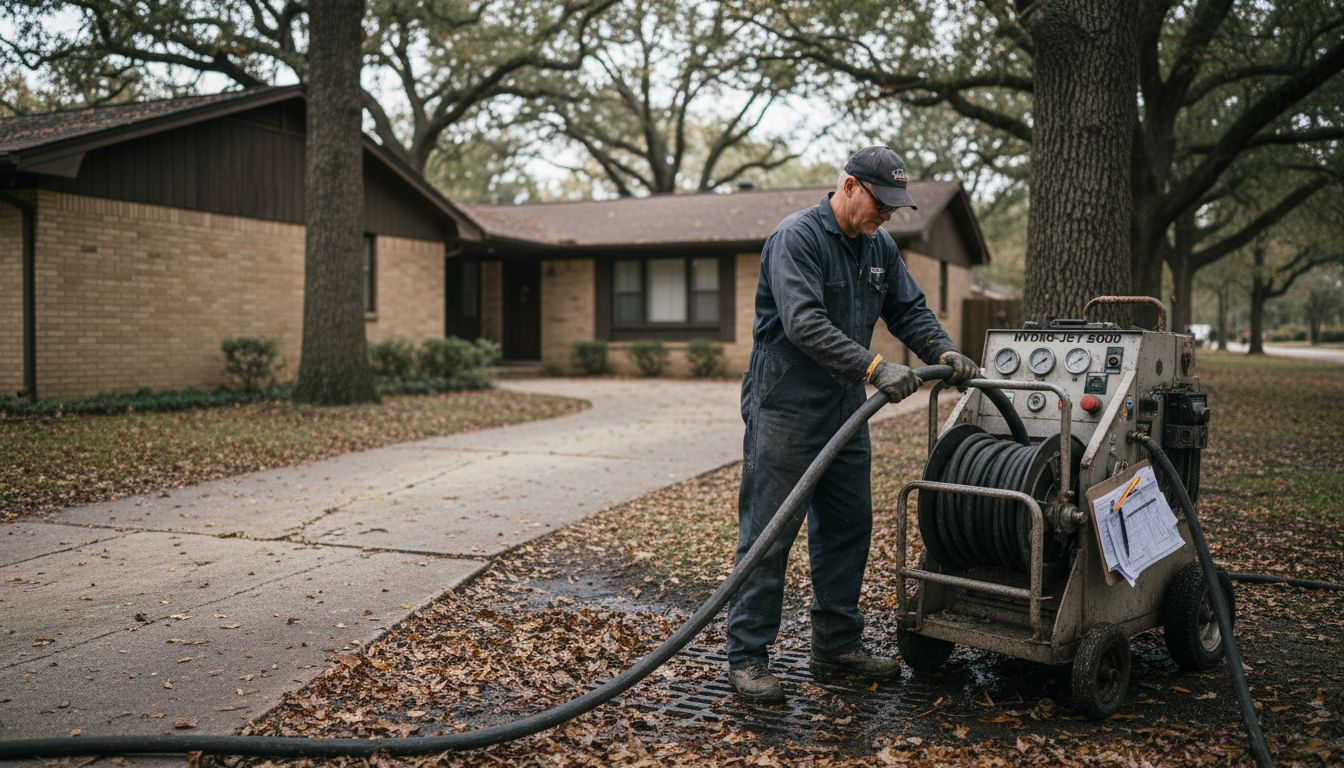
Recurring drain clogs are exhausting. You’ve tried chemical cleaners, plunged until your arms ached, and maybe even paid for snaking. Yet the blockage returns within weeks. Hydro jetting uses high-pressure water streams up to 4,000 PSI to blast away grease, roots, and hardened debris that traditional methods leave behind. This guide explains how hydro jetting works, when it’s safe for older pipes, and why it delivers lasting results that protect your plumbing investment.
Table of Contents
- Introduction To Hydro Jetting
- How Hydro Jetting Works: Mechanics And Process
- Types Of Clogs Suitable For Hydro Jetting
- Safety Considerations For Older Pipes
- Hydro Jetting Vs Traditional Drain Cleaning: A Comparison
- Maintenance Benefits And Recurrence Prevention
- Cost Expectations And Value For Homeowners
- Common Misconceptions About Hydro Jetting
- Explore Professional Hydro Jetting Services In Pittsburgh, PA
- Frequently Asked Questions About Hydro Jetting
Key takeaways
| Point | Details |
|---|---|
| Hydro jetting uses high-pressure water to remove all buildup, unlike snaking or chemicals | Water streams between 1,500-4,000 PSI thoroughly clean entire pipe walls rather than punching narrow holes. |
| It effectively clears grease, roots, and hardened debris causing recurring clogs | Stubborn materials like scale, tree roots, and solidified fats are completely flushed from pipes. |
| Requires pipe inspection first to ensure older pipes won’t be damaged | Professional video camera inspection confirms structural integrity before applying pressure. |
| Offers longer-lasting results (1-2 years) and is environmentally friendly | Chemical-free water cleaning prevents rapid clog recurrence and eliminates toxic runoff. |
| Costs typically range from $350-$600 but reduce emergency plumbing expenses | Upfront investment prevents frequent service calls and protects pipes from cumulative damage. |
Introduction to hydro jetting
Hydro jetting is a professional drain cleaning technique that uses pressurized water between 1,500 and 4,000 PSI to remove blockages and buildup from your plumbing system. Unlike traditional methods that offer temporary relief, this approach addresses the root cause of persistent clogs.
Stubborn drain problems typically stem from three main culprits. Grease accumulates along pipe walls over time, narrowing the passage. Tree roots infiltrate sewer lines seeking moisture and nutrients. Hardened debris like soap scum, mineral scale, and food waste creates layers that trap additional material.
Traditional methods fall short in meaningful ways:
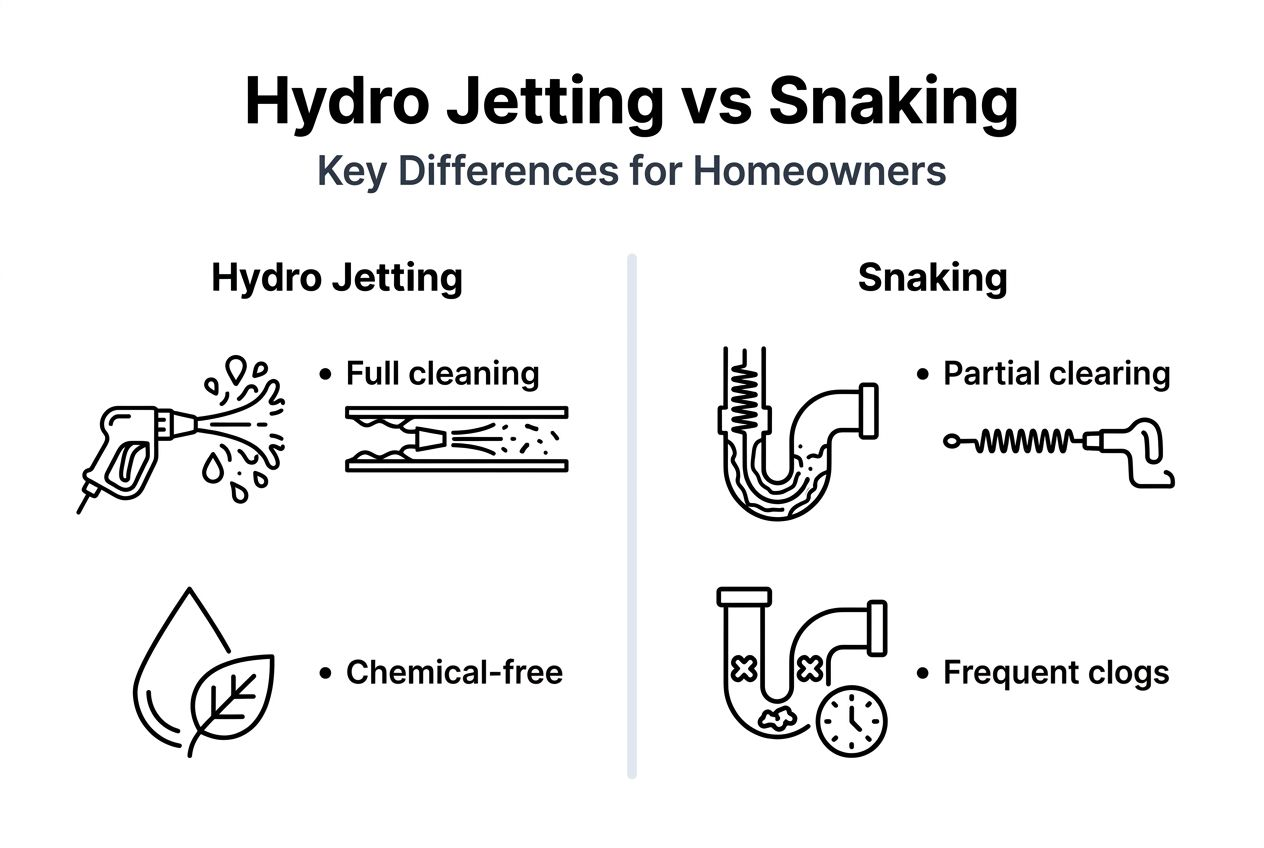
- Drain snaking creates a small hole through blockages but leaves buildup clinging to pipe walls
- Chemical cleaners may corrode pipes, harm septic systems, and provide only surface-level clearing
- Plunging works for simple clogs but can’t address accumulated residue deep in your system
Hydro jetting’s comprehensive cleaning flushes entire pipe walls, removing the coating that causes recurring clogs. The technique uses only water, making it an environmentally friendly and non-toxic option for drain cleaning. For Pennsylvania homeowners dealing with aging plumbing systems and seasonal root intrusion, this method offers a reset that traditional approaches simply cannot match.
The difference matters because incomplete cleaning means you’re treating symptoms rather than solving the problem. You end up calling for service every few months, spending more money and dealing with repeated frustration.
How hydro jetting works: mechanics and process
Understanding the equipment helps you appreciate why hydro jetting delivers superior results. Professional hydro jetting equipment consists of a powerful motor, pressurized water tank, specialized hoses, and interchangeable nozzles designed for specific blockages and pipe types.
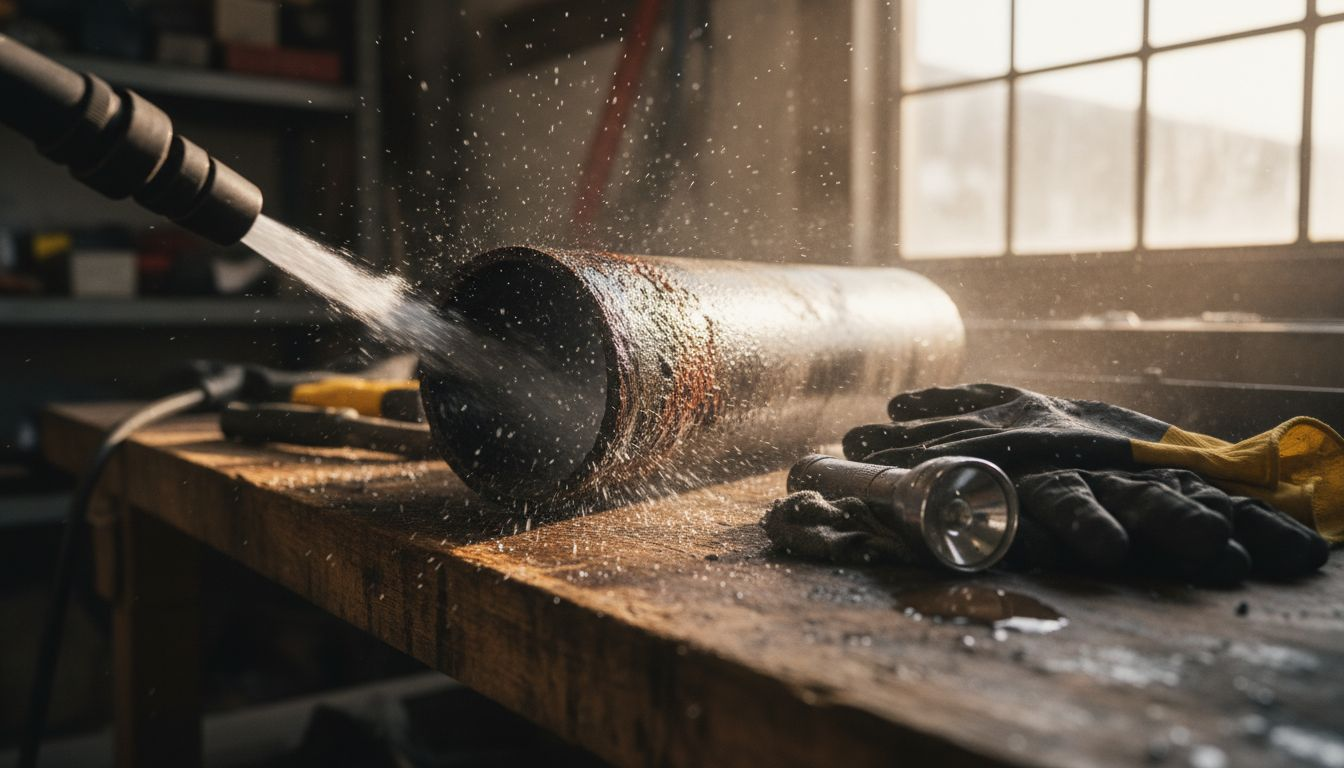
The motor generates force that pressurizes water to between 1,500 and 4,000 PSI, depending on your pipe material and clog severity. A reinforced hose delivers this pressurized water through your plumbing system. Technicians select from various nozzle designs, each engineered for specific tasks like breaking through roots, scraping grease, or flushing debris.
The hydro jetting process follows five critical steps:
- Video camera inspection identifies clog location, pipe condition, and material composition
- Pressure level selection matches your pipe’s structural capacity and blockage type
- Nozzle choice targets the specific buildup based on inspection findings
- Water jets blast through blockages while simultaneously flushing debris downstream
- Final inspection confirms complete clearing and pipe integrity
Water jets work by directing streams in multiple angles. Forward jets break through blockages while backward jets propel the nozzle through your pipes and scrub walls clean. The turbulent water action dislodges even stubborn mineral deposits and root fragments.
Pro Tip: Never attempt DIY hydro jetting with rental equipment. Professional technicians adjust pressure and technique based on real-time pipe assessment, preventing damage that untrained operators might cause.
The chemical-free nature means no toxic residue enters your home or municipal water systems. You’re left with pipes restored closer to their original diameter, allowing proper water flow and dramatically reducing the chance of rapid clog reformation. This detailed hydro jetting process ensures thorough cleaning while protecting your plumbing infrastructure.
Types of clogs suitable for hydro jetting
Hydro jetting excels at removing blockages that resist traditional cleaning methods. Understanding which clogs respond best helps you decide when this service makes sense.
Hydro jetting can remove tough clogs including grease, scale, roots, hardened debris, and food waste effectively where traditional snaking may only create a narrow hole. Each material presents unique challenges:
- Grease coats pipe walls in layers, trapping hair and food particles that accelerate buildup
- Tree roots infiltrate through tiny cracks, expanding as they absorb moisture until they create complete blockages
- Mineral scale from hard water accumulates gradually, reducing pipe diameter and restricting flow
- Hardened debris like concrete residue or solidified fats require mechanical force traditional methods can’t provide
- Food waste combines with soap and grease to form stubborn masses in kitchen drains
Snaking creates a hole through the center of these blockages but leaves the coating intact. Within weeks, new debris catches on the remaining buildup, and your clog returns. Chemical cleaners might dissolve some organic material but can’t address roots or mineral deposits. They also risk corroding your pipes over repeated use.
Hydro jetting removes buildup completely from pipe walls, eliminating the foundation for new clogs to form. The pressurized water reaches every crevice, flushing out accumulated material that’s been collecting for years. This thorough cleaning explains why results last significantly longer than other methods.
Root intrusion deserves special attention. Tree roots seeking moisture can infiltrate sewer lines through small cracks or loose joints. Once inside, they expand and catch passing debris. Hydro jetting cuts through root masses and flushes fragments downstream. When comparing drain snaking to hydro jetting, the pressure difference becomes obvious in root removal effectiveness.
Pennsylvania homes with mature trees and aging sewer lines frequently battle root intrusion. Clay pipes common in older neighborhoods are especially vulnerable. Recognizing these patterns helps you anticipate when professional hydro jetting becomes necessary rather than optional.
Safety considerations for older pipes
Concerns about damaging aging plumbing are valid. The key to safe hydro jetting lies in proper inspection and pressure adjustment.
Hydro jetting is safe for older pipes if a video camera inspection confirms the pipes are structurally sound, and pressure is adjusted accordingly. Professional technicians never proceed without visual confirmation of pipe condition.
Pennsylvania homes built before 1980 commonly feature these materials:
- Cast iron pipes may have interior corrosion or exterior rust compromising structural integrity
- Galvanized steel develops scale buildup and corrosion that weakens walls over decades
- Clay sewer lines can crack from ground shifting or root pressure
- Orangeburg pipes made from wood pulp deteriorate and collapse under minimal pressure
Video inspection reveals cracks, corrosion, collapsed sections, and wall thickness. Based on these findings, technicians adjust water pressure and select appropriate nozzles. Fragile pipes might receive 1,500 PSI instead of 4,000 PSI. Specialized nozzles with gentler spray patterns protect compromised sections while still achieving effective cleaning.
Pro Tip: If inspection reveals significant pipe damage, repair or replacement should happen before hydro jetting. Addressing structural issues first prevents catastrophic failures during cleaning.
Signs hydro jetting should be avoided or delayed include visible pipe collapses, extensive corrosion that’s thinned pipe walls, recent repairs that haven’t fully cured, and extremely old pipes with unknown condition. In these cases, professional drain cleaning might recommend pipe replacement first, then hydro jetting as part of system commissioning.
The inspection step protects your investment. Responsible plumbers prioritize your plumbing system’s long-term health over completing a single service. This approach builds trust and ensures hydro jetting enhances rather than harms your infrastructure.
Hydro jetting vs traditional drain cleaning: a comparison
Comparing methods side by side clarifies why hydro jetting typically delivers superior value despite higher upfront costs.
| Feature | Hydro Jetting | Drain Snaking | Chemical Cleaners |
|---|---|---|---|
| Cleaning Method | High-pressure water removes all pipe wall buildup | Mechanical auger creates hole through blockage | Chemicals dissolve organic material |
| Effectiveness | Clears 100% of buildup including roots and scale | 20-30% clearing leaves residue on walls | 40-60% clearing of soluble materials only |
| Duration of Results | 1-2 years before recurrence | 2-6 months before recurrence | 1-4 weeks before recurrence |
| Environmental Impact | Chemical-free water only | Neutral mechanical action | Toxic residue harms pipes and ecosystems |
| Pipe Safety | Safe with proper inspection and pressure adjustment | Generally safe but can damage fragile pipes | Corrodes pipes with repeated use |
| Cost Range | $350-$600 per service | $100-$250 per service | $10-$50 per treatment |
Unlike snaking and chemical drain cleaners, hydro jetting cleans the full pipe wall chemically free and lasts 1-2 years before clog recurrence. This longevity fundamentally changes the cost equation.
Consider this scenario: You pay $150 for drain snaking every four months because clogs return quickly. Over two years, that’s six services totaling $900. A single $500 hydro jetting service costs less and saves you the hassle of repeated appointments.
Environmental benefits matter too. Chemical cleaners introduce toxins into wastewater systems and can harm septic bacteria. Hydro jetting uses only water, eliminating these concerns entirely. For homeowners with private wells or septic systems, this distinction becomes critical.
Damage risk comparison reveals important nuances:
- Hydro jetting risks damaging pipes only when inspection is skipped or pressure isn’t adjusted properly
- Snaking can puncture weakened pipes or catch on rough edges, causing cracks
- Chemical cleaners gradually corrode pipes with each application, accumulating damage over time
Scenarios where traditional methods might be preferred include emergency clearing when inspection isn’t immediately available, extremely fragile pipes that can’t handle any water pressure, or simple clogs caused by single objects like toys or wipes.
For stubborn, recurring clogs involving grease, roots, or scale, hydro jetting’s comprehensive cleaning justifies the investment. You’re not just clearing today’s blockage but preventing next month’s emergency call.
Maintenance benefits and recurrence prevention
Regular hydro jetting transforms reactive plumbing repairs into proactive system maintenance. This shift saves money and extends your plumbing’s functional life.
Hydro jetting removes all residue, eliminating the foundation new buildup needs to accumulate. Without existing coating for debris to cling to, your pipes stay clearer longer. Think of it as stripping old paint before applying fresh primer versus painting over flaking layers.
Lasting effects reduce emergency plumbing calls significantly:
- Clean pipes allow proper drainage, preventing backups that lead to water damage
- Eliminating grease buildup reduces foul odors from decomposing organic material
- Root removal stops ongoing pipe damage that can require expensive excavation and replacement
- Scale elimination improves water flow and reduces strain on your entire plumbing system
Scheduling hydro jetting as routine maintenance extends plumbing system life measurably. Annual or biennial cleaning prevents the gradual accumulation that eventually necessitates pipe replacement. You’re investing hundreds to protect thousands in infrastructure value.
Healthier plumbing performance manifests in multiple ways. Water drains faster and more consistently. Fixtures work more efficiently when pipes aren’t constricted. You avoid the stress and inconvenience of sudden backups during holidays or when guests visit.
Recommended maintenance frequency depends on several factors. Homes with multiple large trees near sewer lines benefit from annual hydro jetting. Properties with frequent cooking and grease disposal should consider service every 18 months. Older homes with known buildup issues might need initial service followed by biennial maintenance.
Watch for these signs indicating you need service sooner:
- Multiple slow drains throughout your home suggest main line issues
- Recurring clogs in the same location indicate incomplete previous clearing
- Gurgling sounds from drains signal air pockets caused by partial blockages
- Sewage odors suggest decomposing buildup or inadequate venting from restricted flow
Scheduling maintenance before problems escalate costs less than emergency service. You control timing rather than responding to crises. This proactive approach aligns with how you maintain your HVAC system, roof, and other major home components.
Cost expectations and value for homeowners
Understanding pricing helps you budget appropriately and recognize reasonable quotes from inflated ones.
Typical residential hydro jetting costs range from $350 to $600 depending on several variables. Simple kitchen drain clearing on accessible pipes might cost $350. Main sewer line cleaning requiring extensive equipment setup and time could reach $600 or slightly higher.
Factors affecting pricing include:
- Location within Pennsylvania affects labor rates and service availability
- Clog complexity determines how long technicians must work and which specialized nozzles they’ll use
- Pipe accessibility impacts setup time and equipment requirements
- Line length influences how much hose and time the job requires
- Additional services like video inspection or pipe repairs add to base costs
Value becomes clear when comparing total costs over time. If you’re calling for drain service every three months at $150 per visit, you’ll spend $600 annually. Two years of this pattern costs $1,200. A single $500 hydro jetting service that lasts two years saves $700 plus the inconvenience of eight separate service appointments.
Emergency calls typically add 50-100% surcharges for after-hours or weekend service. Preventing emergencies through scheduled maintenance eliminates these premium charges. You also avoid water damage costs from backups that can easily exceed thousands in repairs and mold remediation.
Cumulative costs of frequent snaking or chemical treatments add up quickly:
- Six snaking services over two years at $150 each totals $900
- Weekly chemical treatments at $15 each sum to $1,560 over two years
- Neither approach delivers the lasting results hydro jetting provides
Tips for evaluating service quotes include requesting itemized pricing that separates inspection, cleaning, and any additional repairs. Compare what’s included, not just total price. Ask about warranty or guarantee on work performed. Verify the company uses video inspection before hydro jetting to protect your pipes.
Beware quotes significantly below market rates. They might indicate inadequate insurance, substandard equipment, or companies that skip critical inspection steps. Paying slightly more for experienced professionals with proper credentials protects your plumbing investment.
Hydro jetting represents a capital investment in your home’s infrastructure rather than an expense. Like replacing worn shingles before leaks damage ceilings, cleaning pipes thoroughly before blockages cause emergencies makes financial sense.
Common misconceptions about hydro jetting
Myths about hydro jetting prevent homeowners from choosing the most effective drain cleaning method. Let’s address the most common misconceptions directly.
Myth: Hydro jetting always damages old pipes. Reality: Hydro jetting is safe when professionals conduct video inspection first and adjust pressure for pipe condition. Damage occurs only when inexperienced operators skip assessment or use inappropriate pressure. Responsible plumbers prioritize pipe integrity over completing any single service.
Myth: Hydro jetting uses harmful chemicals. Reality: The process uses only pressurized water, making it 100% chemical-free. No toxic substances enter your plumbing system, septic tank, or municipal water supply. This makes hydro jetting the most environmentally responsible drain cleaning option available.
Myth: Hydro jetting is a permanent fix. Reality: While hydro jetting clears current clogs thoroughly, regular maintenance is still needed. Grease, debris, and roots will gradually accumulate again based on your usage patterns and local conditions. Think of it as deep cleaning rather than permanent immunity. Results lasting 1-2 years far exceed traditional methods but don’t eliminate the need for eventual repeat service.
Myth: Hydro jetting will damage my septic system. Reality: Hydro jetting actually benefits septic systems by removing accumulated solids that reduce tank capacity. The chemical-free water doesn’t harm beneficial bacteria like chemical cleaners do. Professionals can even hydro jet septic lines when needed, using appropriate pressure adjustments.
Myth: Any plumber can perform hydro jetting safely. Reality: Effective hydro jetting requires specialized training, proper equipment, and experience interpreting video inspection results. Choosing qualified professionals ensures your pipes receive appropriate treatment rather than arbitrary pressure application.
Common concerns about hydro jetting often stem from confusion with pressure washing or stories about DIY disasters:
- Professional equipment differs vastly from consumer-grade pressure washers in control and precision
- Trained technicians understand pipe materials, pressure thresholds, and signs of structural compromise
- Proper technique protects your investment rather than risking catastrophic failures
The key takeaway is that hydro jetting’s safety and effectiveness depend entirely on professional execution. Video inspection, pressure adjustment, and experienced operation transform potentially risky high-pressure water into a precise cleaning tool. Skipping these steps, whether through DIY attempts or hiring unqualified contractors, creates the risks that fuel these misconceptions.
Encourage professional evaluations before deciding on any drain cleaning method. A thorough assessment might reveal hydro jetting as ideal, or it might indicate your pipes need repair first. Either way, you’re making informed decisions based on your specific situation rather than general assumptions.
Explore professional hydro jetting services in Pittsburgh, PA
After understanding how hydro jetting solves stubborn drain problems, the next step is connecting with qualified professionals who can restore your plumbing system safely and effectively.
AG Heating, Cooling & Plumbing brings 30 years of plumbing expertise to homeowners throughout Pittsburgh and surrounding Pennsylvania communities. Our hydro jetting services use advanced equipment calibrated for residential pipe systems, ensuring thorough cleaning without risking damage.
We start every hydro jetting service with comprehensive video camera inspection. This reveals your pipe condition, clog location, and material composition before any cleaning begins. Our technicians then adjust pressure and select nozzles specifically matched to your plumbing’s needs, protecting aging infrastructure while delivering results that last.
Beyond immediate clog relief, our approach focuses on long-term plumbing health. Clean pipes reduce emergency calls, prevent water damage, and extend your system’s functional life. We provide maintenance schedules tailored to your property’s unique factors like tree proximity, pipe age, and usage patterns. Our comprehensive plumbing repair services address any issues inspection reveals before they escalate into costly emergencies.
Scheduling is straightforward. Contact us for an initial assessment where we’ll discuss your drain problems, review your plumbing history, and provide transparent pricing before any work begins. Our team serves Pittsburgh and the surrounding areas with the responsiveness and reliability that three decades of local service builds. Understanding why regular drain cleaning matters helps you protect your home’s plumbing investment proactively rather than reactively.
Frequently asked questions about hydro jetting
Is hydro jetting safe for all pipe types?
Hydro jetting is safe for most pipe materials when professionals perform video inspection first and adjust pressure accordingly. Cast iron, PVC, and copper pipes typically handle standard pressure well. Clay, Orangeburg, and severely corroded pipes may require gentler pressure or alternative methods if structural integrity is compromised.
How often should I schedule hydro jetting for my home?
Most homes benefit from hydro jetting every 18-24 months as preventive maintenance. Properties with multiple large trees near sewer lines, frequent grease disposal, or aging pipes may need annual service. Homes with newer plumbing and minimal tree coverage can often extend to every 2-3 years.
Can hydro jetting remove tree roots from my sewer line?
Yes, hydro jetting effectively cuts through and flushes tree roots from sewer lines. The high-pressure water breaks apart root masses and removes fragments completely. However, roots will eventually return through existing entry points unless you repair pipe cracks or install root barriers.
What’s the difference in cost between hydro jetting and traditional snaking?
Hydro jetting typically costs $350-$600 compared to $100-$250 for snaking. However, hydro jetting results last 1-2 years versus 2-6 months for snaking. Over two years, multiple snaking services often cost more than a single hydro jetting treatment while providing inferior results.
Will hydro jetting harm my septic system?
No, hydro jetting benefits septic systems by removing accumulated solids and buildup. The chemical-free water doesn’t harm beneficial bacteria like chemical drain cleaners do. Professional technicians adjust pressure appropriately for septic lines and can safely clean inlet and outlet pipes when needed.
How long does a typical hydro jetting service take?
Most residential hydro jetting services take 1-3 hours including video inspection, setup, cleaning, and final verification. Complex main sewer line cleaning might extend to 4 hours. Simple kitchen drain clearing could finish in under an hour. Your technician will provide time estimates after initial inspection.
Recommended
- How Hydro Jetting Improves Water Flow in Your Pipes – AG-Plumbing
- Why Hydro Jetting Is Ideal for Commercial Plumbing Systems – AG-Plumbing
- Drain Cleaning Services With Hydro Jetting in Pittsburgh, PA
- Blog – AG-Plumbing
