
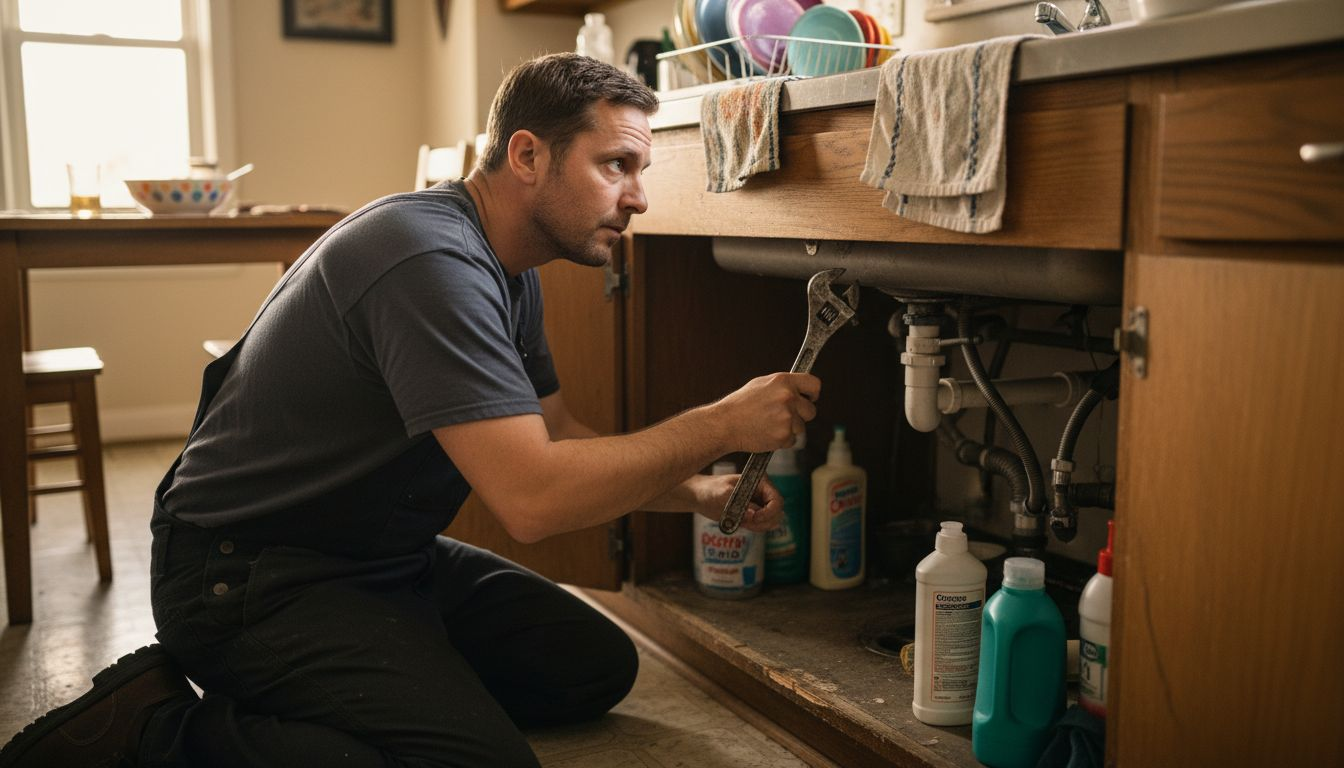
No homeowner in Pittsburgh welcomes the sudden chaos of a leaking pipe or slow-draining sink. When plumbing fails, it disrupts your comfort, creates stress, and risks costly damage. Knowing that proper plumbing is more than just fixing pipes, but a carefully designed system of pipes, fixtures, and equipment, means you need solutions backed by real expertise. This guide helps you see beyond common misconceptions and understand why experienced professionals make all the difference in protecting your home.
Table of Contents
- Plumbing Defined And Common Misconceptions
- Types Of Plumbing Systems In Homes
- How Residential Plumbing Works
- Common Plumbing Problems And Solutions
- Why Professional Plumbing Service Matters
Key Takeaways
| Point | Details |
|---|---|
| Importance of Professional Plumbing | Hiring licensed plumbers ensures compliance with safety codes and prevents health hazards. |
| Regular Maintenance is Key | Scheduling inspections every 2-3 years helps catch small issues before they escalate. |
| Understanding Plumbing Systems | Knowing your plumbing system types aids in identifying problems and communicating effectively. |
| Investing in Quality Work | Professional service may cost more upfront but saves on extensive repairs and damages in the long run. |
Plumbing Defined and Common Misconceptions
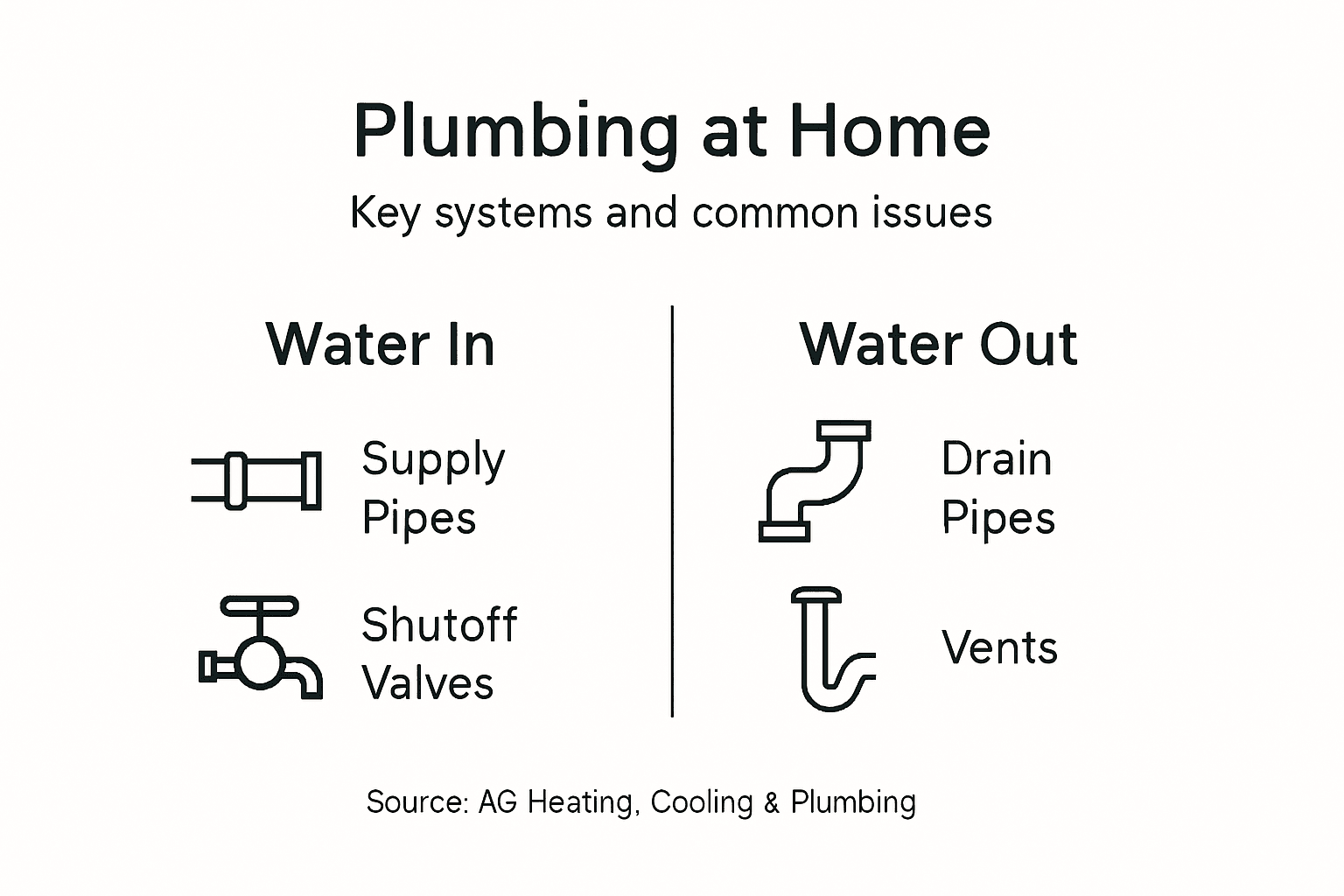
Plumbing is far more than pipes and leaks. It’s a comprehensive system of pipes, fixtures, and equipment that deliver clean water to your home and safely remove wastewater. Think of it as your home’s circulatory system—when it works, you don’t think about it. When it fails, everything stops.
The International Plumbing Code establishes minimum requirements that ensure plumbing systems are safe, sanitary, and efficient for American homeowners. These standards protect you from contamination, flooding, and costly damage.
What Plumbing Actually Includes
Your home’s plumbing system has two main branches:
- Supply lines bring fresh, pressurized water from the city main or well to your taps, shower, and appliances
- Drain lines carry used water and waste through traps and vents to the sewer or septic system
Both systems work together constantly, and both require proper installation and maintenance to function correctly.
Common Misconceptions About Plumbing
Pittsburgh homeowners often believe things about plumbing that simply aren’t true. Here’s what the industry actually knows:
“A slow drain isn’t a real problem—I’ll fix it later.”
Slow drains signal blockages building up. Ignoring them leads to complete clogs, backed-up sewage, and expensive emergency repairs. What starts as a minor annoyance becomes a major headache.
“All plumbers are the same.”
This couldn’t be further from reality. Experience matters tremendously. A licensed plumber with 30 years of training understands code requirements, modern materials, and how to diagnose problems accurately. You’re paying for expertise, not just labor.
“Plumbing codes are just bureaucratic red tape.”
They’re not. The Uniform Plumbing Code exists to promote public health and safety. Compliant systems prevent contamination, reduce water waste, and protect your family. Non-compliant work creates liability issues when you sell your home.
“I can fix anything with online videos and the right tools.”
DIY plumbing fixes often create bigger problems. Improper installations can damage your system, void warranties, and violate local codes. Professional work comes with accountability and guarantees.
“Professional maintenance is an unnecessary expense.”
Regular inspections catch small issues before they become catastrophic. Preventing major problems costs far less than emergency repairs.
Understanding what your plumbing system actually does—and what it requires—helps you make informed decisions about maintenance and repairs.
When you need work done, you’ll recognize that common plumbing repair issues often stem from deferred maintenance and misconceptions about how systems work.
Pro tip: Schedule a professional inspection every 2-3 years to catch developing issues early before they require expensive emergency service calls.
Types of Plumbing Systems in Homes
Your home contains multiple plumbing systems working independently, yet interconnected. Each serves a specific purpose, and understanding how they operate helps you recognize problems early. Pittsburgh homes rely on these systems daily without homeowners giving them much thought—until something goes wrong.
The International Plumbing Code details residential water supply and drainage systems to ensure they operate safely and efficiently under various conditions. Knowing what systems you have makes troubleshooting easier when you contact a plumber.
Water Supply System
This is your home’s primary lifeline. Fresh water enters from the city main or well, typically at 40-80 pounds per square inch of pressure. The system branches throughout your home, delivering water to every tap, toilet, shower, and appliance.
Two types exist:
- Direct supply systems connect fixtures straight to the incoming water line, common in most American homes
- Indirect supply systems use a storage tank to reduce pressure fluctuations, often found in older Pittsburgh properties
Your supply lines carry potable (drinkable) water under constant pressure. When you turn on a faucet, water flows immediately.
Sanitary Drainage System
Once water leaves your fixtures, it becomes wastewater. This system carries gray water from sinks and showers, plus black water from toilets, toward your sewer line or septic tank. Unlike supply lines, drains work by gravity, sloping downward at specific angles.
Proper slope matters tremendously. Too flat, and water pools. Too steep, and solids separate from liquids. Professional installation ensures correct pitch throughout your system.
Venting System
This often-overlooked system prevents vacuum conditions in your drains. Vent pipes allow air to enter drainage lines, maintaining proper pressure and allowing gases to escape safely through your roof. Without venting, drains would empty slowly and create foul odors.
Each fixture requires proper venting. A poorly vented system backs up, smells terrible, and drains sluggishly—signs that identifying when plumbing repair is necessary becomes important.
Storm Drainage System
Separate from sanitary drains, this system handles rainwater from gutters and roof runoff. It prevents water from entering your sanitary sewer system, avoiding overflow during storms. Some Pittsburgh properties have combined systems, while newer homes have separate storm drains.
Each plumbing system serves a distinct function. Problems in one system rarely affect others, but all must work correctly for your home’s comfort and safety.
These systems interact at crucial points but operate independently. Understanding this distinction helps you describe problems accurately to your plumber, ensuring faster diagnosis and repair.
Pro tip: Learn where your main water shut-off valve and cleanout access points are located—you’ll need this information during emergencies to minimize water damage.
Here’s a quick overview of the main residential plumbing system types and their unique roles:
| Plumbing System | Main Function | Typical Problems | Key Maintenance Point |
|---|---|---|---|
| Water Supply | Delivers fresh water under pressure | Leaks, low pressure | Check for leaks annually |
| Sanitary Drainage | Removes wastewater by gravity | Clogs, backups | Clean drains regularly |
| Venting | Equalizes pressure, removes gases | Slow drains, sewer smells | Inspect vents for blockages |
| Storm Drainage | Manages roof and surface runoff | Gutter clogs, flooding | Clear gutters each season |
How Residential Plumbing Works
Your home’s plumbing system operates through a simple principle: water flows in under pressure, gets used, then flows out by gravity. But the mechanics behind this simplicity involve precise engineering, correct pipe sizing, and multiple safety components working in harmony.
Understanding how your system operates helps you maintain it better and recognize when something needs attention. Most Pittsburgh homeowners never think about plumbing until it fails—but knowing the basics prevents costly emergencies.
The Supply Side: Getting Water In
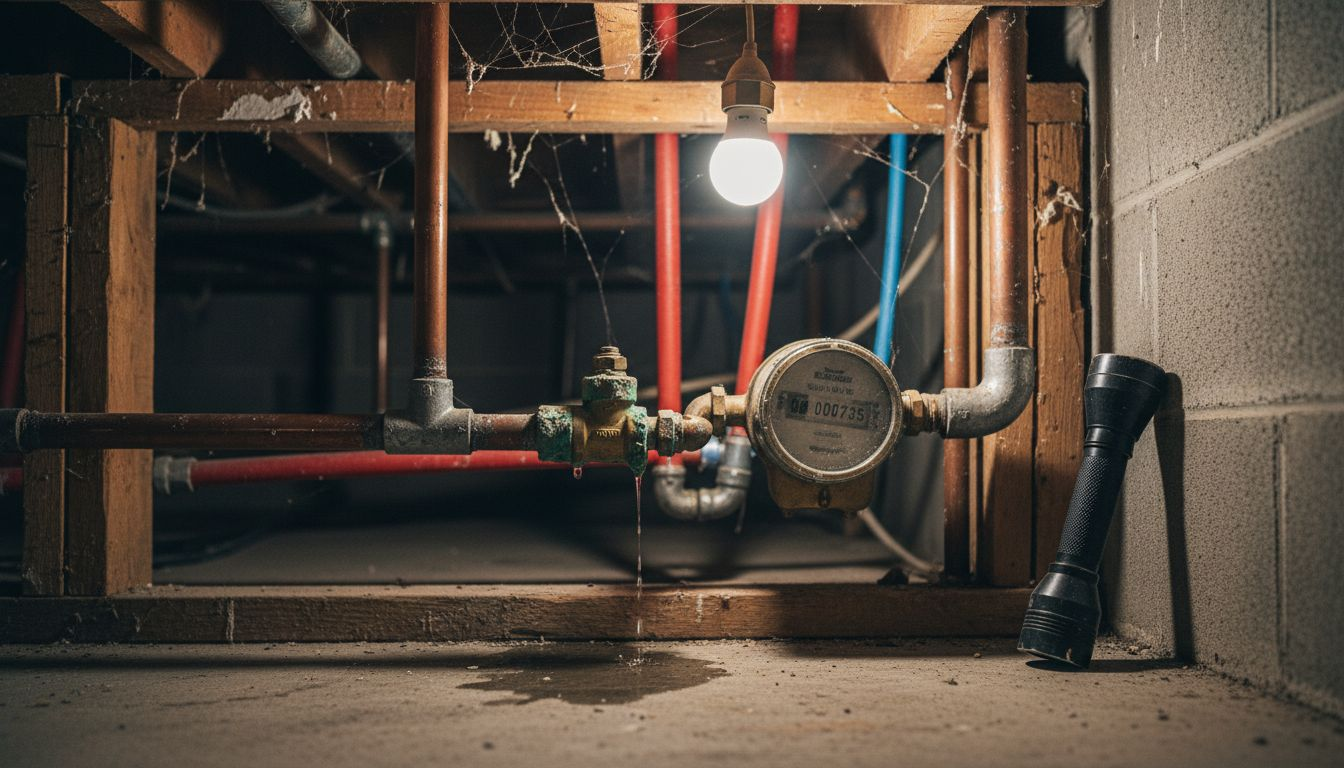
Water enters your home from the city main or well at high pressure—typically 40-80 pounds per square inch. A water meter measures your consumption, and a main shut-off valve controls flow to your entire house.
From there, the system splits into:
- Hot water line running to your water heater
- Cold water line branching directly to fixtures
Proper pipe sizing and water supply design ensure adequate flow to every fixture while maintaining consistent pressure. Undersized pipes starve fixtures; oversized pipes waste water and cost more.
Distribution Throughout Your Home
Smaller branch lines carry water to individual fixtures. Check valves prevent backflow, while shutoff valves at each fixture let you isolate problems without stopping water to your entire house.
This distributed approach matters. If a toilet develops a leak, you shut off only that toilet’s valve instead of losing water everywhere.
The Drain Side: Water Out
Once used, water becomes wastewater. Unlike supply lines that push water, drainage relies on gravity. Pipes slope downward at precise angles—typically one-quarter inch per foot—to maintain steady flow.
Water travels through P-traps at each fixture. These curved sections hold standing water that blocks sewer gases from entering your home. Proper venting allows air to enter, maintaining pressure and preventing vacuum conditions.
Where It All Goes
Wastewater flows toward your sewer line or septic system. Understanding how sewer repair prevents major plumbing problems becomes important when issues develop downstream.
Your system includes cleanouts—access points where blockages can be removed. Regular maintenance at these points prevents backups and sewage issues.
Residential plumbing works through pressure on supply, gravity on drains, and venting to maintain equilibrium throughout your entire system.
The beauty of proper installation is that everything works invisibly. You turn on a faucet and water flows. You flush a toilet and waste disappears. This happens because multiple components coordinate perfectly.
Pro tip: Test your water pressure annually using an inexpensive pressure gauge at an outdoor faucet—readings above 80 PSI indicate you may need a pressure regulator to protect your pipes from damage.
Common Plumbing Problems and Solutions
Plumbing problems rarely announce themselves politely. They develop quietly over months or years, then demand your attention at the worst possible time. Pittsburgh homeowners face predictable issues based on aging infrastructure, seasonal changes, and usage patterns. Knowing what to watch for helps you catch problems early.
Most issues fall into categories that have proven solutions. Understanding these common scenarios and their fixes empowers you to make informed decisions about repair versus replacement.
Leaks and Dripping Fixtures
A single dripping faucet wastes over 3,000 gallons annually. Leaks seem minor until you see your water bill spike. Most leaks originate from worn washers and seals that cost dollars to replace but hundreds in wasted water if ignored.
Solutions include:
- Replace worn washers (quick and inexpensive)
- Repair corroded valve seats
- Install new cartridge valves for modern faucets
Under-sink leaks demand immediate attention. Water damage spreads rapidly, rotting cabinets and subflooring. Professional inspection identifies whether you need simple repairs or complete fixture replacement.
Slow or Blocked Drains
Hair, soap buildup, and food waste accumulate in drain pipes over time. What starts as slow drainage becomes complete blockage. Advanced materials and water-efficient fixtures help modern systems prevent these issues, but older Pittsburgh homes need regular maintenance.
Common solutions:
- Snake or auger removal for minor blockages
- Professional drain cleaning using hydro-jetting
- Pipe replacement for corroded or damaged sections
Low Water Pressure
Multiple issues cause weak water flow. Mineral deposits clog aerators, while hidden leaks reduce pressure throughout your system. Faulty pressure regulators or failing check valves also create this problem.
Diagnosis determines the fix. A plumber tests pressure at multiple points to pinpoint the source before recommending solutions.
Burst or Corroded Pipes
Older homes with galvanized steel pipes experience corrosion from the inside. Freezing temperatures cause copper and plastic pipes to burst. Once burst, pipes require full replacement—patching only buys time.
Warning signs include discolored water, reduced pressure, and visible corrosion on exposed pipes.
Water Heater Failures
Typical water heaters last 8-12 years. As they age, mineral buildup reduces efficiency, strange noises develop, and rust appears inside the tank. Repair rarely makes sense once corrosion starts—replacement prevents emergency cold showers.
Small plumbing problems ignored become expensive disasters. Early detection through professional inspection saves thousands in damage and emergency repair costs.
Regular maintenance catches developing issues before they escalate. A trained plumber identifies problems you’d never spot yourself, protecting your home and budget.
Pro tip: If you notice any sign of water damage under sinks or around appliances, call immediately—waiting even one week can turn a simple repair into structural damage requiring extensive remediation.
Why Professional Plumbing Service Matters
You wouldn’t perform surgery on yourself, and plumbing deserves the same respect. It’s a skilled trade requiring years of training, proper licensing, and deep knowledge of codes and safety standards. Pittsburgh homeowners who cut corners with DIY fixes or unlicensed plumbers often face expensive consequences.
Professional plumbing service protects your home, family, and wallet. The difference between amateur work and expert service extends far beyond the initial repair cost.
Health and Safety Protection
Plumbing directly affects your family’s health. Contaminated water from cross-connections or improper installations causes serious illness. Sewer backups create hazardous conditions. Gas leaks from faulty venting pose fire risks.
Licensed plumbers possess expertise to install and maintain systems safely, following codes designed to prevent exactly these hazards. You’re paying for knowledge that protects lives, not just labor.
Professional plumbers understand:
- Backflow prevention requirements that protect city water supplies
- Proper venting to prevent dangerous gas accumulation
- Cross-contamination risks from mixing water lines incorrectly
- Safe handling of sewer systems and waste
Code Compliance and Legal Protection
Local codes exist for good reason. Non-compliant plumbing work creates liability when selling your home. Buyers discover the problems during inspections, and you’ll either repair it at your cost or take a significant price reduction.
Licensed professionals know Pittsburgh’s specific requirements and ensure every job passes inspection. This protects your investment and your ability to sell later without complications.
Quality Workmanship and Warranties
Professional plumbers stand behind their work. Most provide warranties on labor and parts. When problems arise, they fix them at no additional cost. DIY repairs offer zero recourse when something goes wrong.
Years of experience mean professionals diagnose root causes, not just symptoms. They recognize when a slow drain signals tree roots in your line versus simple buildup—completely different solutions requiring different approaches.
Long-Term Cost Savings
Calling a professional costs more today but saves thousands tomorrow. Proper training equips plumbers with skills to safely troubleshoot systems, preventing costly mistakes. Quick fixes create bigger problems later.
Water damage from amateur repairs exceeds repair costs within weeks. Structural damage compounds the problem exponentially.
Professional plumbing service is an investment in your home’s functionality, your family’s health, and your financial security.
The 30 years of experience that AG Heating, Cooling & Plumbing brings to Pittsburgh means avoiding the trial-and-error approach that destroys homeowner budgets. You gain access to the latest techniques and technologies, ensuring systems operate efficiently for decades.
Pro tip: Get written estimates from multiple licensed plumbers before deciding; compare scope of work and warranty terms, not just price—the cheapest option often costs most in the long run.
The table below summarizes how hiring a professional plumber compares to DIY or unlicensed repairs:
| Aspect | Professional Plumber | DIY/Unlicensed Repair |
|---|---|---|
| Health & Safety | Follows codes, prevents hazards | Higher risk of contamination/accident |
| Code Compliance | Work passes local inspections | May fail, cause legal issues |
| Warranty | Labor/parts often warranted | No guarantees on work |
| Long-Term Costs | Prevents expensive future repairs | Mistakes can lead to major expenses |
Ensure Your Home’s Plumbing Works Reliably with Expert Care
Understanding what plumbing truly involves helps you recognize the importance of professional maintenance and repairs. If you have noticed slow drains, leaks, or want to avoid costly emergencies caused by aging pipes or improper installations our experienced team is here to help. With 30 years serving Pittsburgh homeowners AG Heating, Cooling & Plumbing delivers trusted plumbing solutions designed to keep your home safe and efficient.
Explore our Plumbing Archives – AG-Plumbing to learn more about common issues and solutions. Don’t wait until a minor problem becomes an expensive disaster contact us today at AG Heating, Cooling & Plumbing for a professional inspection and expert service that protects your family and investment.
Frequently Asked Questions
What is the purpose of a plumbing system in a home?
A plumbing system delivers clean water to faucets, toilets, and appliances while safely removing wastewater. It’s crucial for maintaining a comfortable and functional living environment.
What are common signs that my plumbing system needs repairs?
Common signs include slow drains, water stains on walls or ceilings, unusual noises from pipes, and low water pressure. Early attention to these issues can prevent larger problems later.
How often should I schedule plumbing inspections?
It’s recommended to schedule a professional plumbing inspection every 2-3 years to catch developing issues early and prevent catastrophic failures in your plumbing system.
Why is it essential to hire a professional plumber instead of attempting DIY repairs?
Professional plumbers follow local codes, ensure safety, provide warranties on their work, and prevent costly mistakes. DIY repairs can lead to more significant problems, void warranties, and pose health risks.
Recommended
- Common Plumbing Repair Issues and How to Fix Them – AG-Plumbing
- Heating, Cooling & Plumbing Services Pittsburgh, PA
- How Sewer Repair Can Prevent Major Plumbing Problems – AG-Plumbing
- How to Identify When Plumbing Repair Is Necessary – AG-Plumbing
- What Is Plumbing and Why It Matters Locally
- Understanding Why Professional Plumbing Matters – Legacy Plumbing & Drain – Emergency Plumbers Of Sacramento
