
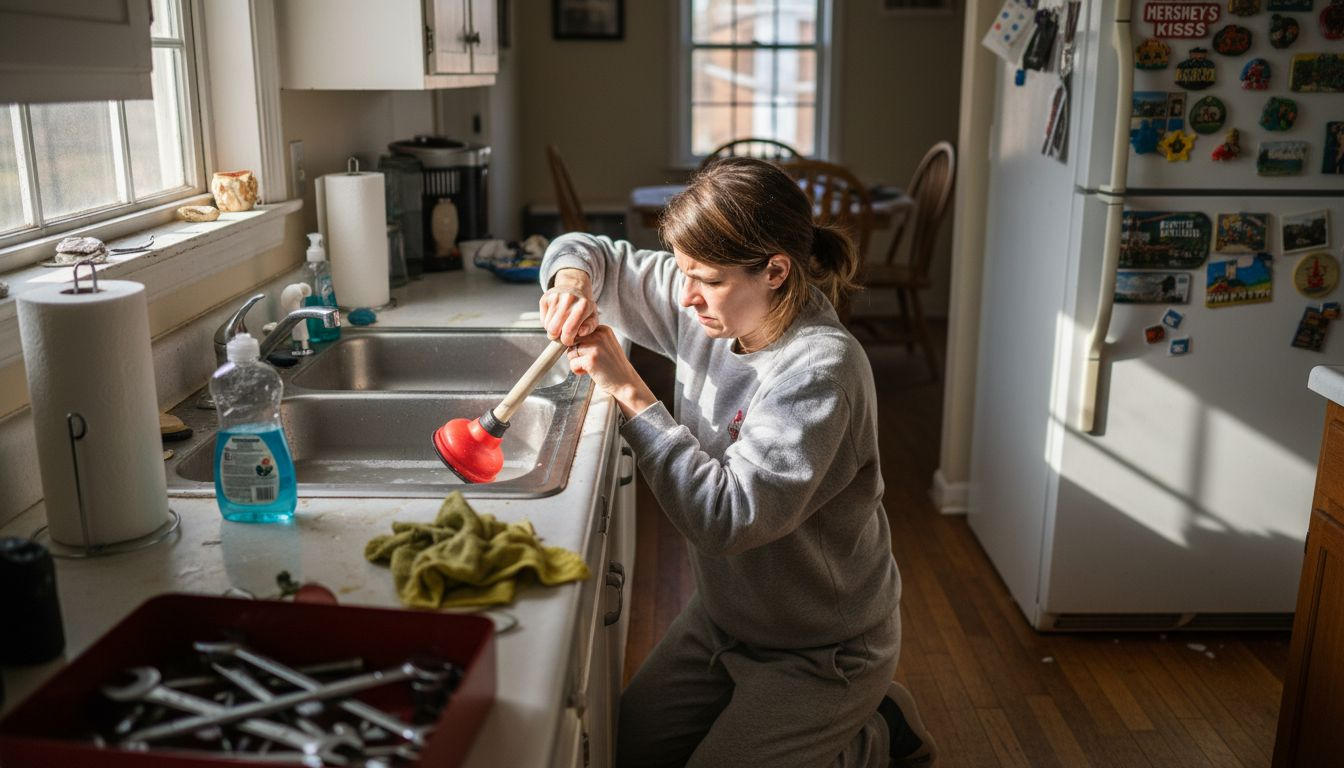
Clogged drains are one of the most frustrating plumbing issues facing Pennsylvania homeowners. Before you reach for the phone to call a plumber, you can often solve the problem yourself with the right tools and techniques. This guide walks you through safe, effective DIY methods to clear slow or blocked drains, saving you time and money while building your home maintenance confidence.
Table of Contents
- Prerequisites And What You Need
- Safety Precautions Before You Start
- Step By Step Physical Cleaning Methods
- Chemical Cleaning Methods And Alternatives
- Common Mistakes And Troubleshooting
- Expected Results And Outcomes
- Professional Plumbing Help When You Need It
- Frequently Asked Questions About Drain Cleaning
Key takeaways
| Point | Details |
|---|---|
| Plungers work for most clogs | Using a plunger solves about 70% of minor clogs efficiently. |
| Drain snakes handle deeper blockages | Manual drain snaking clears about 85% of clogs unreachable by plungers. |
| Chemical cleaners are high risk | Chemical cleaners pose health risks and should be last resort options with proper safety gear. |
| Safety gear is mandatory | Always wear gloves and goggles; ensure good ventilation when using any cleaning method. |
| Know when to stop | Call a professional if clog persists after 45 minutes to avoid pipe damage. |
Prerequisites and what you need
Before starting any drain cleaning project, gather the right tools and prepare your workspace properly. Having everything ready saves time and prevents mid-project trips to the hardware store. Most Pennsylvania residents can find essential drain cleaning supplies at local hardware stores throughout the state.
Your essential toolkit should include a cup plunger for sinks or a flange plunger for toilets, a manual drain snake (also called an auger), a sturdy bucket to catch water, rubber gloves rated for chemical resistance, and safety goggles to protect your eyes. Keep old towels nearby to clean up spills quickly. If you’re considering chemical cleaners as a last resort, choose one appropriate for your pipe material.
| Tool | Purpose | Cost Range |
|---|---|---|
| Cup/Flange Plunger | First line defense for clogs | $8-$20 |
| Manual Drain Snake | Reaches clogs 15-25 feet deep | $15-$35 |
| Safety Gloves & Goggles | Protects from splashes and chemicals | $10-$25 |
| Bucket & Towels | Catches overflow and cleanup | $5-$15 |
Understand your home’s plumbing before you begin. Older Pennsylvania homes often have metal pipes that can handle heat, while newer construction typically uses PVC that requires gentler methods. Check under your sink to identify pipe material. This knowledge prevents damage from inappropriate cleaning techniques. If you’re unsure about your plumbing system or the clog seems severe, professional drain cleaning service can diagnose issues safely.
Pro Tip: Label your drain snake with tape every 5 feet so you know exactly how deep you’ve gone into the pipe. This helps you locate the clog and avoid pushing too far.
Safety precautions before you start
Drain cleaning poses real health and safety risks that many homeowners underestimate. Chemical drain cleaners contain caustic substances that can cause severe burns, while physical cleaning methods can splash dirty water containing bacteria. Taking proper precautions protects you and your home.
Always work in a well ventilated area. Open windows and turn on exhaust fans before starting. Chemical fumes can accumulate quickly in enclosed spaces like bathrooms, causing respiratory irritation or worse. The Poison Control Center reported numerous chemical burn incidents linked to drain cleaner misuse, emphasizing the importance of proper handling.
Wear protective equipment for every cleaning method, not just chemical treatments. Heavy duty rubber gloves protect your hands from bacteria, sharp debris inside pipes, and chemical splashes. Safety goggles shield your eyes from unexpected splashback when plunging or snaking. Even simple methods like plunging can send contaminated water spraying upward.
Never mix different chemical drain cleaners. Combining products can create toxic gas reactions that cause serious injury or death. If one chemical product fails, flush the drain thoroughly with water before trying a different approach.
Keep children and pets away from your work area. Set up barriers if needed and store all cleaning products in their original containers with labels intact. Have the Poison Control number (1-800-222-1222) readily available. If you experience symptoms like burning skin, difficulty breathing, or eye irritation, stop immediately and seek medical attention.
Pro Tip: Place a large towel around the base of the toilet or under the sink before starting work. This catches splashes and makes cleanup easier, reducing your exposure to contaminated water.
For persistent issues that make you uncomfortable, professional help is smarter than risking injury. Learn about common plumbing repair issues to understand when DIY reaches its limits.
Step by step physical cleaning methods
Physical cleaning methods should always be your first approach. They’re safer than chemicals, less likely to damage pipes, and often more effective. Start with the gentlest method and progress only if needed.
Step 1: Master the plunger technique. Fill the sink or tub with enough water to cover the plunger cup. Place the plunger over the drain opening and press down firmly to create a seal. Push down and pull up rapidly 10 to 15 times. The suction and pressure combination dislodges most minor clogs. If water starts draining, you’ve succeeded. If not, try again for up to 10 minutes total before moving to the next method.
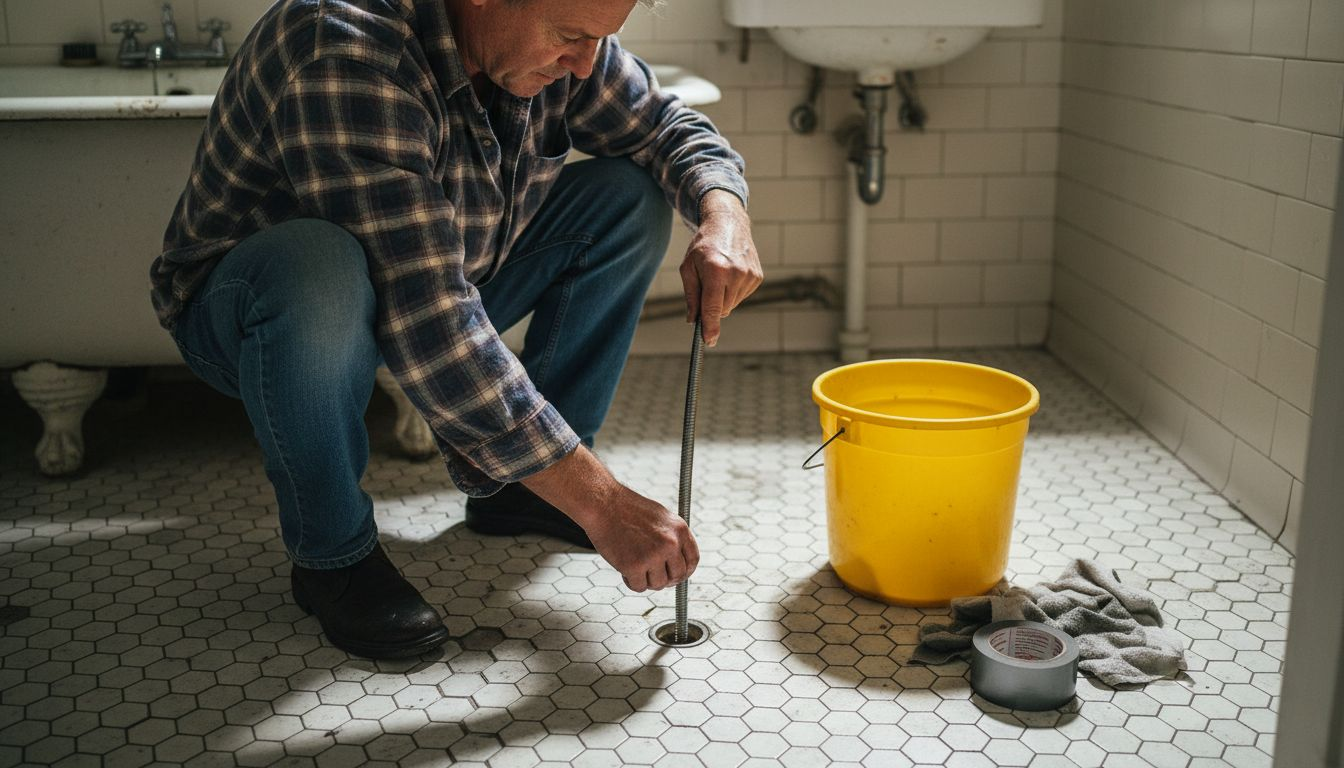
Step 2: Deploy the drain snake. If plunging fails, manual drain snakes successfully clear up to 85% of household clogs. Feed the snake cable into the drain slowly, turning the handle clockwise. When you hit resistance, you’ve reached the clog. Keep turning while gently pushing to break through or hook the blockage. Pull the snake out slowly, bringing debris with it. Run hot water afterward to flush remaining particles.
Step 3: Try the boiling water method. For metal pipes only, boiling water can dissolve grease based clogs. Boil a full kettle of water and pour it directly down the drain in stages, allowing a few seconds between pours. The heat melts fatty deposits clinging to pipe walls. Never use this method on PVC pipes, as temperatures above 175°F can soften and damage plastic.
Step 4: Combine methods strategically. Start with plunging, then snake if needed, then flush with hot water. This sequence addresses different clog types effectively. For stubborn kitchen sink clogs, you might need professional drain snaking Pittsburgh clogs service with power equipment.
| Method | Success Rate | Best For | Time Required |
|---|---|---|---|
| Plunger | ~70% | Hair, soap buildup, light debris | 5-10 minutes |
| Drain Snake | ~85% | Deep clogs, solid objects | 15-30 minutes |
| Boiling Water | ~50% | Grease clogs in metal pipes | 5 minutes |
Pro Tip: After clearing a clog, run hot water for 2 to 3 minutes to flush all loosened debris downstream. This prevents partial blockages from reforming.
Chemical cleaning methods and alternatives
When physical methods fail, chemical cleaners become an option, but they should be your last resort. Understanding different types helps you choose wisely and use them safely.
Enzymatic cleaners use biological agents to break down organic matter like hair, soap scum, and food particles. Enzymatic cleaners are safer but require several hours to work effectively. They’re environmentally friendly and won’t damage pipes, but need patience. Pour the recommended amount into the drain before bedtime and let it work overnight. These cleaners work best for maintenance and minor clogs, not severe blockages.
Caustic chemical cleaners contain sodium hydroxide or sulfuric acid that generates heat to dissolve clogs quickly. They act within 15 to 30 minutes but pose serious risks. These products can cause chemical burns, emit toxic fumes, and damage certain pipe materials over time. If you choose this option, follow instructions precisely, never exceed recommended amounts, and ensure excellent ventilation.
Always wear chemical resistant gloves, safety goggles, and long sleeves when handling any drain cleaner. Pour slowly to avoid splashing. Never lean over the drain after pouring, as fumes rise immediately. Keep the bathroom door open and run exhaust fans.
Safer alternatives include baking soda and vinegar combinations. Pour one cup of baking soda followed by one cup of vinegar down the drain. Let it fizz for 30 minutes, then flush with hot water. This method works for minor clogs and regular maintenance but lacks the power for serious blockages.
Consider the environmental impact too. Chemical drain cleaners enter water systems and can harm aquatic life. In Pennsylvania, where many homes use septic systems, harsh chemicals can kill beneficial bacteria needed for proper septic function. This makes prevention through regular preventing blockages practices even more important.
Common mistakes and troubleshooting
Even experienced DIYers make mistakes that worsen drain problems or create new issues. Recognizing these pitfalls helps you avoid costly repairs.
Overusing chemical cleaners ranks as the most common mistake. Repeatedly pouring caustic chemicals down drains corrodes pipes, especially older metal ones. Limit chemical use to once per clog attempt. If it doesn’t work the first time, chemicals won’t magically work better the second time.
Ignoring ventilation requirements puts your health at risk. Many homeowners underestimate how quickly fumes accumulate in small bathrooms. One person reported dizziness after using drain cleaner in a windowless bathroom with the door closed. Always create airflow before starting.
Skipping protective gear because “it’s just water” leads to preventable injuries. Drain water contains bacteria from waste, and plunging creates splashback. Wear gloves and goggles every time, no exceptions.
Using the wrong plunger type reduces effectiveness dramatically. Cup plungers work for flat surfaces like sinks and tubs. Toilets require flange plungers with an extended rubber piece that seals the curved drain opening. Using a cup plunger on a toilet wastes effort.
Pushing too aggressively with a drain snake can puncture pipes, especially older or corroded ones. Apply steady, moderate pressure while turning. If you meet strong resistance that doesn’t yield after several attempts, stop and call a professional.
When to call a professional:
- You’ve tried physical methods for 45 minutes without improvement
- Water backs up in multiple drains simultaneously
- You hear gurgling sounds from other fixtures when using water
- Foul sewage odors emerge from drains
- Water drains very slowly despite clearing visible clogs
These symptoms indicate deeper issues like main line blockages, tree root intrusion, or damaged pipes. Continuing DIY efforts can cause flooding or pipe breaks. Professional services have camera equipment to diagnose problems accurately. Check these signs your drains need professional cleaning to understand when DIY ends.
Pro Tip: If you’ve used chemical cleaner and it failed, tell the plumber before they arrive. This prevents dangerous reactions if they use different chemicals or equipment.
Understanding drain cleaning benefits helps you appreciate when professional maintenance prevents emergency situations.
Expected results and outcomes
Setting realistic expectations helps you decide when DIY makes sense and when to call professionals. Understanding typical timeframes and success rates guides your approach.
Most minor clogs respond to plunging within 5 to 10 minutes. If you’re not seeing improvement after 10 minutes of vigorous plunging, the clog likely requires a different approach. Drain snaking typically takes 15 to 30 minutes, including setup and cleanup. Chemical treatments need 15 minutes to several hours depending on product type.
Success rates vary by method and clog type. Plungers handle about 70% of minor clogs caused by hair, soap, and light debris. Drain snakes clear approximately 85% of clogs that plungers can’t reach, including those caused by solid objects or compacted material. Chemical cleaners work on about 60% of organic clogs but fail against physical obstructions like toys or jewelry.
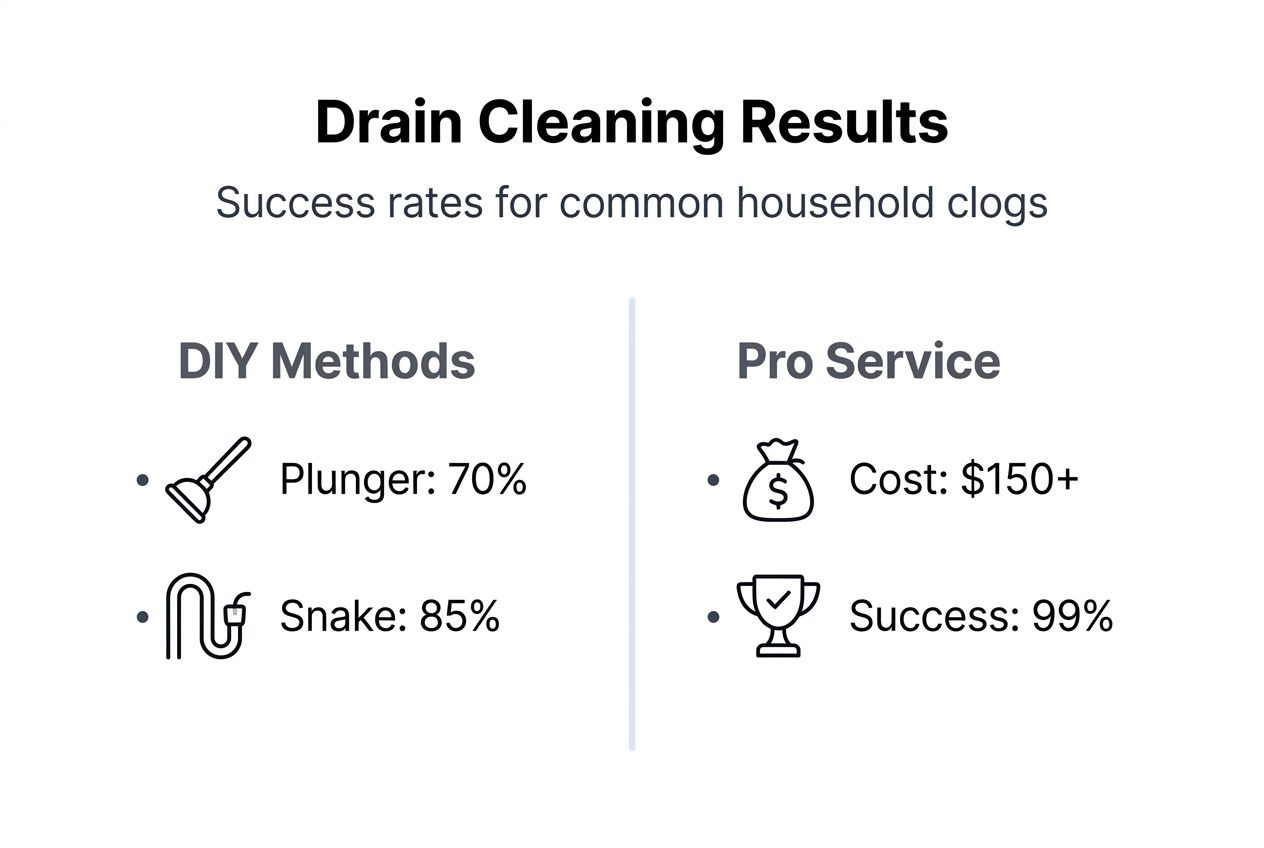
| Outcome | DIY Method | Professional Service |
|---|---|---|
| Cost | $20-$50 in tools | $150-$300 per visit |
| Time Investment | 15-45 minutes | 1-2 hours including travel |
| Success Rate | 70-85% for simple clogs | 95%+ for all clogs |
| Equipment Access | Basic hand tools | Power augers, cameras |
DIY drain cleaning saves substantial money when successful. Professional drain cleaning in Pennsylvania typically costs $150 to $300 for standard service calls. Your initial $50 investment in tools pays for itself after two or three successful clogs. However, attempting DIY on problems beyond your skill level can cause damage costing $500 to $2,000 to repair.
Recognize when professional intervention becomes necessary. If water rises instead of draining after your attempts, you may have pushed the clog deeper. If multiple fixtures drain slowly simultaneously, you’re dealing with a main line issue requiring professional equipment. Strange noises, persistent odors, or water backing up elsewhere signal problems that need expert diagnosis.
Regular maintenance reduces future clogs significantly. Monthly hot water flushes, weekly drain strainer cleaning, and quarterly enzymatic treatments keep drains flowing smoothly. Homeowners who maintain drains proactively experience 60% fewer emergency clogs than those who only react to problems.
For complex issues or recurrent problems, professional plumbing repair services provide long term solutions rather than temporary fixes.
Professional plumbing help when you need it
Even the most capable DIYer eventually encounters a plumbing problem that requires professional expertise. Knowing when to make that call prevents minor issues from becoming expensive emergencies.
AG Heating, Cooling & Plumbing brings 30 years of experience to Pennsylvania homeowners facing persistent drain problems. Our team uses professional grade equipment like motorized drain augers and camera inspection systems to diagnose and resolve issues that DIY methods can’t touch. We serve Pittsburgh and surrounding areas with reliable, efficient service that fixes problems right the first time.
When you’ve spent 45 minutes struggling with a stubborn clog, or when multiple drains show problems simultaneously, our professionals step in with solutions. We don’t just clear the immediate blockage. We identify underlying causes like pipe corrosion, improper venting, or tree root intrusion that create recurring clogs. This comprehensive approach saves you from repeated service calls.
Our plumbing repair services handle everything from simple drain cleaning to complex pipe replacements. We offer transparent pricing, respect your home, and complete work efficiently. Our drain cleaning services include preventive maintenance programs that keep your plumbing system healthy year round.
Contact us through our website at ag-plumbing.com or call today. We’re here when DIY reaches its limits and you need experienced professionals who get it right.
Frequently asked questions about drain cleaning
How often should I clean my drains to prevent clogs?
Perform preventive maintenance monthly by flushing drains with hot water and using enzymatic cleaners quarterly. Clean sink strainers weekly and avoid pouring grease down drains. This routine reduces clog formation by 60% compared to reactive only cleaning.
Can chemical drain cleaners damage my pipes?
Yes, repeated use of caustic chemical cleaners corrodes metal pipes and can soften PVC joints over time. Limit chemical use to emergency situations only. Enzymatic cleaners are safer for regular maintenance without damaging pipe materials or septic systems.
What are signs I should stop DIY and call a plumber?
Stop DIY efforts if multiple drains clog simultaneously, you hear gurgling from other fixtures, water backs up after your attempts, or sewage odors emerge. These indicate main line problems or damaged pipes requiring professional diagnosis and repair equipment.
Is it safe to use boiling water on all types of pipes?
No, only use boiling water on metal pipes. PVC and plastic pipes can warp or soften at temperatures above 175°F, potentially causing leaks or joint failures. Check your pipe material before using this method or stick to hot tap water for plastic systems.
What basic tools do I need for effective drain cleaning?
Start with a quality plunger (cup style for sinks, flange for toilets), a 25 foot manual drain snake, rubber gloves, safety goggles, and a bucket. This $50 to $80 investment handles most common household clogs and pays for itself quickly compared to service calls.
Recommended
- Drain Cleaning Benefits 2026: Cut Emergencies by 3X – AG-Plumbing
- What is hydro jetting? Ultimate guide for homeowners 2026 – AG-Plumbing
- Drain Snaking Explained: Solving Pittsburgh Clogs Fast – AG-Plumbing
- Drain Cleaning Services With Hydro Jetting in Pittsburgh, PA
