
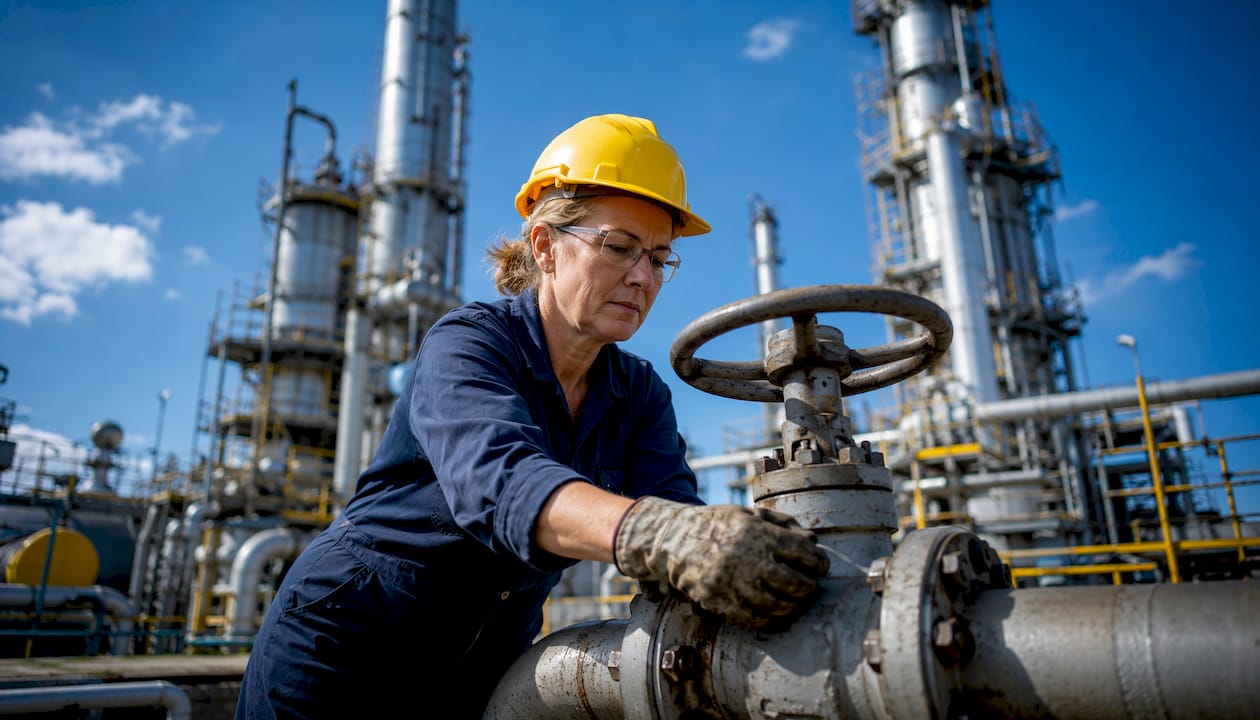
An isolation valve is any valve used to stop or permit flow in a fluid system for maintenance, safety, or emergency shutoff. What defines it is function, not form. A ball valve under your kitchen sink and a remotely operated emergency block valve at a refinery both qualify as isolation valves because of what they do, not what they look like.
Table of Contents
- What are isolation valves and why do they matter?
- Where isolation valves are used and what they protect
- Types of isolation valves and how they compare
- How to choose the right isolation valve for your system
- Best practices for installing and maintaining isolation valves
- What safety experts say about isolation as a system-level practice
- Key Takeaways
- FAQ
What are isolation valves and why do they matter?
Isolation valves stop the passage of fluid to a specific part of a system, allowing that section to be safely worked on, tested, or shut down without affecting the rest. The key word is reliable. A valve that only partially closes, or one that leaks under pressure, fails at the one job it exists to do.
The core functions break down like this:
- Maintenance isolation: Shut off flow to a pump, fixture, or section of pipe so repairs can happen without draining an entire system.
- Emergency shutoff: Stop a hazardous release before it spreads. This is where the stakes are highest.
- System segmentation: Divide a large system into controllable zones for testing, commissioning, or staged operation.
- Flow path selection: Direct fluid through one branch of a system while blocking another.
- Normally closed service: Vent and drain valves stay closed until a specific task requires them, then return to the closed position.
Gate valves, ball valves, butterfly valves, globe valves, and plug valves all serve as isolation valves depending on the application. The valve type matters less than whether it achieves a tight, verifiable shutoff at the required pressure and temperature.
Where isolation valves are used and what they protect
Isolation valves appear in nearly every fluid-handling system. In residential plumbing, the angle stops under a sink or the shutoff behind a toilet are isolation valves. In industrial settings, they guard chemical reactors, power plant cooling loops, oil and gas pipelines, and nuclear reactor systems.
The safety role is most visible when something goes wrong. On February 16, 2007, a propane fire at the Valero McKee Refinery in Sunray, Texas injured four workers and forced a full evacuation. The U.S. Chemical Safety and Hazard Investigation Board found that field operators could not reach manual isolation valves because the fire had already spread too far. Control room operators had no way to stop the flow because no remote shutoff valves existed in the propane deasphalting unit. The fire grew larger and lasted longer than it had to.
Key application areas include:
- Industrial and chemical plants: Isolating reactors, heat exchangers, and process lines during turnarounds.
- Power generation: Blocking steam, cooling water, and fuel lines for scheduled and emergency maintenance.
- Oil and gas: Controlling wellhead flow and pipeline segments, where a failed isolation can mean a catastrophic spill.
- HVAC and building systems: Isolating individual air handlers, boilers, or chiller circuits without shutting down an entire building.
- Residential plumbing: Stopping water to a fixture or appliance for repair without cutting supply to the whole house. Understanding when to install shutoff valves can prevent serious water damage.
The U.S. Chemical Safety Board has documented multiple incidents where remotely operated emergency isolation valves (ROEIVs) would have contained releases that instead became catastrophic. Industries handling flammable or toxic substances should treat ROEIVs as a baseline design requirement, not an optional upgrade.
Types of isolation valves and how they compare
Each valve type brings specific strengths and trade-offs. Choosing the wrong one for an application creates problems that no amount of maintenance can fix.
| Valve Type | Shutoff Quality | Best For | Key Limitation |
|---|---|---|---|
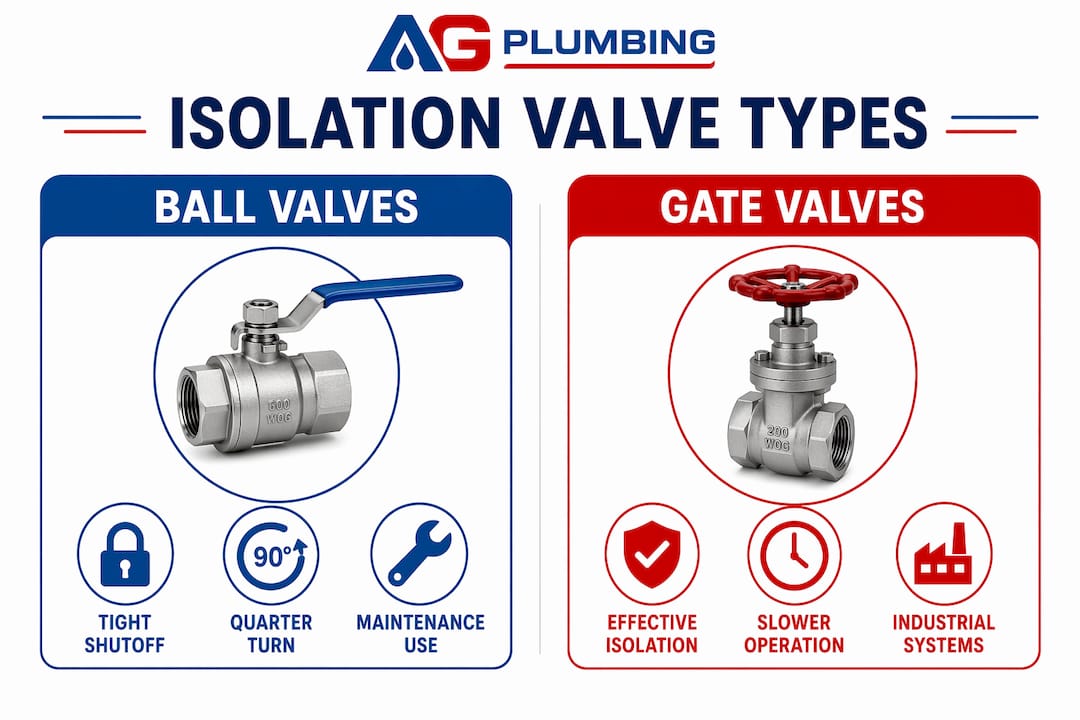
| Ball valve | Tight, quarter-turn | General service, frequent operation | Can be inadvertently moved; needs locking in safety-critical service |
| Gate valve | Tight when new | Large-diameter, infrequent operation | Slow to operate; prone to seat wear over time |
| Butterfly valve | Moderate | Large pipes, low-pressure systems | May not achieve tight shutoff under wear |
| Globe valve | Moderate | Throttling and flow regulation | Not ideal for full isolation; higher pressure drop |
| Plug valve | Tight | Slurries, viscous fluids | Requires higher torque; less common in standard plumbing |
Ball valves and gate valves are generally the preferred choices for true isolation because they provide the tightest shutoff. Globe valves and butterfly valves can leak at the seat over time, which makes them unsuitable for hazardous service isolation without additional verification. Material compatibility matters too: stainless steel handles corrosive media better than carbon steel, and PTFE-seated ball valves resist chemical attack where brass would fail.
How to choose the right isolation valve for your system
Selecting an isolation valve starts with the process fluid. Corrosive chemicals, high-temperature steam, and abrasive slurries each demand different materials and seat designs. Get that wrong and the valve degrades faster than expected, or fails to seal when it counts.
Work through these criteria before specifying any valve:
- Process media: Match body and seat materials to the fluid’s chemical properties and temperature range.
- Operating pressure and temperature: Confirm the valve’s pressure-temperature rating exceeds system maximums, including surge conditions.
- Shutoff class: ANSI/FCI 70-2 defines leakage classes from Class I through Class VI. Safety-critical applications typically require Class IV or higher.
- Frequency of operation: Ball valves handle frequent cycling well. Gate valves are better suited to valves that stay open or closed for long periods.
- Space and orientation: Some valves require specific installation orientations. Vertical gate valve stems, for example, can trap debris if installed upside down.
- Compliance: ASME B16.34 governs valve pressure-temperature ratings in the United States. API RP 553 covers emergency block valves in refinery service.
- Maintenance access: A valve you cannot reach safely will not get maintained. Poor valve placement forces costly interventions and discourages routine inspection.
Pro Tip: Design systems with multiple isolation points rather than relying on a single valve. Selecting low-emission valves and arranging redundant isolation points reduces both downtime and operational risk when one valve needs service.
Best practices for installing and maintaining isolation valves
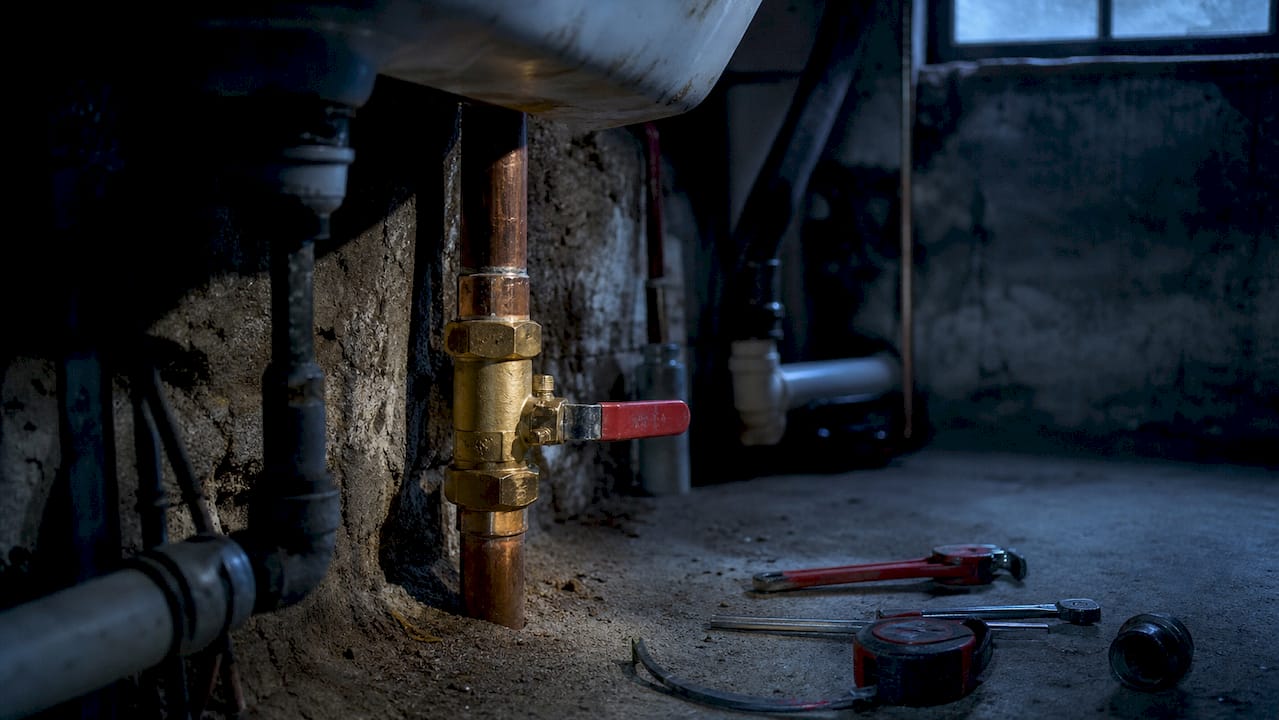
Proper installation starts with location. Valves placed high in mechanical rooms may require chain operators for safe access. Burying a valve in a tight corner or above a hot pipe makes routine inspection nearly impossible, and deferred inspection is how small problems become expensive ones.
Follow these practices to keep isolation valves reliable:
- Operate only fully open or fully closed. Throttling a gate valve erodes the seat and wedge, destroying its ability to seal. Ball valves used for throttling develop flat spots on the ball.
- Exercise valves regularly. A valve that sits in one position for years can seize from corrosion or mineral buildup. Cycling it periodically keeps the mechanism free.
- Lock safety-critical valves. Car seals, chain-and-padlock arrangements, or proprietary locking devices prevent accidental or unauthorized operation. Valves that require only a 90-degree turn, like ball valves, are especially vulnerable to inadvertent movement.
- Verify isolation before starting work. Closing a valve is not the same as confirming isolation. Use bleed valves or tell-tale connections to confirm the downstream side is truly depressurized before anyone opens a line.
- Document valve status. Isolation certificates tied to a permit-to-work system track which valves are closed, who closed them, and when they can be reopened. Poor communication at shift handover is a documented cause of isolation failures.
- Inspect seals and actuators. Common failures stem from seal degradation and corrosion, often accelerated by improper use like throttling or excessive cycling.
Septic and drainage systems face the same risks when isolation fails during repair work. Proper valve maintenance before any repair begins prevents leaks and flooding, a point that applies equally to urgent repair situations across residential fluid systems.
What safety experts say about isolation as a system-level practice
The most important insight from safety and reliability professionals is this: isolation is a process, not a piece of hardware. Closing a valve is step one. Verifying it, securing it, and controlling who can reopen it are the steps that actually protect people.
The U.S. Chemical Safety Board and the UK Health and Safety Executive both emphasize that human error drives most isolation failures, not mechanical defects. The most common failure modes include failing to fully complete an isolation, failing to verify the isolated side is truly dead, and poor communication during shift handover.
Expert recommendations for high-hazard systems:
- Double block and bleed (DBB): Two isolation valves in series with a bleed valve between them. The bleed valve lets you monitor the upstream valve’s integrity before work begins. DBB is the standard for confined space entry and toxic fluid service.
- Remotely operated emergency isolation valves (ROEIVs): Required wherever a loss of containment could escalate before personnel can safely reach manual valves. The HSE states that manual valves should never be used where the person closing them would be placed in danger.
- Positive isolation for confined spaces: Any confined space entry should use positive isolation, the highest-reliability method, because a single valve failure in that context can be fatal.
- Process hazard analysis (PHA): API RP 553 and ASME standards require facilities to formally assess where remote or automatic isolation is needed, not just assume manual valves will suffice.
Pro Tip: For any system carrying flammable or toxic media, include isolation valve locations and types in your emergency response procedures. A valve that operators cannot find or identify under stress provides no protection at all.
Ag-plumbing brings 30 years of experience to residential and commercial plumbing in Pittsburgh, PA, including proper valve selection, placement, and maintenance. If you need an assessment of your system’s isolation points, the Ag-plumbing team is ready to help.
Key Takeaways
Isolation valves protect people and systems by providing reliable, verifiable shutoff. Their function defines them, and their placement and maintenance determine whether that function holds when it matters.
| Point | Details |
|---|---|
| Function defines the valve | Any valve used to stop or permit flow for maintenance, safety, or testing qualifies as an isolation valve. |
| Remote operation saves lives | The CSB documented that the absence of remote shutoff valves at the Valero McKee Refinery allowed a propane fire to spread beyond control. |
| Verify, don’t assume | Use bleed valves or tell-tale connections to confirm isolation before opening any line. |
| DBB for hazardous service | Double block and bleed configurations provide positive isolation and allow upstream valve integrity monitoring. |
| Placement drives reliability | Valves above 2,400 mm in mechanical rooms may require chain operators; inaccessible valves do not get maintained. |
FAQ
What happens if an isolation valve fails?
A failed isolation valve can allow fluid to flow into a section of pipe or equipment that should be isolated, exposing workers to hazardous pressure, temperature, or chemicals. In industrial settings, this has caused fires, explosions, and fatalities.
Where should you install isolation valves?
Install isolation valves at every point where you may need to isolate equipment for maintenance, testing, or emergency shutoff. Placement should prioritize accessibility; valves above 2,400 mm in mechanical rooms typically require chain operators for safe use.
What is the most common isolation valve?
Ball valves are the most widely used isolation valves in both residential plumbing and industrial systems because they provide tight shutoff with a simple quarter-turn operation and handle frequent cycling reliably.
Do I need an isolation valve?
Any system where you might need to stop flow to a specific fixture, appliance, or section of pipe without shutting down the entire system needs isolation valves. In residential plumbing, they are standard at every fixture and appliance connection.
Recommended
- The Role of Thermostatic Mixing Valves in Home Safety – AG-Plumbing
- Why Install Shutoff Valves: A Homeowner’s Safety Guide – AG-Plumbing
- What Is a T&P Relief Valve? A Homeowner’s Guide – AG-Plumbing
- The Role of Water Shutoffs for Pittsburgh Homeowners – AG-Plumbing
