
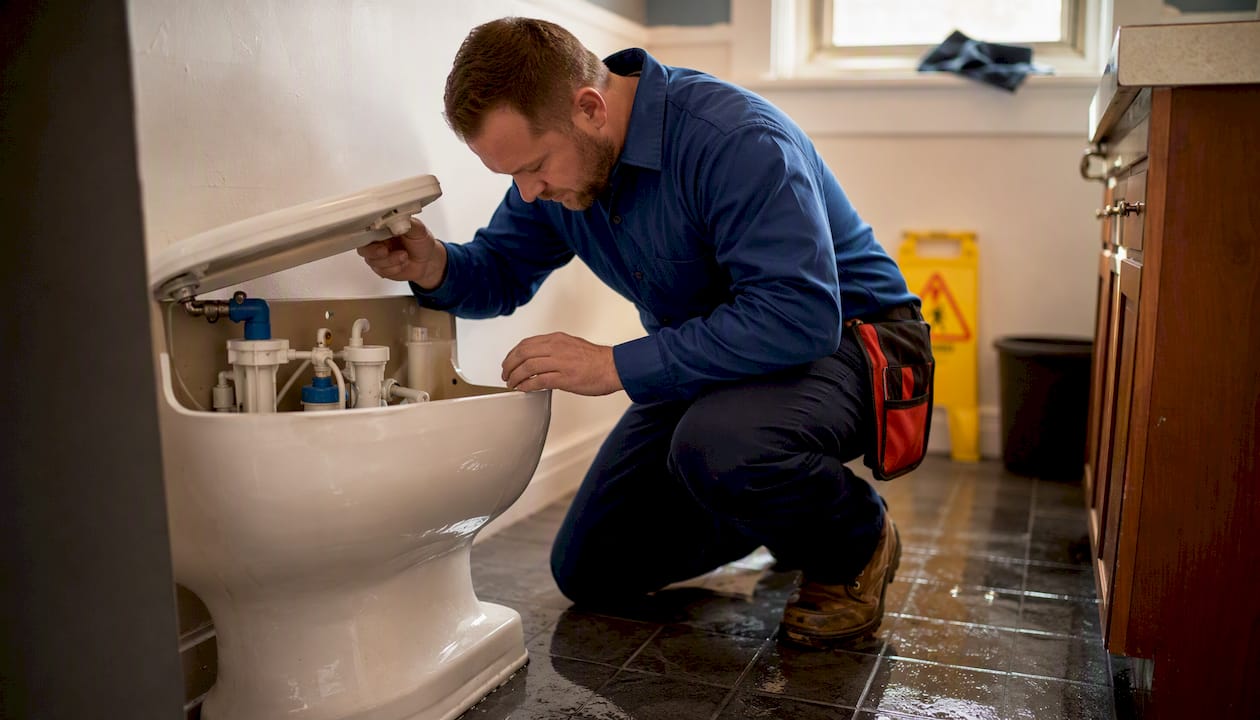
If water or sewage is actively spreading, stop reading and shut off the toilet’s supply valve now, then call an emergency plumber. If the toilet is just running or clogged but contained, you can stabilize it yourself and wait for standard-hours service. Emergency plumber rates typically run $100 to $500 per hour, and most callouts nationally average $215 to $655. That premium is usually cheaper than water damage.
- Shut off the toilet’s supply valve behind the base
- Stop overflow with towels or a large container
- Cut power to any outlets near standing water
- Call an emergency plumber if flow won’t stop
Key Takeaways
Active water or sewage means calling an emergency plumber immediately, while a contained clog or running toilet can usually wait for standard-hours pricing.
| Point | Details |
|---|---|
| Shut off water first | Turn the toilet’s supply valve clockwise before attempting any other fix. |
| Judge urgency by spread | Active overflow, sewage backup, or multiple fixtures failing means call now. |
| DIY has a time limit | If a flapper, fill valve, or plunger fix hasn’t worked in 30-45 minutes, call a pro. |
| Expect $200-$600 for most jobs | Severe cases like sewer backups can run into the thousands, per industry cost guides. |
| Ag-plumbing offers 24/7 dispatch | Licensed, insured technicians provide upfront trip fees and can stabilize now, repair later. |
Table of Contents
- Emergency Toilet Repair: Your First 10 Minutes
- Is This Really a Plumbing Emergency?
- Safe DIY Fixes You Can Try Before Calling a Plumber
- When Should You Call an Emergency Plumber?
- What Happens When the Emergency Plumber Arrives
- Getting Ready for the Plumber’s Visit
- Sources
- FAQ
Emergency Toilet Repair: Your First 10 Minutes
Time matters more than technique right now. Here’s what to do, in order.
- Find the shutoff valve. It’s the oval knob on the wall or floor behind the toilet base. Turn it clockwise until it stops. This alone ends most active overflows.
- Stop the overflow’s path. If water is already on the floor, lay towels or a shop rag barrier around the base before it reaches carpet, baseboards, or a floor register.
- Try one plunge, safely. If the bowl is clogged but not overflowing, a single firm plunge with a flange plunger can clear a simple blockage without spreading water.
- Protect people and outlets. If water has reached an outlet, light switch, or power strip, cut power to that circuit at the breaker before anyone touches standing water.
- Call for help if the flow keeps going. If shutting the valve doesn’t stop the water, or if you see sewage backing up from the drain instead of overflowing from the tank, stop troubleshooting and call an emergency plumber.
Pro Tip: If the shutoff valve is stuck or won’t fully close, don’t force it—follow these temporary fixes for plumbing leaks while you wait for professional help. Shut off the main water supply to the house instead. A stripped valve turns a five-minute fix into a bigger repair.
Avoid standing in contaminated water barefoot, and never plug in a wet vac near an outlet that’s already gotten wet. Sewage contact carries real bacterial risk, and wet tile floors are a slip hazard that sends more people to urgent care than the plumbing problem itself.
Is This Really a Plumbing Emergency?
Not every toilet problem needs a 2 a.m. phone call. Ask yourself these four questions:
- Is water actively escaping onto the floor right now?
- Is sewage or waste backing up instead of clean water?
- Are multiple fixtures in the house affected at once (a sign of a main line issue)?
- Is there a risk to electrical outlets, ceilings below, or structural flooring?
If you answered yes to any of those, this is an emergency. Call now.
If you answered no to all four, here’s what usually can wait:
- A toilet that runs constantly but has stopped filling the bowl to overflow
- A slow leak at the base that’s contained by a towel and not spreading
- A single clogged toilet in a house with other working bathrooms
A running toilet feels urgent because of the noise, but it typically just wastes about 200 gallons a day rather than flooding anything. Shutting the supply valve stops the waste instantly, and the flapper replacement can wait until morning.
Safe DIY Fixes You Can Try Before Calling a Plumber
Plenty of toilet problems are within reach for a homeowner with fifteen minutes and a couple of tools. Replacement parts like flappers, fill valves, and supply connectors typically run $5 to $30, and swapping them rarely takes more than an hour.
- Turn off the supply valve before touching anything inside the tank
- Replace a worn flapper if the toilet runs constantly or won’t stop refilling
- Use a flange plunger (not a sink plunger) for a simple clog
- Run a closet auger for a clog that won’t clear with plunging alone
- Hand-tighten a loose supply line connector if it’s dripping at the wall
Stop and call a pro if the job involves the wax ring, the toilet flange, lifting the bowl off the floor, or anything near a sewer line. According to Lowe’s DIY guidance, cracked porcelain, flange repair, and subfloor access are jobs for a licensed plumber, not a weekend project. A rough guideline: if you haven’t fixed it in 30 to 45 minutes, you’re past the point where DIY is saving you money.
When Should You Call an Emergency Plumber?
Call immediately if water is spreading across a finished floor, if sewage is backing up anywhere in the house, or if you can’t stop the flow no matter what valve you turn. These aren’t wait-and-see situations. According to one contractor’s guide to plumbing emergencies, the real test is urgency, risk, and consequence, not just how annoying the problem is.
When you call, ask these questions before you agree to a visit:
- What’s your trip fee, and is it applied toward the repair cost?
- What’s your after-hours or emergency hourly rate?
- What’s your realistic arrival window tonight?
- Can you stabilize the problem now and schedule the full repair during regular hours?
- Do you offer a workmanship warranty on the repair?
A reliable emergency plumber will answer all five without hesitation. Look for licensing and insurance, clear disclosure of the trip fee upfront, and 24/7 dispatch that doesn’t route you to voicemail. If a company won’t quote a rate range over the phone, treat that as a red flag.
What Happens When the Emergency Plumber Arrives
Expect a fairly predictable sequence once a technician is on-site. They’ll assess the situation first, confirm the water is under control, then either fix the problem on the spot or stabilize it and schedule follow-up work.
The typical process:
- Arrival and shutoff confirmation (making sure no more water is entering the system)
- Diagnostic check of the clog, valve, flapper, fill mechanism, or supply line
- Either a same-visit repair or temporary stabilization with a scheduled return
- Cleanup of the immediate work area
Common emergency toilet repairs include clearing a stubborn clog with a closet auger, replacing a failed fill valve or flapper, stopping a supply-line leak at the shutoff, or replacing a wax ring and flange if the base leak points to a seal failure.
On cost, most emergency toilet jobs fall in the $200 to $600 range, though severe cases involving sewer backups or extensive water damage can climb into the thousands. What pushes a bill higher: after-hours or holiday timing, difficult access (a toilet in a finished basement, for example), and any work that overlaps with sewage cleanup or drywall repair. If the situation allows it, asking the plumber to stabilize now and return during standard hours for the full repair can meaningfully cut the bill.
Getting Ready for the Plumber’s Visit
A little prep before the technician arrives speeds up the repair and protects your wallet if you need to file an insurance claim.
- Clear a path to the bathroom and move anything valuable out of the splash zone
- Locate your main water shutoff and water meter in case the plumber needs them
- Photograph any standing water or damage with a timestamp before cleanup starts
- Keep pets and kids out of the affected area until the water is contained
If sewage was involved, don’t let anyone mop it up with regular household towels destined for the laundry. Bag contaminated materials and keep the area closed off until a professional confirms it’s safe.
Pro Tip: Save your photos and the plumber’s written diagnosis together in one folder. Insurance adjusters move faster when the timeline and cause are documented, not just described after the fact.
A Contractor’s View on Why Homeowners Wait Too Long
The biggest mistake I see isn’t calling too early, it’s calling too late because someone wanted to “just try one more thing” first. I’ve walked into jobs where a simple flapper swap turned into a subfloor replacement because nobody shut off the water before disassembling the tank. If water or sewage is moving, stop troubleshooting and call. AG Heating, Cooling & Plumbing has spent 30 years in Pittsburgh learning that early calls save homeowners money, not the other way around.
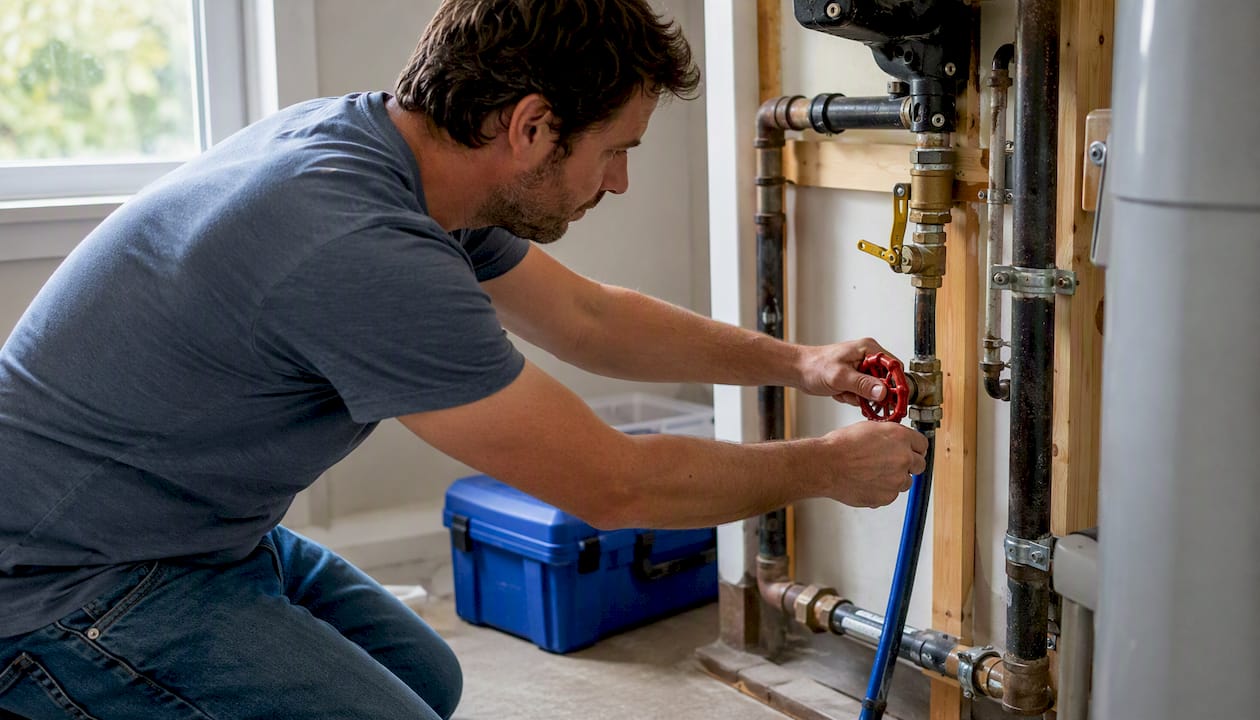
How AG Heating, Cooling & Plumbing Handles Your Toilet Emergency
Ag-plumbing gets you a licensed technician fast instead of leaving you guessing over the phone with a stranger’s dispatch line. When water won’t stop or sewage is backing up, you need someone who answers, quotes the trip fee upfront, and shows up ready to work.
Ag-plumbing offers 24/7 emergency response across Pittsburgh, PA and the surrounding area, with licensed and insured technicians on every call. You’ll get straight answers on the trip fee and hourly rate before work starts, plus a workmanship warranty on the completed repair. If your full fix has to wait for daylight, the team can stabilize the situation tonight and schedule the permanent repair during standard hours, so you’re not paying premium rates for work that doesn’t need to happen at midnight. Call for emergency dispatch or browse plumbing repair services to see what a same-day fix looks like before you’re stuck deciding at 11 p.m.
Sources
- How Much Does an Emergency Plumber Cost? 2026 Data | Angi
- 2026 Emergency Plumber Cost | Get Estimates
- Is a Running Toilet a Plumbing Emergency?
FAQ
How much does it usually cost to fix a toilet in an emergency?
Most emergency toilet repairs cost $200 to $600, though severe cases involving sewer backups or water damage can run higher. Timing, access, and complexity are the main factors that push the price up.
Can I call 911 for a plumbing emergency?
No. Call emergency services only if there’s a life-threatening situation like electrical shock risk from standing water; otherwise, call a licensed emergency plumber directly for toilet or pipe failures.
Can I fix a toilet flush without calling a plumber?
Often, yes. A weak or constant flush is usually a worn flapper or fill valve, both DIY-friendly parts that cost $5 to $30 and take under an hour to replace.
What is considered a plumbing emergency?
A plumbing emergency involves active water damage, sewage backup, or a failure that leaves the home unsafe to use, such as water spreading across finished floors or multiple fixtures failing at once. A running toilet alone typically isn’t one, since it wastes water without flooding anything.
Recommended
- Emergency Plumbing Guide: Quick Solutions for Homeowners – AG-Plumbing
- How to Fix a Running Toilet: a DIY Guide – AG-Plumbing
- Common Plumbing Repair Issues and How to Fix Them – AG-Plumbing
- Toilet Installation Guide for Homeowners: 2026 Edition – AG-Plumbing
