
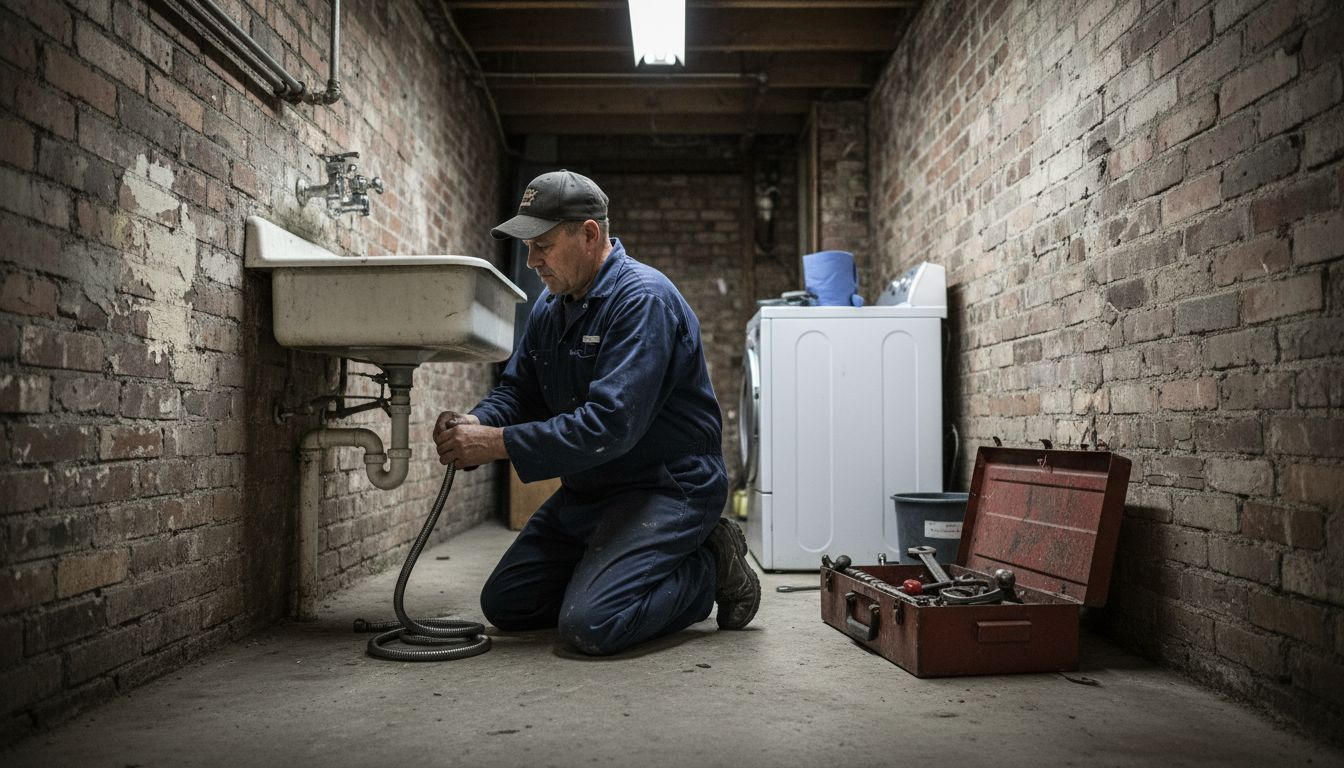
Recurring drain clogs can turn daily life in your Pittsburgh home into a constant hassle, causing frustration every time water drains too slowly or backs up unexpectedly. Understanding what really works against stubborn blockages matters, especially when generic chemical cleaners only offer temporary relief and may actually harm your pipes. By learning about the real benefits and common misconceptions of drain snaking, you open the door to smarter, safer ways to restore flow and prevent future plumbing headaches.
Table of Contents
- What Drain Snaking Is And Common Misconceptions
- Types Of Drain Snakes And Their Uses
- How Professional Drain Snaking Works
- Risks, Costs, And DIY Mistakes To Avoid
- Drain Snaking Versus Hydro Jetting Alternatives
Key Takeaways
| Point | Details |
|---|---|
| Understanding Drain Snaking | Drain snaking is a safe and effective method for clearing clogs using a flexible metal tool, unlike chemical cleaners that can damage pipes over time. |
| Selecting the Right Snake | Different types of snakes are designed for specific clogs; using the correct tool is crucial to avoid damaging your plumbing system. |
| Importance of Professional Help | Professional plumbers can assess and address the severity of clogs effectively, preventing costly mistakes that often occur with DIY attempts. |
| When to Choose Hydro Jetting | While snaking is ideal for straightforward clogs, hydro jetting is better suited for persistent issues and comprehensive cleaning of the entire pipe system. |
What Drain Snaking Is and Common Misconceptions
Drain snaking might sound intimidating, but it’s simply a practical method plumbers use to break up or remove clogs from your pipes. Think of it like threading a flexible wire through your drain to physically dislodge the blockage causing problems.
Drain snaking, also called drain augering, uses a flexible metal tool that rotates through your pipes to clear stubborn obstructions. Unlike chemical drain cleaners that can damage pipes over time, snaking is an environmentally friendly option that works safely when done correctly by trained professionals.
How Drain Snakes Actually Work
A plumber’s snake consists of coiled metal wire wound around a rotating drum or motor. When fed into your drain, the rotating cable physically breaks apart hair buildup, soap scum, grease, and other debris. The cable either dislodges the clog or extracts it entirely, restoring water flow.
Different snake types exist for different pipes:
- Hand augers for kitchen sinks and bathroom drains
- Closet augers specifically designed for toilet clogs
- Motorized snakes for severe blockages in main lines
- Cable snakes for longer drain runs
Common Misconceptions About Snaking
Pittsburgh homeowners often believe snaking damages pipes, but professional plumbers use proper technique and equipment to avoid this. The real damage happens when untrained people force snakes too aggressively or use the wrong tool for their fixture.
Another myth is that you should snake a drain repeatedly. In reality, snaking is typically done one to three times depending on clog severity. More than that suggests the underlying problem needs a different solution.
Some people think chemical cleaners work better than snaking. Chemical cleaners often only punch a small hole through clogs, leaving buildup in your pipes that causes recurring problems. Snaking removes the entire obstruction.
Professional snaking removes the complete blockage, not just a hole through it, preventing clogs from returning quickly.
Many homeowners also assume all snakes work on all drains. That’s wrong. Using a toilet auger on a sink drain, or vice versa, can damage fixtures or get stuck inside pipes.
Why Professional Snaking Beats DIY Attempts
Renting a snake from a hardware store might seem cost-effective, but improper use can crack pipes or push clogs deeper into your system. AG Heating, Cooling & Plumbing’s team has 30 years handling Pittsburgh’s unique plumbing challenges, knowing exactly which approach works for your specific situation.
Professionals understand pipe materials, layouts, and signs your drains need professional cleaning versus simpler solutions. They prevent costly damage that DIY attempts often cause.
Pro tip: If DIY snaking didn’t work or you’ve never tried it, call a professional immediately rather than attempting it yourself—emergency repairs after pipe damage cost significantly more than preventive professional snaking.
Types of Drain Snakes and Their Uses
Not all drain snakes are created equal. Choosing the right tool for your specific clog makes the difference between clearing blockages quickly and creating expensive pipe damage. Pittsburgh homeowners benefit from understanding which snake type solves their particular problem.
Hand Augers for Accessible Clogs
A hand auger is the most common snake type you’ll encounter. These flexible metal cables, typically 15 to 30 feet long, work manually without power tools. You feed them down the drain while turning a handle to rotate the cable and break up blockages.
Hand augers work best for:
- Kitchen sink clogs caused by food and grease
- Bathroom drain blockages from hair buildup
- Bathtub and shower drain obstructions
- Accessible clogs within 20 to 30 feet of the drain opening
They’re affordable and simple to use, but limited in reach and power. Most DIYers rent these from hardware stores, though improper technique can still cause damage.
Here’s a quick reference to common drain snake types and their best uses:
| Snake Type | Typical Length | Primary Use | Best For |
|---|---|---|---|
| Hand Auger | 15-30 feet | Manual, flexible cable | Sink, tub, shower clogs |
| Closet Auger | About 6 feet | Curved tip, precise | Toilet obstructions |
| Drum Auger | 50+ feet | Motorized, heavy-duty | Main lines, tough blockages |
| Cable Snake | Varies | Long drain runs | Deep or distant clogs |
Closet Augers for Toilet Troubles
A closet auger is specifically designed for toilet clogs. It features a curved tip with a hook that reaches into the toilet trap without scratching the porcelain bowl. The shorter length, usually 6 feet, allows precise control inside toilet fixtures.
These augers solve:
- Toilet paper accumulation
- Foreign object removal from toilet traps
- Localized clogs that won’t flush
Using the wrong auger on a toilet can crack the bowl or push the clog deeper. This is why professional plumbers always match the tool to the fixture.
Drum Augers for Severe Blockages
Drum augers are motorized snakes that connect to power drills or stand-alone motors. These robust tools handle tougher clogs and reach deeper into your plumbing system, sometimes extending 50 feet or more. The rotating drum provides significantly more power than hand cranking.
Drum augers tackle:
- Main line clogs in sewer pipes
- Severe blockages resistant to hand snaking
- Buildup in longer horizontal drain runs
- Tree root intrusions
These powerful machines require training to operate safely. Incorrect use can rupture pipes or drive clogs deeper into the system.
Choosing the Right Snake for Your Situation
The correct choice depends on three factors: clog location, clog severity, and pipe type. A shallow kitchen sink clog needs only a hand auger, while a main sewer line blockage requires professional-grade equipment. Using drain snakes designed for different depths and clogs ensures you don’t damage pipes or leave blockages partially cleared.
Pittsburgh’s older homes often have cast iron or clay pipes that require extra care. Aggressive snaking damages these brittle materials easily.
Professional plumbers select the correct snake type before starting work, preventing damage and ensuring complete clog removal.
AG Heating, Cooling & Plumbing’s 30 years of experience means knowing which tool solves your specific clog without risk to your pipes. Our team assesses your situation and chooses accordingly.
Pro tip: Never rent equipment and attempt this yourself if your clog is in a main line or you’ve had repeated clogs in the same location—professional diagnosis prevents costly mistakes and identifies underlying issues.
How Professional Drain Snaking Works
Professional drain snaking follows a methodical process that combines skill, experience, and the right equipment. Understanding what happens when AG Heating, Cooling & Plumbing’s team arrives at your home helps you see why DIY attempts often fall short.
Assessment Before the Snake Goes In
Professionals never grab a snake and start immediately. They first inspect your drain using specialized equipment to identify clog location, type, and severity. Video camera inspection reveals whether you’re dealing with hair buildup, grease accumulation, tree roots, or mineral deposits.
This assessment determines:
- Which snake type to use
- How much power is needed
- Where the clog is located
- Whether snaking is even the right solution
Skipping this step often causes problems. DIYers grab whatever equipment seems appropriate and discover too late that they’re using the wrong tool.
The Snaking Process Itself
Professional motorized augers rotate metal cables deep inside your pipes to break up or extract blockages. The plumber carefully feeds the cable through bends and traps, controlling speed and pressure to avoid damaging pipe walls. As the rotating helix encounters the clog, it cuts through dense obstructions like roots or sludge.
The process involves:
- Feeding the cable slowly into the drain
- Rotating at appropriate speeds for clog type
- Applying pressure without forcing
- Withdrawing and repositioning as needed
- Flushing to verify complete clearing
Professionals know how much resistance means the cable found the clog versus hitting a pipe bend. They feel the work happening through the equipment.
Why Technique Matters More Than Power
Raw power alone doesn’t clear clogs efficiently. A professional assesses clog severity and pipe conditions to apply the correct snaking technique, minimizing damage while restoring flow. Cast iron pipes in Pittsburgh’s older homes require gentler handling than modern PVC. Tree roots demand different pressure than grease buildup.
Inexperienced operators push too hard and rupture pipes. Professionals adjust their approach based on what the cable tells them.
Skilled professionals protect pipe integrity while thoroughly removing blockages in a single professional visit.
Safety and Cleanup
Professionals use safety equipment and follow protocols that prevent backflow contamination and injury. After clearing the clog, they flush your system thoroughly to confirm water flows properly. They also identify whether underlying issues like drain cleaning to prevent blockages would help prevent future problems.
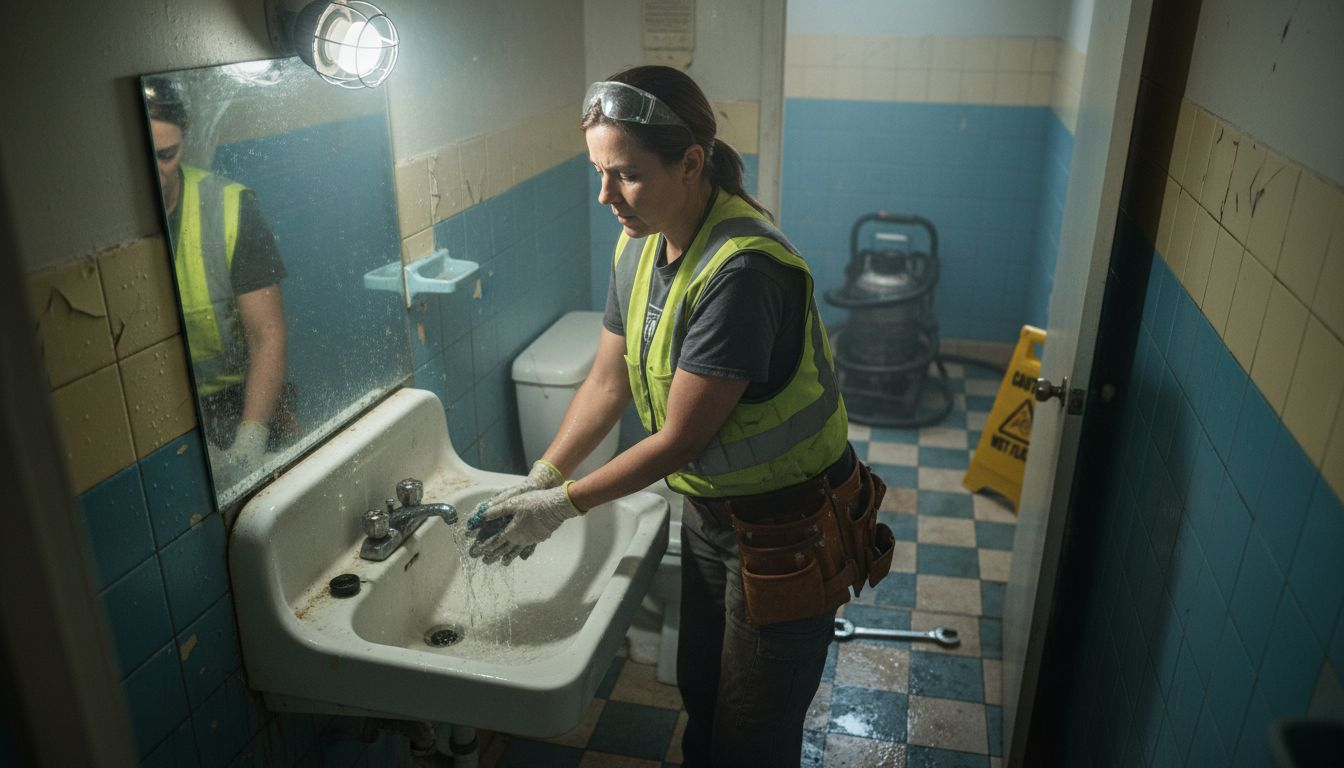
This comprehensive approach solves your immediate problem and prevents recurring clogs.
Pro tip: Request a camera inspection after snaking if you’ve had repeated clogs in the same spot—professional diagnosis identifies root causes and prevents expensive repeat service calls.
Risks, Costs, and DIY Mistakes to Avoid
DIY drain snaking seems affordable until something goes wrong. A single mistake can transform a $200 rental into a $3,000 pipe replacement. Pittsburgh homeowners often underestimate the risks involved in attempting this work themselves.
The Most Common DIY Mistakes
Common mistakes include using incorrect snake types, applying excessive force, and neglecting safety gear, leading to pipe damage or injury. Most DIYers don’t realize they’re making mistakes until pipes fail or clogs return within days.
These errors happen repeatedly:
- Using a hand auger on a main sewer line
- Forcing the cable through bends instead of guiding it
- Choosing a closet auger for a kitchen sink
- Ignoring safety warnings on rental equipment
- Skipping camera inspection before snaking
Each mistake carries different consequences. Wrong tool selection wastes time and money. Excessive force creates punctures or cracks in pipes. Ignoring safety protocols risks serious injury.
Pipe Damage from Improper Snaking
Cast iron and clay pipes, common in Pittsburgh’s older homes, are particularly vulnerable. These brittle materials crack easily under pressure. Modern PVC pipes can split if the cable catches them wrong. Once damaged, pipes leak inside your walls for months before you notice the problem.
You might not see water damage until it’s extensive. By then, repair costs skyrocket from pipe replacement to foundation work.
Hidden Costs of DIY Failures
Renting equipment costs $50 to $100. When your attempt fails and you call a professional anyway, you’ve added that to their bill. If your snaking damaged pipes, professionals charge $300 to $500 per linear foot for replacement, depending on location and pipe type.
Emergency service calls cost more than standard appointments. Water damage repairs add thousands more.
A $75 equipment rental mistake can become a $5,000 repair job when pipes get damaged.
When Professional Help Costs Less
AG Heating, Cooling & Plumbing’s professional snaking service typically costs $150 to $300 for accessible clogs. That includes assessment, proper equipment selection, safe execution, and system flushing. One service visit solves the problem completely.
Compare that to renting equipment, attempting the work, discovering it failed, paying for emergency repairs, and dealing with pipe damage. Professional pricing looks reasonable when you factor in guaranteed results and zero damage risk.
Knowing When to Stop
If your initial snaking attempt doesn’t clear the clog within 30 minutes, stop immediately. Continuing risks damage. Repeated clog returns suggest the real problem isn’t something snaking can solve—tree roots, pipe deterioration, or structural issues require different approaches.
Pro tip: If you’ve already rented equipment and your first snaking attempt failed, call a professional before trying again—the cost of a professional visit is cheaper than emergency repairs from pipe damage.
Drain Snaking Versus Hydro Jetting Alternatives
Drain snaking isn’t the only solution for clogs. Hydro jetting offers a completely different approach that works better in certain situations. Understanding when to use each method saves you money and prevents repeat problems.
How the Two Methods Differ
Drain snaking directly removes or breaks clogs using a rotating metal cable. It targets the blockage itself, pushing through or extracting the obstruction. Hydro jetting blasts your entire pipe with high-pressure water, cleaning walls thoroughly and removing buildup everywhere.
Think of snaking as surgery—precise and targeted. Hydro jetting is more like a deep cleaning that affects the whole system.
When Snaking Works Best
Snaking is often the first response due to lower cost and ease, making it ideal for straightforward clogs. Use snaking for:
- Hair clogs in bathroom drains
- Single food blockages in kitchen sinks
- Localized debris buildup
- Quick fixes for accessible drain problems
- Budget-conscious homeowners with simple clogs
Snaking typically costs $150 to $300 and solves the immediate problem fast. You get water flowing again within hours.
When Hydro Jetting Makes Sense
Hydro jetting excels at comprehensive cleaning for persistent or heavy-duty situations. Consider hydro jetting when:
- Clogs return repeatedly in the same location
- Grease buildup coats your entire drain system
- Your pipes need cleaning beyond just the clog site
- Tree roots partially penetrate your pipes
- You’re dealing with stubborn mineral deposits
- Commercial kitchens require deep pipe cleaning
How hydro jetting improves water flow by removing accumulated residue that snaking can’t reach. It prevents clogs from returning as quickly.
Cost Comparison
Snaking costs less upfront—typically $150 to $300. Hydro jetting runs $400 to $800 depending on your system’s complexity. However, if snaking fails and you need hydro jetting anyway, you’ve spent money twice.
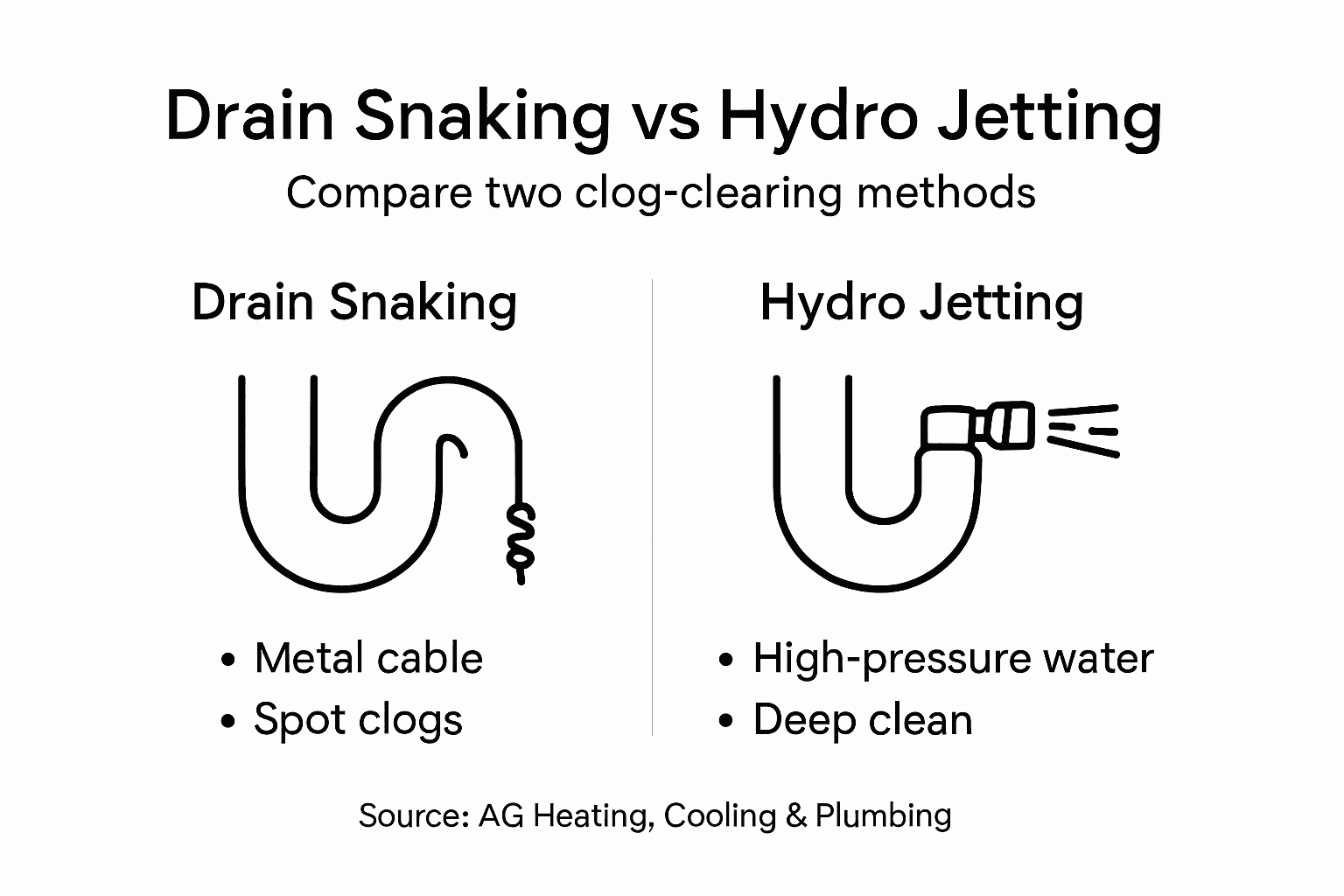
Compare drain snaking and hydro jetting to see which method fits your situation:
| Aspect | Drain Snaking | Hydro Jetting |
|---|---|---|
| Cost Range | $150-$300 | $400-$800 |
| Primary Action | Breaks/removes clog | Cleans pipe walls |
| Best Application | Simple blockages | Persistent, heavy buildup |
| Risk Level | Minimal if professional | Higher water pressure risk |
| Result | Restores flow locally | Cleans entire pipe |
Recurring clogs mean the first service didn’t solve the real problem. Investing in hydro jetting initially saves money on repeat service calls.
Hydro jetting costs more initially but prevents recurring clogs by cleaning your entire pipe system, not just breaking through blockages.
Making the Right Choice
Professional assessment determines which method solves your problem. A simple first-time clog usually needs snaking. If you’ve had the same clog twice in six months, hydro jetting prevents future problems.
AG Heating, Cooling & Plumbing’s team inspects your drains and recommends the most cost-effective solution for your specific situation. Sometimes that’s snaking. Sometimes comprehensive hydro jetting saves you money long-term.
Pro tip: If a clog returns within three months of professional snaking, ask about hydro jetting to address the root cause instead of treating symptoms repeatedly.
Clear Your Pittsburgh Drains with Expert Drain Snaking Solutions
If you are tired of recurring drain clogs and confused about whether to tackle the problem yourself or call a professional, it is time to trust experienced hands. This article explained how proper drain snaking can safely and effectively restore your water flow without damaging your pipes. Avoid costly mistakes with DIY attempts that can cause pipe cracks or incomplete clearing.
AG Heating, Cooling & Plumbing brings 30 years of trusted plumbing expertise to Pittsburgh homeowners dealing with stubborn clogs. From selecting the right auger to performing a thorough inspection before snaking, our team uses the latest techniques and equipment to clear your drains fast with lasting results. Learn more about our reliable services on our Plumbing Archives – AG-Plumbing page and see why we are Pittsburgh’s go-to plumbing professionals by visiting https://ag-plumbing.com. Don’t wait for that clog to cause damage or disruption—contact us now and get your drains flowing smoothly again.
Frequently Asked Questions
What is drain snaking and how does it work?
Drain snaking, or drain augering, is a method used by plumbers to break up or remove clogs in pipes. It involves using a flexible metal tool that rotates through the pipes to physically dislodge blockages caused by hair, grease, and other debris.
Are there any risks associated with DIY drain snaking?
Yes, DIY drain snaking can lead to damaging pipes if incorrect techniques or tools are used. Common mistakes include applying excessive force, using the wrong type of auger, and neglecting safety measures, which can result in costly repairs.
How do I know when to call a professional for drain snaking?
If your clog persists after 30 minutes of attempting to snake it yourself, or if you’ve experienced repeated clogs in the same location, it’s best to call a professional. This ensures the problem is addressed correctly to avoid further damage.
What is the difference between drain snaking and hydro jetting?
Drain snaking is used to remove specific clogs by breaking them up, while hydro jetting involves using high-pressure water to clean the entire pipe system, removing buildup throughout. Hydro jetting is typically more effective for severe or recurring clogs.
Recommended
- Blog – AG-Plumbing
- Drain Cleaning Services With Hydro Jetting in Pittsburgh, PA
- Signs Your Drains Need Professional Cleaning Services – AG-Plumbing
- Why Drain Cleaning Is Essential for Preventing Blockages – AG-Plumbing
