
TL;DR:
- Lead in drinking water cannot be detected by taste, smell, or sight, making testing essential. Pittsburgh’s older homes and aging infrastructure increase residents’ risk, especially since private plumbing components often contain lead. Regular testing and prompt removal of lead sources are crucial for safeguarding health, particularly for children and pregnant women.
Your water looks clear. It tastes fine. That’s exactly why understanding the need to test for lead pipes is so easy to put off. Lead in drinking water is undetectable by taste, smell, or sight, which means your senses give you zero warning. Pittsburgh’s older housing stock puts a significant portion of the city’s homeowners and renters at real risk, and the only way to know whether lead is reaching your tap is to test. This guide walks you through why it matters, what to look for, and exactly what to do next.
Table of Contents
- Key Takeaways
- Why test for lead pipes in Pittsburgh homes
- Why utility treatment isn’t your safety net
- How to check for lead pipes and test your water
- What to do if your test comes back positive
- My take on testing after 30 years in Pittsburgh plumbing
- Get expert help with lead pipe testing in Pittsburgh
- FAQ
Key Takeaways
| Point | Details |
|---|---|
| Lead is invisible in water | You cannot detect lead by taste, smell, or appearance, so testing is the only reliable method. |
| Pittsburgh has localized risk | Older homes and aging infrastructure in the city raise lead contamination risk significantly. |
| Utility treatment is not enough | Corrosion control reduces but does not eliminate lead from your household plumbing. |
| Testing is affordable | Certified lab water tests typically cost between $20 and $100, making testing accessible for most households. |
| Renters need to test too | Apartment dwellers face lead risk from private plumbing fixtures and should request testing from landlords. |
Why test for lead pipes in Pittsburgh homes
Lead doesn’t travel into your water all at once. It leaches slowly through corrosion, a process that happens when water sits in contact with lead pipes, lead solder, or brass fixtures. Most homes built before 1986 used lead solder to join copper pipes, and many older Pittsburgh properties still have original lead service lines connecting the street main to the home. These are the two most common sources of lead in residential water.
There’s another layer most people don’t think about: galvanized steel pipes. Even if a lead service line has already been removed from your property, galvanized pipes can trap lead on their interior surfaces over time. That trapped lead continues to release into your water long after the original lead pipe is gone. Understanding your pipe materials matters as much as knowing your neighborhood’s service line history.
Allegheny County data links elevated blood lead levels in children directly to older homes and water contamination. Pittsburgh’s housing stock skews older, with many homes in neighborhoods like Lawrenceville, Polish Hill, and the South Side built well before lead was phased out of plumbing materials. That’s a concentrated risk in a city where the charm of century-old architecture comes with a real infrastructure trade-off.
Here are the primary lead sources to know about in your plumbing system:
- Lead service lines connecting the street main to your home’s foundation
- Lead solder used in joints throughout pre-1986 copper piping systems
- Brass faucets and fixtures that may contain up to 8% lead, even those sold as “low-lead”
- Galvanized pipes that have been in contact with lead materials over time
Pro Tip: If you don’t know when your home was built, check the property records through the Allegheny County Real Estate portal. Homes built before 1986 carry a higher probability of lead-containing plumbing components.
Why utility treatment isn’t your safety net
Pittsburgh Water and Sewer Authority (PWSA) uses orthophosphate, a corrosion inhibitor, to coat pipe walls and reduce leaching. It works reasonably well on the public side of the system. But even with orthophosphate treatment, lead risk persists in private plumbing until all lead materials are replaced. The coating doesn’t reach every fitting, fixture, or foot of private pipe inside your home.
PWSA’s replacement program is real progress. Pittsburgh Water secured $31.5 million in PENNVEST funding to replace lead service lines, with work continuing through 2027. That program prioritizes neighborhoods with young children and other high-risk factors. But phased replacement means your street may not be scheduled yet, and the public line replacement doesn’t touch the private plumbing inside your home.
“Utilities can deliver lead-free water from the treatment plant, but once water enters your home’s plumbing, the risk becomes entirely yours to manage.” This is a point that cities like Minneapolis have reinforced repeatedly in their own public health messaging.
Renters carry a particular burden here. When you don’t own the building, you may not know what the pipes are made of, and your landlord may not either. Requesting a water test from your landlord is your right, and Pittsburgh’s housing code supports it. If you’re renting a pre-1986 building, testing the kitchen and bathroom taps yourself is the most direct way to get answers. The role of plumbing in health outcomes for your household is more direct than most people realize until a test result makes it undeniable.
How to check for lead pipes and test your water
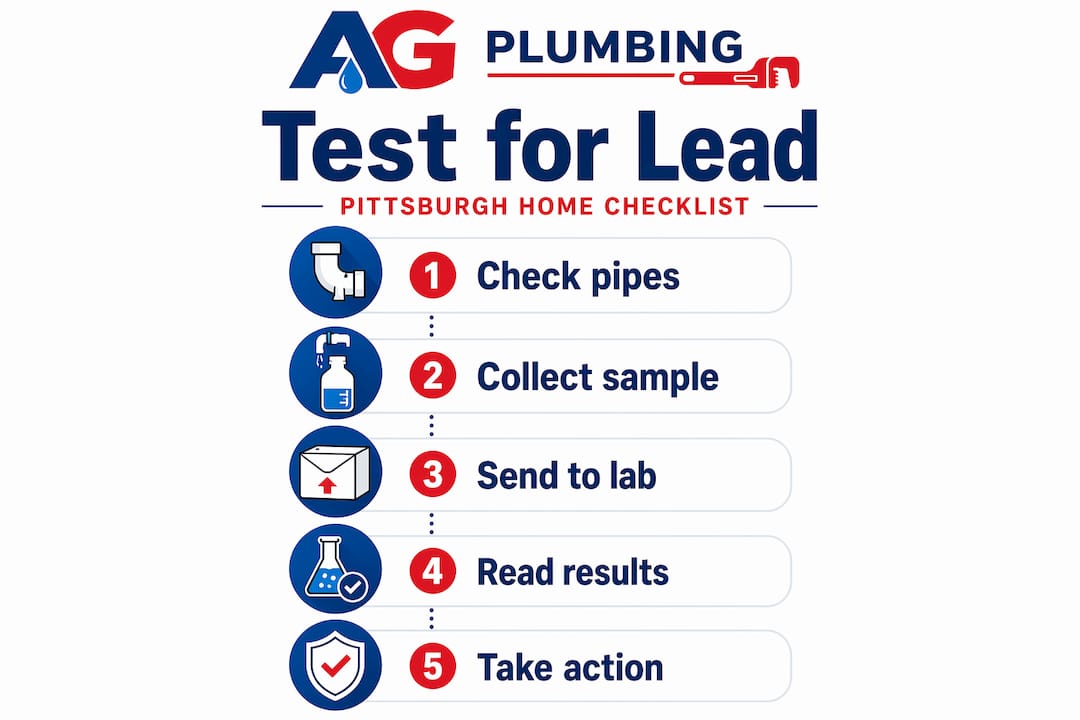
Start with a visual inspection before you spend a dollar on testing. Lead pipes have a few distinctive characteristics that separate them from copper, galvanized steel, or plastic.
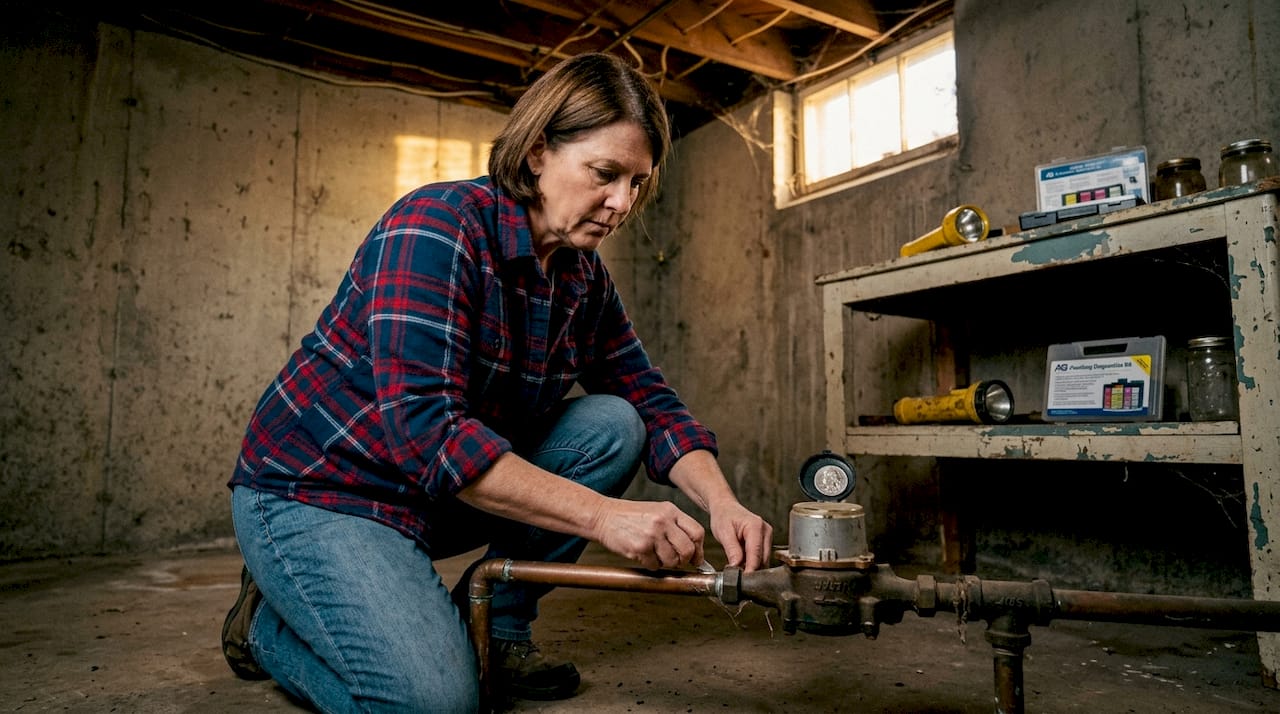
- Find your service line. It enters your home near the water meter, usually in the basement or utility area.
- Scratch the pipe lightly with a key or coin. Lead will scratch to reveal a shiny silver color. Copper will show an orange-red tone. Galvanized steel will show a dull gray and won’t scratch easily.
- Check for softness. Lead pipes bend under moderate pressure and feel softer than copper or steel.
- Look at the joints. Bulging or swollen joints on older copper pipes often indicate lead solder was used.
- Test the water itself. Visual inspection tells you what materials are present, not how much lead is in your water.
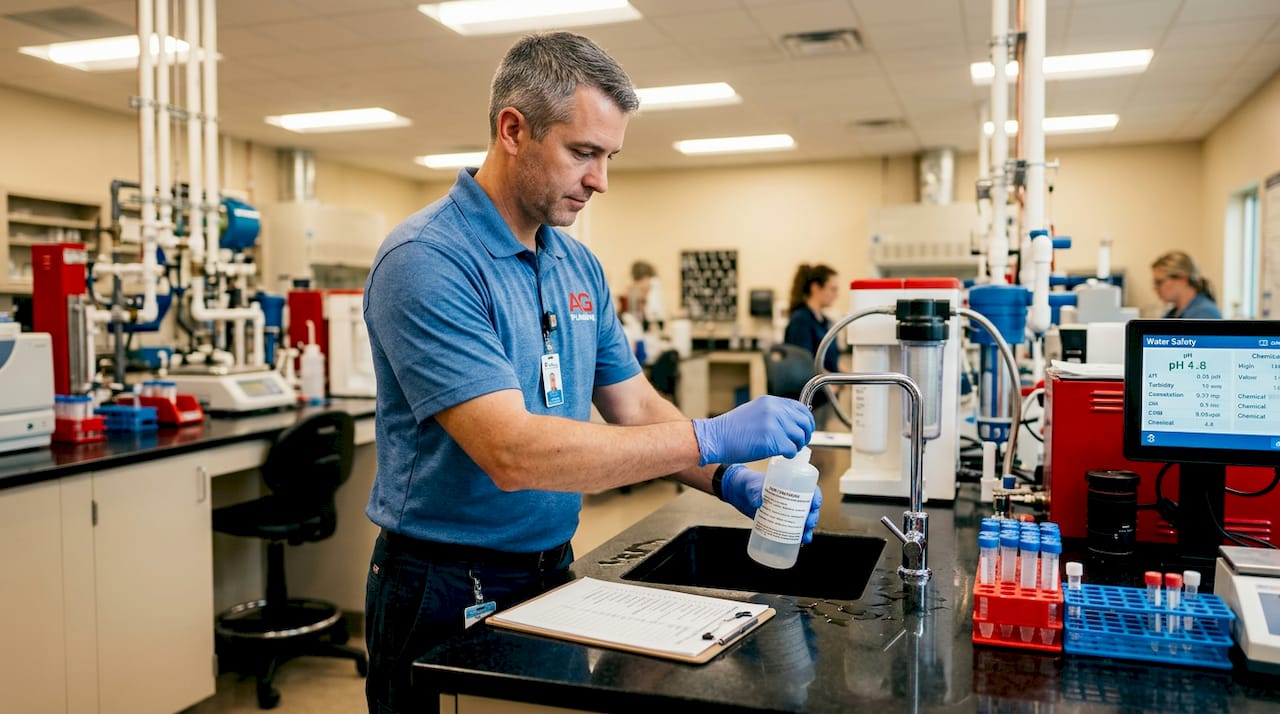
For water testing, use a state-certified laboratory. Testing typically costs between $20 and $100 depending on the lab and test type. PWSA offers free testing kits for Pittsburgh residents, which is worth checking before you pay out of pocket.
Sampling technique is where most people go wrong. To get an accurate reading, your water needs to have sat stagnant for at least six hours before you collect the sample. First-draw sampling after stagnation captures the worst-case exposure scenario, which is exactly what you want to measure. Many homeowners flush the tap first, thinking that produces a clean sample. It actually flushes out the most contaminated water and gives you a falsely low result.
Pro Tip: Collect your first-draw sample first thing in the morning before anyone uses water. This is the most accurate representation of what your family drinks throughout the day.
What to do if your test comes back positive
A positive result doesn’t require immediate panic, but it does require immediate action. There are steps you can take today to reduce exposure while working toward a permanent fix through pipe replacement.
Here are the most effective short-term measures:
- Use a certified filter. Look for NSF/ANSI Standard 53 certification, which confirms a filter removes lead. Pitcher filters, faucet filters, and under-sink reverse osmosis systems are all options at different price points.
- Flush the tap before drinking. Running cold water for 2 to 3 minutes clears water that has been sitting in lead pipes. Use the flushed water for plants or cleaning rather than wasting it.
- Never use hot tap water for cooking or drinking. Hot water leaches lead from pipes faster than cold water.
- Contact PWSA. Report your positive test result. This may qualify your property for accelerated service line replacement, especially if children under six or pregnant women live in the home.
| Action | Timeline | Cost range |
|---|---|---|
| NSF/ANSI 53 certified filter | Immediate | $30 to $300 |
| Free lead test kit from PWSA | 1 to 2 weeks | Free |
| Professional pipe inspection | 1 to 3 days | $100 to $300 |
| Full service line replacement | Weeks to months | Varies by program |
Children under six and pregnant women face the highest health risk from lead exposure. If either group lives in your home, treating a positive test result as urgent is the right call, not an overreaction.
My take on testing after 30 years in Pittsburgh plumbing
I’ve worked in Pittsburgh homes long enough to recognize a pattern: people assume that because the city is doing something about lead pipes, their own water must be getting safer. That assumption gets families into trouble.
What I see constantly is homeowners who had their street-side service line replaced and stopped thinking about lead entirely. They don’t realize their private-side plumbing, the section from the property line to the faucet, still contains lead components that no public program touches. I’ve also seen renters who spent years in apartments where nobody ever tested the water, simply because the landlord never brought it up.
The other mistake I see repeatedly is improper sampling. Someone runs the tap for a few seconds, fills a bottle, and gets a clean result. They feel relieved. That result means almost nothing. Proper first-draw sampling is the only way to get a reading that reflects your actual daily exposure.
My honest opinion: testing is the single most empowering step you can take right now. It costs less than a dinner out, takes five minutes to set up, and gives you real information about what your family is drinking. The city’s infrastructure work is meaningful, but it operates on a city-wide schedule. Your family’s health operates on a different timeline.
— Maayan
Get expert help with lead pipe testing in Pittsburgh
Ag-plumbing has served Pittsburgh homeowners and renters for 30 years, and lead pipe assessment is one of the most requested services we see. If your visual inspection raised questions, or your water test came back with elevated lead levels, our team can confirm what materials are in your plumbing, identify the most likely contamination points, and walk you through plumbing repair options from filter installation to full pipe replacement. We work alongside PWSA’s replacement program and can coordinate private-side remediation on your timeline. Contact Ag-plumbing to schedule a lead pipe inspection and take the guesswork out of your water safety.
FAQ
Why can’t I just look at my water to check for lead?
Lead in drinking water is completely colorless, odorless, and tasteless, so visual inspection of the water itself tells you nothing. Testing through a certified lab is the only way to measure actual lead levels.
How much does lead pipe testing cost in Pittsburgh?
Water tests through a certified laboratory typically run between $20 and $100. PWSA also offers free testing kits to Pittsburgh residents, so check with them before paying out of pocket.
Does the Pittsburgh Water replacement program mean my home is safe?
Not necessarily. The replacement program covers public service lines on a phased schedule through 2027, but does not address private plumbing inside your home. Lead solder, brass fixtures, and galvanized pipes on your property remain your responsibility.
How do I know if my pipes are made of lead?
Scratch the pipe near your water meter with a coin or key. Lead pipes show a shiny silver scratch mark, feel soft, and may have a slightly swollen appearance at joints. Copper pipes scratch to an orange-red color, and galvanized steel resists scratching and shows a dull gray tone.
What should renters do if they’re concerned about lead in their apartment?
Renters can request water testing directly from their landlord and should feel empowered to do so in any pre-1986 building. If the landlord doesn’t act, purchasing a home test kit and sending a sample to a certified lab is a practical and affordable alternative.
Recommended
- Choosing the best plumbing pipes for your Pittsburgh home – AG-Plumbing
- Step-by-step pipe replacement guide for Pittsburgh homeowners – AG-Plumbing
- How to Choose Plumbing Materials for Pittsburgh Homes – AG-Plumbing
- Main Water Line Replacement Guide for Pittsburgh Homeowners – AG-Plumbing
