
TL;DR:
- Gurgling drains indicate pressure imbalances in the plumbing system, signaling potential blockages or vent issues.
- Diagnosing whether gurgling affects one or multiple fixtures helps determine if the problem is local or in the main line.
- Early professional inspection and maintenance can prevent costly repairs and ensure proper venting and pipe function.
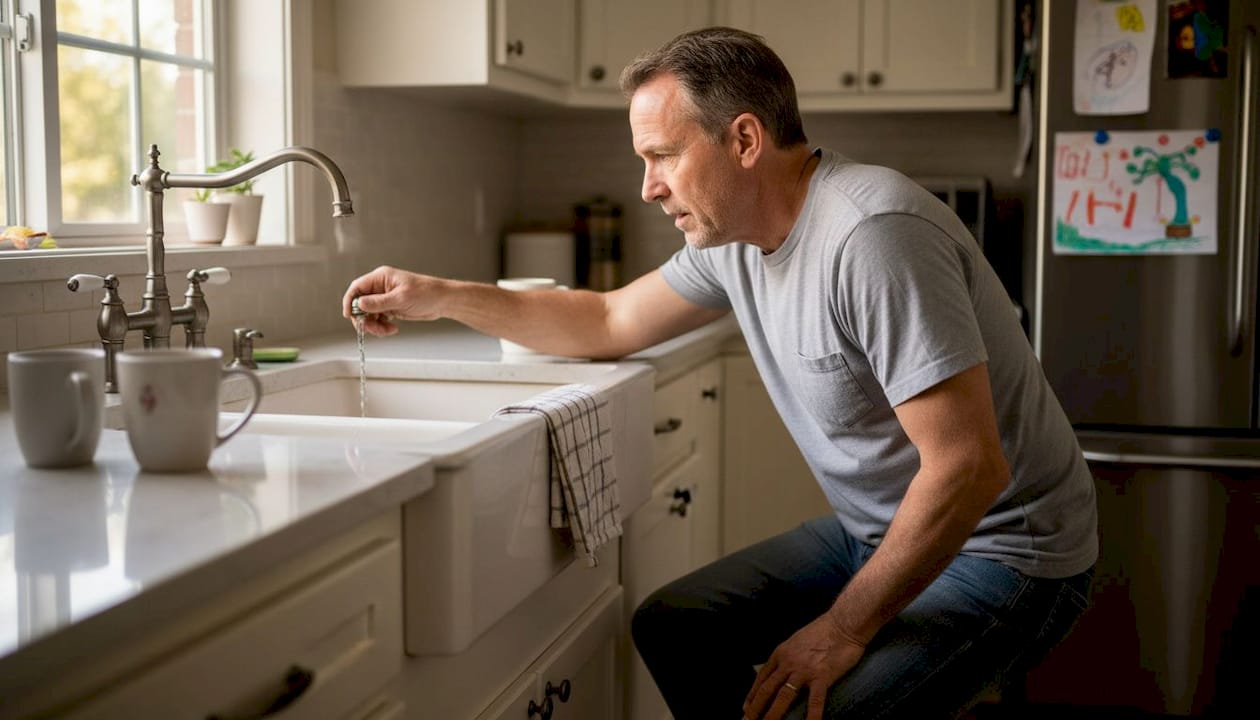
That gurgling sound coming from your sink or shower drain isn’t something to brush off. Most Pittsburgh homeowners assume it’s just air in the pipes, a quirk of an older home, or something that will fix itself. It won’t. Gurgling drains are one of the earliest and most reliable signals that something is off in your plumbing system, and catching it early can mean the difference between a quick fix and a costly repair. This guide walks you through exactly what causes that sound, how to figure out where the problem is coming from, and what to do about it before it gets worse.
Table of Contents
- What causes gurgling in drains?
- How to diagnose gurgling drain problems
- Solutions for gurgling drains: DIY and professional options
- Preventing gurgling drains in Pittsburgh homes
- What most homeowners miss: Gurgling drains as early warning signs
- Professional help for persistent gurgling: Pittsburgh’s plumbing experts
- Frequently asked questions
Key Takeaways
| Point | Details |
|---|---|
| Gurgling is a warning | Gurgling drains often indicate hidden pressure or blockage problems that need prompt attention. |
| Diagnose before you fix | Testing fixtures separately helps pinpoint if gurgling is a local or main line issue. |
| DIY and pro solutions | Simple plunging may resolve local clogs, but main line problems require professional tools and expertise. |
| Routine maintenance matters | Regular inspections and cleaning avoid gurgling and prevent expensive repairs. |
| Professional help available | Pittsburgh plumbing experts can quickly address persistent gurgling and keep your home safe. |
What causes gurgling in drains?
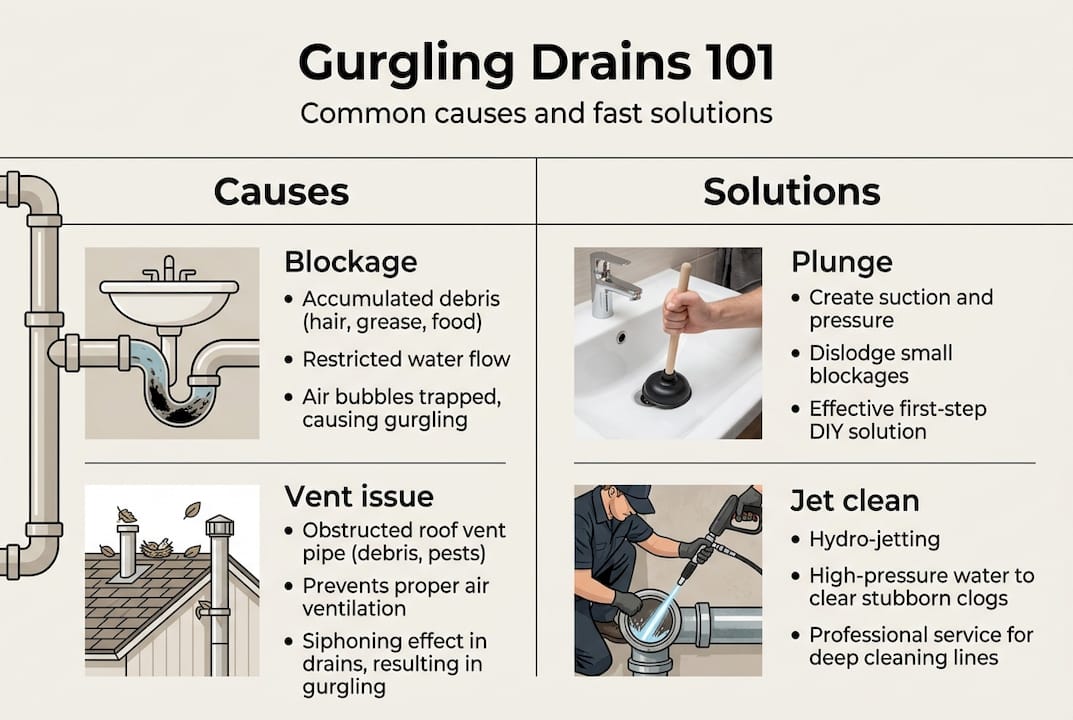
That bubbling, gurgling sound has a specific physical explanation. Gurgling drains occur when air is forced through the water in a fixture’s P-trap due to pressure imbalances in the drain-waste-vent (DWV) system. The P-trap is the curved pipe section under your sink or behind your toilet that holds a small amount of water to block sewer gases from entering your home. When pressure in the drain system shifts, air gets pushed or pulled through that water seal, creating the gurgling noise you hear.
There are two main types of pressure problems that cause this:
- Negative pressure (siphoning): This happens when a blocked or undersized vent pipe can’t supply enough air to the draining water. The draining water pulls air through the P-trap instead, breaking the water seal.
- Positive pressure (blowback): A clog downstream forces air back up through the system, pushing bubbles through the P-trap water from the other direction.
Understanding which type you’re dealing with matters. As experienced plumbers in Pittsburgh will tell you:
“Negative pressure typically points to a local vent issue, while positive pressure usually signals a clog further downstream in the main line.”
Real-world examples make this easier to spot. Your kitchen sink might gurgle right after the dishwasher drains because both share the same drain line. Your shower might gurgle when you flush the toilet because they’re connected to the same vent stack. Basement floor drains are especially prone to gurgling because they’re at the lowest point of the system and feel pressure changes from every fixture above them.
Knowing the common plumbing issues that trigger these pressure swings helps you act faster. Recognizing the drain cleaning signs early gives you a head start before a minor annoyance becomes a plumbing emergency.
How to diagnose gurgling drain problems
Now that causes are clear, the next step is diagnosing where the problem originates. A systematic approach saves you time and money by targeting the right fix instead of guessing.
Step-by-step diagnosis:
- Run one fixture at a time. Turn on the kitchen sink alone and listen. Then try the bathroom sink. Then flush the toilet. Isolating each fixture tells you whether the gurgling is tied to one specific drain or shows up across multiple fixtures.
- Check for odors. A sulfur or sewage smell alongside gurgling is a strong indicator of a main line issue or a broken P-trap seal.
- Watch for slow draining or backups. If water pools before draining, or backs up into another fixture when you run water elsewhere, the problem is likely downstream.
- Note when it happens. Gurgling only after heavy rain in Pittsburgh can point to a saturated drain field or a main line overwhelmed by groundwater infiltration.
- Inspect your vent stack if accessible. Leaves, bird nests, and debris commonly block roof vents, especially after Pittsburgh’s fall and winter seasons.
The diagnostic guidance is straightforward: a single fixture gurgling intermittently usually means a local clog or vent issue, while multiple fixtures gurgling together, especially with odors or backups, points to the main line.
Local vs. main line: quick comparison
| Symptom | Local issue | Main line issue |
|---|---|---|
| Fixtures affected | One | Multiple |
| Odors present | Rarely | Often |
| Backups occurring | No | Yes |
| Timing | Random | After heavy use |
| Urgency | Moderate | High |
The International Plumbing Code (IPC) requires trap seals to be at least 2 inches deep. If your P-trap has dried out or been siphoned empty, sewer gases and gurgling follow quickly. Scheduling plumbing repair services early prevents that from escalating. If you want to try clearing a local clog yourself first, our plumbing snake guide walks you through the process safely.
Pro Tip: Main line issues often affect multiple fixtures simultaneously. Don’t ignore persistent odors or backups alongside gurgling. Those two symptoms together almost always mean it’s time to call a professional.
Solutions for gurgling drains: DIY and professional options
With diagnosis in hand, let’s look at practical ways to resolve gurgling drains for good. The right solution depends on whether you’re dealing with a local fixture problem or something deeper in the system.
DIY options worth trying first:
- Plunging: Works well for local sink or toilet clogs causing positive pressure gurgling. Use a cup plunger for sinks and a flange plunger for toilets.
- Drain snaking: A hand snake or electric auger can break up clogs 10 to 25 feet into the drain line. This is a solid first step before calling a plumber.
- Vent cleaning: If you can safely access your roof, clearing debris from the vent stack opening can restore proper airflow and stop siphoning-related gurgling fast.
- Running water in unused drains: Floor drains and guest bathroom fixtures can dry out their P-traps. Pouring a quart of water into them refills the seal and stops gurgling immediately.
When to call a professional:
Professional hydro jetting drain cleaning uses high-pressure water to blast through grease, scale, and debris that a snake can’t fully clear. Camera inspection lets a plumber see exactly what’s inside your pipes without guesswork. These tools are essential for main line blockages or recurring clogs.
For Pittsburgh homes on septic systems, proper septic maintenance means pumping the tank every 3 to 5 years. A full or failing septic tank creates backpressure throughout the system, which shows up as gurgling in every fixture in the house.
Solution comparison table:
| Solution | Best for | DIY or pro | Relative cost |
|---|---|---|---|
| Plunging | Local clogs | DIY | Very low |
| Drain snaking | Moderate clogs | DIY or pro | Low |
| Vent cleaning | Blocked vent stacks | DIY (if safe) | Low |
| Hydro jetting | Main line buildup | Pro | Moderate |
| Camera inspection | Unknown blockages | Pro | Moderate |
| Septic pumping | Full septic tanks | Pro | Moderate |
The hydro jetting benefits go beyond just clearing a clog. It restores full pipe diameter and flow capacity, which means fewer recurring problems down the road.
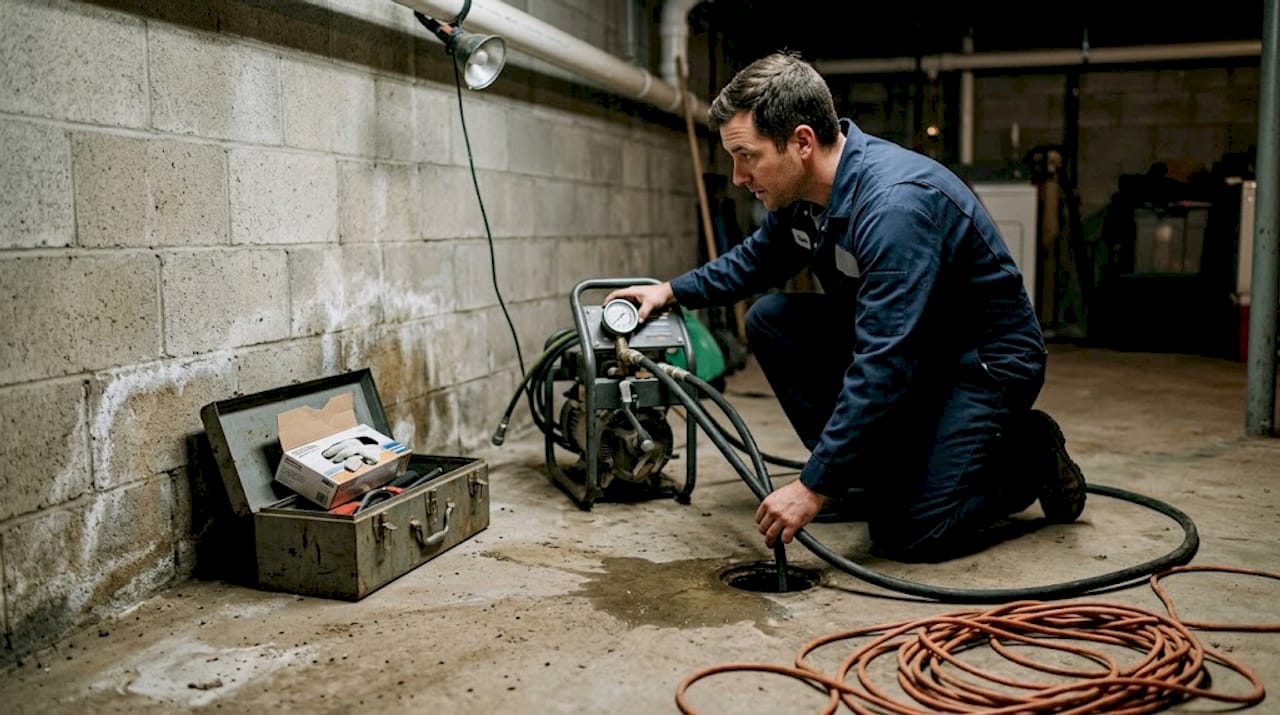
Pro Tip: Trying to clear a main line clog yourself with a consumer-grade snake can push the blockage deeper or damage older pipes. If more than one fixture is gurgling, skip the DIY and call a pro.
Preventing gurgling drains in Pittsburgh homes
After solving gurgling drain issues, prevention is key to keeping your Pittsburgh home problem-free. The good news is that most gurgling problems are preventable with simple, consistent habits.
Practical prevention habits:
- Clean drains regularly. Don’t wait for slow draining or gurgling to start. Monthly hot water flushes and quarterly enzyme treatments keep buildup from accumulating.
- Watch what goes down the drain. Grease, coffee grounds, and fibrous foods are the top causes of kitchen drain clogs in Pittsburgh homes. Keep them out of the sink entirely.
- Inspect trap seals seasonally. The IPC requires trap seals to be at least 2 inches deep. Unused fixtures, especially in basements and guest bathrooms, lose their water seal through evaporation.
- Monitor after new appliance installations. Adding a dishwasher, new shower, or washing machine changes the load on your drain lines. Gurgling that starts right after an installation usually means the drain or vent wasn’t properly sized for the new fixture.
- Schedule annual inspections. A plumber can spot early-stage buildup, minor vent blockages, and trap seal problems before they turn into emergencies.
The essential plumbing services that matter most for prevention are drain cleaning and vent inspections. Both are quick, affordable, and far cheaper than emergency repairs. Staying current on our plumbing tips blog also keeps you ahead of seasonal issues specific to Pittsburgh’s climate, like frozen vents in January or root intrusion in spring.
Key stat: The IPC mandates that vent pressure stay near atmospheric and trap seals remain at least 2 inches deep. Homes that fall out of compliance with these IPC plumbing code standards are far more likely to experience recurring gurgling, sewer gas odors, and drain backups.
What most homeowners miss: Gurgling drains as early warning signs
Here’s something we’ve seen consistently over 30 years of plumbing work in Pittsburgh: most homeowners don’t call us when they first hear gurgling. They call us when water is backing up into the basement or the smell has become unbearable. By that point, what could have been a $150 drain cleaning has turned into a $1,500 main line repair.
Gurgling is your plumbing system communicating with you. It’s not random. It’s not harmless. It’s a pressure imbalance that’s already in progress, and it will get worse before it gets better on its own.
The conventional wisdom is to wait for a visible problem before spending money on plumbing. We’d push back on that. A gurgling drain you can hear today is a backup you’ll be cleaning up next month if you ignore it. Early plumbing repair advice and action consistently costs less, causes less disruption, and protects your home’s value far better than reactive emergency calls ever will.
Trust the sound. It’s telling you something real.
Professional help for persistent gurgling: Pittsburgh’s plumbing experts
If you’ve tried the DIY steps and the gurgling keeps coming back, or if you’re hearing it from multiple fixtures at once, it’s time to bring in a professional.
AG Heating, Cooling & Plumbing has served Pittsburgh homeowners for 30 years with drain cleaning, sewer repair, and main line diagnostics. Understanding why drain cleaning matters is the first step. Taking action with our drain cleaning service is the next. For more serious issues involving the main sewer line, our sewer repair services get your system back to full function fast. Don’t wait for a backup to make the call.
Frequently asked questions
Is a gurgling drain dangerous or just annoying?
Gurgling drains signal real pressure issues or blockages that can lead to sewage backups and water damage if left alone. The P-trap pressure imbalances behind gurgling only get worse over time without intervention.
Should I use chemicals for gurgling drain problems?
Chemical drain cleaners can corrode older pipes and rarely address the root cause of gurgling, which is usually a vent or main line issue. Mechanical solutions like snaking and hydro jetting are safer and far more effective.
How often should I have my drains and septic inspected?
Annual drain inspections are a smart baseline, and septic tanks need pumping every 3 to 5 years to prevent backpressure and system failure.
Can gurgling signal a main line sewer issue?
Yes. Gurgling that affects multiple fixtures or comes with odors almost always points to a main line blockage or a venting failure that needs professional attention.
Are Pittsburgh plumbing codes relevant to preventing gurgling drains?
Absolutely. The IPC requires vent pressure near atmospheric and trap seals at least 2 inches deep, both of which directly prevent the pressure imbalances that cause gurgling.
Recommended
- Signs Your Drains Need Professional Cleaning Services – AG-Plumbing
- Why Drain Cleaning Is Essential for Preventing Blockages – AG-Plumbing
- Heating, Cooling & Plumbing Services Pittsburgh, PA
- Drain Cleaning Benefits 2026: Cut Emergencies by 3X – AG-Plumbing
