

TL;DR:
- Identifying sound types and timing is crucial for accurate plumbing noise diagnosis.
- Proper tools, like pressure gauges and recorders, aid in efficient troubleshooting.
- Persistent or complex noises often require professional plumber intervention.
It’s 11 PM and a loud bang echoes through your walls the moment you turn off the kitchen faucet. Or maybe a persistent hissing sound has been following you from room to room for days. Unexplained plumbing noises are one of the most common complaints we hear from Pittsburgh homeowners, and they rarely fix themselves. The good news is that most noises follow predictable patterns, and with the right approach, you can identify the source quickly. This guide walks you through every step, from recognizing the type of sound to applying a targeted fix, so you can stop guessing and start solving.
Table of Contents
- Identify types of plumbing noises
- Tools and preparation for diagnosis
- Step-by-step diagnosis process
- Troubleshooting and resolving common noises
- A plumber’s perspective: What most guides miss about plumbing noise
- Need expert help? Plumbing services in Pittsburgh
- Frequently asked questions
Key Takeaways
| Point | Details |
|---|---|
| Sound type is key | Recognizing the nature of the noise helps pinpoint the plumbing issue quickly. |
| Preparation matters | Having the right tools and following safety steps ensures effective diagnosis. |
| Step-by-step solves most | Most plumbing noise problems can be resolved with careful, structured troubleshooting. |
| Call pros for complex cases | Persistent or hidden noises in Pittsburgh homes often need professional expertise. |
Identify types of plumbing noises
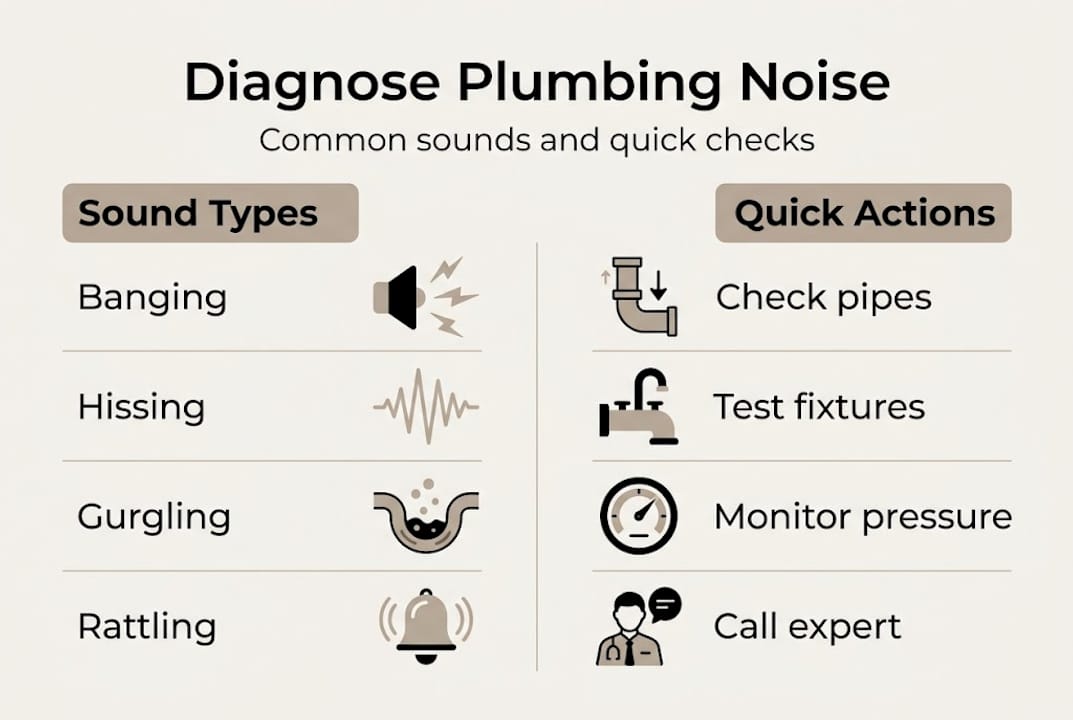
Before you grab a single tool, your ears are your best diagnostic instrument. Identifying sound types is step one to diagnosis, and each noise tells a different story about what’s happening inside your pipes. Getting familiar with understanding home plumbing systems also helps you picture where the problem might originate.
Here are the most common sounds and what they typically signal:
- Banging or thudding: Usually happens right after you shut off a faucet or appliance. Often linked to water hammer or loose pipes.
- Rattling: Pipes vibrating against walls or supports, especially during water flow. Common in older Pittsburgh homes with unsecured lines.
- Humming: A steady hum often points to high water pressure straining the system.
- Gurgling: Water struggling past a partial blockage in a drain or vent stack.
- Whistling: A worn washer or a partially closed valve restricting water flow.
- Hissing: Pressure escaping through a small leak or a faulty pressure-reducing valve.
- Dripping: A slow, rhythmic sound usually tied to a leaking faucet or a running toilet.
Timing matters just as much as the sound itself. Note whether the noise happens when water is running, right after it stops, only at night, or only from one specific fixture. That timing detail can cut your diagnosis time in half.
| Sound | Likely cause | Urgency |
|---|---|---|
| Banging | Water hammer, loose pipes | High |
| Rattling | Unsecured pipe brackets | Medium |
| Humming | High water pressure | Medium |
| Gurgling | Drain or vent blockage | Medium |
| Whistling | Worn washer, partial valve closure | Low to Medium |
| Hissing | Leak or faulty valve | High |
| Dripping | Leaking faucet or toilet | Medium |
Noises that go ignored tend to escalate. A small hiss can become a burst pipe. A gurgle can signal a sewer backup building up over weeks. Treating each sound as useful data, rather than an annoyance, puts you ahead of bigger problems.
Tools and preparation for diagnosis
Once you’ve identified the noise type, it’s time to gather your tools and prep your workspace. You don’t need a professional toolkit to start, but a few key items will make the process much more accurate and safe.
Essential tools for diagnosing plumbing noises:
- Water pressure gauge: Attaches to an outdoor spigot or laundry bib. Confirms whether pressure is within the safe range.
- Flashlight: Helps you inspect pipes in crawl spaces, under sinks, and behind appliances.
- Adjustable wrench: Useful for tightening loose fittings or removing access panels.
- Stethoscope or improvised listening tool: A long screwdriver pressed against a pipe and held near your ear works surprisingly well for isolating sound location.
- Smartphone: Record the noise using a voice memo app so you can share it with a plumber if needed.
| Tool | Purpose | Where to get it |
|---|---|---|
| Pressure gauge | Measure water pressure | Hardware store or online |
| Flashlight | Inspect dark areas | Hardware store or home |
| Adjustable wrench | Tighten or loosen fittings | Hardware store or toolbox |
| Stethoscope | Isolate pipe sound location | Medical supply or improvised |
| Smartphone | Record noise for reference | Already in your pocket |
As a key early step, check water pressure with a gauge before doing anything else. Pressure outside the 40 to 80 PSI range is a red flag that explains many common noises.
For preparation, clear the area around the pipes or fixtures you plan to inspect. If you need to access pipes near electrical panels or outlets, keep water off until you’ve confirmed the area is dry. Never work near exposed wiring with wet hands.
Pro Tip: Record the noise on your phone before you do anything else. A 30-second clip captures the sound, timing, and intensity, giving any plumber you call a huge head start on diagnosis. You can also review the clip yourself to catch patterns you might miss in the moment.
Review the plumbing troubleshooting steps specific to Pittsburgh homes before you begin, since local water pressure norms and pipe ages can affect your baseline expectations.
Step-by-step diagnosis process
Prepared and equipped, you can move through the diagnosis steps efficiently. A structured approach saves time and prevents you from chasing the wrong problem.
- Identify the noise type. Use the table from the first section to categorize what you’re hearing.
- Note the timing. Does it happen when water turns on, turns off, or continuously? Which fixture or appliance triggers it?
- Measure water pressure. Attach your gauge to an outdoor spigot. The ideal pressure range is 40 to 80 PSI. Anything above 80 PSI needs immediate attention.
- Inspect visible pipes. Look for corrosion, moisture, loose brackets, or pipes touching framing that could cause vibration.
- Test fixtures individually. Turn on one faucet, then one appliance at a time. Isolating the trigger narrows the source fast.
- Listen for patterns. Does the noise repeat at the same intensity? Does it fade? Pattern recognition is one of the fastest diagnostic shortcuts experienced plumbers use.
Water pressure above 80 PSI can stress every fitting, valve, and appliance in your home. Always measure pressure before assuming the noise is a mechanical issue.
Pro Tip: When you’re unsure which fixture is causing the problem, test one at a time and wait 60 seconds between each. Rushing through multiple fixtures at once creates overlapping sounds that are nearly impossible to sort out.
One of the most common culprits behind banging pipes is water hammer, which occurs when fast-moving water stops abruptly and sends a pressure shockwave through the pipes. You’ll usually hear it right after a washing machine cycle ends or a faucet shuts off quickly.
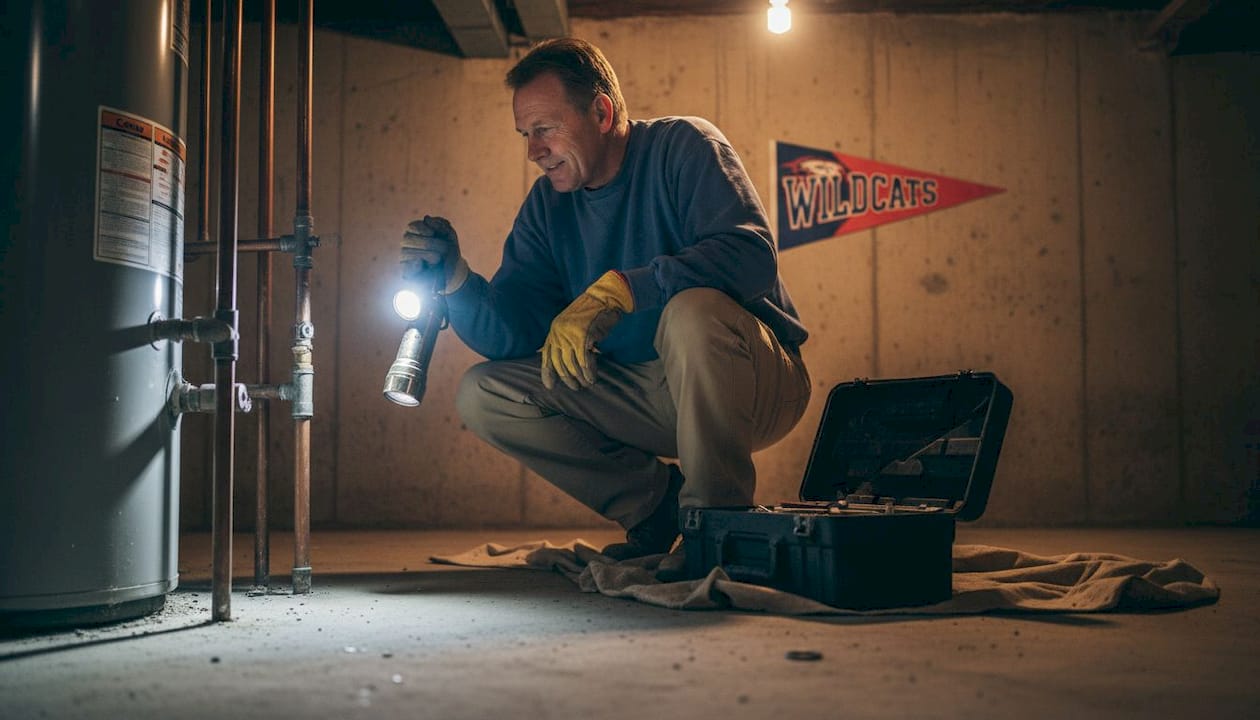
If your step-by-step process doesn’t pinpoint the issue, or if the noise seems to come from inside a wall, that’s the moment to contact plumbing repair services. Pipes buried in walls require professional equipment to locate and access safely. Knowing the common plumbing repair issues in Pittsburgh homes can also help you recognize when you’ve hit the limit of what DIY can solve.
Troubleshooting and resolving common noises
Once you’ve diagnosed the source, you’re ready to apply targeted fixes or troubleshooting methods. Here’s how to address each major noise type.
Banging (water hammer): Water hammer occurs when water stops abruptly, driven by high pressure or missing air chambers in the pipe system. Install water hammer arrestors near washing machines and dishwashers. Reducing your home’s water pressure below 80 PSI also significantly reduces the impact.
Hissing or dripping: These sounds point to leaks, faulty valves, or high pressure. Check your water meter when all fixtures are off. If the meter dial still moves, you have a leak somewhere in the system. Learning to fix dripping faucets yourself can save significant money over time.
Rattling: Tighten any loose pipe brackets or hangers you can access. Foam pipe insulation wrapped around pipes that touch wooden framing eliminates vibration noise almost instantly.
Gurgling: Clear the drain using a plunger or drain snake. If the gurgling comes from multiple drains at once, the vent stack may be blocked, which typically requires a professional.
Whistling: Replace worn washers inside faucet handles. If a shutoff valve is only partially open, opening it fully usually stops the whistle.
Pro Tip: Use a permanent marker to label any pipe or fixture that gave you trouble during diagnosis. A small note with the date and symptom saves you enormous time if the issue returns or worsens.
Signs that you should stop DIY and call a professional:
- The noise persists after you’ve completed all troubleshooting steps
- The sound comes from inside a wall or ceiling
- Multiple fixtures are affected at the same time
- You notice water stains, mold, or moisture near the noise source
- Pressure readings are extreme and adjusting the regulator doesn’t help
For ongoing prevention, the plumbing cost-saving tips for Pittsburgh homeowners are worth reviewing. Catching early warning signs before they turn into full repairs is always the smarter play.
A plumber’s perspective: What most guides miss about plumbing noise
After 30 years of diagnosing plumbing issues across Pittsburgh, the pattern we see most often is homeowners jumping straight to tools before they’ve listened carefully. Most guides focus on the fix before the diagnosis, and that’s backwards.
Timing is the fastest clue most people skip. A noise that happens only when the heat kicks on versus one that happens every time you flush tells two completely different stories. Pittsburgh’s older housing stock makes this even more important. Many homes here have pipes running through finished walls and under original hardwood floors, making sound travel unpredictably. A bang you hear in the kitchen might actually originate in the basement.
Sound type and timing are your strongest clues. Don’t skip the basics before reaching for tools.
Pattern recognition is the real shortcut that experienced plumbers use. Once you’ve heard a water hammer in 50 different homes, you recognize it instantly. Homeowners can build that same instinct by slowing down, recording sounds, and noting context before acting. The prioritizing timing and sound type approach works because it narrows the field before you spend a dime.
For noises inside walls or anything that persists after a full DIY check, please don’t wait. Knowing when plumbing repair is needed and acting on it early is always less expensive than the alternative.
Need expert help? Plumbing services in Pittsburgh
If troubleshooting doesn’t resolve your plumbing noise, professional solutions are ready to help. Our team at AG Heating, Cooling & Plumbing has spent 30 years diagnosing and fixing exactly these kinds of problems across Pittsburgh and the surrounding areas.
When the noise is inside a wall, affects multiple fixtures, or simply won’t quit after your own checks, professional plumbing repair is the right next step. We use specialized equipment to locate hidden pipe issues without unnecessary demolition. We also help homeowners spot plumbing problems before they escalate into costly repairs. Contact us to schedule a diagnosis and get your home quiet again.
Frequently asked questions
What causes banging pipes after turning off water?
Banging is most often caused by water hammer, which happens when abrupt water shutoff sends a pressure shockwave through the pipes due to high pressure or missing air chambers. Installing hammer arrestors and reducing pressure below 80 PSI typically resolves it.
Can I diagnose plumbing noises without special tools?
Yes. Start by listening carefully and noting the timing, then check visible pipes for obvious issues. A pressure gauge and smartphone add accuracy but aren’t required for an initial assessment.
When should I call a plumber for noisy pipes?
Call a plumber if noise persists after DIY checks, affects multiple fixtures at once, or originates from inside a wall or ceiling. Wall-buried or persistent noises require professional equipment to locate safely.
How do I fix hissing or dripping pipe noises?
Check for leaks or faulty shutoff valves first, then measure your water pressure. Watch your water meter when off to confirm whether water is still moving through the system when all fixtures are closed.
Do Pittsburgh’s older homes have unique plumbing noise issues?
Yes. Older Pittsburgh homes often have hidden pipes and older fixtures that make sound travel unpredictably and complicate DIY diagnosis, which is why professional expertise is especially valuable in these properties.
Recommended
- Emergency Plumbing Guide: Quick Solutions for Homeowners – AG-Plumbing
- How to Identify When Plumbing Repair Is Necessary – AG-Plumbing
- Common Plumbing Repair Issues and How to Fix Them – AG-Plumbing
- Heating, Cooling & Plumbing Services Pittsburgh, PA
