
TL;DR:
- Most plumbing clogs develop silently over weeks or months before causing noticeable problems. Preventive habits like using strainers, avoiding grease disposal, and regular professional cleaning can significantly reduce emergency repairs. Only flush toilet paper and human waste to maintain healthy, free-flowing plumbing systems.
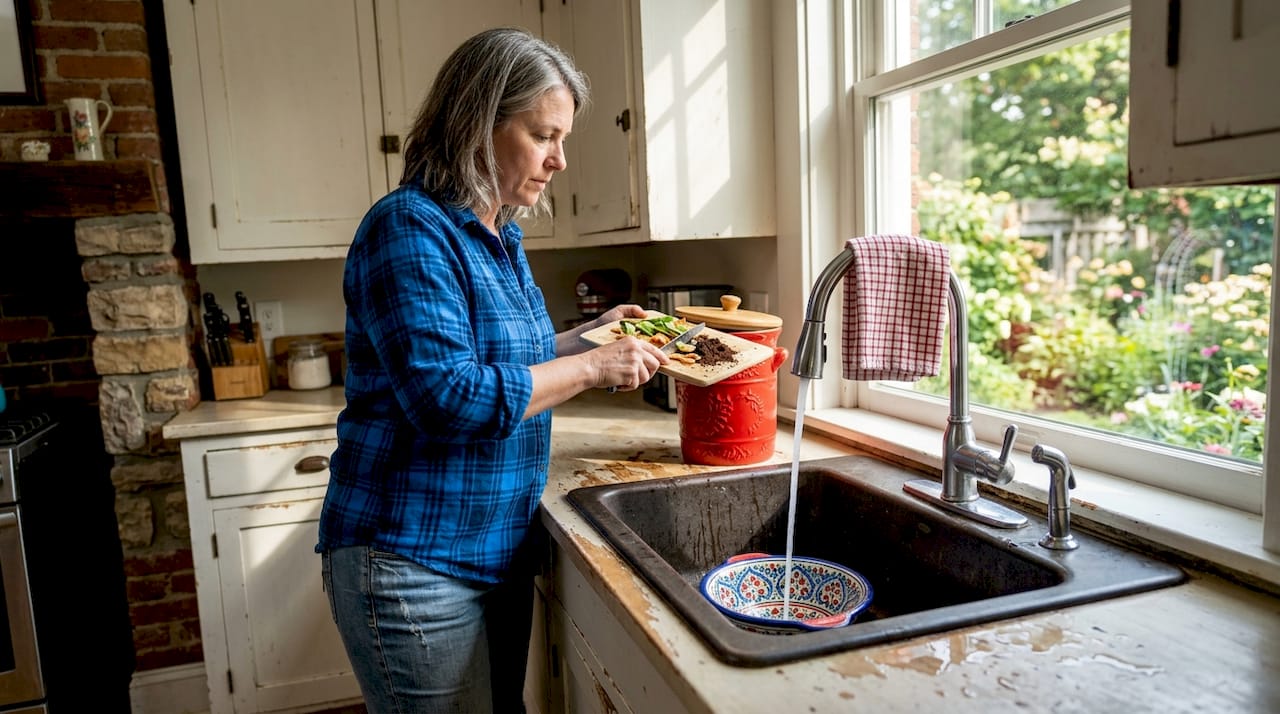
Most plumbing clogs don’t announce themselves. They grow quietly inside your pipes for weeks, sometimes months, before you notice slow drainage or a foul smell coming from the drain. By then, the buildup is already substantial. Understanding why clog prevention matters gives you the upper hand before a minor inconvenience turns into a flooded basement or a costly emergency call. This article breaks down how clogs form, what causes them, and the practical steps Pittsburgh homeowners can take to keep their plumbing running cleanly year-round.
Table of Contents
- How and why clogs develop in home plumbing
- Common clog sources and their impact on plumbing health
- Why flushing habits matter: toilet paper versus other products
- Effective clog prevention strategies for Pittsburgh homeowners
- When to seek professional help vs. DIY prevention
- Our perspective: prevention is cheaper than regret
- Keep your Pittsburgh home’s plumbing protected
- Frequently asked questions
Key Takeaways
| Point | Details |
|---|---|
| Clogs develop gradually | Most plumbing clogs form slowly from grease, hair, and debris buildup before symptoms appear. |
| Prevent wrong materials | Avoid flushing wipes, grease, and non-dispersible items to protect pipes and sewer health. |
| Flush only toilet paper | Toilet paper breaks down easily, reducing clog risk compared to heavier flushable products. |
| Adopt prevention habits | Use strainers, wipe grease, run hot water, and maintain regular drain cleaning routines. |
| Know when to call pros | Simple clogs can be managed at home, but persistent or severe issues need professional help. |
How and why clogs develop in home plumbing
Building on why clogs matter, let’s explore exactly how they form in your home’s pipes.
Clogs rarely happen all at once. Most sink clogs build slowly as grease, soap scum, hair, and debris accumulate before any symptoms appear. Think of it like plaque building up inside an artery. The pipe doesn’t narrow overnight. It narrows a little each day until water backs up and you’re standing ankle-deep in a shower that used to drain just fine.
In Pittsburgh homes specifically, cold winters play a role. Grease poured down a drain during the summer flows freely, but cooler pipe temperatures in older homes during winter cause it to solidify faster. Many Pittsburgh houses also have older pipe systems, where rough interior surfaces catch debris more easily than smooth newer pipes.
The P-trap, that curved section of pipe under every sink, is designed to hold a small amount of water to block sewer gases. It also happens to be one of the most common spots where debris collects. Hair, food particles, and soap residue settle there first. Once the P-trap restricts flow, everything upstream starts accumulating too.
Here are the most common early warning signs that buildup is already underway in your pipes:
- Water draining noticeably slower than usual
- Gurgling or bubbling sounds from the drain after water runs
- Unpleasant odors rising from the sink or shower drain
- Water pooling briefly before draining
Pro Tip: Don’t wait for standing water. If you hear gurgling sounds from a drain, that’s your first real warning. Address it immediately rather than waiting for a full blockage.
Understanding preventing plumbing blockages as an ongoing habit, not a one-time fix, is what separates homeowners who rarely deal with plumbing emergencies from those who call a plumber every few months.
Common clog sources and their impact on plumbing health
Understanding clog formation prepares you to identify what materials cause the most damage.
Not all clog culprits are obvious. Most homeowners know to keep large food chunks out of the drain, but the real danger often comes from items that seem harmless in the moment. Avoiding common clog sources like wipes helps keep sewer pipes clean and prevents costly backups and environmental harm.
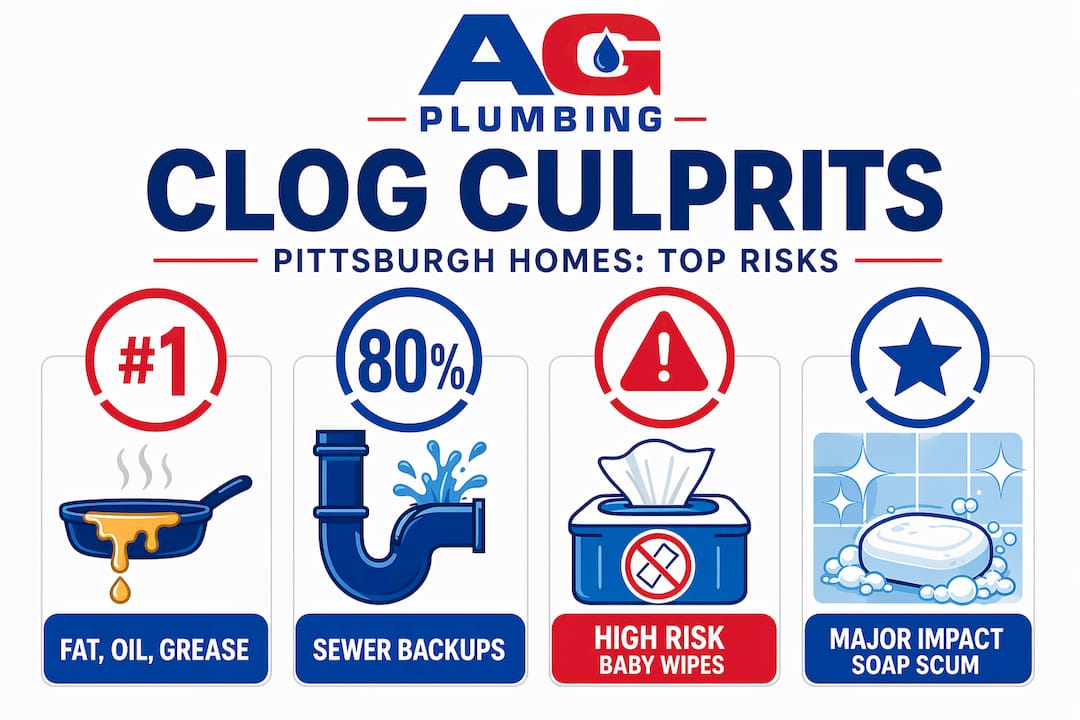
Fat, oil, and grease (commonly abbreviated as FOG by plumbers) are the leading causes of residential sewer backups in the country. When you rinse a greasy pan, the fat travels down the drain in liquid form, cools along the pipe walls, and hardens into a waxy layer. Over time, these layers stack up and create what utility workers call fatbergs inside the municipal sewer system. Your household grease contributes to a problem that extends well beyond your own pipes.
Here’s a breakdown comparing common clog-causing materials and their impact:
| Material | How it enters the drain | Clog risk | Environmental impact |
|---|---|---|---|
| Cooking grease and oil | Rinsed or poured from pans | Very high | Contributes to fatbergs in city sewers |
| Wet wipes and paper towels | Flushed down toilets | Very high | Does not break down in water |
| Hair | Shed during showering | High | Mats together with soap scum |
| Soap scum | Accumulates from bar soap use | Moderate | Binds with minerals in hard water |
| Food scraps | Washed down kitchen sink | Moderate to high | Builds up in P-traps and pipe bends |
| Coffee grounds | Rinsed from French press or filters | Moderate | Settles and compacts in drain bends |
Understanding plumbing’s role in health goes beyond convenience. Backed-up pipes can create conditions where mold, bacteria, and sewer gases enter your living space. That’s not just a repair bill. That’s a health risk for your family.
Pro Tip: Keep a small container near the stove to collect cooking grease. Once it solidifies, toss it in the trash. This single habit eliminates one of the biggest clog contributors in any kitchen.
Why flushing habits matter: toilet paper versus other products
Next, let’s look at how your flushing decisions directly affect the plumbing system performance.
Your toilet is not a trash can, and the plumbing doesn’t care what the label on the package says. Testing shows toilet paper generally clears within one to two flushes, while heavier wipes and cloths often require multiple flushes, significantly increasing clog risk.
Here’s a quick reference for what happens with commonly flushed items:
| Item flushed | Flushes needed to clear | Disperses in water? | Clog risk level |
|---|---|---|---|
| Standard toilet paper | 1 to 2 | Yes | Low |
| “Flushable” wipes | 3 or more | Rarely | High |
| Paper towels | 3 or more | No | Very high |
| Cotton balls or swabs | Multiple | No | Very high |
| Dental floss | Unpredictable | No | High (wraps around debris) |
| Facial tissues | 2 to 3 | Minimally | Moderate to high |
The important distinction here is how quickly a product breaks apart when wet. Toilet paper is engineered to disperse rapidly. Everything else on that list holds its structure. When these items travel through your plumbing, they snag on rough pipe joints, catch other debris, and form blockages that a plunger alone won’t solve.
The simplest rule: flush only toilet paper and human waste. That’s it. Everything else goes in the trash.
Establishing this habit also protects the regular drain cleaning benefits you get from professional maintenance. A clean drain cleared of grease and debris will stay clear much longer when you’re not introducing non-dispersible materials.
Effective clog prevention strategies for Pittsburgh homeowners
Armed with knowledge of clog sources, here are specific prevention tactics to keep your plumbing clear.
Prevention doesn’t require expensive tools or hours of work. Most of the best practices for clog prevention take less than five minutes and cost very little. Wiping grease from pans, using sink strainers, and running hot water regularly can prevent buildup before it ever causes a clog.
Here are the key steps to follow consistently:
- Wipe pans before washing. Use a paper towel to remove grease and oil from cookware before rinsing. This keeps the bulk of FOG out of your drain entirely.
- Install strainers in every drain. Sink strainers and shower drain covers catch hair and food particles before they enter the pipe. Clean them weekly.
- Run hot water after every kitchen drain use. A 30-second hot water rinse after dishes helps move any small soap or grease residue through the pipe before it can stick.
- Never pour cooking oil down the drain. Collect it in a jar, let it solidify, and dispose of it in the trash or find a local recycling point.
- Flush only toilet paper. Post a small reminder near the toilet if other household members are in the habit of flushing wipes or tissues.
- Schedule professional drain cleaning once a year. Even the most careful homeowner accumulates buildup over time. A professional cleaning removes what routine habits can’t reach.
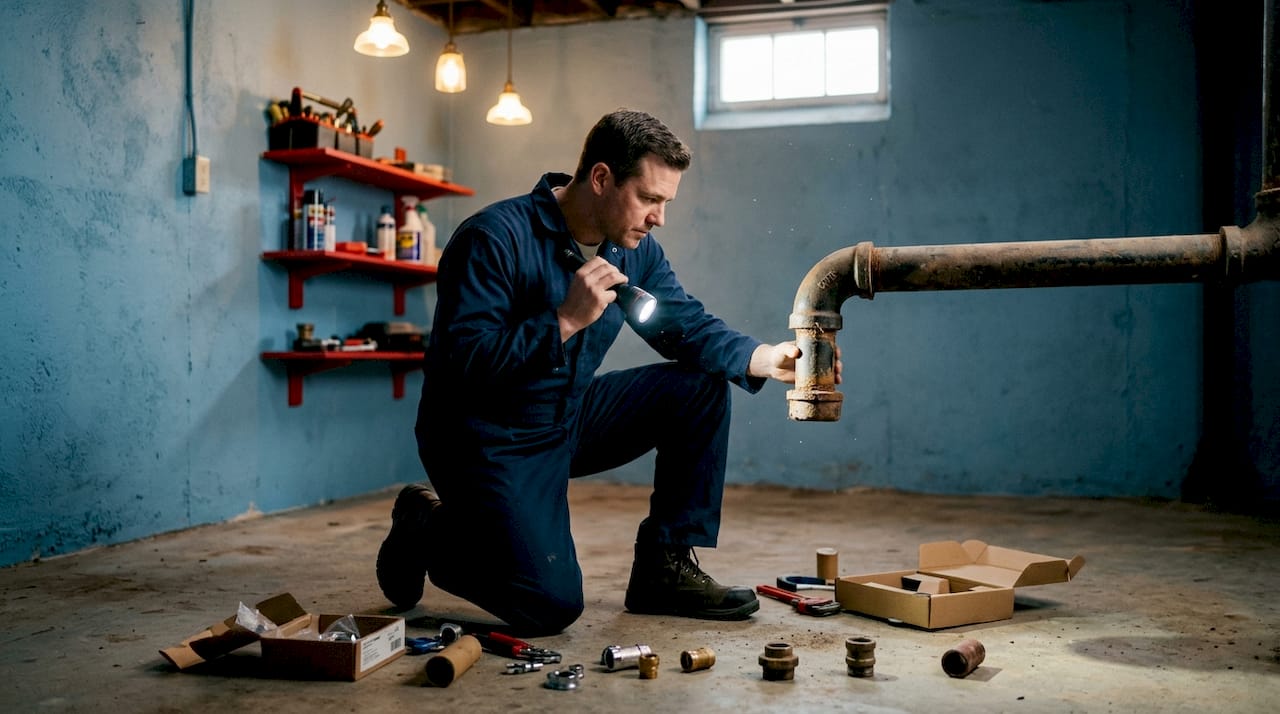
Pro Tip: In Pittsburgh, where many homes have cast iron or galvanized pipes from earlier construction decades, a yearly professional inspection matters more than in newer homes. These older pipe materials develop more interior roughness over time, which catches debris faster.
Here’s a quick reference for daily and monthly habits:
- Daily: Wipe grease from pans, use strainers, run hot water after sink use
- Weekly: Clean strainers, check for slow drainage in showers and sinks
- Monthly: Pour a pot of boiling water down kitchen drains to dissolve light soap buildup
- Yearly: Book a professional drain cleaning to clear what daily habits leave behind
These plumbing cost-saving tips add up fast. Preventing a single emergency plumbing call can save hundreds of dollars compared to years of simple daily habits.
When to seek professional help vs. DIY prevention
Knowing when to act yourself versus calling a pro helps avoid worsening clog issues and unexpected costs.
Most homeowners can handle minor clogs with a plunger or a manual drain snake. These tools are effective for fixture-level blockages, meaning clogs limited to the drain directly under a sink or in a single shower. Mechanical clearing of fixture-level clogs is homeowner-appropriate, but complex drain or sewer line issues require a licensed professional.
The line between DIY and professional territory becomes clear when you look at the symptoms:
- Single slow drain: Try a plunger or drain snake first. Clean the P-trap if needed.
- Multiple slow drains at once: This signals a deeper blockage in a shared line. Call a professional.
- Gurgling sounds from multiple fixtures: A vent pipe may be blocked or a main line issue is developing. Don’t wait.
- Sewage odors throughout the home: This requires immediate professional inspection. Sewer gas is a health hazard.
- Water backing up in one fixture when you use another: Your main sewer line may be partially blocked. A plumber with a camera inspection tool can locate the problem precisely.
A word on chemical drain cleaners: use them with real caution. They work by dissolving organic material, but they also degrade pipe gaskets over time, especially in older Pittsburgh homes with aging plumbing. Enzymatic drain treatments (products that use bacteria to digest organic material) are a safer alternative for maintenance between professional cleanings.
Pro Tip: If you’ve used a chemical cleaner and the clog persists, tell your plumber before they arrive. Standing chemical solution in a pipe is a safety hazard during mechanical cleaning.
Connecting with a trusted professional plumbing repair provider means you have someone who knows your home’s pipe layout and history, which makes diagnosing recurring clog problems much faster and less expensive.
Our perspective: prevention is cheaper than regret
After 30 years of serving Pittsburgh homeowners, one thing stands out clearly. The calls we get for clogged drains almost always come from houses where prevention was never a consistent habit. Not from bad luck. Not from defective pipes. From years of small choices, grease rinsed down the drain, wipes flushed daily, strainers never installed, adding up silently.
Here’s the thing most plumbing articles won’t tell you: the cost of clog prevention is nearly zero. A mesh strainer costs a few dollars. Wiping a pan takes 10 seconds. Running hot water after doing dishes adds nothing to your water bill worth mentioning. But the cost of ignoring prevention compounds. A blocked sewer line in a Pittsburgh row home can mean thousands of dollars in repairs and days without normal plumbing.
We also want to push back on the idea that chemical drain cleaners are a “maintenance” tool. They are a last resort at best. We’ve seen PVC joints weakened, gaskets dissolved, and cast iron pipes accelerate their corrosion after repeated chemical treatments. The plumbing industry has better options now, and your pipes deserve them.
The uncomfortable truth is that most emergency plumbing calls are optional. They happen when prevention was skipped long enough that the system finally said no. Build the habits before the problem builds itself.
Keep your Pittsburgh home’s plumbing protected
If you’re ready to stop dealing with recurring clogs and start protecting the plumbing system you depend on every day, AG Heating, Cooling & Plumbing is here to help. With three decades of experience serving Pittsburgh and the surrounding areas, our team understands the unique challenges that come with older Pittsburgh homes, cold winters, and aging pipe systems.
From annual drain cleaning to full plumbing inspections, we offer the services that keep small buildup from becoming big problems. Our Pittsburgh plumbing repair team brings the tools and experience to assess your system, clear what’s already building, and give you a clear picture of what your pipes need long-term. Contact AG Heating, Cooling & Plumbing today to schedule your service and put prevention first.
Frequently asked questions
What are the earliest signs of a developing clog in my home plumbing?
Early signs include slow drainage, gurgling sounds, or unusual odors rising from the drain. Slow drainage often means significant buildup is already present inside the pipe.
Can I flush wipes labeled as “flushable”?
No. Most wipes labeled flushable do not break down in water the way toilet paper does. Heavier wipes require multiple flushes to clear, unlike toilet paper, and frequently cause blockages in residential and municipal lines.
Why is it important to prevent grease from going down the kitchen sink?
Grease cools and solidifies inside pipes, creating waxy layers that narrow the pipe over time. Grease hardens as it cools and sticks to pipe walls, eventually creating blockages that require professional clearing.
Are chemical drain cleaners safe to use regularly?
No. Chemical drain cleaners can degrade pipe materials and create safety risks when used improperly. Enzymatic treatments and physical clearing methods are safer choices for ongoing maintenance.
Recommended
- Why regular drain cleaning protects Pittsburgh homes – AG-Plumbing
- Preventative Plumbing Tips to Protect Your Pittsburgh Home – AG-Plumbing
- Cleanout plugs: The key to safe Pittsburgh plumbing – AG-Plumbing
- Why annual plumbing inspections save Pittsburgh homeowners thousands – AG-Plumbing
