
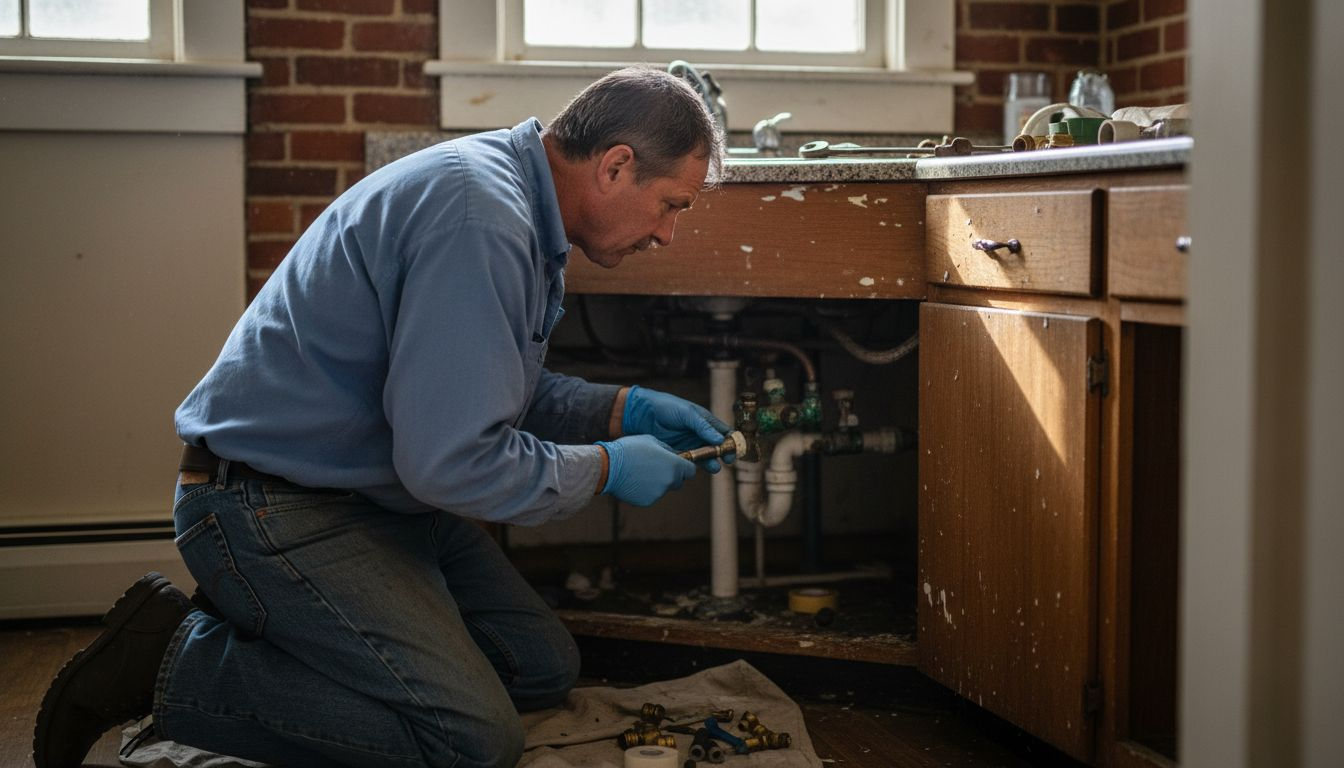
Most people rarely consider the impact of their plumbing until something goes wrong, but for Pittsburgh homeowners, what flows through those pipes can make the difference between a healthy home and one full of hidden risks. Modern plumbing is more than just convenience—it is the backbone of public health infrastructure, quietly shielding families from serious disease and contamination. This guide breaks down the essential ways plumbing protects your health, highlighting practical steps Pittsburgh residents can take to keep their water clean and their homes safe.
Table of Contents
- Plumbing And Health: Core Concepts Explained
- How Plumbing Ensures Clean Water Access
- Disease Prevention Through Modern Plumbing Systems
- Common Plumbing Hazards And Health Risks
- Maintaining Healthy Plumbing Systems At Home
Key Takeaways
| Point | Details |
|---|---|
| Plumbing is Essential for Health | A well-functioning plumbing system ensures the delivery of clean water and effective waste removal, protecting family health. |
| Regular Maintenance is Crucial | Homeowners should schedule plumbing inspections every 3-5 years and conduct regular checks to prevent minor issues from escalating into serious health hazards. |
| Aging Pipes Pose Risks | Many homes, especially older ones, have plumbing systems that can corrode or fail, increasing the likelihood of contamination and health risks. |
| Immediate Action is Necessary for Warning Signs | Discolored water, slow drains, and odors indicate plumbing hazards that require professional evaluation to prevent health emergencies. |
Plumbing and Health: Core Concepts Explained
Your plumbing system is one of the most critical health protections in your Pittsburgh home. Most homeowners never think about it until something breaks, but the pipes running behind your walls are quietly safeguarding your family every single day.
At its core, plumbing delivers two essential functions: bringing clean water in and removing contaminated water out. That’s it. But those two functions prevent countless illnesses and keep your household sanitary.
What Plumbing Actually Does for Your Health
Safe drinking water delivery starts with your water main and ends at your kitchen sink. The system maintains water pressure so contaminants cannot enter from outside. One crack in a water line can introduce bacteria, chemicals, or sediment directly into your home’s supply.
Waste removal is equally critical. Your drainage system carries away sewage, greywater from sinks and showers, and stormwater. Without proper sanitary drainage and venting, gases accumulate, bacteria multiply, and contamination spreads.
Think of your plumbing like your body’s circulatory and digestive systems combined. Blood flows in fresh. Waste flows out. If either stops working correctly, your health suffers immediately.
The Connection Between Plumbing Problems and Illness
Broken plumbing doesn’t just create inconvenience. It creates health hazards.
Contaminated water can carry:
- Bacteria (E. coli, Legionella)
- Viruses (hepatitis A, norovirus)
- Parasites (giardia, cryptosporidium)
- Chemical contaminants (lead, pesticides)
- Mold and mildew growth
Damaged drainage systems allow these pathogens to linger in your home, exposing your family daily. Slow drains create standing water where bacteria thrive. Backed-up sewage lines create serious health emergencies.
How Modern Plumbing Prevents Disease
Modern plumbing systems use specific design principles to protect health:
- Traps in drains (those U-shaped pipes under sinks) hold standing water that blocks sewer gases from entering your home
- Venting allows pressure to equalize so drainage flows smoothly without siphoning water from traps
- Backflow prevention valves stop contaminated water from flowing backward into your clean water supply
- Grading and slope in drainage pipes ensure wastewater moves consistently toward the sewer
Proper plumbing design isn’t just about convenience—it’s public health infrastructure that prevents disease outbreaks in your neighborhood.
This is why understanding how plumbing systems function matters. When your system works correctly, you’re protected. When it fails, you’re vulnerable.
Why Pittsburgh Homeowners Should Care Right Now
Older Pittsburgh homes often have aging plumbing. Pipes from the 1950s and 1960s are now 60-70 years old. Galvanized steel pipes corrode from the inside out. Cast iron drains develop cracks that invite root intrusion. Outdated venting systems struggle to handle modern water usage patterns.
These aging systems create real health risks: low water pressure that encourages bacterial growth in your lines, slow drainage that harbors mold, and sewage backups that contaminate your home.
Pro tip: Schedule a plumbing inspection every 3-5 years if your home is over 40 years old—catching small problems prevents major health hazards and expensive repairs down the road.
How Plumbing Ensures Clean Water Access
Clean water doesn’t magically appear at your tap. It’s the result of carefully engineered plumbing systems that bring treated water directly to your Pittsburgh home while keeping it safe from contamination.
Your plumbing is the final mile of a much larger water delivery network. Once water leaves the municipal treatment plant, your home’s plumbing takes over, maintaining pressure, temperature, and purity all the way to your kitchen sink.
The Journey of Safe Drinking Water
Water travels through several critical stages before you can drink it. Your home’s plumbing protects water during the final, most vulnerable phase.
The water main delivers treated water to your property at constant pressure. This pressure is essential—it prevents contaminated groundwater from seeping backward into your clean supply. When pressure drops, dangerous bacteria can infiltrate your lines.
Your home’s water service line (the pipe running from the street to your house) is where problems often start. Older galvanized steel pipes develop interior corrosion, flaking rust into your water. Cast iron lines crack, allowing soil contamination to enter. Lead pipes (common in homes built before 1986) leach toxic metal directly into your drinking water.
Internal plumbing distributes water to fixtures while maintaining quality. Proper pipe materials, sizing, and installation prevent stagnation, bacterial growth, and cross-contamination between supply lines and drainage systems.
What Protects Your Water Quality
Several design features keep your water safe:
- Backflow prevention devices stop contaminated water from flowing backward into your clean supply
- Proper grading ensures water flows downhill toward fixtures, preventing stagnation
- Cross-connection control separates drinking water from non-potable water sources
- Water pressure maintenance prevents vacuum conditions that invite contamination
- Material selection uses lead-free, corrosion-resistant pipes approved for potable water
Access to safe drinking water and sanitation is a fundamental human right that depends entirely on functional plumbing infrastructure.
Think of your home’s plumbing as a guardian. Every joint, every fitting, every section of pipe either protects your water or threatens it. There’s no middle ground.
Why Pittsburgh Water Systems Are Under Pressure
Pittsburgh’s aging infrastructure creates real challenges. Many homes have original plumbing from the 1940s-1960s. Water mains throughout the city lose millions of gallons yearly to leaks, indicating widespread pipe deterioration.
When municipal systems weaken, residential plumbing becomes even more critical. Your home’s internal system must compensate for pressure fluctuations, contamination risks, and water quality variations from the main supply.
Common Water Quality Threats
Several problems compromise water safety:
- Lead from old pipes or solder
- Bacteria from main breaks or pressure drops
- Iron and sediment from corroded pipes
- Chemical contamination from cross-connections
- Microbial growth in stagnant water
These threats require proactive plumbing maintenance, not just reactive repairs. Regular drain cleaning and inspections help identify problems before they contaminate your supply.
Pro tip: Test your water quality annually through your local health department and inspect exposed pipes for corrosion or discoloration—early detection prevents health problems and expensive system failures.
Disease Prevention Through Modern Plumbing Systems
Modern plumbing isn’t just about convenience. It’s a disease prevention system installed in your home. When it works correctly, you’re protected from dozens of waterborne illnesses. When it fails, you’re exposed to serious health threats.
Aging plumbing creates vulnerabilities. Cracked pipes, corroded joints, and backed-up sewage lines create pathways for dangerous pathogens to enter your home or contaminate your neighborhood. Modern systems close these gaps.
How Modern Plumbing Prevents Contamination
Modern plumbing systems use advanced design principles to block disease transmission:
- Sealed pipe joints eliminate gaps where pathogens can enter
- Proper slope and drainage ensure sewage moves away from living areas quickly
- Trap seals create water barriers that block sewer gases and pathogens
- Backflow prevention valves stop contaminated water from flowing backward into clean supply lines
- Venting systems allow pressure equalization without introducing outside contaminants
- Material standards require pipes that resist corrosion and leaching
Think of each component as a checkpoint. When bacteria encounters any obstacle, it stops. Old plumbing has too many gaps.
The Real Risk: What Breaks in Aging Systems
Pittsburgh’s aging infrastructure shows what happens when modern plumbing fails. Deteriorating pipes introduce bacteria like E. coli and dangerous pathogens into homes and waterways. Sewage spills from aging infrastructure have contaminated entire rivers with antibiotic-resistant bacteria.
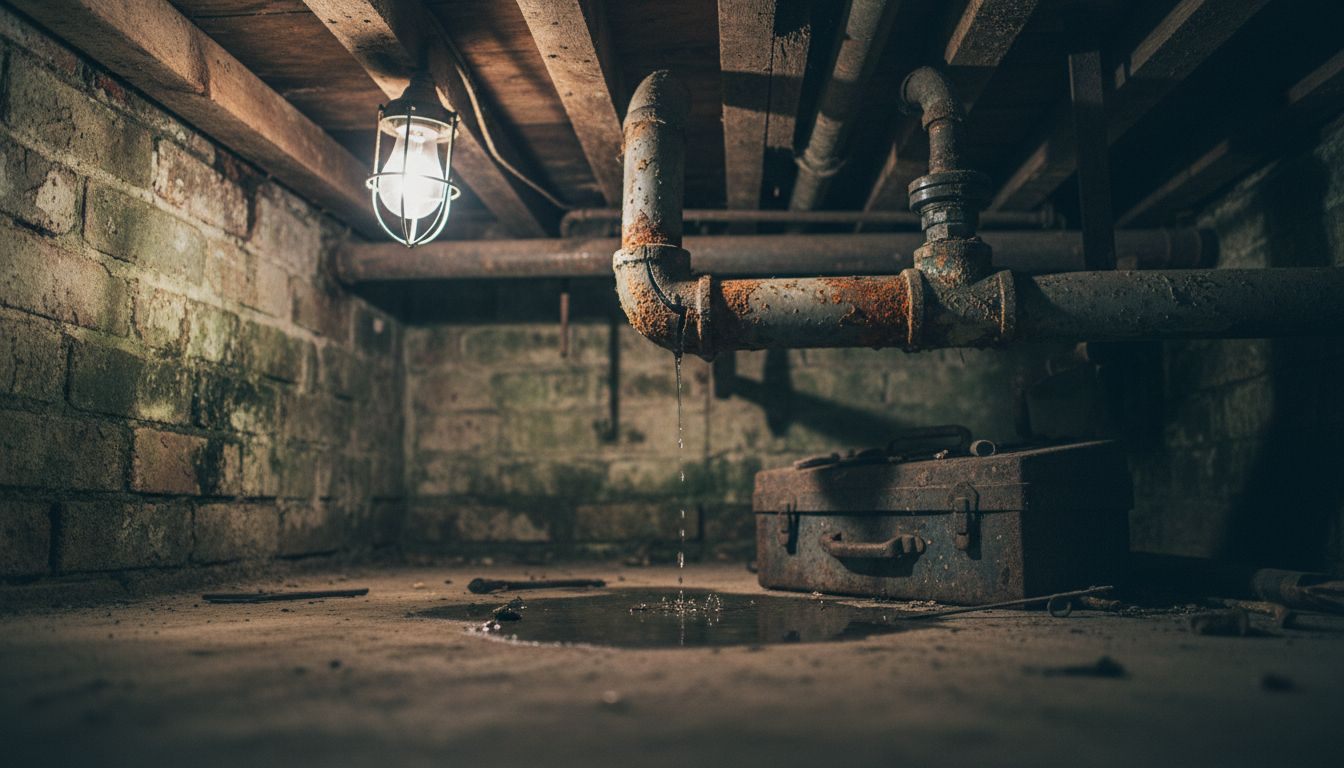
Your home’s plumbing can develop similar problems. Corrosion creates small leaks. Tree roots penetrate drain lines. Settling cracks pipes. Each problem introduces risk.
Once bacteria enters your system, it multiplies rapidly. Slow drains create standing water where pathogens thrive. Low water pressure allows contaminated groundwater to seep backward into your supply.
Pathogens Your Modern Plumbing Protects Against
Proper plumbing systems defend your family from serious illnesses:
- Cholera (causes severe dehydration)
- Typhoid fever (bacterial infection, 20% mortality rate without treatment)
- Hepatitis A (liver inflammation, no cure)
- Dysentery (severe intestinal infection)
- Legionnaires’ disease (pneumonia-like infection)
- Cryptosporidiosis (parasitic infection especially dangerous for children)
These diseases are rare in the United States because modern plumbing works. In areas with aging or broken systems, they’re common.
Modern plumbing infrastructure prevents large-scale disease outbreaks by maintaining water quality and containing sewage where it belongs.
One broken pipe can introduce any of these pathogens into your home. Your family won’t know it until someone gets sick.
Why Maintenance Prevents Disease
Regular inspections catch problems before they become health emergencies. Small leaks get sealed. Slow drains get cleared. Corrosion gets addressed.
Your plumbing system needs attention like your car needs oil changes. Neglect causes catastrophic failure. Maintenance keeps you safe.
Common plumbing problems develop slowly. By the time you notice symptoms—discolored water, strange odors, slow drainage—contamination may already be happening inside your pipes.
Pro tip: Have your plumbing inspected annually and address any repairs immediately—catching small problems prevents contamination and protects your family from waterborne illness.
Common Plumbing Hazards and Health Risks
Your plumbing system can become a health hazard without warning. Invisible problems develop behind walls and under floors, silently threatening your family’s safety. Most Pittsburgh homeowners don’t realize their plumbing is dangerous until someone gets sick.
Common hazards aren’t always obvious. Discolored water, slow drains, and odd smells are warning signs. But by the time you notice them, contamination may already be spreading through your home.
Lead Contamination: The Silent Threat
Lead leaching from old pipes and solder is Pittsburgh’s most serious plumbing health risk. Homes built before 1986 often have lead solder connecting copper pipes. Lead service lines were standard until the 1970s.
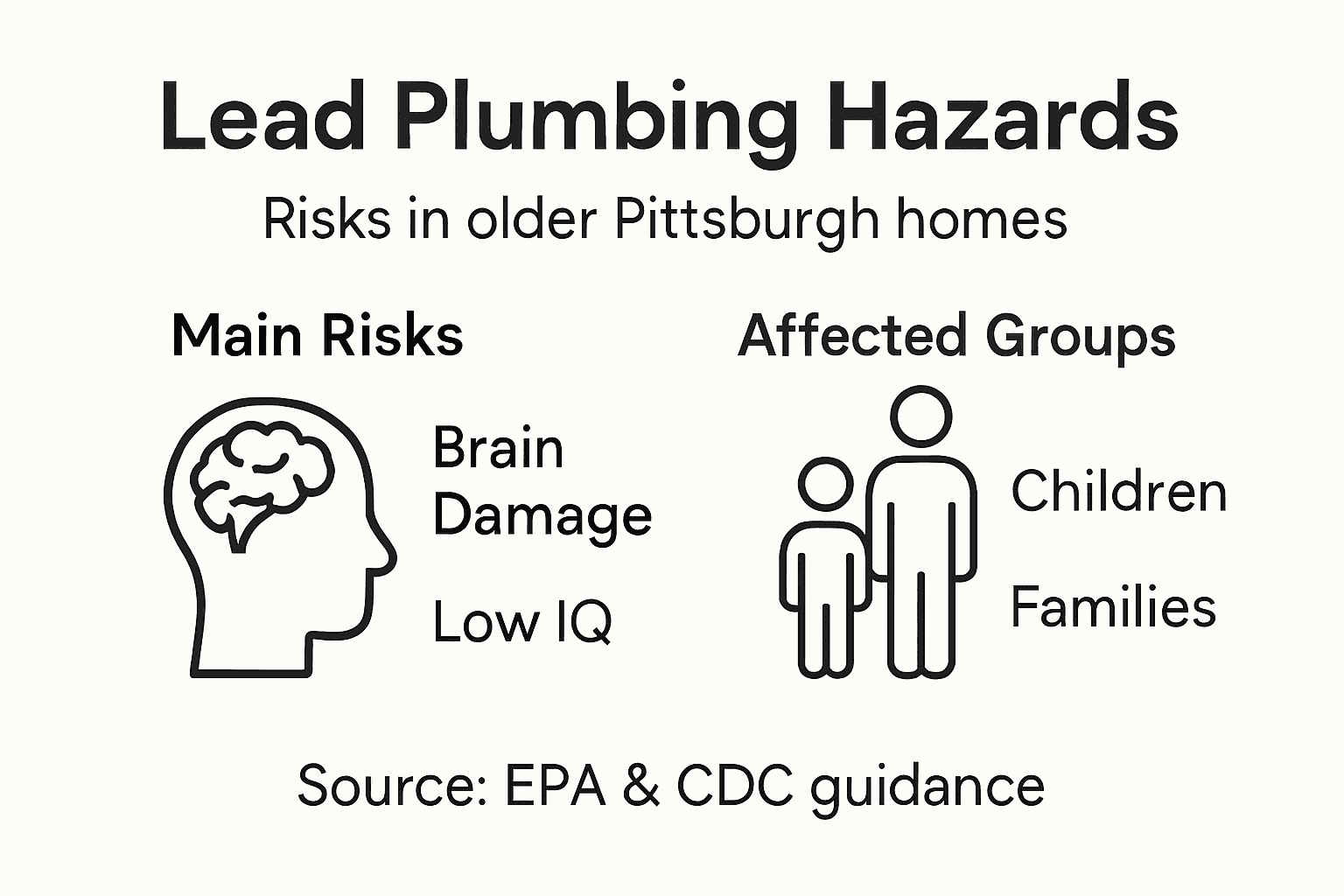
Lead poisoning causes permanent damage to children’s developing brains. Even low levels reduce IQ and impair learning. Adults face kidney damage and high blood pressure from chronic lead exposure.
The worst part: you can’t see, taste, or smell lead in water. Testing is the only way to know if your home has a problem.
Older homes with brass fittings face similar risks. Brass naturally contains lead. When water sits in pipes, lead dissolves into your drinking water.
Microbial Growth and Stagnation
Slow-moving or stagnant water becomes a bacterial breeding ground. Biofilm formation creates slime layers inside pipes where dangerous pathogens multiply rapidly.
Legionella bacteria thrive in warm, stagnant water. When you turn on a shower, aerosol droplets carrying Legionella enter your lungs. This causes Legionnaires’ disease—a severe pneumonia that can be fatal.
Stagnant water also encourages mold growth. Mold spores circulate through your home, triggering allergies and asthma attacks, especially in children and elderly family members.
Proper pipe slope and regular water usage prevent stagnation. But if your home has unused fixtures or low water pressure, dangerous microbes are multiplying inside your pipes right now.
Cross-Contamination and Backflow
Cross-contamination occurs when contaminated water flows backward into your clean drinking water supply. This happens when water pressure drops—exactly what occurs during main breaks or high-demand periods.
Without backflow prevention valves, sewage can flow backward into your kitchen sink. Pesticides from yard irrigation can contaminate your drinking water. Cleaning chemicals mixed in bathtubs can flow into your supply.
Once contamination enters your pipes, it spreads throughout your home. Every family member is exposed.
Chemical Leaching from Pipe Materials
Water quality problems from chemical leaching and material degradation develop over years but create serious health consequences. Corroded galvanized pipes release zinc and cadmium into your water. PVC pipes can leach BPA and plasticizers.
These chemicals accumulate in your body over time. Long-term exposure causes neurological problems, reproductive issues, and cancer risk.
Here is a comparison of common plumbing hazards and their primary health risks:
| Hazard Type | Main Risk | Most Affected Group |
|---|---|---|
| Lead contamination | Neurological damage | Children and infants |
| Microbial growth (biofilm) | Respiratory, gastrointestinal issues | Elderly, immunocompromised |
| Cross-contamination/backflow | Acute infectious disease | Entire household |
| Chemical leaching | Cancer, organ toxicity | Long-term residents |
Warning Signs You Have Plumbing Hazards
Don’t wait for serious illness to identify problems:
- Discolored or brown-tinted water
- Metallic taste or smell in water
- Slow drains throughout the house
- Sewage odors or gurgling sounds
- Rust stains on fixtures or pipes
- Visible pipe corrosion or deterioration
- Low water pressure
- Recent main breaks in your neighborhood
Many plumbing hazards develop silently—regular professional inspections catch problems before they threaten your family’s health.
One or more of these signs means your plumbing needs professional evaluation immediately.
Pro tip: Identify when plumbing repair is necessary by scheduling a professional video inspection annually—this catches hidden corrosion, biofilm buildup, and contamination risks before they cause illness.
Maintaining Healthy Plumbing Systems at Home
Maintenance is the difference between a healthy plumbing system and an expensive health crisis. Regular upkeep catches small problems before they become contamination risks. Neglect transforms minor issues into major hazards.
Your plumbing doesn’t maintain itself. It needs attention like your car, your roof, and your HVAC system. Without it, problems multiply silently behind your walls.
Monthly Maintenance Checks
Small tasks prevent big problems. Spend 15 minutes each month checking obvious plumbing components.
Inspect visible pipes and fixtures for:
- Water stains or drips
- Corrosion or discoloration
- Loose connections or fittings
- Mold or mildew around fixtures
- Signs of water damage on ceilings or walls below bathrooms
Listen for unusual sounds. Gurgling drains, hissing pipes, or banging noises indicate problems developing inside your system.
Check under sinks for leaks or moisture. These spaces hide early-stage water damage and mold growth. Catching them now prevents serious contamination.
Quarterly Deep Cleaning
Drain maintenance prevents buildup that traps bacteria and promotes microbial growth. Pour boiling water down drains quarterly to dissolve accumulating grease and biofilm.
Clean faucet aerators by unscrewing them and rinsing away mineral deposits. Aerators trap sediment that can harbor bacteria. Clogged aerators reduce water flow, creating stagnation conditions.
Flush your water heater quarterly to remove sediment buildup. Sediment reduces efficiency and creates bacterial breeding grounds inside the tank.
These simple steps take 30 minutes but prevent costly problems. And yes, they actually work.
Annual Professional Inspection
Don’t rely on DIY maintenance alone. Professional plumbers identify hidden problems you cannot see. Video camera inspections show corrosion, cracks, and biofilm inside pipes.
Schedule inspections before problems become emergencies. Annual evaluation is the gold standard for maintaining healthy home plumbing systems and preventing water damage or contamination.
Professional inspection typically costs $100-200 but prevents thousands in damage and protects your family’s health.
Water Quality Monitoring
Test your water annually through your local health department or a certified lab. Testing reveals:
- Lead contamination
- Bacterial growth
- Chemical contaminants
- pH imbalance
- Sediment or discoloration
If testing shows problems, professional remediation stops contamination immediately. Early detection prevents long-term health effects.
Discolored or foul-smelling water shouldn’t be ignored. It’s your plumbing’s distress signal.
Summary of recommended maintenance activities for a healthy plumbing system:
| Task Frequency | Example Maintenance Task | Primary Benefit |
|---|---|---|
| Monthly | Inspect for leaks or corrosion | Early detection of hazards |
| Quarterly | Deep clean drains and aerators | Reduce bacterial buildup |
| Annually | Professional plumbing inspection | Prevent major contamination |
| Annually | Water quality testing | Reveal hidden pollutants |
When to Call a Professional
Some problems require immediate professional attention:
- Water pressure drops suddenly or completely
- Sewage odors inside the home
- Backed-up toilets or drains
- Visible corrosion or leaking pipes
- Changes in water taste, color, or smell
- Gurgling sounds in drains
Delaying professional repair allows contamination to spread. What starts as one problem becomes a health emergency.
Regular maintenance transforms plumbing from a hidden hazard into a reliable system protecting your family’s health and safety.
The Real Cost of Neglect
Skipping maintenance seems economical short-term. But a single sewage backup can cost $5,000-25,000 in damage and remediation. Lead contamination from corroded pipes requires expensive water treatment systems.
Mold from hidden water damage costs $2,000-6,000 to remediate. Bacterial contamination from biofilm requires professional cleaning and potential water replacement.
Regular maintenance costs $300-500 yearly. Emergency repairs cost thousands. The math is simple.
Pro tip: Create a plumbing maintenance calendar marking monthly checks, quarterly cleaning, and annual professional inspections—consistency prevents emergencies and keeps your family safe.
Protect Your Pittsburgh Home’s Health with Expert Plumbing Solutions
The article highlights the vital role plumbing plays in safeguarding your family from harmful contaminants like lead, bacteria, and sewage. Aging or damaged plumbing systems in Pittsburgh homes can quietly create serious health risks, including exposure to waterborne diseases and chemical leaching. If you notice slow drains, discolored water, or plumbing odors, these warning signs should never be ignored. Your family’s health depends on a properly maintained plumbing system that prevents contamination and ensures clean water access.
Explore our Plumbing Archives to learn more about how professional maintenance can keep your plumbing working efficiently and safely.
Don’t wait until hidden plumbing problems put your loved ones at risk. At AG Heating, Cooling & Plumbing, we have 30 years of trusted experience serving Pittsburgh residents with top-quality plumbing inspections, repairs, and upgrades that protect your home’s water quality and overall health. Schedule your comprehensive plumbing inspection today and take the proactive step to maintain a safe environment for your family.
Frequently Asked Questions
How does plumbing impact health in the home?
Proper plumbing systems protect health by ensuring safe drinking water delivery and effective waste removal, preventing contamination that can lead to various illnesses.
What are the common health risks associated with plumbing issues?
Common risks include exposure to harmful bacteria, viruses, chemical contaminants, and mold due to issues like lead leaching, stagnant water, and sewage backups.
How can I tell if my plumbing is a health hazard?
Warning signs of plumbing hazards include discolored or foul-smelling water, slow drains, corrosion on pipes, and unusual noises from plumbing fixtures. If you see these signs, it’s essential to have your plumbing inspected.
Why is regular plumbing maintenance important for health?
Regular maintenance catches small issues before they escalate into serious health risks, ensuring water quality and preventing potential contamination from aging or damaged plumbing systems.
Recommended
- Heating, Cooling & Plumbing Services Pittsburgh, PA
- How Sewer Repair Can Prevent Major Plumbing Problems – AG-Plumbing
- Reliable Sewer Repair Services in Pittsburgh, PA
- Common Plumbing Repair Issues and How to Fix Them – AG-Plumbing
- Why Proper Plumbing Design Matters in New San Antonio Homes
