
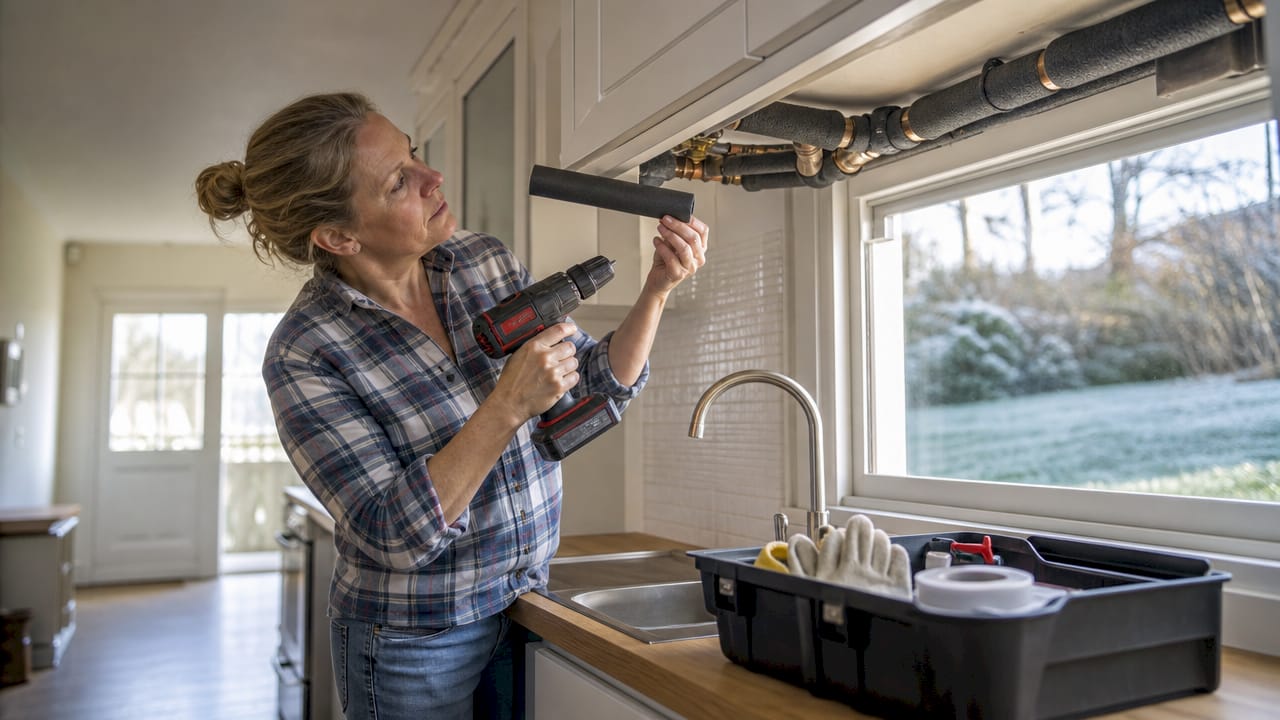
TL;DR:
- Frozen pipes cause most winter water damage in cold homes, but steady indoor heat and proper insulation can prevent them. Keeping the thermostat above 55°F at all times and insulating exposed pipes effectively reduces freezing risks, especially in unheated spaces. If prevention fails, gentle thawing with heat but no open flames is essential, and professional help should be sought for hidden or damaged pipes.
Frozen pipes are the leading cause of winter water damage in cold-climate homes, and preventing them requires three things: steady indoor heat, proper insulation on exposed pipes, and a few minutes of outdoor prep before temperatures drop. Homeowners in Pittsburgh and similar cold climates face this risk every year from november through march. The good news is that knowing how to prevent frozen pipes does not require expensive equipment or a plumbing license. The steps below are proven, practical, and worth doing before the first hard freeze arrives.
How to prevent frozen pipes with the right thermostat settings
The single most effective pipe freezing prevention method is maintaining a consistent indoor temperature. Keep your thermostat at 55°F or above at all times, day and night, during cold weather. That floor exists because pipes inside exterior walls and unheated spaces like garages or crawl spaces can drop below freezing even when the rest of the house feels warm.
The instinct to lower the thermostat at night to save money is understandable. But nighttime temperature dips are one of the most common triggers for frozen pipes, because cold air pockets form near exterior walls when the furnace cycles down. A burst pipe repair costs far more than a few extra days of heating. The math is not close.
Here is what to set and watch during a cold snap:
- Set the thermostat to 55°F minimum, even when you are away or sleeping.
- Keep interior doors open so heat circulates evenly through the home.
- Check rooms above garages and in basement corners, where temperatures drop fastest.
- If you leave town, do not drop the thermostat below 55°F to save energy.
- Ask a neighbor to check the house if you are gone for more than two days.
Pro Tip: Program a smart thermostat like Google Nest or Ecobee to hold a minimum temperature floor during winter months. Most models let you set a “freeze protection” mode that overrides manual adjustments.
How to insulate and protect exposed pipes from freezing
Insulation is the second line of defense, but it works differently than most homeowners expect. Insulation slows heat loss but does not generate heat. A pipe wrapped in foam inside an unheated garage will still freeze if the ambient temperature drops far enough. Insulation buys time. It does not replace a heat source.
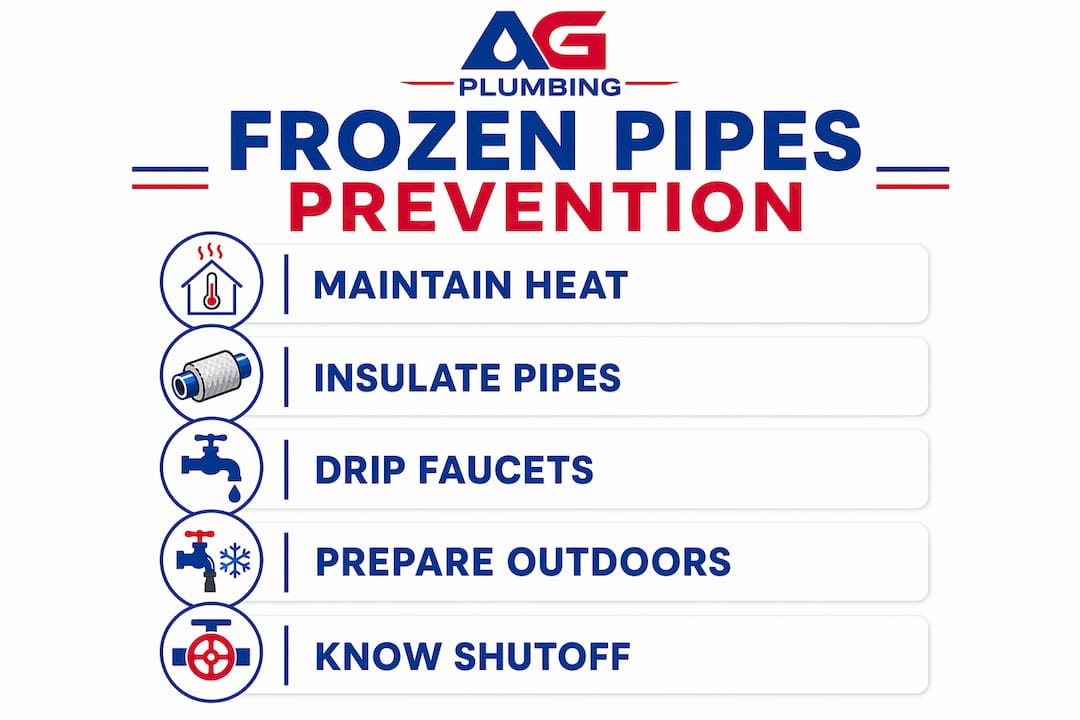
For pipes in unheated spaces, foam pipe sleeves are the standard starting point. They are inexpensive, available at any hardware store, and easy to cut and fit. For pipes in areas that regularly drop below 40°F, UL-listed heat tape or heat cable is the right tool. Proper heat cable installation means placing the cable on the bottom of the pipe and then wrapping insulation over it. This traps the heat against the pipe instead of letting it escape upward.
One detail most guides miss: insulation must cover the cold-exposed side of the pipe while allowing warm indoor air to reach the other side. Wrapping a pipe too tightly on all sides can actually trap cold air and accelerate freezing.
Key insulation steps for homeowners:
- Wrap exposed pipes in basements, crawl spaces, and garages with foam pipe sleeves.
- Install UL-listed heat cable on pipes in spaces that regularly reach below 40°F.
- Cover outdoor faucets with insulating foam covers before the first freeze.
- Seal foundation cracks and gaps around pipes where cold air enters the home.
- Check attic pipes, which are often overlooked and highly vulnerable.
Pro Tip: In an emergency, newspaper wrapped in plastic bags makes a surprisingly effective temporary insulator for exposed pipes. It is not a long-term fix, but it can protect a pipe through one cold night.
| Pipe location | Recommended protection |
|---|---|
| Basement (heated) | Foam pipe sleeves |
| Crawl space or garage | Foam sleeves plus heat cable |
| Exterior wall cavity | Seal drafts, maintain indoor heat |
| Outdoor faucet | Foam faucet cover, drain and disconnect hose |
| Attic | Foam sleeves, check for air leaks |
Why letting faucets drip and opening cabinet doors matters
Running water resists freezing. A slow cold-water drip keeps water moving through the pipe, which makes ice formation significantly harder. The American Red Cross recommends this technique specifically for pipes that run through exterior walls or unheated spaces.
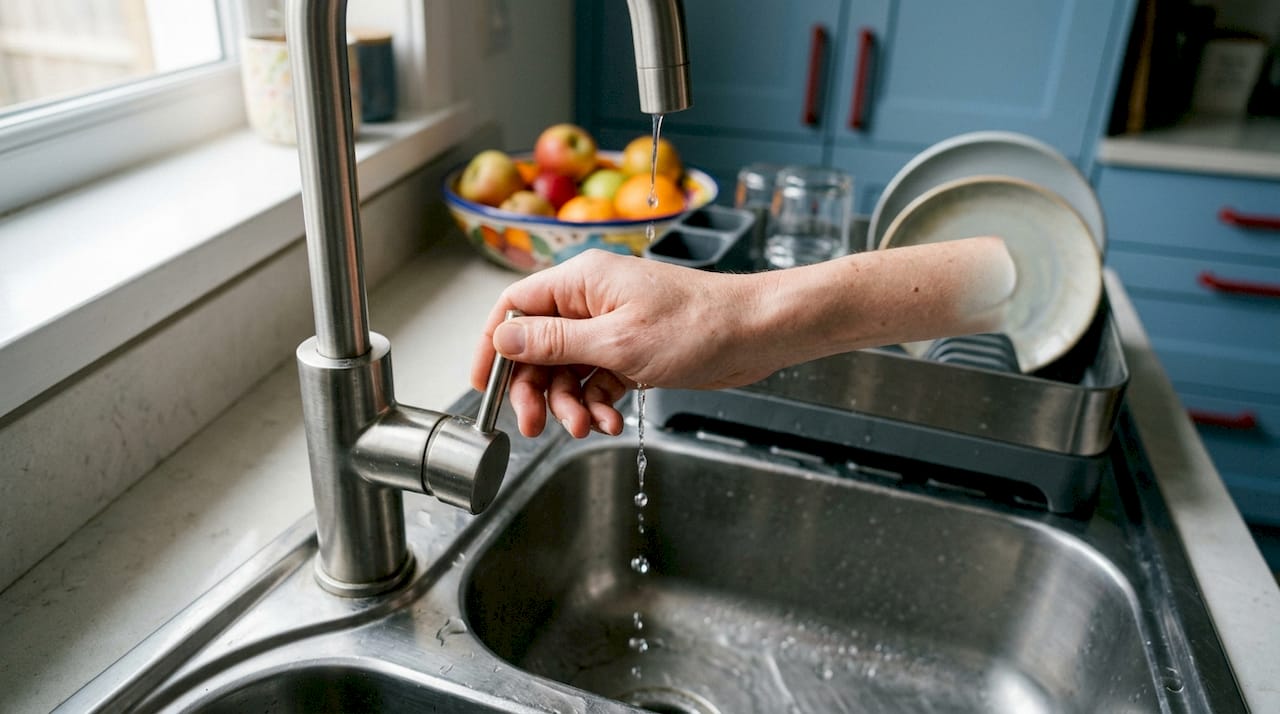
The science behind it matters. Pipes burst not from ice itself but from the pressure that builds between a forming ice plug and the closed faucet. A slow drip relieves that pressure continuously. Even a trickle the width of a pencil lead is enough to make a difference.
Opening cabinet doors under sinks on exterior walls lets warm room air reach the pipes behind them. Most kitchen and bathroom sink pipes sit against outside walls, which means they are the first to lose heat during a cold snap. This costs nothing and takes five seconds.
Additional airflow tips for vulnerable areas:
- Open cabinet doors under bathroom and kitchen sinks during extreme cold.
- Leave basement doors open if the basement is heated and connects to pipe-heavy areas.
- Do not block heating vents near exterior walls with furniture or rugs.
- In garages with water lines, keep the garage door closed as much as possible.
What exterior preparations are essential before winter starts
Outdoor pipes fail first during the initial hard freeze of the season, often because homeowners forget to disconnect garden hoses. Water left in a connected hose backs up into the interior supply line and freezes there. The American Red Cross identifies this as one of the most common and preventable causes of exterior pipe failure.
The full outdoor checklist is short but non-negotiable. Disconnect and drain every garden hose before temperatures drop below freezing. Locate the indoor shutoff valve that feeds each outdoor spigot and close it. Then open the outdoor faucet valve to let any remaining water drain out, leaving room for any residual moisture to expand without cracking the pipe. Cover the outdoor faucet with an insulating foam cover. Check the outdoor plumbing preparation guide from Ag-plumbing for Pittsburgh-specific timing on when to complete each step.
| Outdoor task | Indoor equivalent |
|---|---|
| Disconnect garden hoses | Open cabinet doors under sinks |
| Close indoor shutoff valves | Set thermostat to 55°F minimum |
| Drain outdoor faucets | Let cold-water faucets drip |
| Cover faucets with foam covers | Insulate basement and crawl space pipes |
| Seal foundation cracks | Close interior doors to heated rooms |
How to safely thaw pipes if prevention fails
Frozen pipes show clear warning signs: little or no water flow from a faucet, visible frost on an exposed pipe, cold spots along a pipe’s length, or unusual odors from drains. Catching these signs early is the difference between a minor inconvenience and a burst pipe.
When you find a frozen pipe, keep the faucet it feeds open. This allows water to flow as the ice melts and relieves pressure inside the line. Apply heat to the frozen section using a hair dryer, an electric heating pad, or towels soaked in hot water. Work from the faucet end toward the frozen section, not the other way around.
Never use an open flame, propane torch, or blowtorch to thaw a frozen pipe. Open flames create a fire hazard and can superheat water inside the pipe, causing it to burst violently. Electric heat sources are the only safe option for DIY thawing.
Signs that you need a licensed plumber immediately:
- You cannot locate the frozen section because it is inside a wall or ceiling.
- The pipe shows visible cracks, bulging, or signs of leakage.
- Multiple pipes in the home are frozen at once.
- Water flow does not return after thawing attempts.
Pro Tip: Know exactly where your home’s main water shutoff valve is before winter starts. If a pipe bursts, shutting off the water within the first two minutes limits damage dramatically. Walk every household member through the shutoff location now.
Key Takeaways
Preventing frozen pipes requires consistent indoor heat above 55°F, targeted insulation on exposed pipes, and outdoor prep completed before the first freeze of the season.
| Point | Details |
|---|---|
| Hold heat at 55°F minimum | Keep this floor day and night, even when traveling, to protect pipes in exterior walls. |
| Insulate and add heat cable | Foam sleeves slow heat loss; UL-listed heat cable is required for spaces below 40°F. |
| Let faucets drip during cold snaps | A slow trickle relieves pressure and prevents ice plugs from bursting pipes. |
| Complete outdoor prep before first freeze | Disconnect hoses, close shutoff valves, drain spigots, and cover outdoor faucets. |
| Know your thawing limits | Use a hair dryer or heating pad for accessible pipes; call a plumber for hidden or burst pipes. |
What 30 years of Pittsburgh winters taught me about frozen pipes
Most homeowners treat frozen pipe prevention as a one-time checklist. They wrap a few pipes in october, set the thermostat, and consider the job done. What I have seen repeatedly is that the pipes that freeze are almost never the ones people thought to protect. They are the ones behind a cabinet nobody opened, or the line running through a garage addition that was never properly insulated.
The thermostat advice is real, but it misses something. A house that holds 68°F in the living room can have a pipe cavity sitting at 28°F if there is a gap in the exterior wall insulation. Renters especially need to push landlords on this. Your lease likely requires the landlord to maintain a habitable temperature, but it rarely specifies pipe protection in unheated spaces. Document everything in writing before winter.
Smart thermostats have genuinely changed the game for early detection. Models with temperature alerts can notify you on your phone if a room drops below a threshold you set. That 2:00 AM alert has saved more than a few homeowners I know from waking up to a flooded kitchen. The technology costs less than one service call. For anyone serious about preventative plumbing maintenance, it is worth the investment.
The uncomfortable truth is that most burst pipe damage happens to people who knew the risk and assumed it would not happen to them. Preparation takes two hours. Cleanup takes weeks.
— Maayan
Ag-plumbing’s winter plumbing services for Pittsburgh homeowners
Pittsburgh winters are serious, and some pipe protection work goes beyond what a homeowner can safely handle alone. Ag-plumbing has served the Pittsburgh area for 30 years, handling everything from professional pipe insulation and heat cable installation to emergency burst pipe repairs when prevention is not enough.
Ag-plumbing offers scheduled winter plumbing inspections to identify vulnerable pipes before cold weather arrives. The team checks crawl spaces, garages, attic lines, and exterior wall cavities that homeowners often miss. When a pipe does burst, the plumbing repair team responds fast to stop damage and restore water service. One inspection costs a fraction of what a single burst pipe claim costs in repairs and lost property. Schedule yours before the next cold snap hits.
FAQ
What temperature causes pipes to freeze?
Pipes typically begin to freeze when the surrounding air temperature drops to 20°F or below, though pipes in exterior walls or unheated spaces can freeze at higher temperatures if drafts are present.
How do I keep pipes warm in winter without raising my heating bill much?
Set your thermostat to a minimum of 55°F, open cabinet doors under sinks, and let cold-water faucets drip during the coldest nights. These steps cost very little compared to the expense of a burst pipe repair.
Does pipe insulation alone prevent freezing?
No. Insulation slows heat loss but does not generate heat. Pipes in spaces that regularly drop below 40°F need heat cable in addition to insulation to stay protected.
When should I call a plumber for frozen pipes?
Call a licensed plumber when the frozen section is inside a wall or ceiling, when you see signs of cracking or leakage, or when water flow does not return after safe thawing attempts.
How do I protect outdoor faucets from freezing?
Disconnect and drain all garden hoses, close the indoor shutoff valve feeding each outdoor spigot, open the outdoor faucet to drain residual water, and cover the faucet with an insulating foam cover before the first freeze.
Recommended
- Winter Plumbing Preparation: Pittsburgh Homeowner’s Guide – AG-Plumbing
- Winterize your Pittsburgh plumbing: a step-by-step workflow – AG-Plumbing
- Cold Climate Outdoor Plumbing Tips for Homeowners – AG-Plumbing
- Smart Plumbing Tips Every Pittsburgh Homeowner Needs – AG-Plumbing
