
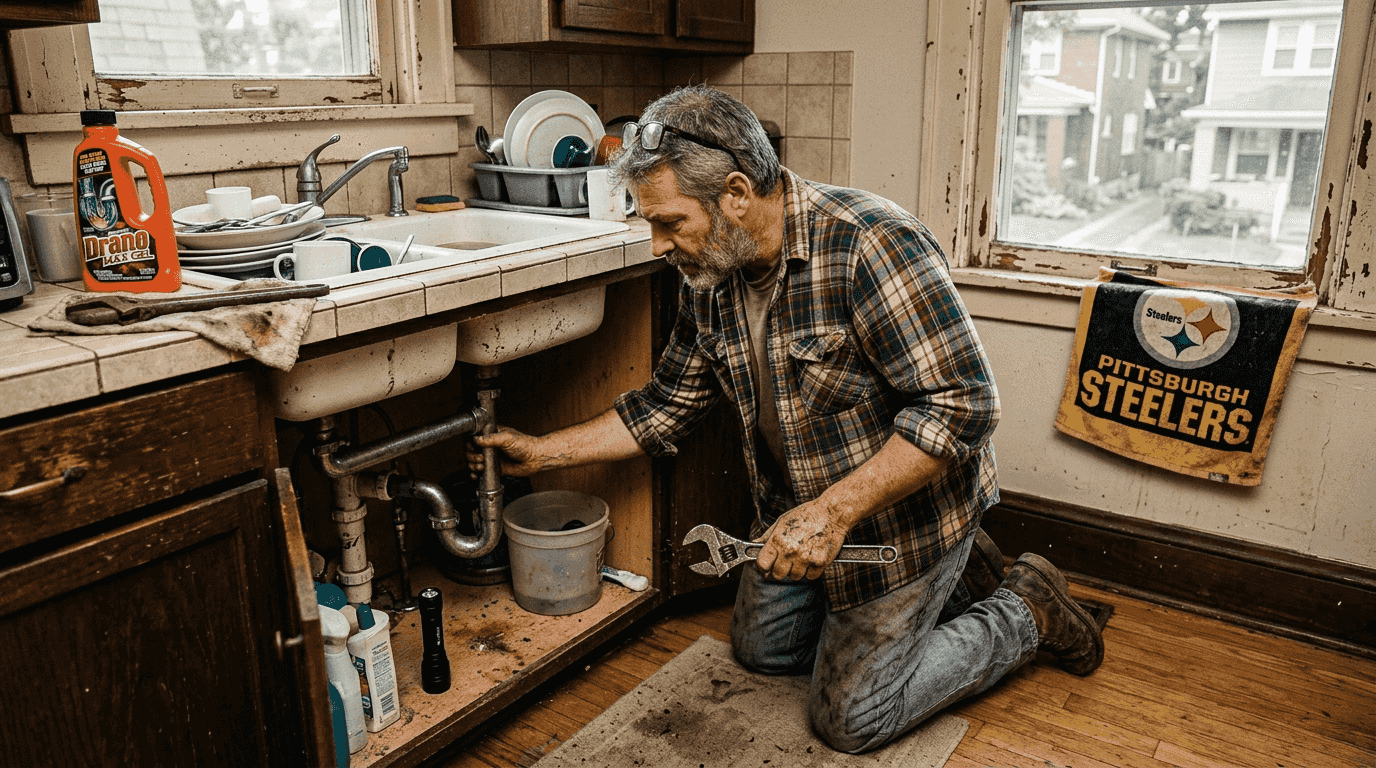
Choosing the right drain cleaning method can save you from costly repairs and prevent plumbing damage. Many homeowners and property managers in Pittsburgh face clogged drains but struggle to decide between chemical cleaners, snaking, hydro jetting, or enzymatic solutions. Each method works differently and suits specific situations. This article will help you evaluate criteria, explore common methods, compare them side by side, and guide your selection to keep your plumbing system running smoothly.
Table of Contents
- How To Evaluate Drain Cleaning Methods For Your Property
- Common Types Of Drain Cleaning Methods Explained
- Comparison Of Popular Drain Cleaning Methods For Homeowners
- Choosing The Best Drain Cleaning Method For Pittsburgh Properties
- Professional Drain Cleaning Services In Pittsburgh
- Frequently Asked Questions About Drain Cleaning Methods
Key takeaways
| Point | Details |
|---|---|
| Evaluation criteria | Clog type, pipe condition, safety, cost, and environmental impact determine the best cleaning method. |
| Common methods | Chemical cleaners, drain snaking, hydro jetting, and enzymatic solutions each address different clog scenarios. |
| Hydro jetting effectiveness | High-pressure water removes tough build-ups like grease and roots but costs more than other options. |
| Simple clog solutions | Drain snaking or chemical treatment can handle many common blockages affordably. |
| Professional assessment | Persistent or complex clogs require expert evaluation to prevent damage and recurring issues. |
How to evaluate drain cleaning methods for your property
Before selecting a drain cleaning method, you need to understand what factors matter most. Identifying the clog type is your first step. Grease build-up, hair accumulation, and tree roots each require different approaches. A grease clog responds well to high-pressure water, while hair typically needs mechanical removal.
Assessing your pipe material and condition prevents damage from harsh methods. Older cast iron or galvanized pipes may corrode when exposed to strong chemicals. PVC and newer materials tolerate more aggressive cleaning. Inspect your plumbing age and material before choosing a method.
Environmental and safety aspects matter, especially if you have children or pets. Chemical cleaners release fumes and can cause burns. Proper evaluation of clog type, pipe condition, and safety helps you avoid these hazards while selecting effective methods.
Cost and efficiency balance is crucial for property managers handling multiple units. Cheaper methods may require repeated applications, while professional services cost more upfront but deliver lasting results. Consider how often clogs recur and whether a one-time investment prevents future emergencies.
Key evaluation factors include:
- Clog composition and location in your plumbing system
- Age and material of your pipes
- Safety risks to household members and pets
- Budget constraints and long-term maintenance costs
- Environmental impact of cleaning agents
Pro Tip: Regular maintenance schedules reduce emergency calls and prolong plumbing life, saving you money over time.
With these criteria in mind, let’s explore the common types of drain cleaning methods and how they fit into these factors.
Common types of drain cleaning methods explained
Chemical cleaners use dissolving agents like sodium hydroxide or sulfuric acid to break down organic matter. You pour them down the drain, wait for the reaction, then flush with water. They work quickly on minor clogs but struggle with solid obstructions. The harsh chemicals can damage older pipes, especially with repeated use. Many products also pose environmental concerns when they enter water systems.
Drain snaking mechanically clears clogs using a flexible metal cable. A plumber or homeowner feeds the snake into the drain, rotating it to break up or pull out blockages. This method excels at removing hair, soap scum, and small solid objects. It’s affordable and widely applicable to most household drains. The tool doesn’t damage pipes and provides immediate results for accessible clogs.
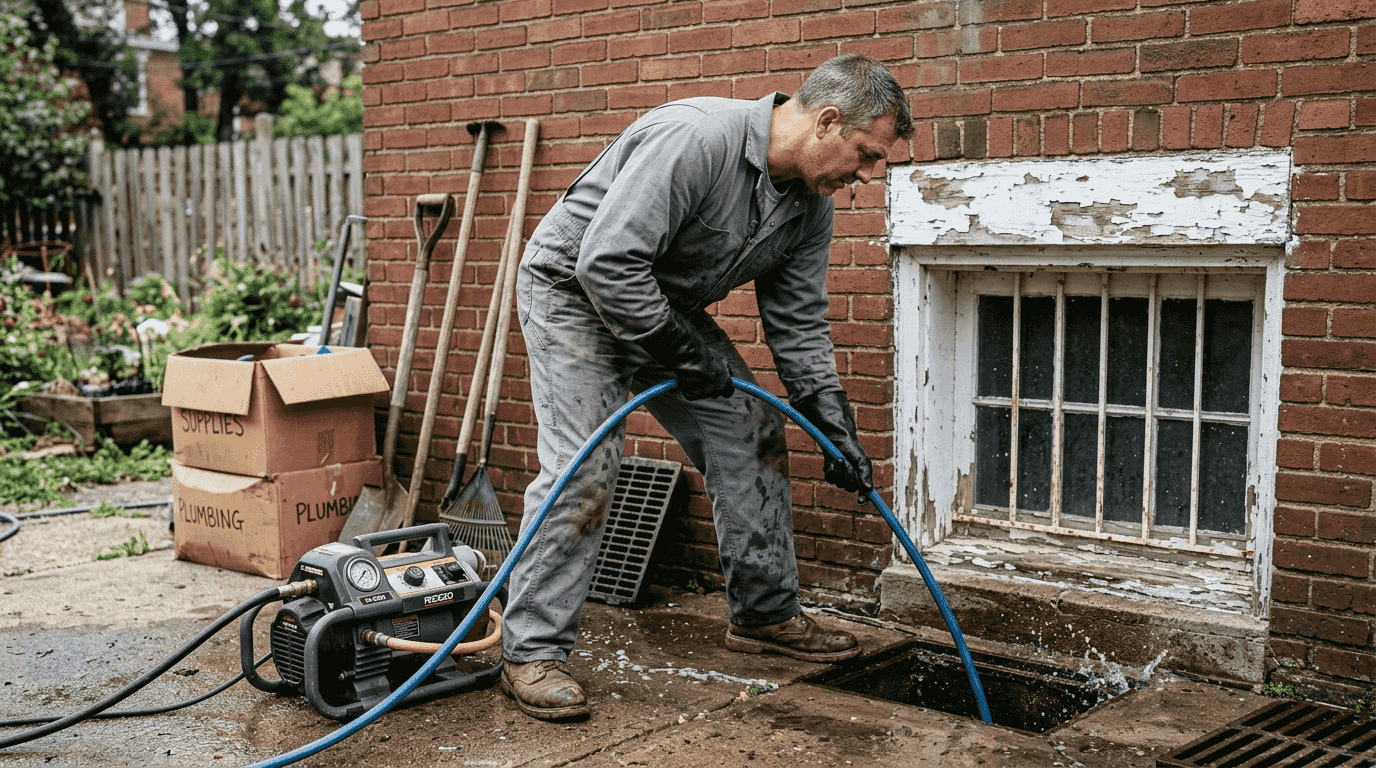
Hydro jetting offers effective removal of stubborn build-ups using high-pressure water streams. Professional equipment shoots water at 3,000 to 8,000 PSI through your pipes, scouring away grease, mineral deposits, and even tree roots. This thorough cleaning restores pipes to near-original condition. The method requires trained technicians and costs more than snaking, but it prevents recurring clogs for years.
Enzymatic drain cleaners use bacteria and enzymes to digest organic matter slowly. You apply them regularly to maintain clear drains rather than emergency clearing. These biological agents are safe for pipes and the environment. They work best on kitchen sinks with grease and food particles. The process takes hours or days, making them unsuitable for urgent blockages.
Main drain cleaning methods:
- Chemical cleaners for quick, minor clogs with caution about pipe damage
- Drain snaking for mechanical removal of hair and solid blockages
- Hydro jetting for comprehensive pipe cleaning and tough obstructions
- Enzymatic solutions for ongoing maintenance and eco-friendly clearing
Pro Tip: Choosing a method that matches clog type prevents pipe damage and recurrence, protecting your plumbing investment.
Having understood these methods individually, the next step is to compare them side by side to see their pros and cons at a glance.
Comparison of popular drain cleaning methods for homeowners
Comparing methods directly helps you weigh options based on your specific needs. The table below shows how each method performs across key criteria that matter to Pittsburgh homeowners and property managers.
| Method | Effectiveness | Cost | Safety | Environmental Impact | Best Use Case |
|---|---|---|---|---|---|
| Chemical Cleaners | Low to Medium | $5 to $20 | Low (fumes, burns) | High (toxic runoff) | Minor organic clogs, emergency quick fix |
| Drain Snaking | Medium to High | $100 to $250 | High | Low | Hair, soap, accessible solid blockages |
| Hydro Jetting | Very High | $350 to $600 | High | Low | Grease, roots, mineral deposits, full pipe cleaning |
| Enzymatic Cleaners | Low to Medium | $10 to $30 | Very High | Very Low | Ongoing maintenance, kitchen sink grease |
Chemical cleaners offer the lowest upfront cost but limited effectiveness. They handle simple organic clogs but fail against solid objects or severe build-up. The safety risks and environmental damage make them a last resort for many homeowners. Repeated use can weaken pipe joints and corrode metal components.
Drain snaking balances cost and effectiveness for many common clogs. A professional service call costs less than hydro jetting while solving most household blockages. The method is safe for all pipe types and creates no environmental concerns. It works immediately and allows you to see what caused the clog.
Hydro jetting delivers the most thorough cleaning available. It removes years of accumulated grease, mineral scale, and even invasive tree roots. Regular professional drain cleaning reduces emergencies by threefold when using comprehensive methods like hydro jetting. The higher cost pays off through longer-lasting results and fewer service calls.
Enzymatic cleaners rank highest for safety and environmental responsibility. They maintain clear drains when used consistently but can’t handle urgent blockages. The slow action requires patience and regular application. They work well as preventive maintenance between professional cleanings.
Situations best suited to each method:
- Use chemical cleaners only for minor, isolated clogs when other options aren’t available
- Choose drain snaking for hair clogs, bathroom sinks, and accessible blockages
- Opt for hydro jetting when you have recurring clogs, slow drains throughout the house, or grease build-up
- Apply enzymatic cleaners monthly to prevent organic matter accumulation in kitchen drains
With this comparison in mind, you can make a more informed decision about which cleaning method fits your property’s needs in Pittsburgh.
Choosing the best drain cleaning method for Pittsburgh properties
Selecting the right method requires a systematic approach. Follow these steps to match your situation with the most effective solution.
- Identify the clog severity by observing drain speed and backup frequency. Slow drainage suggests partial blockage, while complete backup indicates severe obstruction.
- Determine the clog location using multiple drain tests. If only one fixture backs up, the clog is local. Multiple fixtures suggest a main line problem.
- Consider DIY options for accessible, minor clogs. A plunger or hand snake can clear simple hair or soap blockages in bathroom sinks.
- Evaluate your budget against the problem scope. Spending $15 on chemicals might work for a minor clog, but a $400 hydro jetting service prevents $2,000 in pipe replacement.
- Research professional services when DIY fails or the clog recurs. Professional assessment is recommended for persistent or complex clogs to prevent damage.
- Schedule preventive maintenance after resolving the immediate issue. Regular professional cleaning costs less than emergency repairs.
Cost-benefit considerations help you decide between DIY and professional methods. A $150 snaking service that solves your problem for two years costs less per month than buying chemical cleaners repeatedly. Hydro jetting at $500 every three years prevents the $3,000 average cost of repairing damaged sewer lines.
Preventive maintenance delivers the best long-term value. Monthly enzymatic treatments cost about $20 but reduce the need for emergency services. Annual professional inspections catch problems before they become urgent. Property managers find that scheduled maintenance reduces tenant complaints and extends plumbing system life.
Pittsburgh’s older housing stock presents unique challenges. Many homes have cast iron or clay sewer lines that require gentler methods. Tree roots commonly invade these older pipes, making hydro jetting necessary every few years. Understanding your property’s plumbing age helps you choose appropriate methods.
Pro Tip: When in doubt, choose professional inspection and cleaning to avoid costly damages that result from using the wrong method on your specific plumbing system.
Now that you know how to choose, here is a brief look at how professional services in Pittsburgh can support your drain maintenance.
Professional drain cleaning services in Pittsburgh
Maintaining clear drains protects your home investment and prevents emergency situations. AG Heating, Cooling & Plumbing brings 30 years of experience to Pittsburgh properties, using proven methods like hydro jetting and drain snaking tailored to your specific needs. Our team understands the unique challenges of Pittsburgh’s older plumbing systems and knows which method works best for each situation.
We offer maintenance plans that reduce emergency plumbing issues significantly. Regular professional drain cleaning keeps your system running smoothly and catches small problems before they become expensive repairs. Our technicians use video inspection to diagnose issues accurately, ensuring you get the right solution the first time.
Whether you need routine maintenance or emergency clearing, our plumbing repair services cover all aspects of drain health. We provide upfront pricing and explain your options clearly, helping you make informed decisions about your property’s plumbing.
Pro Tip: Scheduled professional drain cleaning helps protect your home investment and avoid costly damages from neglected maintenance.
For professional help tailored to your property’s needs, AG Heating, Cooling & Plumbing offers reliable drain cleaning and plumbing services in Pittsburgh.
Frequently asked questions about drain cleaning methods
How often should I have my drains professionally cleaned?
Most Pittsburgh homes benefit from professional drain cleaning every 18 to 24 months. Properties with older plumbing, large trees near sewer lines, or frequent grease disposal may need annual service. Regular maintenance prevents emergency clogs and extends your plumbing system’s life.
Can I safely use chemical drain cleaners at home?
Chemical cleaners pose safety risks including skin burns, eye damage, and toxic fumes. They can also corrode older pipes and harm septic systems. Use them only as a last resort for minor clogs, following all label precautions, and never mix different products.
What are the signs that my drain needs hydro jetting?
Recurring clogs despite snaking, multiple slow drains throughout your house, and gurgling sounds indicate build-up that requires hydro jetting. Persistent foul odors from drains also suggest accumulated grease or organic matter that only high-pressure water can remove completely.
Is enzymatic drain cleaning effective for kitchen sinks?
Enzymatic cleaners work well for kitchen sinks when used regularly as preventive maintenance. They digest grease and food particles before they accumulate into clogs. However, they cannot clear existing blockages and require consistent monthly application to maintain effectiveness.
When should I replace old pipes instead of just cleaning drains?
Replace pipes when you experience frequent leaks, visible corrosion, discolored water, or recurring clogs despite professional cleaning. Pipes older than 50 years, especially galvanized steel or clay, often cost more to maintain than replace. A professional inspection reveals whether cleaning or replacement makes financial sense.
Recommended
- Drain Cleaning Services With Hydro Jetting in Pittsburgh, PA
- Step by step drain cleaning guide for PA homeowners – AG-Plumbing
- Drain Snaking Explained: Solving Pittsburgh Clogs Fast – AG-Plumbing
- Drain Cleaning Benefits 2026: Cut Emergencies by 3X – AG-Plumbing
