
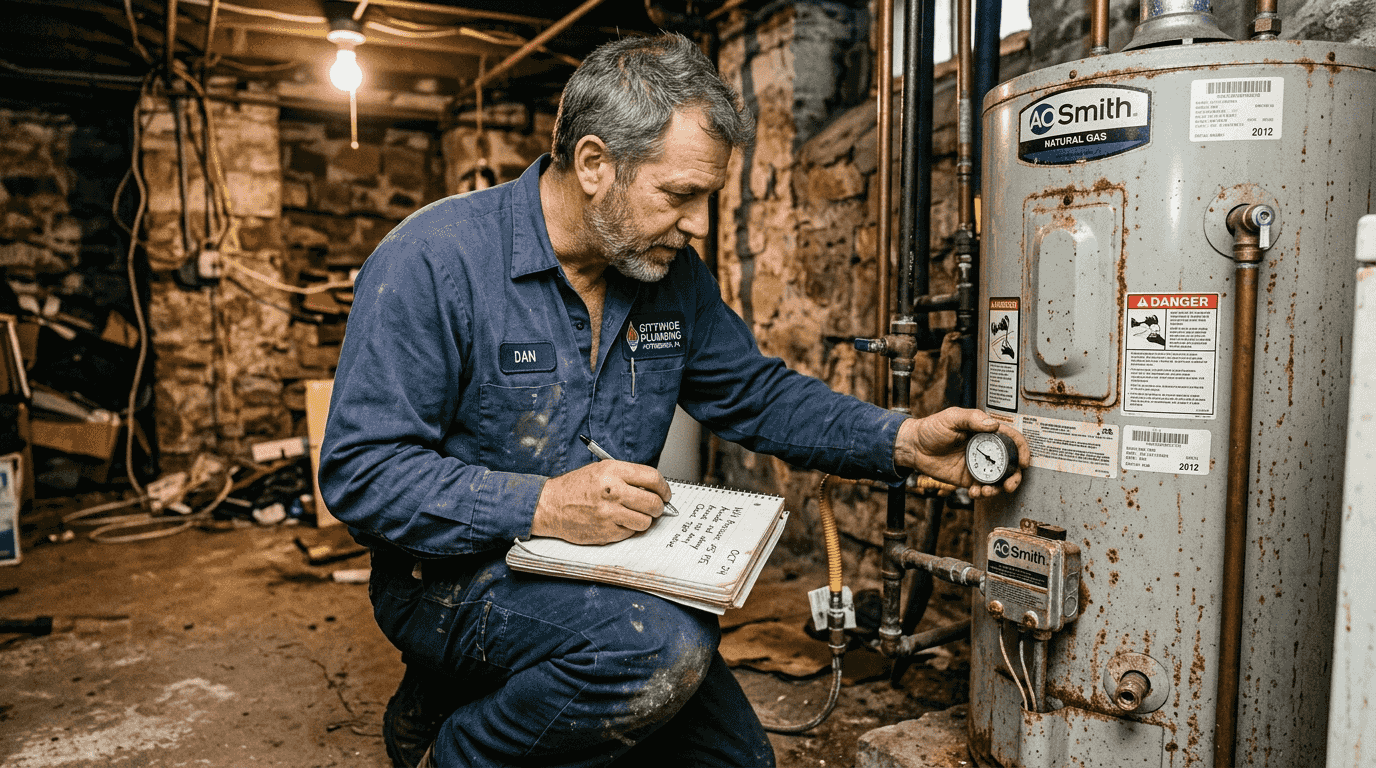
Professional plumbers do far more than fix leaky faucets. In Pittsburgh homes, preventive maintenance reduces emergency callouts by up to 30% annually, saving homeowners thousands in unexpected repairs. These skilled professionals maintain building safety, ensure regulatory compliance, and optimize system performance through advanced diagnostics and scheduled care. Understanding their comprehensive role helps property owners make smarter decisions about plumbing investments and maintenance strategies.
Table of Contents
- Key Takeaways
- Introduction To Professional Plumbing Services
- How Pittsburgh’s Local Environment Influences Plumbing Needs
- Core Functions Of Professional Plumbers Explained
- Common Misconceptions About What Professional Plumbers Do
- How To Choose The Right Plumbing Professional In Pittsburgh
- Preventive Vs. Reactive Plumbing Services: What You Need To Know
- Role Of Professional Plumbers In Emergency Situations
- Regulatory Compliance And Environmental Responsibilities
- Conclusion And Next Steps For Property Owners
- Why Choose AG Plumbing For Your Pittsburgh Plumbing Needs?
- Frequently Asked Questions
Key takeaways
| Point | Details |
|---|---|
| Comprehensive service scope | Professional plumbers provide emergency repairs, preventive maintenance, installations, inspections, and regulatory compliance support. |
| Pittsburgh-specific expertise | Local water quality, aging infrastructure, and freeze-thaw cycles require specialized plumbing knowledge unique to the region. |
| Preventive advantages | Scheduled maintenance cuts emergency repairs by 30% and extends system lifespan significantly compared to reactive approaches. |
| Licensed professional value | Verified training, code compliance, and transparent pricing protect homeowners from unsafe work and legal penalties. |
| Modern technology integration | Video inspections, leak sensors, and advanced diagnostics improve accuracy and reduce invasive repair methods. |
Introduction to professional plumbing services
Professional plumbers perform essential work that keeps buildings safe, functional, and compliant with health regulations. Their expertise covers far more territory than most homeowners realize, extending well beyond emergency repairs into preventive care and system optimization.
The top plumbing services in Pittsburgh include emergency repairs, routine maintenance, new installations, system upgrades, and diagnostic inspections. Each service category addresses specific needs that arise throughout a property’s lifecycle. Emergency services respond to burst pipes, severe leaks, or backup situations that threaten immediate damage. Maintenance work prevents these crises through regular system checks and component replacements before failures occur.
Installation services handle everything from fixture upgrades to complete system replacements. Modern plumbers integrate smart technologies like leak detection sensors and water-efficient fixtures that reduce utility costs. They also navigate complex permit requirements and building codes that vary by municipality.
Key service categories include:
- Emergency response for burst pipes, severe leaks, and sewage backups
- Scheduled maintenance including drain cleaning, water heater checks, and pipe inspections
- Installation of fixtures, appliances, water heaters, and complete system upgrades
- Diagnostic services using video cameras, pressure tests, and thermal imaging
- Compliance assistance for permits, inspections, and code requirements
Plumbing failures cause substantial property damage when left unaddressed. Water damage from leaks destroys flooring, walls, and structural components. Sewage backups create health hazards requiring immediate professional intervention. Regular professional maintenance identifies vulnerable components before they fail catastrophically.
Pro Tip: Schedule annual plumbing inspections before winter to identify vulnerable pipes and prevent freeze-related emergencies during Pittsburgh’s coldest months.
How Pittsburgh’s local environment influences plumbing needs
Pittsburgh’s specific environmental conditions create unique challenges that demand specialized plumbing expertise. The region’s water chemistry, infrastructure age, and climate patterns all impact how plumbing systems perform and deteriorate over time.
Pittsburgh’s water contains minerals that accumulate inside pipes, reducing flow capacity and efficiency. Hard water deposits build up on fixtures, water heaters, and appliance connections, requiring more frequent maintenance than softer water regions. These minerals also accelerate corrosion in certain pipe materials, shortening system lifespan.
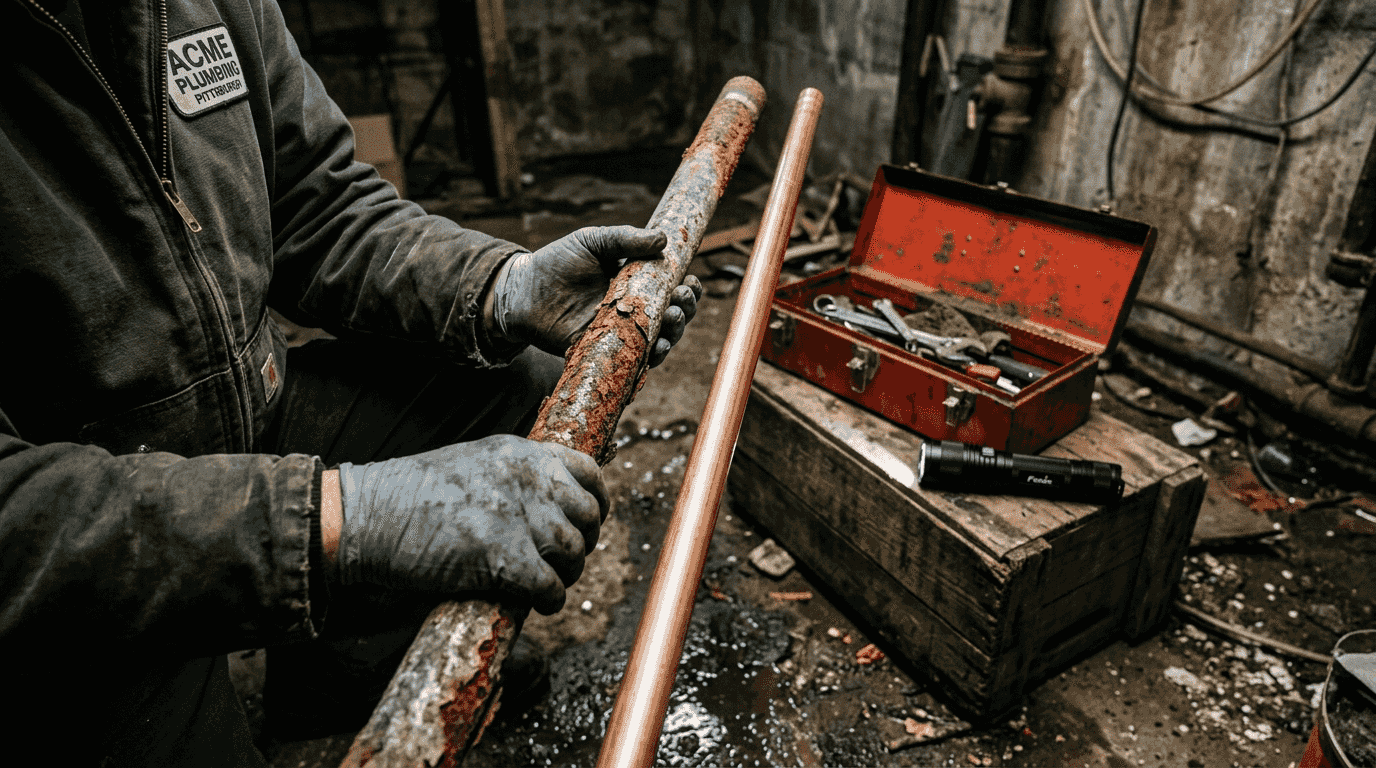
Many Pittsburgh properties contain older pipe materials requiring special expertise. Galvanized steel, cast iron, and early copper installations each present distinct maintenance requirements. Historic homes may still have lead service lines or outdated materials that need careful assessment and potential replacement to ensure safety.
Pittsburgh’s freeze-thaw cycles place tremendous stress on plumbing infrastructure. Water expands when frozen, creating pressure that cracks pipes and fittings. Exterior hose bibs, uninsulated crawl spaces, and poorly protected basement pipes face elevated risk during cold snaps. Properties on hillsides also contend with soil movement that stresses underground supply and sewer lines.
Local environmental factors requiring specialized knowledge:
- Hard water mineral content causing buildup and corrosion
- Historic pipe materials including galvanized steel and cast iron
- Severe winter temperatures creating freeze and burst risks
- Hillside locations with soil movement affecting underground lines
- Regional drainage patterns impacting foundation and basement waterproofing
Homeowners benefit enormously from plumbers who understand these Pittsburgh-specific challenges. Local expertise means faster, more accurate diagnoses and solutions tailored to regional conditions rather than generic approaches that may miss critical factors.
Core functions of professional plumbers explained
Professional plumbers fulfill multiple critical roles that protect property value and ensure daily comfort. Understanding these functions helps homeowners recognize when to engage professionals and what services provide maximum value.
Emergency repair services address acute failures that threaten immediate damage. Emergency response reduces secondary damage by over 50%, preventing water from destroying floors, walls, and belongings. Rapid professional intervention stops leaks, clears dangerous backups, and restores safe water access. These services operate around the clock because plumbing emergencies ignore business hours.
Preventive maintenance represents the most cost-effective plumbing investment. Regular inspections identify worn components before failure, allowing scheduled replacements that avoid emergency pricing and damage costs. Maintenance includes drain cleaning, water heater flushing, fixture checks, and pipe inspections that extend system lifespan significantly.
Installation and upgrade services modernize plumbing systems with efficient, reliable components. New water heaters, low-flow fixtures, and smart leak detectors improve performance while reducing utility bills. Professional installation ensures proper sizing, code compliance, and warranty protection that DIY attempts often compromise.
Modern diagnostic tools revolutionize how plumbers identify and solve problems:
- Video camera inspections reveal pipe interiors without excavation
- Electronic leak detection pinpoints hidden water loss locations
- Pressure testing identifies weak points before catastrophic failure
- Thermal imaging detects temperature anomalies indicating problems
Scheduled maintenance delivers measurable benefits:
- Annual inspections catch 80% of potential failures before emergency situations develop
- Regular drain cleaning prevents backups and extends pipe lifespan by removing corrosive buildup
- Water heater maintenance improves efficiency by 10-15% through sediment removal
- Fixture checks identify leaks wasting hundreds of gallons monthly
- System documentation tracks component ages and replacement schedules
Pro Tip: Keep a plumbing maintenance log noting inspection dates, repairs, and component ages to optimize replacement timing and provide valuable information when selling your property.
Comprehensive heating and plumbing services in Pittsburgh combine these functions into coordinated care that maximizes system reliability. Homeowners who establish ongoing relationships with trusted professionals gain priority service and consistent quality. Refer to the emergency plumbing guide for homeowners for detailed crisis response strategies.
Common misconceptions about what professional plumbers do
Many homeowners hold outdated views about plumbing professionals that limit their appreciation of available services and expertise. Correcting these misconceptions improves decision-making and helps property owners access the full value professional plumbers provide.
The most persistent myth portrays plumbers as merely fixing visible leaks and clogs. In reality, professional plumbing encompasses preventive system care, regulatory compliance, health protection, and sophisticated diagnostic work. Only 60% of homeowners understand the full scope of services available, missing opportunities for cost savings and damage prevention.
Licensing and training requirements exist for critical reasons beyond bureaucratic formality. Licensed plumbers complete extensive education covering building codes, health regulations, and proper installation techniques. This training protects homeowners from unsafe work that creates fire hazards, contamination risks, or structural damage. Unlicensed work may void insurance coverage and create liability during property sales.
Plumbing systems directly impact household health through water quality and waste disposal. Professional plumbers prevent cross-connections that contaminate drinking water, ensure proper venting that eliminates dangerous sewer gases, and install backflow prevention devices protecting municipal water supplies. These health-critical functions demand expertise beyond simple pipe repairs.
Common myths that limit homeowner understanding:
- Plumbing work is simple enough for anyone with basic tools and YouTube tutorials
- All plumbers offer identical service quality and expertise
- Plumbing maintenance is unnecessary if nothing appears broken
- Cheapest estimates always represent the best value
- Emergency services are the only time professional plumbers are needed
“Professional plumbers serve as health guardians, ensuring safe water delivery and waste removal that prevents disease transmission. Their work protects public health infrastructure beyond individual properties.”
Recognizing plumbers as skilled professionals who safeguard health, prevent damage, and ensure regulatory compliance helps homeowners make better service decisions. Plumbing inspection benefits in Pennsylvania include identifying code violations that could complicate property sales or trigger penalties during municipal inspections.
How to choose the right plumbing professional in Pittsburgh
Selecting qualified, reliable plumbers requires evaluating specific credentials and characteristics that indicate professional excellence. Pittsburgh’s unique plumbing challenges make local expertise particularly valuable.
Pennsylvania plumbing licenses verify that professionals have completed required training and passed competency examinations. Licensed plumbers carry insurance protecting homeowners from liability if accidents occur during work. Request license numbers and verify them through state databases to confirm current status and absence of disciplinary actions.
Experience with Pittsburgh’s specific infrastructure and environmental conditions separates exceptional plumbers from adequate ones. Professionals familiar with regional water quality, common pipe materials in older neighborhoods, and local code requirements work faster and more accurately. They anticipate problems unique to the area and implement solutions proven effective in similar conditions.
Transparent pricing eliminates unpleasant surprises and indicates honest business practices. Quality plumbers provide detailed estimates explaining labor, materials, and any potential complications. They discuss options at different price points and explain tradeoffs clearly. Avoid professionals who pressure immediate decisions or refuse written estimates.
Selection criteria for Pittsburgh plumbing professionals:
- Verified Pennsylvania plumbing license and current insurance coverage
- Demonstrated experience with local water quality and infrastructure challenges
- Clear, detailed written estimates with no hidden fees
- Strong reputation verified through recent customer reviews
- Investment in modern diagnostic equipment and continuing education
- Availability for emergency services when urgent needs arise
- Membership in professional organizations indicating commitment to standards
Customer reviews reveal patterns in service quality, communication, and problem resolution. Look for consistent feedback about punctuality, cleanliness, thoroughness, and fair pricing. Recent reviews matter more than overall ratings, reflecting current service standards.
Pro Tip: Ask potential plumbers about their experience with your home’s age and construction type. Professionals with relevant experience diagnose problems faster and avoid trial-and-error approaches that waste time and money.
Modern diagnostic technologies like video pipe inspection and electronic leak detection indicate professionals who invest in quality service delivery. These tools improve accuracy while reducing property disruption. Explore comprehensive heating, cooling and plumbing services to understand available options. Review top plumbing services in Pittsburgh for detailed service descriptions.
Preventive vs. reactive plumbing services: what you need to know
Homeowners choose between proactive maintenance strategies and reactive crisis management. Understanding the substantial differences in cost, convenience, and outcomes helps optimize plumbing investment decisions.
Preventive plumbing services address potential problems before they cause damage or disruption. Regular maintenance cuts emergency callouts by up to 30%, delivering substantial savings over time. Scheduled inspections identify worn washers, corroded connections, and accumulated debris that will eventually fail. Replacing these components during convenient appointments costs far less than emergency service rates plus damage repairs.
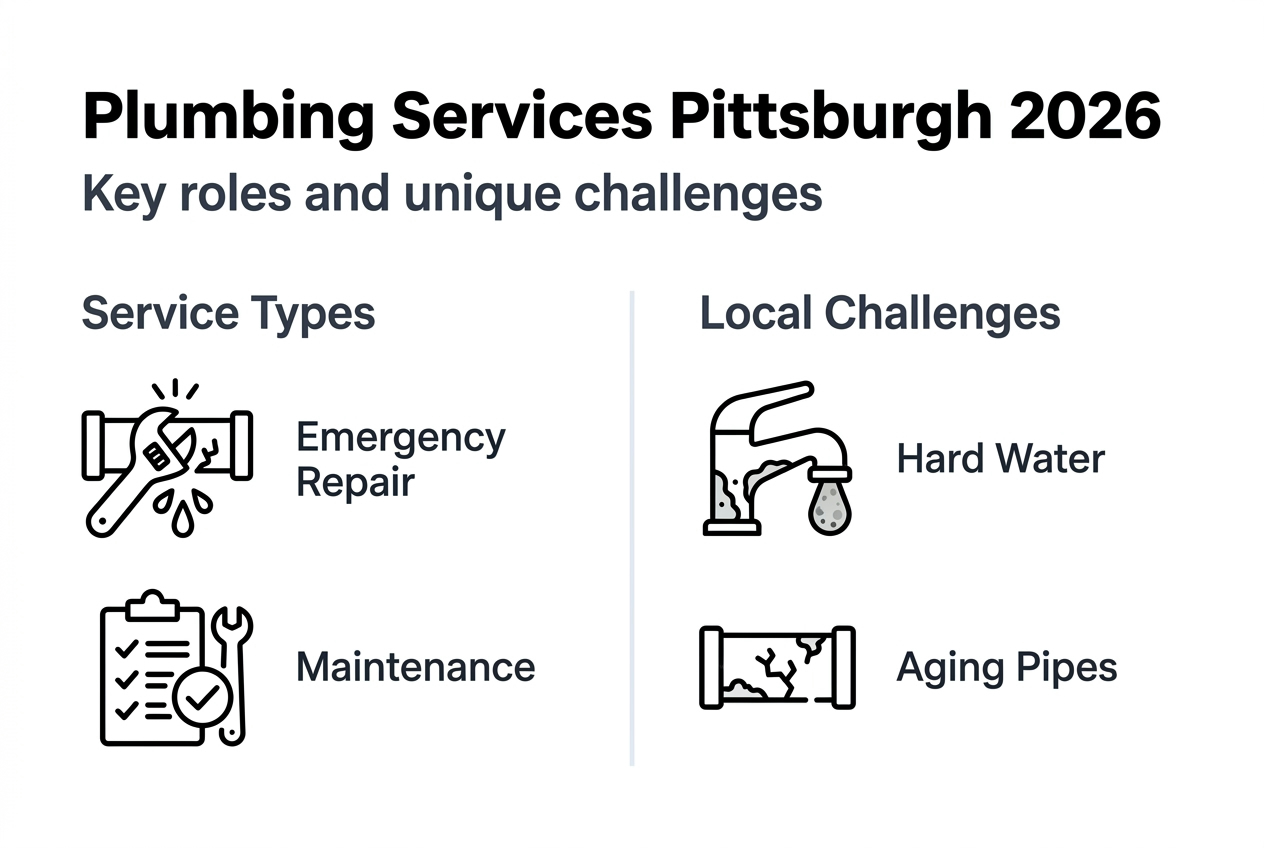
Reactive approaches wait until failures occur before engaging professionals. While this seems economical short-term, emergency repairs carry premium pricing and often happen at the worst possible times. Burst pipes flood homes, requiring not only plumbing repairs but also water extraction, drying, and reconstruction. These secondary damages typically cost five to ten times more than the initial plumbing failure.
| Aspect | Preventive Approach | Reactive Approach |
|---|---|---|
| Cost structure | Lower per-visit costs through scheduled maintenance | Higher emergency rates plus extensive damage repairs |
| Convenience | Planned appointments during regular hours | Disruptions at inconvenient times requiring schedule changes |
| System lifespan | 30-50% longer component life through proper care | Accelerated wear from neglected maintenance |
| Damage risk | Minimal property damage through early intervention | Significant water damage, mold growth, structural issues |
| Stress level | Low stress with predictable maintenance schedule | High stress managing emergencies and displacement |
Preventive maintenance programs typically include:
- Annual comprehensive system inspections identifying vulnerable components
- Regular drain cleaning preventing backups and extending pipe life
- Water heater maintenance improving efficiency and preventing failures
- Fixture and connection checks stopping small leaks before major damage
- Seasonal preparations protecting systems from weather extremes
Reactive repairs address immediate crises but miss opportunities for system optimization. Emergency response reduces secondary damage risks by more than 50% when problems do occur, demonstrating the value of rapid professional intervention. However, combining quick emergency response with regular preventive care delivers optimal results.
Long-term cost comparisons consistently favor preventive strategies. Homeowners spending $200-400 annually on scheduled maintenance typically avoid $2,000-5,000 in emergency repairs and damage restoration. Insurance claims from plumbing failures can also increase premiums, adding hidden costs to reactive approaches.
Learn more about drain cleaning benefits in 2026 and explore reliable sewer repair services for comprehensive system protection.
Role of professional plumbers in emergency situations
Plumbing emergencies demand immediate, expert intervention to minimize damage and restore safety. Professional plumbers provide critical services during acute crises that homeowners cannot safely or effectively handle alone.
Pittsburgh homes face several common emergency scenarios requiring rapid professional response. Burst pipes from freeze damage release hundreds of gallons hourly, flooding basements and destroying belongings. Sewage backups create biohazard conditions requiring specialized cleanup protocols. Water heater failures can flood entire floors while eliminating hot water access. Main line breaks cut off water supply to entire properties.
Emergency plumbing services reduce damage and repair costs by over 50% through rapid professional response. Every minute matters when water flows uncontrolled through a structure. Quick intervention stops the source, extracts standing water, and begins drying processes that prevent mold growth and structural damage.
Professional emergency response typically follows this sequence:
- Immediate source control stopping water flow or sewage backup
- Damage assessment identifying affected areas and secondary risks
- Emergency repairs restoring basic function and safety
- Water extraction and initial drying to prevent further damage
- Temporary solutions ensuring continued essential services
- Comprehensive repair planning addressing underlying causes
- Follow-up inspections confirming complete resolution
Homeowners should prepare for plumbing emergencies before they occur. Know your main water shutoff location and test it annually to ensure it operates properly. Keep emergency contact information readily accessible for 24/7 plumber services. Document your plumbing system’s layout and component locations to help professionals respond efficiently.
During emergencies, homeowners should shut off water supply, move valuables away from water, and document damage for insurance claims. Avoid DIY repairs during active crises, as improper interventions often worsen situations. Contact professional emergency plumbers immediately rather than waiting to assess full damage extent.
Consult the comprehensive emergency plumbing guide for homeowners for detailed crisis management strategies and preparation checklists.
Regulatory compliance and environmental responsibilities
Professional plumbers ensure that plumbing systems meet legal requirements and environmental standards protecting public health and natural resources. These compliance responsibilities extend beyond individual properties into community-wide infrastructure.
Pittsburgh’s plumbing codes specify materials, installation methods, and safety features required for all plumbing work. Permits and inspections verify compliance with these standards before work is approved. Non-compliant installations create safety hazards, void insurance coverage, and trigger penalties during property sales. Code requirements exist because improper plumbing work has caused fires, contamination events, and structural failures throughout history.
Health and safety regulations govern water quality, waste disposal, and ventilation standards. Cross-connection control prevents contaminated water from entering clean supply lines. Backflow prevention devices protect municipal water systems from individual property contamination. Proper venting eliminates sewer gases that cause illness and create explosion risks.
Environmental regulations address water conservation, waste management, and chemical disposal:
- Low-flow fixture requirements reducing municipal water demand
- Water heater efficiency standards minimizing energy consumption
- Proper disposal protocols for hazardous materials like old water heaters
- Greywater and rainwater harvesting system regulations
- Sump pump discharge rules protecting waterways from contamination
Licensed plumbers understand these complex, frequently updated regulations. They obtain necessary permits, schedule required inspections, and document work to prove compliance. This protects homeowners from fines, repair orders, and legal liability if problems arise.
Hiring compliant professionals provides multiple protections. Permitted work includes inspection verification that installations meet safety standards. Insurance companies honor claims for damage from properly installed, maintained systems. Property sales proceed smoothly when documentation proves code-compliant installations. Municipal inspectors focus on unpermitted work, creating complications for homeowners who skip proper procedures.
Environmental stewardship increasingly influences plumbing standards. Water scarcity concerns drive conservation requirements. Wastewater treatment capacity limits necessitate careful sewage management. Professional plumbers help homeowners balance regulatory compliance with practical functionality and cost considerations.
Conclusion and next steps for property owners
Professional plumbers provide comprehensive services essential for maintaining safe, functional, efficient plumbing systems in Pittsburgh properties. Their expertise extends far beyond emergency repairs into preventive care, system optimization, and regulatory compliance that protects property values and household health.
Pittsburgh’s unique environmental conditions, including hard water, aging infrastructure, and severe winters, require specialized knowledge that local professionals provide. Homeowners who establish relationships with qualified plumbers gain access to proactive maintenance programs that prevent costly emergencies and extend system lifespan significantly.
Selecting licensed, experienced professionals ensures quality work that meets code requirements and protects against liability. Transparent pricing, modern diagnostic equipment, and strong reputations indicate plumbers committed to excellent service delivery. Preventive maintenance strategies deliver superior long-term value compared to reactive crisis management.
Actionable steps for Pittsburgh property owners:
- Schedule annual plumbing inspections before winter to identify vulnerable components
- Verify plumber licensing and insurance before engaging any services
- Establish maintenance schedules addressing your specific system and property age
- Document your plumbing system layout and component locations for emergency reference
- Budget for preventive care rather than gambling on avoiding emergencies
Contact professional plumbers immediately when you notice declining water pressure, slow drains, unusual sounds, or visible leaks. Early intervention prevents minor issues from escalating into major damage. Emergency situations like burst pipes, sewage backups, or complete system failures require 24/7 professional response.
Explore same day plumbing services for rapid emergency response and review drain cleaning benefits 2026 to understand preventive maintenance value.
Why choose AG Plumbing for your Pittsburgh plumbing needs?
Navigating Pittsburgh’s unique plumbing challenges requires local expertise and proven reliability. AG Heating, Cooling & Plumbing brings 30 years of experience serving Pittsburgh homeowners and property managers with comprehensive plumbing solutions.
Our licensed professionals understand the region’s hard water effects, aging infrastructure concerns, and winter-related risks that demand specialized approaches. We provide emergency response, preventive maintenance, system installations, and diagnostic services using modern technology that improves accuracy while minimizing property disruption.
Transparent pricing, clear communication, and commitment to code compliance ensure that every project meets the highest standards. Whether you need routine maintenance, urgent repairs, or complete system upgrades, our team delivers solutions tailored to your specific property and budget.
Contact our heating, cooling and plumbing services Pittsburgh team to schedule an inspection or discuss your plumbing needs. Explore our plumbing repair services Pittsburgh and review essential plumbing services for homeowners to understand how we protect your property investment.
Frequently asked questions
What services do professional plumbers provide beyond leak repairs?
Professional plumbers offer comprehensive services including preventive maintenance, complete system installations, emergency repairs, detailed inspections, and regulatory compliance assistance. They optimize system performance through drain cleaning, water heater maintenance, fixture upgrades, and advanced diagnostics using video cameras and leak detection equipment. Many also provide consultation on water conservation, efficiency improvements, and system modernization. Licensed professionals stay current with evolving technologies and code requirements to advise clients on best practices and available options for their specific situations.
How do Pittsburgh’s water quality and climate affect plumbing systems?
Pittsburgh’s hard water creates mineral deposits that reduce pipe capacity and accelerate fixture wear, requiring more frequent maintenance than soft water regions. Cold winters cause freeze-thaw cycles that stress pipes and increase burst risks, particularly in uninsulated areas. Older pipe materials common throughout Pittsburgh neighborhoods demand specialized repair and replacement expertise. Understanding these regional factors helps homeowners select knowledgeable plumbers who implement proven solutions for local conditions rather than generic approaches that may miss critical considerations.
Why is hiring a licensed plumber important in Pittsburgh?
Licensed plumbers complete verified training in local building codes, safety regulations, and proper installation techniques that protect homeowners from unsafe work and legal complications. They carry insurance protecting property owners from liability if accidents occur during service. Licensed professionals obtain necessary permits and schedule inspections ensuring code compliance that prevents fines, maintains insurance coverage, and facilitates smooth property sales. Their verified expertise delivers higher quality work than unlicensed alternatives who may create hazards or violate regulations.
What are the benefits of preventive plumbing maintenance?
Scheduled inspections identify worn components before failure, allowing convenient repairs that avoid emergency pricing and extensive damage costs. Preventive maintenance reduces emergency callouts by catching 80% of potential problems early. Regular drain cleaning, water heater flushing, and fixture checks extend system lifespan by 30-50% while improving efficiency. Annual maintenance typically costs $200-400 but prevents $2,000-5,000 in emergency repairs and damage restoration, delivering substantial long-term savings and peace of mind.
Recommended
- Top 7 Plumbing Services in 2026 for Homeowners in Pittsburgh, PA – AG-Plumbing
- Our Gallery
- Reliable Sewer Repair Services in Pittsburgh, PA
