
TL;DR:
- Performing seasonal plumbing maintenance helps Pittsburgh homeowners prevent costly repairs throughout the year. Checking outdoor faucets, inspecting pipes, and insulating fixtures in fall reduce winter damage risk. Regularly testing shut-off valves and flushing water heaters maintain system safety and efficiency.
A seasonal plumbing checklist is a structured set of quarterly maintenance tasks designed to protect your home’s plumbing system from damage and keep it running efficiently year-round. Pittsburgh’s climate makes this especially critical. Freezing winters, humid summers, and heavy spring rains each stress your pipes, fixtures, and appliances in different ways. Following a quarterly maintenance routine means you catch small problems before they become expensive emergencies. Most homeowners can complete essential seasonal checks in 1–2 hours per season. That is a small investment compared to the cost of a burst pipe or a failed water heater.
1. Your seasonal plumbing checklist starts in spring
Spring is the best time to assess winter damage before Pittsburgh’s heavy rains arrive. Frozen temperatures can crack outdoor faucets and hose bibs without leaving obvious signs. Walk the exterior of your home and open each outdoor faucet. If water trickles out slowly or not at all, the line may have cracked internally.
Check your sump pump next. Spring rains in Pittsburgh can overwhelm a basement quickly if the pump fails. Pour a bucket of water into the sump pit and confirm the pump activates and drains the water within seconds. A pump that hesitates or runs continuously needs attention before the wet season peaks.
Indoors, inspect exposed pipes in your basement and crawlspace for hairline cracks or moisture stains. Run your hands along supply lines under sinks. Water pressure above 80 PSI stresses pipes and joints, leading to early leaks. An inexpensive pressure gauge attached to any hose bib tells you where you stand. The target range is 40–60 PSI.
Spring is also the right time to clear drains of mineral buildup. Avoid chemical drain cleaners, which damage pipes over time. Use a drain snake or a baking soda and vinegar flush instead.
Pro Tip: Run a toilet dye test every spring. Drop a few drops of food coloring into the tank and wait 15 minutes without flushing. Color in the bowl means your flapper is leaking silently, wasting gallons daily.
| Spring task | Estimated time | Difficulty |
|---|---|---|
| Inspect outdoor faucets and hose bibs | 20 minutes | Easy |
| Test sump pump operation | 10 minutes | Easy |
| Check exposed pipes for cracks | 15 minutes | Easy |
| Test water pressure with gauge | 10 minutes | Easy |
| Flush drains with baking soda method | 15 minutes | Easy |
2. Summer plumbing checklist: appliances and water usage
Summer increases water demand in most Pittsburgh homes. Irrigation systems, extra laundry, and more frequent dishwasher cycles all push your plumbing harder. The goal of a summer plumbing checklist is to catch wear before peak demand exposes it.
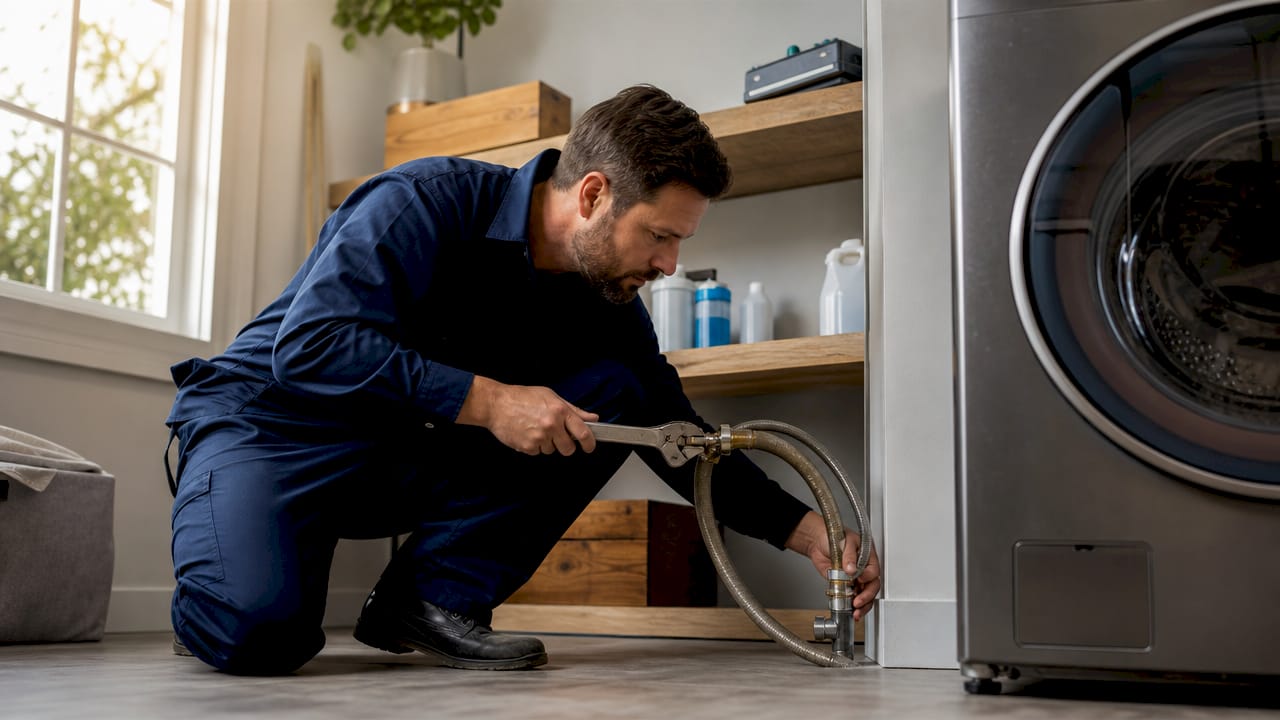
Start with your washing machine and dishwasher supply hoses. These hoses have a lifespan of 5–10 years and often fail without visible warning. Look for bulging, cracking, or moisture around the connections. Replace rubber hoses with braided stainless steel versions for added durability.
Flush your water heater to remove sediment that builds up over the year. Sediment reduces heating efficiency and shortens tank life. Annual flushing is one of the highest-return maintenance tasks you can do yourself. Attach a garden hose to the drain valve, run it to a floor drain, and flush until the water runs clear.
Check your irrigation system for leaks or misaligned heads. Adjusting irrigation timers seasonally reduces water waste and lowers utility bills. A single leaking irrigation head can waste hundreds of gallons per week without you noticing.
- Inspect washing machine and dishwasher supply hoses for wear or bulging
- Flush the water heater tank to remove sediment
- Test water pressure at multiple fixtures
- Check irrigation lines and adjust timers for summer schedules
- Clean the garbage disposal with ice cubes and salt to remove buildup
- Test the main water shut-off valve to confirm it operates freely
Pro Tip: Before leaving for vacation, shut off the main water supply valve. A pipe failure while you are away can cause thousands of dollars in water damage with no one home to stop it.
3. Fall plumbing precautions: insulating and winterizing before the cold hits
Fall is the most consequential season for Pittsburgh plumbing. The window between the first cold snap and a frozen pipe is short. Homeowners who skip fall preparation pay for it in january and february.
Insulate exposed pipes in your basement, crawlspace, and garage. Foam pipe insulation is inexpensive and installs without tools. For pipes in unheated spaces, consider cold climate pipe protection rated for temperatures below 20°F, which Pittsburgh regularly sees.
Disconnect and drain all garden hoses before the first freeze. Water left in a connected hose can back up into the faucet and crack the pipe behind the wall. Shut off the interior valve that feeds each outdoor faucet, then open the outdoor faucet to drain any remaining water.
Seal drafts in crawlspaces that allow cold air to reach pipes. Foam backer rod and caulk work well for small gaps. Larger openings may need rigid foam board. A sealed crawlspace also reduces humidity, which protects wood framing and reduces the chance of pipe sweating in warmer months.
Test your water heater’s pressure relief valve in fall. Lift the lever briefly and confirm water flows, then release it. A valve that sticks or leaks after testing needs replacement before winter demands peak hot water use.
Pro Tip: Schedule a professional drain cleaning in fall if your drains have been slow all summer. A partial clog that drains slowly in warm weather can back up completely when grease and debris solidify in cold pipes.
| Insulation material | Best use | Relative cost |
|---|---|---|
| Foam pipe sleeves | Basement and crawlspace pipes | Low |
| Fiberglass wrap | Pipes near exterior walls | Low to medium |
| Heat tape (electric) | Pipes in unheated spaces | Medium |
| Rigid foam board | Crawlspace wall sealing | Low to medium |
- Insulate exposed pipes in basement, crawlspace, and garage
- Disconnect and drain all garden hoses
- Shut off and drain outdoor faucets
- Seal crawlspace drafts with foam or rigid board
- Test water heater pressure relief valve
- Schedule professional drain cleaning if drains have been slow
4. Winter plumbing preparation: preventing frozen pipes
Frozen pipes are the most expensive plumbing emergency Pittsburgh homeowners face. A single burst pipe can release hundreds of gallons before anyone notices. The good news is that prevention costs almost nothing compared to the repair.
Keep your home’s indoor temperature above 55°F at all times, even when you are away. Common winter protection includes maintaining this minimum temperature, letting faucets drip on the coldest nights, and knowing your main shut-off location. A slow drip from a faucet fed by an exposed pipe keeps water moving and dramatically reduces freeze risk.
Open cabinet doors under kitchen and bathroom sinks on nights when temperatures drop below 20°F. This lets warm room air circulate around the supply lines behind the cabinet wall. It is a simple step that costs nothing and works reliably.
Locate your main water shut-off valve now, before an emergency. Knowing its location is the single most important safety step you can take. Test it by turning it fully off and back on. A valve that is stiff or corroded should be serviced before winter. If a pipe bursts, every second you spend searching for the shut-off adds to the damage.
If you have a gas water heater, check the pilot light and confirm the thermocouple is functioning. A water heater that fails in january is both an emergency and a safety issue.
- Keep indoor temperature above 55°F at all times
- Let faucets drip on nights below 20°F
- Open cabinet doors under sinks during extreme cold
- Locate and test the main water shut-off valve
- Check gas water heater pilot light and safety controls
- Know the location of your gas shut-off if applicable
Pro Tip: If you return home to find no water flowing from any faucet, do not turn on the heat suddenly. Rapid temperature changes can cause a frozen pipe to burst. Warm the space gradually and call a plumber if you cannot locate the freeze point.
Key takeaways
A consistent quarterly plumbing routine is the most effective way Pittsburgh homeowners can prevent costly repairs and maintain system efficiency across all four seasons.
| Point | Details |
|---|---|
| Spring inspection priority | Check outdoor faucets, sump pumps, and water pressure before heavy rains arrive. |
| Summer appliance focus | Inspect supply hoses every summer; replace rubber hoses older than 5 years. |
| Fall insulation window | Insulate pipes and seal crawlspace drafts before the first Pittsburgh freeze. |
| Winter freeze prevention | Keep indoor temps above 55°F and locate your main shut-off valve before cold hits. |
| Shut-off valve knowledge | Testing the main shut-off valve annually is the single most critical safety step. |
What 30 years in Pittsburgh plumbing taught me about seasonal maintenance
The homeowners who call Ag-plumbing in a panic in january almost always skipped one step in october. It is rarely a catastrophic oversight. It is a disconnected hose left on, a crawlspace vent left open, or a pressure relief valve that was never tested. Small omissions compound into expensive emergencies.
The conventional wisdom says to do a big annual inspection. I disagree. One annual check misses too much. Pittsburgh’s seasons are distinct enough that each one creates a different set of risks. A spring check catches winter damage. A fall check prevents winter damage. Treating them as one event means you are always reacting instead of preparing.
The task most homeowners skip is testing the main water shut-off valve. People assume it works because they have never needed it. Then a pipe bursts at 2 AM and the valve will not turn. That single untested valve turns a $300 repair into a $5,000 water damage claim.
My honest recommendation: set four calendar reminders, one per season, and spend 90 minutes on each check. Pair DIY tasks like pressure checks and drain flushes with professional service for anything involving your water heater, sewer line, or gas connections. The pipe maintenance basics you handle yourself reduce the frequency of professional calls. But when something is beyond a visual check, call a licensed plumber. The cost of a professional inspection is always less than the cost of the emergency it prevents.
— Maayan
Ag-plumbing’s seasonal maintenance services in Pittsburgh
Ag-plumbing has served Pittsburgh homeowners and renters for 30 years, handling everything from routine seasonal inspections to emergency pipe repairs. When your checklist turns up something beyond a DIY fix, the Ag-plumbing team is ready.
Ag-plumbing offers professional plumbing repair for leaks, burst pipes, water heater failures, and drain emergencies across Pittsburgh and the surrounding areas. The team also provides scheduled maintenance visits aligned with seasonal needs, so you never miss a critical check. Whether you need a water heater flushed, a sump pump inspected, or a full home plumbing assessment, Ag-plumbing brings licensed expertise to every job. Contact Ag-plumbing to schedule your next seasonal inspection before the next Pittsburgh weather shift catches you off guard.
FAQ
What does a seasonal plumbing checklist include?
A seasonal plumbing checklist covers quarterly tasks specific to each season, including leak detection, appliance servicing, pipe insulation, and freeze prevention. Most homeowners complete each season’s checks in 1–2 hours.
How do I prevent frozen pipes in Pittsburgh winters?
Keep indoor temperatures above 55°F, let faucets drip on nights below 20°F, and open cabinet doors under sinks during extreme cold. Insulating exposed pipes in fall is the most effective preventive step.
How often should I flush my water heater?
Flush your water heater annually to remove sediment that reduces efficiency and shortens tank life. Tankless water heaters require professional servicing every 1–2 years.
What water pressure is safe for home pipes?
Water pressure between 40 and 60 PSI is the safe range for residential plumbing. Pressure above 80 PSI stresses pipes and joints and accelerates wear on appliances and fixtures.
When should I call a plumber instead of doing it myself?
Call a licensed plumber for any issue involving gas connections, water heater internals, sewer lines, or pipes you cannot visually access. DIY tasks like pressure checks, drain flushes, and hose inspections are safe for most homeowners.
Recommended
- Winterize your Pittsburgh plumbing: a step-by-step workflow – AG-Plumbing
- Plumbing Maintenance Checklist: Prevent Costly Home Repairs – AG-Plumbing
- Smart Plumbing Tips Every Pittsburgh Homeowner Needs – AG-Plumbing
- Cold Climate Outdoor Plumbing Tips for Homeowners – AG-Plumbing
