
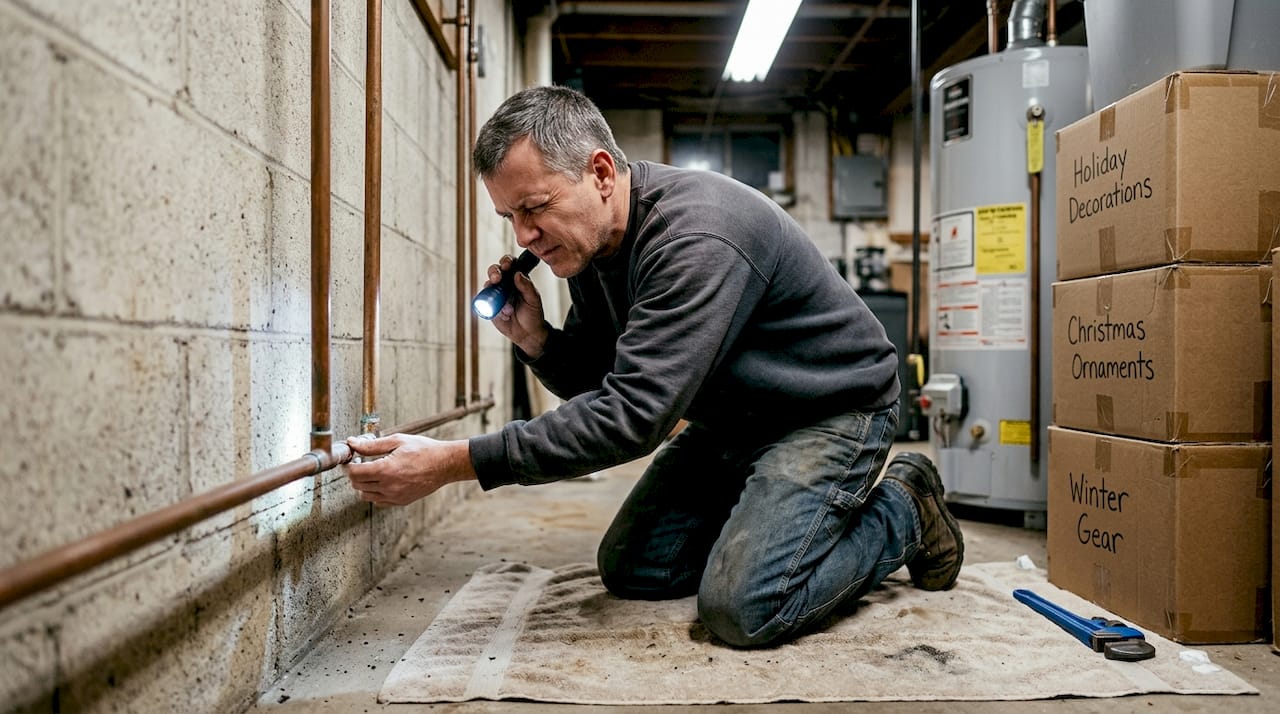
Most Pittsburgh homeowners don’t think about their plumbing until water is dripping from the ceiling or a pipe bursts on a January night. By then, what could have been a $20 fix turns into a $2,000 emergency. Routine plumbing maintenance takes less than an hour a month, costs almost nothing, and keeps your home running smoothly through Pittsburgh’s brutal winters and wet springs. This checklist is built specifically for Pittsburgh homes, covering everything from monthly pressure checks to annual inspections, so you can stay ahead of problems instead of scrambling to fix them.
Table of Contents
- Why plumbing maintenance matters for Pittsburgh homeowners
- Essential monthly plumbing maintenance tasks
- Quarterly and seasonal plumbing checks
- How to spot common plumbing issues early
- Pittsburgh homeowner’s annual plumbing maintenance checklist
- DIY or hire a pro? Comparing your options
- Get expert plumbing help in Pittsburgh
- Frequently asked questions
Key Takeaways
| Point | Details |
|---|---|
| Check pipes monthly | A quick monthly inspection can catch leaks and pressure problems early. |
| Seasonal prevention matters | Adjust your maintenance for Pittsburgh’s winters and storms to avoid costly issues. |
| Watch for warning signs | Slow drains, mold, or high water bills signal problems you can address before they worsen. |
| Annual pro inspection | Having a professional review your plumbing once a year can save you thousands in emergency repairs. |
| Use a checklist | Tracking maintenance tasks keeps your Pittsburgh home’s plumbing running efficiently and reliably. |
Why plumbing maintenance matters for Pittsburgh homeowners
Pittsburgh’s housing stock is older than most American cities. Many neighborhoods still have homes with original cast iron or galvanized steel pipes, which corrode and weaken over decades. When those pipes fail, they don’t give much warning. A small drip behind a wall can quietly feed mold growth for months before you notice the smell.
The city’s climate adds another layer of stress. Temperatures swing from below freezing in winter to humid summers, and that constant expansion and contraction puts real pressure on pipe joints and fittings. Neglected maintenance leads to increased repairs and higher water bills, which is a pattern we see repeatedly with Pittsburgh homeowners who skip annual checks.
Plumbing problems don’t just cost money. They affect your family’s health. Mold from hidden leaks triggers respiratory issues, and contaminated water from corroded pipes is a genuine risk in older homes.
Understanding the connection between plumbing and home health is the first step toward taking maintenance seriously. Here’s what that maintenance actually looks like:
- Aging pipes in Pittsburgh homes are more prone to sudden failure
- Freeze-thaw cycles crack joints and stress fittings every winter
- Skipping maintenance increases mold risk and monthly utility costs
- Early detection saves hundreds compared to emergency repair bills
Now that you recognize the cost and health stakes, let’s break down exactly what to do throughout the year.
Essential monthly plumbing maintenance tasks
Monthly checks take about 20 minutes and catch the problems that grow quietly into expensive repairs. Build these into your routine and you’ll rarely face a plumbing surprise.
- Check all visible faucets and pipes for drips. Even a slow drip wastes gallons per day and signals a worn washer or loose fitting.
- Test your water pressure. Ideal pressure is 40 to 60 PSI; low pressure may mean a leak or clog, while high pressure strains every pipe and appliance in your home.
- Flush infrequently used drains. Guest bathrooms and basement sinks can dry out, allowing sewer gases to enter your home.
- Look for water stains on ceilings and walls. Yellow or brown rings are a reliable sign of a slow leak above.
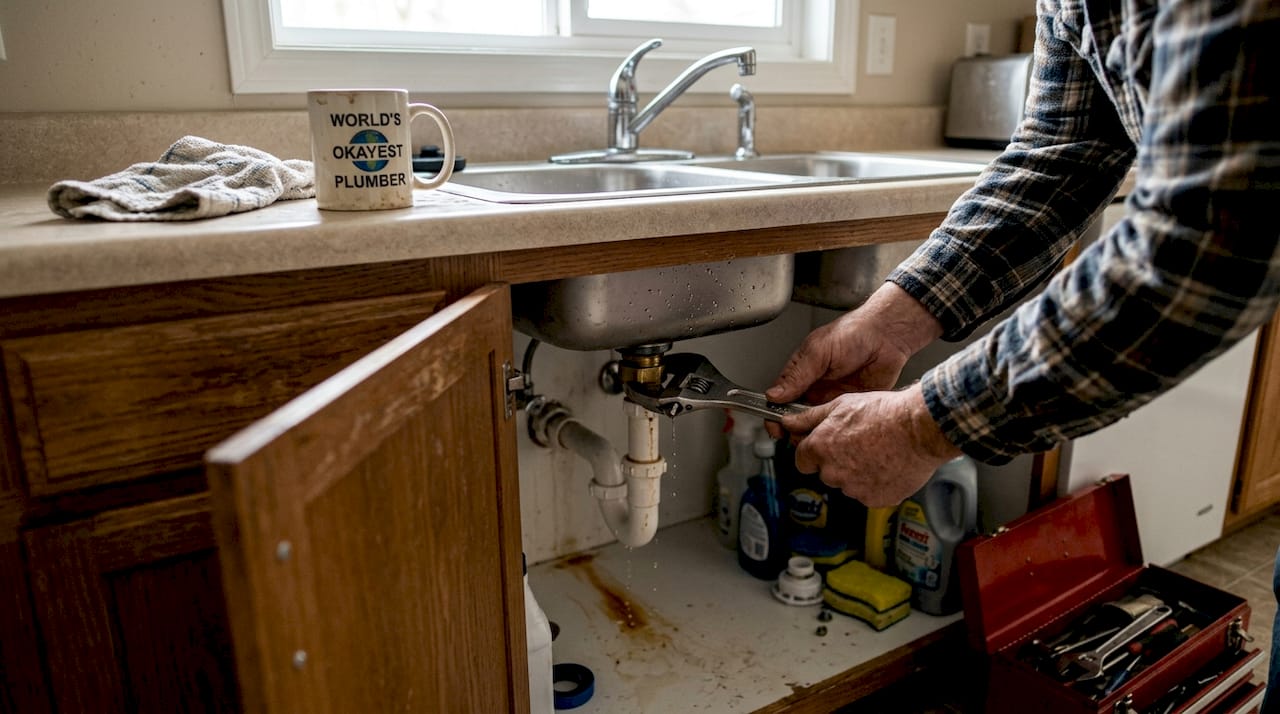
- Check under sinks for moisture. A musty smell or soft cabinet floor means water is getting somewhere it shouldn’t.
- Review your water bill. An unexplained spike often points to a running toilet or dripping fixture you haven’t noticed yet.
Pro Tip: Pick up an inexpensive water pressure gauge at any Pittsburgh hardware store. Screw it onto an outdoor hose bib and get a reading in under two minutes. It’s one of the most useful tools a homeowner can own.
Many of the issues you’ll catch during monthly checks fall into a predictable category of common plumbing repair issues that are easy to fix early but expensive to ignore. If you’re unsure what you’re looking at, a quick review of troubleshooting plumbing problems can help you decide your next step.
Monthly tasks are your front-line defense, but some important checks need a longer schedule.
Quarterly and seasonal plumbing checks
Every three months, set aside about 30 minutes for a deeper look at your plumbing system. Pittsburgh’s seasons make this especially important because each one brings different risks.
- Test every shut-off valve in your home. Test shut-off valves annually to make sure they turn smoothly. A valve that’s stuck open is useless in an emergency.
- Inspect washing machine and dishwasher hoses. Look for cracks, bulges, or soft spots. These hoses fail without warning and can flood a room fast.
- Clean drain traps throughout the house. Hair, soap scum, and debris build up in P-traps and slow drainage before causing full blockages.
- Check your sump pump before spring rains. Pour a bucket of water into the pit and confirm the pump activates. Pittsburgh springs are wet, and a failed sump pump means a flooded basement.
- Pour water into seldom-used floor drains. This refills the trap and blocks sewer gases from entering your living space.
Pro Tip: Before the first hard freeze each fall, disconnect and drain all outdoor hoses. A hose left connected traps water in the bib and can freeze the pipe inside your wall.
Seasonal plumbing prep is not optional in Pittsburgh. One frozen pipe can cause thousands in water damage within hours.
For anything beyond basic checks, knowing when to call in professional plumbing services makes a real difference. Issues like slow-draining yard areas or gurgling toilets may point to a deeper sewer line problem, and sewer repair benefits go well beyond just fixing the immediate symptom.
With regular monthly and quarterly checks covered, see how to spot trouble early before you need a costly repair.
How to spot common plumbing issues early
Knowing what to look for is half the battle. These warning signs show up before a problem becomes a crisis.
- Slow drains often mean a clog is forming deep in the line, not just at the surface
- Banging or hissing pipes usually signal excess water pressure or trapped air in the lines
- Mold near pipes or under sinks reveals a leak that’s been going on longer than you think
- A sudden spike in your water bill typically means a running toilet, dripping fixture, or underground leak
- Musty odors from basements or under cabinets require immediate inspection, not just an air freshener
Signs like slow drains, unusual noises, higher bills, or mold are your home’s way of asking for help. Don’t wait for the situation to escalate.
A running toilet can waste up to 200 gallons of water per day. That’s not just an environmental issue. It shows up directly on your monthly bill.
If you’re unsure whether what you’re seeing is serious, resources on identifying plumbing repairs can help you assess the situation. For a broader picture of what Pittsburgh homeowners typically deal with, typical repair examples give useful context.
Spotting these issues is great. Now, organize your plan with an easy-to-use yearly checklist.
Pittsburgh homeowner’s annual plumbing maintenance checklist
A comprehensive yearly review should include pressure testing, valve checks, and updates to key components. Use this table to track what needs attention and when.
| Task | Frequency | Season |
|---|---|---|
| Check water pressure | Monthly | Year-round |
| Inspect faucets for drips | Monthly | Year-round |
| Flush unused drains | Monthly | Year-round |
| Test shut-off valves | Quarterly | Spring, Fall |
| Inspect appliance hoses | Quarterly | Spring, Fall |
| Clean drain traps | Quarterly | Year-round |
| Test sump pump | Twice yearly | Spring, Fall |
| Drain outdoor hose bibs | Annually | Fall |
| Inspect water heater | Annually | Fall |
| Professional inspection | Every 1 to 2 years | Spring |
Understanding what plumbing involves helps you appreciate why each of these tasks matters. Your plumbing system is interconnected, and a problem in one area often shows up as a symptom somewhere else entirely.
With your checklist in hand, let’s compare the DIY approach to hiring a pro so you make the best choice for your household.
DIY or hire a pro? Comparing your options
Not every plumbing task requires a licensed plumber, but some absolutely do. Knowing the difference saves you time, money, and the risk of making a small problem worse.
Homeowners should test water pressure and shut-off valves, but annual inspections often benefit from a professional eye. Here’s how to think about it:
| Task | DIY-friendly | Call a pro |
|---|---|---|
| Checking water pressure | Yes | No |
| Replacing a faucet washer | Yes | No |
| Cleaning a drain trap | Yes | No |
| Persistent or recurring clogs | No | Yes |
| Sewer odors in the home | No | Yes |
| Major pressure drops | No | Yes |
| Water heater issues | No | Yes |
| Pipe replacement | No | Yes |
DIY-friendly tasks include:
- Monthly pressure checks and visual inspections
- Replacing toilet flappers and faucet washers
- Cleaning drain traps and aerators
- Flushing the water heater to remove sediment
Call a professional when you notice:
- Persistent leaks that return after you fix them
- Sewer gas smells anywhere in the home
- Multiple slow drains at the same time, which suggests a main line issue
- Sudden and significant drops in water pressure
- Any work involving gas lines near water heaters
For urgent situations, knowing your options for emergency plumbing solutions before a crisis hits means you won’t be searching for help at 2 a.m. in a panic.
Whether you do it yourself or call a pro, proper maintenance prevents big headaches. See how our local experts can help.
Get expert plumbing help in Pittsburgh
At AG Heating, Cooling & Plumbing, we’ve spent 30 years helping Pittsburgh homeowners stay ahead of plumbing problems. We know the city’s older housing stock, its harsh winters, and the specific challenges that come with maintaining pipes in this climate. Whether you need a full annual inspection or a fast fix for a persistent leak, our team is ready.
Our local plumbing experts handle everything from routine maintenance visits to complex repairs, and we’ll give you honest advice about what your home actually needs. If you’re dealing with a specific issue right now, our professional repair services cover the full range of residential plumbing problems. You can also explore our drain cleaning tips to handle basic blockages on your own. Take charge of your plumbing now, and ensure your Pittsburgh home is protected year-round.
Frequently asked questions
How often should Pittsburgh homeowners check water pressure?
Check water pressure monthly, keeping it between 40 and 60 PSI. Readings outside that range put stress on your pipes and appliances over time.
What signs suggest a hidden plumbing problem?
Watch for slow drains, new mold, unusual noises, or higher bills as early indicators. Musty odors under sinks or in basements are also a reliable warning sign.
When should I call a professional plumber in Pittsburgh?
Call a pro if you notice persistent leaks, frequent clogs, sewer odors, or a sudden drop in water pressure. Annual inspections may require a professional even when nothing seems wrong.
What is the benefit of annual plumbing maintenance?
Annual maintenance catches small issues before they become expensive emergencies. Neglected maintenance leads to increased repairs and higher water bills, both of which are avoidable with consistent upkeep.
Are plumbing maintenance tasks different in Pittsburgh?
Yes. Pittsburgh’s cold winters and aging infrastructure mean homeowners need to pay extra attention to freezing risks, older pipe materials, and seasonal shut-off valve checks that may not be as critical in warmer climates.
Recommended
- How Sewer Repair Can Prevent Major Plumbing Problems – AG-Plumbing
- Examples of plumbing repairs Pittsburgh homeowners need – AG-Plumbing
- Common Plumbing Issues in PA: 30% Water Loss & Repair Savings – AG-Plumbing
- Plumbing troubleshooting: Steps to fix common issues – AG-Plumbing
