
TL;DR:
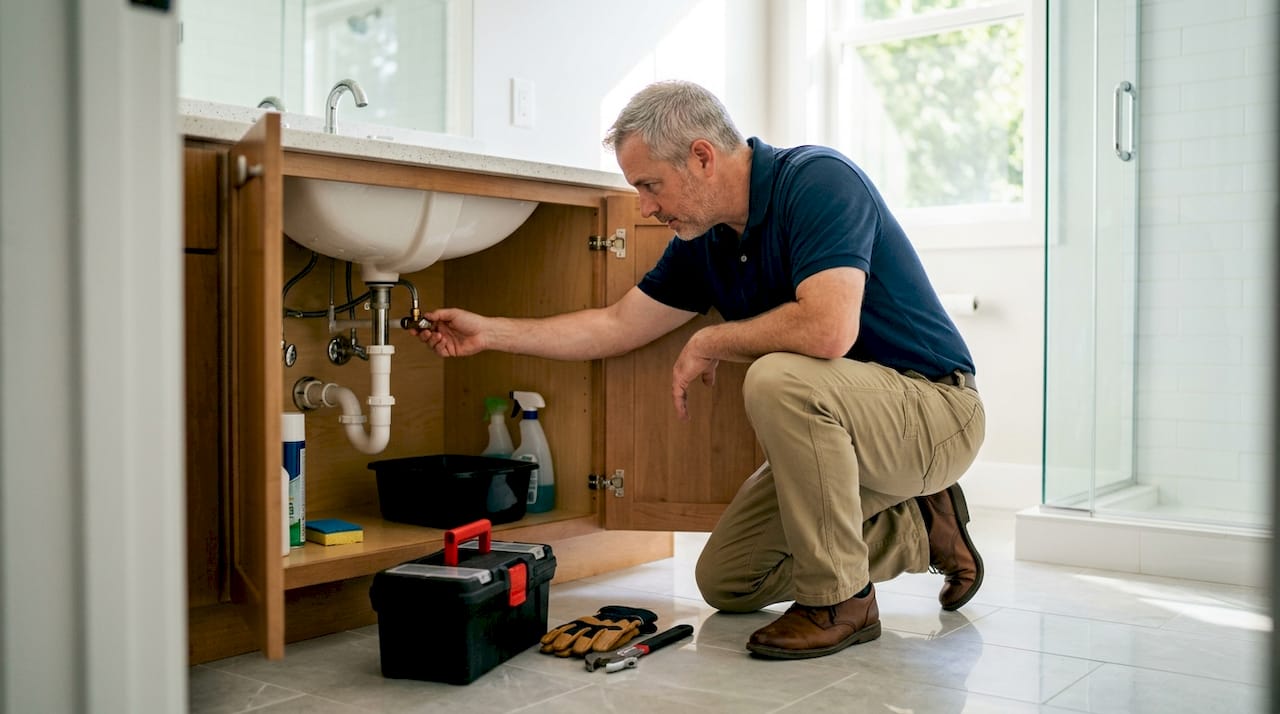
- Installing accessible shutoff valves at each fixture can prevent costly water damage and ensure quick emergency response.
- Replacing aging gate valves with durable ball valves improves reliability and reduces seizure risk during leaks.
A shutoff valve is a plumbing device that stops water flow instantly, giving you direct control over any fixture, appliance, or supply line in your home. Every homeowner needs to understand why install shutoff valves matters before a leak or burst pipe forces the lesson. Water damage claims average over $12,500 per incident, and a burst pipe can release 4–8 gallons of water per minute. That math makes a properly placed, working shutoff valve one of the most cost-effective safety tools in any home.
Why install shutoff valves in your home
Shutoff valves give you the ability to stop water at the source, not just at the main line. That single capability separates a minor inconvenience from a major flood. Isolation valves reduce downtime and prevent full system shutdown by enabling selective flow control, which means a leaking toilet does not have to take your kitchen sink offline.
The benefits of shutoff valves extend well beyond emergencies:
- Localized repairs without disruption. You can replace a faucet, fix a toilet fill valve, or swap out a dishwasher supply line without cutting water to the entire house.
- Reduced water damage. Closing a fixture valve within seconds of a leak limits how much water reaches floors, walls, and subfloors.
- Lower insurance costs. Fewer and smaller water damage claims keep your homeowner’s insurance premiums from climbing.
- Code compliance. IRC 2024 requires individual fixture shutoff valves for all plumbing fixtures, so proper installation also keeps your home up to current building standards.
- Resale value. A home with accessible, code-compliant valves signals well-maintained plumbing to buyers and inspectors.
The importance of shutoff valves becomes clearest when you compare the cost of a $30 valve against a $12,500 water damage claim. Proactive installation is not an upgrade. It is basic risk management.
Where should shutoff valves be installed?
Placement determines whether a valve actually works when you need it. A valve buried behind drywall or tucked in an unreachable corner is functionally useless during an emergency. Inaccessible valves increase water damage risk because homeowners cannot operate them quickly under pressure.
The standard locations for individual fixture shutoff valves include:
- Under every sink. Both hot and cold supply lines should have their own valves, typically angle stop valves mounted to the wall stub-out.
- Behind every toilet. The supply line feeding the tank needs a dedicated valve, usually within 12 inches of the floor.
- Behind washing machines and dishwashers. Appliance supply lines carry high water pressure and fail without warning.
- At water heaters. A cold-water inlet valve lets you service or replace the unit without shutting off the whole house.
- At the main line. Your home’s main shutoff valve, usually near the meter or where the supply enters the foundation, controls all water to the house.
Valve accessibility includes handle clearance and orientation. A valve handle that cannot complete a full quarter turn because a cabinet wall blocks it is not truly accessible. If your valves sit behind finished walls, install access panels so you can reach them without tearing out drywall.
Pro Tip: Label each shutoff valve with a small tag showing which fixture it controls. During a stressful leak, you will not have time to guess.
What types of shutoff valves are best for home plumbing?
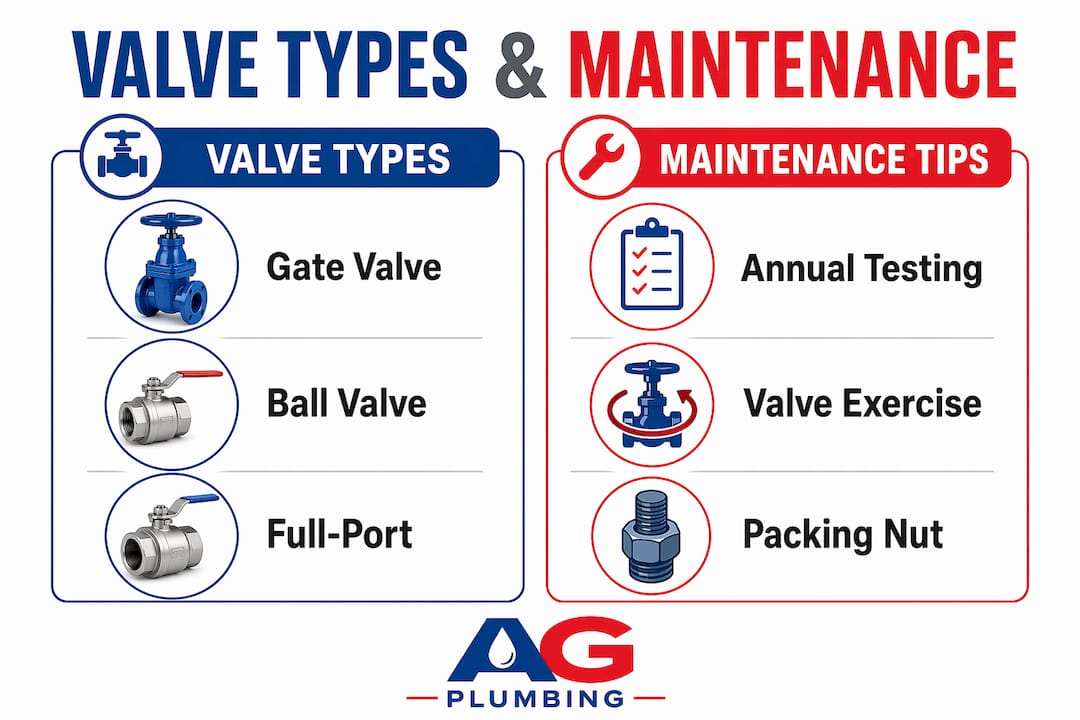
Two valve types dominate residential plumbing: gate valves and ball valves. Understanding the difference helps you make the right choice when upgrading or replacing.
Gate valves use a threaded stem that raises or lowers a gate inside the valve body. They require multiple full rotations to open or close. Gate valves were standard in homes built before the 1990s. The problem is that they seize. Older gate valves commonly fail after 15–25 years due to mineral buildup and neglect, and a failed gate valve during a burst pipe event can cause $8,000–$25,000 in damage.
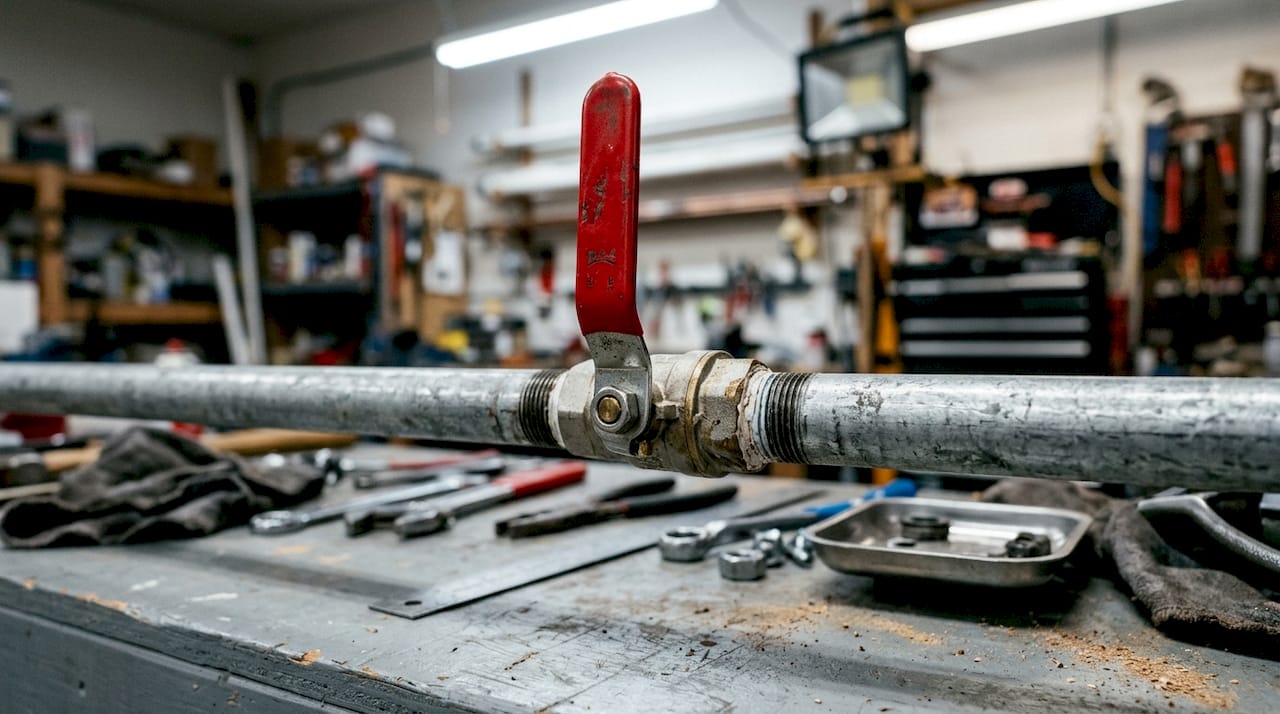
Ball valves use a rotating ball with a hole through the center. A quarter turn opens or closes the valve completely. Quarter-turn ball valves provide clear visual on/off status and are far less likely to seize than gate valves. The handle position tells you at a glance whether water is flowing: handle parallel to the pipe means open, handle perpendicular means closed.
| Feature | Gate valve | Ball valve |
|---|---|---|
| Operation | Multiple rotations | Single quarter turn |
| Seizing risk | High after years of disuse | Low |
| Visual status | None | Handle position shows open/closed |
| Lifespan | 15–25 years with use | 25+ years with minimal maintenance |
| Best use | Legacy systems | All new and replacement installs |
Replacing a seized main shutoff valve with a ball valve costs $280–$650 and takes 1–2 hours of labor. That cost is a fraction of what a failed valve during an emergency will run you.
Pro Tip: When upgrading, choose full-port ball valves. They allow unrestricted water flow and are easier to flush clean if debris enters the line.
For homes with older plumbing infrastructure, plumbing engineering guidance consistently recommends replacing gate valves with ball valves as part of any major renovation or system assessment.
How to maintain shutoff valves so they work when you need them
A shutoff valve you have never tested is a valve you cannot trust. Maintenance is simple, takes minutes per year, and prevents the most common failure mode: a valve that will not budge when a pipe bursts at 2:00 AM.
Follow these steps annually:
- Exercise every valve. Fully close and then fully reopen each shutoff valve in your home. Annual exercise prevents mineral buildup and seizing, keeping valves ready for emergencies.
- Check for leaks at the packing nut. After operating a valve, look for drips around the stem. A slow weep at the packing nut often tightens with a small wrench adjustment.
- Inspect for corrosion. Green or white mineral deposits on brass valves signal that the valve body is degrading. Replace corroded valves before they fail.
- Test handle resistance. A valve that requires unusual force to turn is starting to seize. Address it now, not during a flood.
- Replace valves older than 20 years. Age alone is a valid reason to swap out gate valves or any valve showing signs of wear.
Homeowners must know valve locations and train all household members to use them. Walk every adult in your home through the location of the main shutoff and each fixture valve. A teenager home alone during a pipe burst needs to know exactly where to go.
Pro Tip: Add shutoff valve checks to your plumbing maintenance checklist each fall before winter temperatures stress your pipes.
Most valve maintenance is a genuine DIY task. Tightening a packing nut, exercising a valve, or replacing an angle stop under a sink requires basic tools and no special license. Call a licensed plumber when you need to replace the main shutoff valve, work on supply lines inside walls, or deal with a valve that has already failed.
Key Takeaways
Shutoff valves are the single most effective tool for limiting water damage in a home, and proper placement, valve type, and annual maintenance determine whether they actually work in an emergency.
| Point | Details |
|---|---|
| Install at every fixture | IRC 2024 requires individual shutoff valves under sinks, behind toilets, and at all appliances. |
| Choose ball valves over gate valves | Quarter-turn ball valves resist seizing and show open/closed status at a glance. |
| Keep valves accessible | Hidden or cramped valves cannot be operated quickly; install access panels where needed. |
| Exercise valves annually | Fully closing and reopening each valve once a year prevents mineral buildup and seizing. |
| Know your main shutoff | Every household member should know its location and be able to operate it without help. |
What I have learned after years of watching homeowners deal with water damage
After seeing hundreds of water damage situations across Pittsburgh homes, one pattern repeats itself: the valve was there, but it did not work. A homeowner runs to the cabinet under the sink, grabs the angle stop, and the handle snaps off or spins freely. That is not bad luck. That is a valve that was never exercised, never inspected, and never replaced.
The most common misconception I encounter is that the main shutoff valve is a reliable backup for everything. Most homeowners assume main valves will work reliably, but neglect causes frequent failures. A gate valve that has not moved in 15 years is not a safety device. It is a false sense of security.
The practical fix is straightforward. Spend 30 minutes this weekend walking your home and testing every valve. If anything feels stiff, corroded, or uncertain, replace it now. The role of water shutoffs in protecting your home is only real if the valves actually function. A $40 ball valve replacement today beats a $15,000 insurance claim next winter.
DIY maintenance is absolutely worth doing. But know your limits. Main line replacements and in-wall supply work belong with a licensed plumber who can do the job without creating new problems.
— Maayan
Ag-plumbing: Pittsburgh’s trusted partner for plumbing safety
Ag-plumbing has served Pittsburgh, PA homeowners for 30 years, and shutoff valve installation and replacement are among the most requested services the team handles. Whether you need a single angle stop replaced under a bathroom sink or a full home valve audit before winter, Ag-plumbing’s licensed plumbers get it done right the first time.
Ag-plumbing’s residential plumbing services cover everything from emergency valve replacements to full fixture upgrades. If your home still has aging gate valves, a professional assessment can identify exactly which ones need replacing before they fail. Schedule an inspection with Ag-plumbing at ag-plumbing.com and protect your home with valves you can actually count on.
FAQ
What is a shutoff valve in home plumbing?
A shutoff valve is a device installed on a water supply line that stops water flow to a specific fixture or the entire home. It allows homeowners to isolate leaks or make repairs without disrupting the full water supply.
Why install shutoff valves at individual fixtures?
Individual fixture shutoff valves let you repair or replace a toilet, faucet, or appliance without cutting water to the whole house. IRC 2024 requires them at all plumbing fixtures for exactly this reason.
How often should shutoff valves be tested?
Test every shutoff valve at least once a year by fully closing and reopening it. Annual exercise prevents mineral buildup and seizing, which are the leading causes of valve failure during emergencies.
What is the best type of shutoff valve for a home?
Quarter-turn ball valves are the best choice for residential plumbing. They operate with a single turn, resist seizing, and show open or closed status visually through handle position.
When should I call a plumber for shutoff valve work?
Call a licensed plumber when replacing the main shutoff valve, working on supply lines inside walls, or dealing with a valve that has already seized or failed. Standard fixture valve replacements under sinks or behind toilets are manageable DIY tasks for most homeowners.
Recommended
- Smart Plumbing Tips Every Pittsburgh Homeowner Needs – AG-Plumbing
- The Role of Water Shutoffs for Pittsburgh Homeowners – AG-Plumbing
- The Role of Thermostatic Mixing Valves in Home Safety – AG-Plumbing
- Essential plumbing safety tips for Pittsburgh homeowners – AG-Plumbing
