
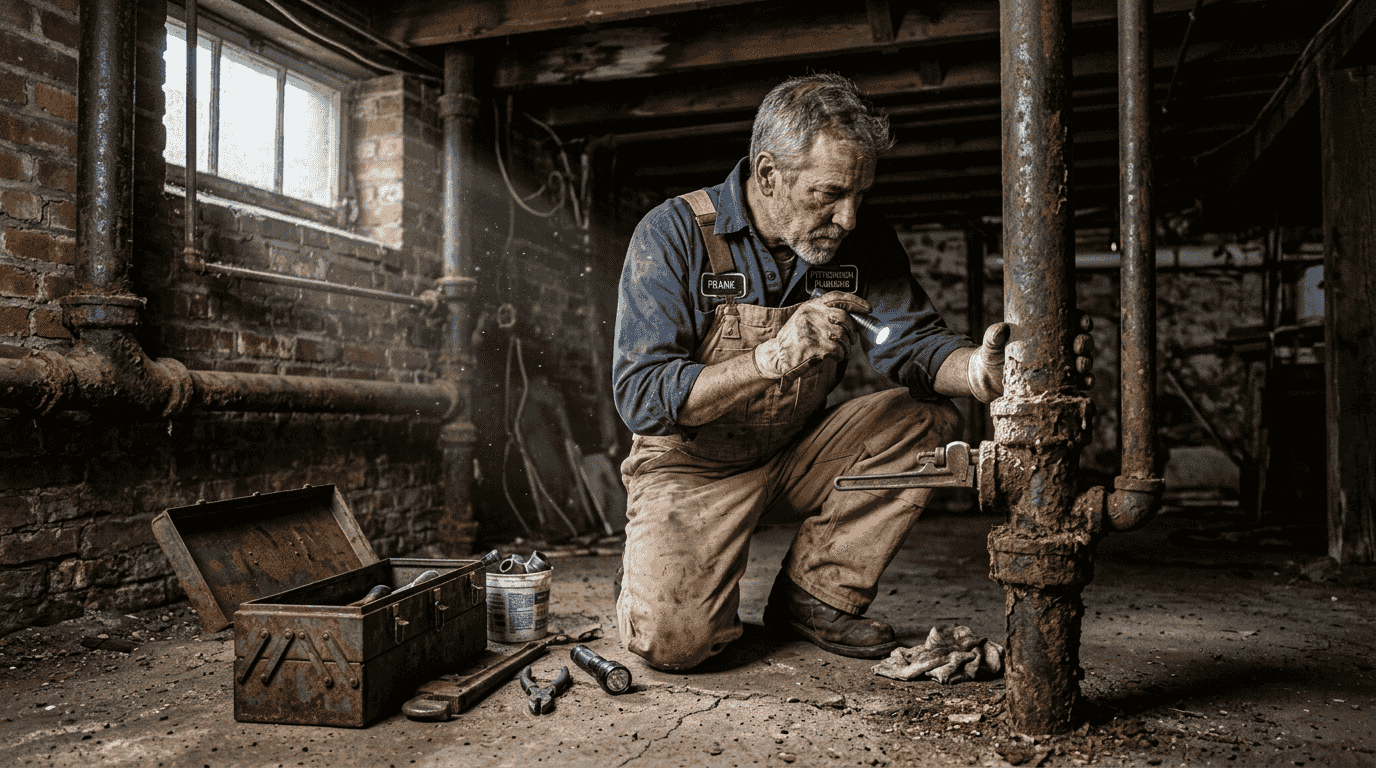
Pittsburgh homeowners face unique plumbing challenges due to the city’s aging housing stock. Many properties built decades ago feature outdated materials like cast iron and terra cotta that deteriorate over time. Understanding the most common repair needs helps you address issues before they escalate into expensive emergencies. This guide walks through real examples of plumbing repairs specific to Pittsburgh homes, compares your options, and provides maintenance strategies to protect your investment. Whether you’re dealing with pinhole leaks or crumbling sewer lines, knowing what to expect empowers better decisions.
Table of Contents
- Common Plumbing Repairs In Aging Pittsburgh Homes
- Repair Options For Common Plumbing Problems In Pittsburgh
- Comparing Plumbing Repair Methods: A Pittsburgh Homeowner’s Guide
- Maintaining Your Plumbing System: Tips To Avoid Major Repairs
- Expert Plumbing Services For Pittsburgh Homeowners
- Frequently Asked Questions
Key takeaways
| Point | Details |
|---|---|
| Aging infrastructure | Pittsburgh’s older homes commonly suffer from cast iron deterioration, terra cotta sewer damage, and copper pinhole leaks |
| Repair choices matter | Options range from spot repairs to full replacements, each with distinct cost, durability, and disruption trade-offs |
| Prevention saves money | Regular inspections, drain cleaning, and water monitoring catch problems early and extend plumbing lifespan |
| Professional expertise | Complex repairs in older homes benefit from experienced local plumbers familiar with Pittsburgh’s unique challenges |
Common plumbing repairs in aging Pittsburgh homes
Pittsburgh’s housing landscape includes thousands of properties constructed when plumbing standards differed dramatically from today. Three repair types dominate service calls in these older structures.
Deteriorating cast iron drain lines rank among the most serious plumbing failures in old Pittsburgh homes. Cast iron was the standard for drain and waste systems through the mid-20th century. Over decades, these pipes corrode from the inside out, developing rough surfaces that trap debris and eventually crack. You might notice slow drains, gurgling sounds, or water stains on ceilings below bathrooms. Left unaddressed, failing cast iron can cause sewage backups and structural water damage.
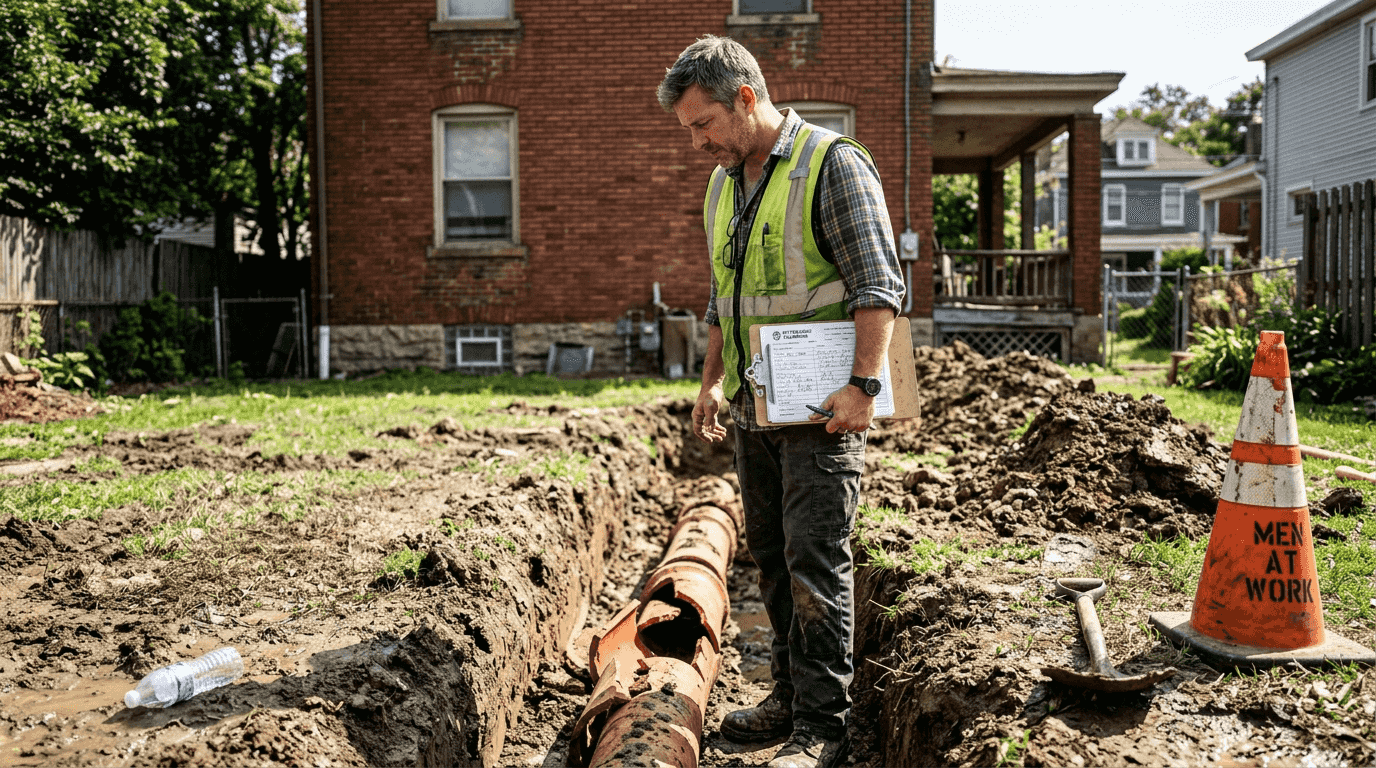
Crushed terra cotta sewer laterals present another widespread issue in Pittsburgh’s older neighborhoods. Terra cotta clay pipes were installed as sewer connections from homes to the main line. These brittle pipes crack under soil pressure, tree root intrusion, or ground settling. When laterals fail, you may experience repeated main line backups, soggy patches in your yard, or sewage odors near the foundation. The damage often occurs underground, making detection challenging without professional inspection.
Copper pinhole leaks plague many Pittsburgh residences with copper supply lines installed between the 1950s and 1990s. Pittsburgh’s water chemistry contributes to pitting corrosion that creates tiny holes in copper pipes. These pinhole leaks waste water, reduce pressure, and cause hidden damage inside walls and ceilings. You might spot water stains, hear dripping sounds, or notice unexplained spikes in your water bill.
Pro Tip: Schedule a whole-home plumbing inspection every three to five years if your house predates 1980. Early detection of deterioration saves thousands compared to emergency repairs after a catastrophic failure.
Recognizing these common plumbing repair issues and how to fix them helps you prioritize maintenance budgets. Understanding plumbing troubleshooting steps Pittsburgh homeowners can take before calling professionals also reduces service costs. For comprehensive solutions, explore top plumbing services Pittsburgh providers offer to address these local challenges. Learning about local plumbing issues in Pittsburgh gives context for why certain repairs appear more frequently here than in newer cities.
Repair options for common plumbing problems in Pittsburgh
Once you identify a plumbing problem, choosing the right repair approach depends on severity, budget, and long-term goals. Each major issue has multiple solutions with distinct advantages.
For cast iron drain lines, you can pursue spot repairs, epoxy lining, or complete replacement. Spot repairs involve cutting out damaged sections and installing PVC or ABS pipe segments. This works when deterioration is localized but offers only temporary relief if the entire system is aging. Epoxy pipe lining coats the interior with a resin barrier, extending life without demolition. Full replacement with modern PVC eliminates future cast iron problems but requires more invasive work and higher upfront costs.
Terra cotta sewer lateral repairs now include trenchless options that minimize yard disruption. Traditional excavation and replacement remains the most thorough approach, installing new PVC pipe from your home to the main sewer connection. Trenchless pipe bursting breaks the old terra cotta while simultaneously pulling new pipe into place, requiring only small access pits. Cured-in-place pipe (CIPP) lining creates a new pipe inside the damaged lateral without excavation. Trenchless methods cost more per foot but save on landscaping restoration.
Copper pinhole leak solutions range from simple patches to whole-house repiping. Single leaks can be soldered or fitted with compression couplings for quick fixes. When multiple pinholes appear, repiping sections or the entire home with PEX or copper prevents recurring failures. PEX offers flexibility, freeze resistance, and lower installation costs. New copper ensures longevity but requires skilled labor and higher material expenses.
Pro Tip: Request multiple quotes that itemize materials, labor, and warranty terms. Compare not just price but also the scope of work and guarantees offered by different contractors.
Old Pittsburgh homes have aging plumbing systems not designed for long-term use, making repair decisions critical for property value. Invest in reliable sewer repair services when lateral issues arise to prevent health hazards and municipal fines. Understanding when plumbing repair is necessary helps you act before minor issues become emergencies. Familiarize yourself with essential plumbing services homeowners should know to make informed choices. Explore the challenges with aging plumbing to appreciate why proactive repairs matter in older homes.
| Repair Type | Durability | Cost Range | Disruption Level |
|---|---|---|---|
| Cast iron spot repair | 5-10 years | $500-$1,500 | Low |
| Epoxy pipe lining | 20-30 years | $3,000-$8,000 | Moderate |
| Full cast iron replacement | 50+ years | $8,000-$15,000 | High |
| Sewer lateral excavation | 50+ years | $5,000-$12,000 | High |
| Trenchless sewer repair | 40-50 years | $6,000-$15,000 | Low |
| Copper spot repair | 1-5 years | $150-$500 | Low |
| Partial repiping | 30-50 years | $2,000-$6,000 | Moderate |
| Whole-house repipe | 50+ years | $4,000-$12,000 | High |
Comparing plumbing repair methods: a Pittsburgh homeowner’s guide
Choosing between repair options requires weighing durability, cost, and disruption against your home’s condition and your financial situation. Deteriorating cast iron drain lines and crushed terra cotta sewer laterals demand different strategic approaches based on the extent of damage.
Durability varies dramatically across methods. Spot repairs buy time but rarely last more than a decade if surrounding pipes continue aging. Epoxy lining and trenchless repairs offer mid-range longevity without full replacement costs. Complete replacements with modern materials provide the longest service life, often outlasting your ownership period. If you plan to stay in your home for 20 or more years, investing in permanent solutions makes financial sense.
Cost considerations extend beyond the initial invoice. Factor in potential repeat repairs, water damage from failures, and property value impacts. A $1,000 spot repair that fails in three years costs more over time than a $10,000 replacement lasting 50 years. Calculate the annual cost by dividing total expense by expected lifespan. Include potential savings from improved water efficiency and reduced maintenance calls.
Disruption levels affect your daily life during repairs. Spot repairs often complete in hours with minimal mess. Epoxy lining and trenchless methods require a day or two with limited water access. Full replacements involving wall and floor openings may take a week and require temporary relocation of belongings. Weigh convenience against long-term benefits when scheduling work.
Follow this decision checklist:
- Assess the extent of damage through professional camera inspection of pipes
- Determine your home ownership timeline and whether you plan to sell soon
- Calculate total cost of ownership for each option over its expected lifespan
- Evaluate your tolerance for disruption and ability to accommodate major work
- Review contractor credentials, warranties, and references for your chosen method
- Consider financing options if upfront costs exceed your immediate budget
Understanding how sewer repair can prevent plumbing problems helps you appreciate the value of addressing issues comprehensively. Review plumbing troubleshooting steps to identify problems early when repair options remain flexible. Compare Pittsburgh plumbing repair comparison data to see which methods other local homeowners choose for similar issues.
Maintaining your plumbing system: tips to avoid major repairs
Preventive maintenance extends plumbing lifespan and catches small problems before they require expensive repairs. Pittsburgh homeowners can implement several strategies to protect their investment.
Schedule professional inspections every three to five years for homes over 30 years old. Plumbers use cameras to examine drain lines and sewer laterals, identifying corrosion, root intrusion, and structural issues while they remain manageable. Inspections cost a few hundred dollars but prevent thousands in emergency repairs. During inspections, ask about water pressure, fixture condition, and any signs of hidden leaks.
Regular drain cleaning prevents clogs that stress aging pipes. Annual cleaning removes buildup before it hardens and causes backups. Professional hydro jetting scours pipe interiors without harsh chemicals that accelerate corrosion. Between professional services, avoid pouring grease, coffee grounds, and fibrous foods down drains. Use drain screens to catch hair and debris.
Monitor water usage to detect leaks early. The average homeowner uses approximately 82 gallons daily, so significant increases signal problems. Check your water meter before bed and again in the morning without using water. Movement indicates a leak. Smart water monitors alert you to unusual consumption patterns and can automatically shut off supply during major leaks.
Insulate exposed pipes in unheated areas like crawl spaces, attics, and exterior walls. Pittsburgh winters stress plumbing through freeze-thaw cycles. Pipe insulation costs pennies per foot but prevents burst pipes that cause thousands in water damage. Disconnect and drain outdoor hoses before freezing temperatures arrive.
Pro Tip: Keep a plumbing maintenance log noting inspection dates, repairs completed, and any recurring issues. This record helps you identify patterns and provides valuable information when selling your home.
Regular maintenance is the difference between managing plumbing on your schedule and dealing with emergencies on the plumbing’s schedule.
Learn about the importance of drain cleaning to understand how this simple service prevents complex repairs. Recognize signs drains need cleaning to schedule service before backups occur. Review home water usage statistics to benchmark your consumption and identify potential waste.
Expert plumbing services for Pittsburgh homeowners
When plumbing problems exceed DIY capabilities, professional expertise ensures repairs meet code and last for years. AG Heating, Cooling & Plumbing brings 30 years of experience to Pittsburgh area homes, understanding the unique challenges of the region’s aging infrastructure. Our team specializes in diagnosing and repairing cast iron, terra cotta, and copper systems common in older properties.
We offer comprehensive plumbing repair services Pittsburgh homeowners trust for everything from pinhole leaks to full sewer lateral replacements. Our drain cleaning service Pittsburgh uses modern equipment to clear blockages and prevent future problems. Explore our essential plumbing services homeowners rely on to maintain safe, efficient systems. Schedule an inspection today to identify potential issues before they disrupt your home and budget.
Frequently asked questions
What are some common signs that my plumbing needs repair?
Watch for slow drains, water discoloration, unusual gurgling noises, damp spots on walls or ceilings, and unexplained increases in water bills. These symptoms often indicate deteriorating pipes, hidden leaks, or developing blockages that require professional attention before causing serious damage.
How do I choose between repairing and replacing old plumbing?
Consider the extent of damage, your home’s age, and how long you plan to stay. Isolated problems in otherwise sound systems suit spot repairs, while widespread deterioration justifies replacement. Calculate lifetime costs by dividing total expense by expected years of service to compare options fairly.
Can regular maintenance really prevent major plumbing repairs?
Yes, scheduled inspections and drain cleaning catch problems in early stages when fixes cost less and cause minimal disruption. Maintenance also extends the life of aging systems by reducing stress from clogs and identifying corrosion before pipes fail catastrophically.
What makes Pittsburgh homes different for plumbing repairs?
Pittsburgh’s older housing stock features cast iron, terra cotta, and copper materials that deteriorate predictably over decades. Local water chemistry accelerates copper corrosion, while soil conditions and tree roots stress sewer laterals. Understanding these regional factors helps you anticipate and address identifying plumbing repair needs specific to the area.
How much should I budget for plumbing repairs in an older home?
Set aside $500 to $2,000 annually for maintenance and minor repairs in homes over 50 years old. Budget an additional $5,000 to $15,000 in reserves for major projects like sewer lateral replacement or whole-house repiping that become likely as systems age beyond their design life.
Recommended
- Top 7 Plumbing Services in 2026 for Homeowners in Pittsburgh, PA – AG-Plumbing
- Reliable Sewer Repair Services in Pittsburgh, PA
- What do professional plumbers do in Pittsburgh? 2026 – AG-Plumbing
- Same Day Plumbing in Pittsburgh: Cut Damage Costs 30% – AG-Plumbing
