
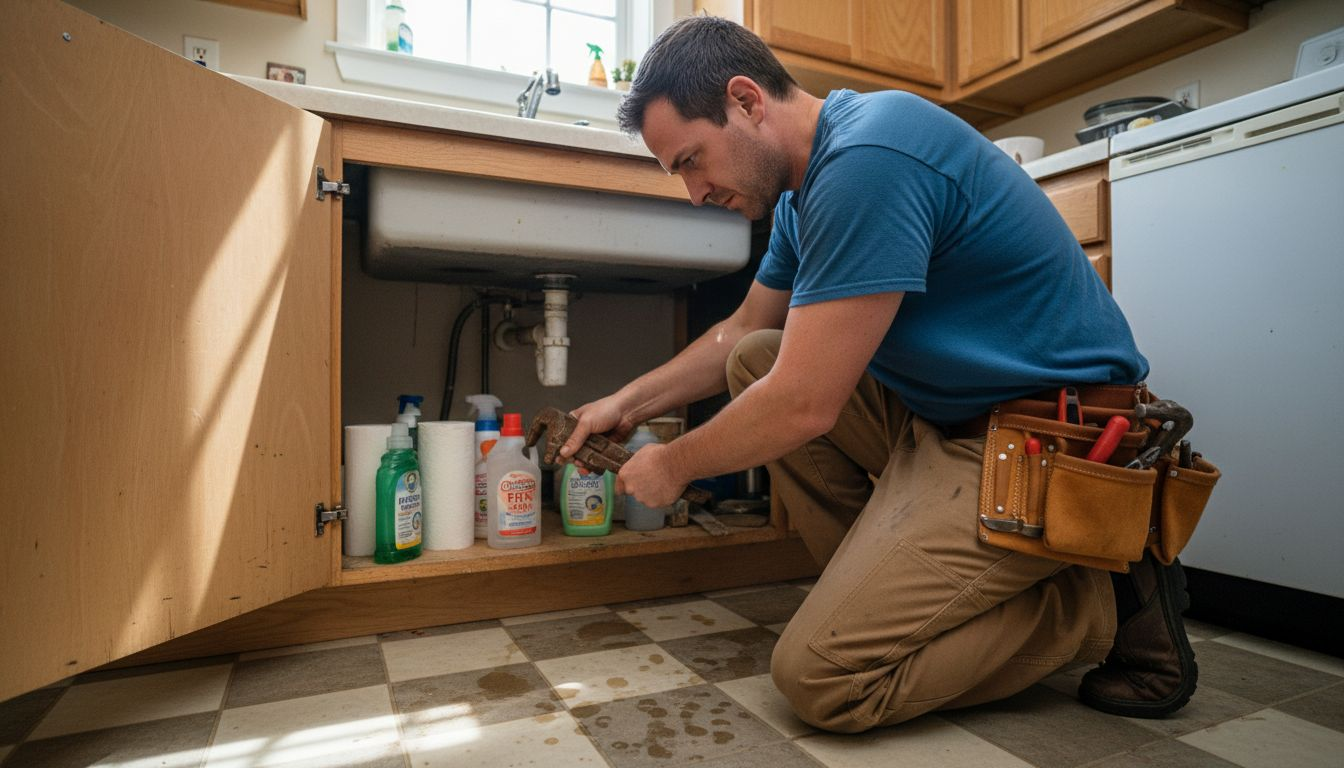
A small drip under your kitchen sink can waste over 3,000 gallons yearly and spike water bills by hundreds of dollars. Knowing basic plumbing troubleshooting steps empowers Pittsburgh homeowners and property managers to catch problems early, prevent costly damage, and handle simple repairs confidently. This guide walks you through safe, effective methods to diagnose and fix the most frequent household plumbing issues without breaking the bank.
Table of Contents
- Introduction To Plumbing Troubleshooting
- Preparation And Prerequisites
- Plumbing Shutoff And Safety Precautions
- Step-By-Step Troubleshooting Common Issues
- Common Mistakes To Avoid
- Expected Outcomes And Repair Timelines
- When To Call A Professional Plumber
- Professional Plumbing Services In Pittsburgh, PA
- FAQ
Key takeaways
| Point | Details |
|---|---|
| Essential tools and shutoff knowledge | Gather adjustable wrenches, pliers, plumber’s tape, plungers, and drain snakes before starting any repair. |
| Safe stepwise approach | Follow clear diagnosis and repair steps, always shutting off water and electricity first to prevent injury. |
| Avoid damaging shortcuts | Never rely on chemical cleaners or overtighten fittings; mechanical methods and proper torque prevent pipe damage. |
| Quick, affordable repairs | Most common plumbing fixes take under 60 minutes and cost less than $30 in parts. |
| Know professional limits | Call licensed plumbers for major leaks, electrical hazards, frozen pipes, or persistent drainage failures. |
Introduction to plumbing troubleshooting
Understanding your home’s plumbing system helps you respond quickly when problems arise. Common household plumbing issues like leaks, clogs, and running toilets affect thousands of Pittsburgh homes annually. Residential plumbing systems consist of water supply lines that bring fresh water in, drainage pipes that carry waste out, and fixtures like faucets, toilets, and sinks that connect the two networks.
Early detection of plumbing problems prevents water waste, structural damage, and expensive emergency repairs. A running toilet can waste 200 gallons daily, while a slow drain signals developing blockages that worsen over time. Recognizing warning signs saves you money and protects your property.
Watch for these common indicators:
- Dripping sounds or visible water under sinks and around toilets
- Slow drainage in tubs, showers, or kitchen sinks
- Constant toilet running or weak flush pressure
- Water stains on ceilings, walls, or floors
- Unexplained increases in monthly water bills
Addressing these signs promptly with proper troubleshooting techniques keeps minor issues from escalating. The 6 essential types of plumbing services cover both DIY fixes and professional interventions, helping you decide which path fits each situation.
Preparation and prerequisites
Successful plumbing repairs start with having the right tools and understanding safety protocols. Homeowners should gather basic tools including adjustable wrenches, pliers, plumber’s tape, plungers, and drain snakes before starting repairs. Assembling these items ahead of time prevents mid-repair trips to the hardware store and keeps work efficient.
Essential tool checklist
- Adjustable wrench for tightening or loosening nuts and bolts
- Slip-joint pliers for gripping pipes and fittings
- Plumber’s tape (Teflon tape) to seal threaded connections
- Cup plunger for sinks and tubs, flange plunger for toilets
- Drain snake (auger) to clear stubborn clogs mechanically
- Bucket and towels to catch water and protect floors
- Flashlight for inspecting dark areas under sinks
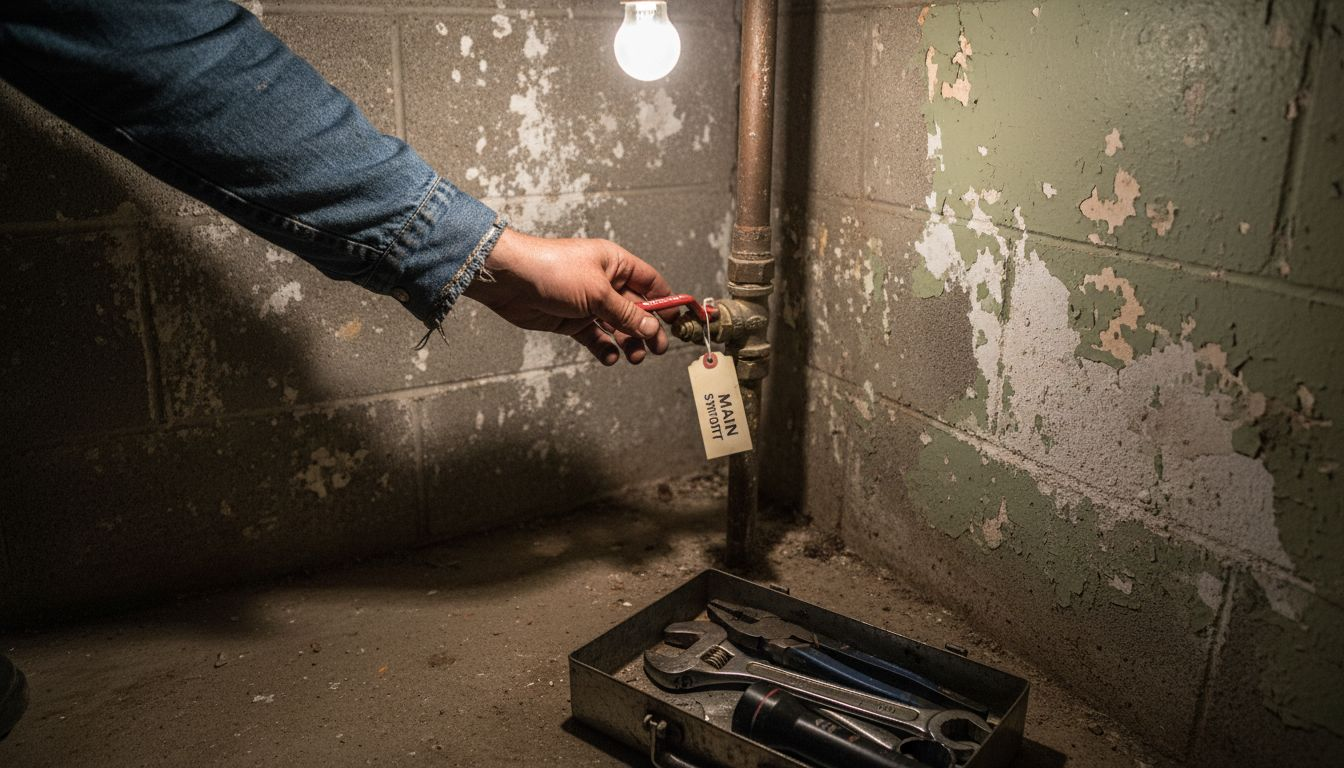
Knowing where your shutoff valves are located is critical. The main water shutoff typically sits near where the water line enters your home, often in the basement or utility room. Individual fixture shutoffs appear under sinks, behind toilets, and near water heaters. Turn these valves clockwise to stop water flow before starting any repair.
| Tool | Primary Use | Typical Cost |
|---|---|---|
| Adjustable wrench | Tightening/loosening nuts | $10-$20 |
| Plumber’s tape | Sealing threaded joints | $2-$5 |
| Cup plunger | Clearing sink/tub clogs | $8-$15 |
| Drain snake | Removing deep blockages | $15-$30 |
| Slip-joint pliers | Gripping pipes/fittings | $12-$25 |
Safety comes first when working with water and plumbing. Turn off electricity to any area where water leaks near outlets, appliances, or electrical panels. Protect your workspace by laying down towels, placing buckets under leaks, and ensuring good lighting. For comprehensive support beyond DIY fixes, explore heating, cooling, and plumbing services in Pittsburgh for professional guidance.
Pro Tip: Label your main water shutoff valve with bright tape or a tag so everyone in your household can find it quickly during emergencies.
Refer to our emergency plumbing guide for quick solutions when immediate action prevents major damage.
Plumbing shutoff and safety precautions
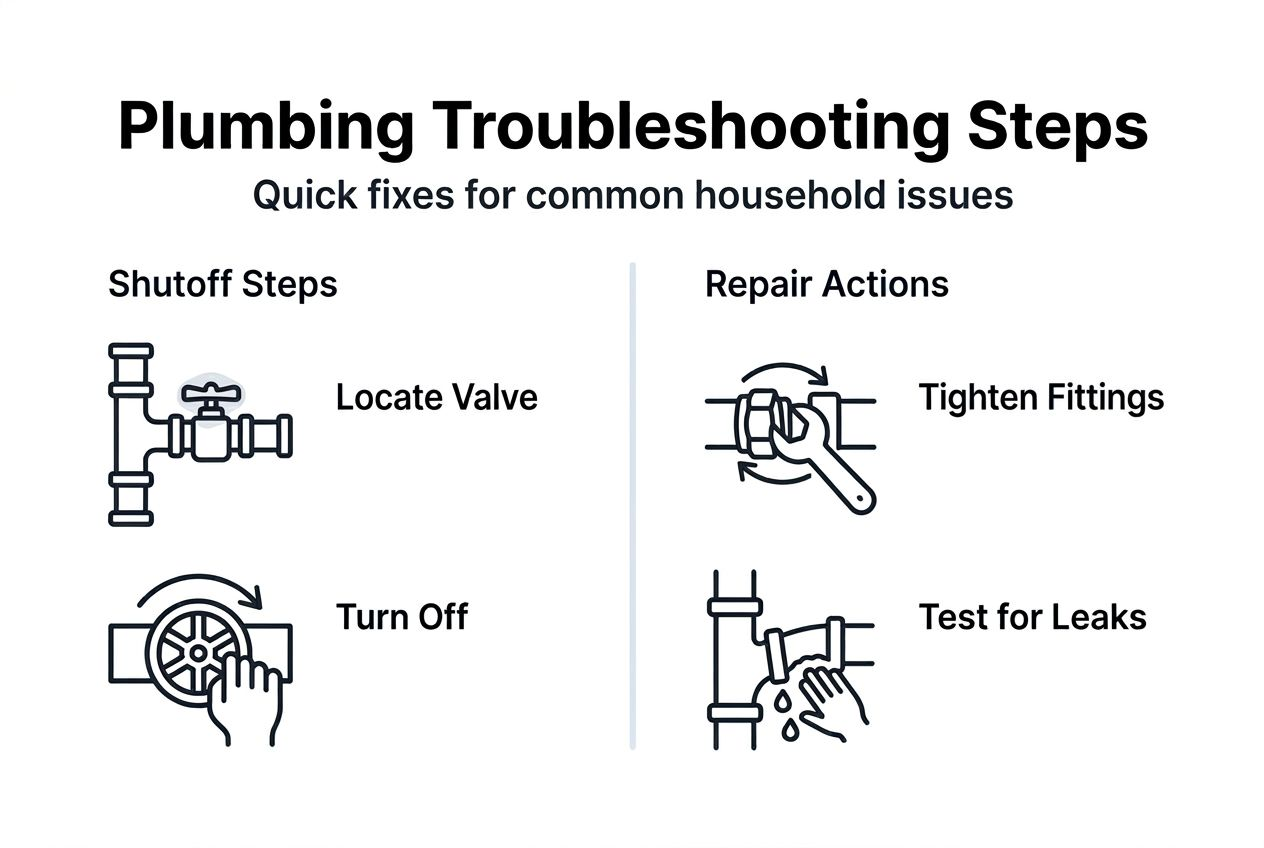
Stopping water flow immediately limits damage and creates a safe work environment. Locate your main water shutoff valve and test it annually to ensure it turns smoothly. Individual fixture shutoffs under sinks and behind toilets let you isolate one area without cutting off water to the entire house.
Follow these steps before starting repairs:
- Turn the main shutoff valve clockwise until water stops flowing completely
- Open a faucet on a lower floor to drain remaining pressure from pipes
- Shut off electricity at the breaker panel if water contacted outlets or appliances
- Verify water flow has stopped by checking faucets throughout the house
Electrical hazards pose serious risks near plumbing. Water heaters, garbage disposals, and dishwashers all combine water and electricity. If you discover water near electrical components, turn off power at the breaker before touching anything. Never stand in standing water while working on plumbing.
“Combining water and electricity without proper precautions can lead to electrocution. Always disconnect power sources before working near wet areas or electrical appliances.”
Recognize when DIY becomes unsafe. Major leaks that spray continuously, sewage backups, or situations involving gas lines require professional expertise. Attempting complex repairs without training can worsen damage and create dangerous conditions. Our emergency plumbing guide explains when to call for immediate professional help.
Stopping water early prevents thousands of dollars in water damage to floors, walls, and belongings. A burst pipe can release hundreds of gallons per hour, causing structural problems and mold growth. Taking two minutes to shut off water protects your property and gives you time to assess the situation calmly.
Step-by-step troubleshooting common issues
Systematic diagnosis and repair methods help you fix most household plumbing problems safely and effectively. Start with the simplest solution and progress to more involved repairs only if needed.
Fixing leaky faucets
- Turn off water supply valves under the sink
- Remove faucet handle by unscrewing the cap and handle screw
- Extract the cartridge, stem, or valve assembly depending on faucet type
- Inspect washers, O-rings, and seals for wear or damage
- Replace worn components with exact matches from a hardware store
- Reassemble the faucet in reverse order, hand-tightening only
- Turn water back on slowly and check for leaks
Replacing worn washers and O-rings resolves most dripping faucets quickly. These small rubber parts cost just a few dollars but prevent hundreds of gallons of waste annually.
Clearing clogged drains
- Remove standing water from the sink or tub using a cup
- Place a cup plunger over the drain, covering it completely
- Pump vigorously 10 to 15 times, then pull up sharply to break the clog
- If plunging fails, insert a drain snake into the drain opening
- Rotate the snake handle while pushing forward to break up blockages
- Pull the snake out slowly, removing hair and debris
- Run hot water for several minutes to flush remaining material
Manual plungers and snakes outperform chemical cleaners for safety and effectiveness. Chemical products corrode pipes and harm septic systems while providing only temporary relief. For persistent clogs, professional drain snaking in Pittsburgh offers powerful solutions.
| Method | Effectiveness | Safety | Avg Cost |
|---|---|---|---|
| Chemical cleaners | Temporary, 40-60% | Corrodes pipes, toxic fumes | $8-$15 per bottle |
| Manual plunger | 70-80% for simple clogs | Completely safe | $8-$15 one-time |
| Drain snake | 90-95% success rate | Safe, no chemicals | $15-$30 one-time |
Repairing running toilets
- Remove the toilet tank lid and set it aside safely
- Flush and watch the flapper valve at the tank bottom
- If water continues flowing, the flapper needs replacement
- Turn off the toilet shutoff valve behind the toilet
- Flush to empty the tank completely
- Unhook the old flapper from the flush valve and chain
- Install a new flapper, adjusting chain length for proper closure
- Turn water back on and test flush operation
Running toilets waste water constantly and spike bills. Flappers deteriorate from mineral deposits and chlorine, losing their seal. Replacing a flapper takes 10 minutes and costs under $10, making it one of the easiest and most cost-effective repairs.
Pro Tip: Add a few drops of food coloring to the toilet tank. If color appears in the bowl within 15 minutes without flushing, you have a leak that needs fixing.
After completing any repair, restore water flow gradually and observe connections closely for several minutes. Small leaks often appear only under pressure, so testing thoroughly prevents future surprises.
Common mistakes to avoid
Even simple plumbing repairs can go wrong when homeowners skip important steps or use incorrect techniques. Understanding common errors helps you work more effectively and prevent damage.
Avoid these frequent mistakes:
- Using adjustable wrenches on fixture nuts instead of basin wrenches, causing scratches and stripped threads
- Overtightening connections, which cracks plastic fittings and damages rubber seals
- Pouring chemical drain cleaners first instead of trying mechanical methods, wasting money and risking pipe damage
- Starting repairs without locating shutoff valves, leading to flooded rooms
- Mixing different metal types in connections, causing galvanic corrosion over time
- Ignoring manufacturer instructions for specific fixtures and replacement parts
Chemical drain cleaners tempt homeowners with promises of easy fixes. These products generate heat that can melt older pipes, especially in repeated applications. They also create toxic fumes and hazardous conditions if mixed with other chemicals. Mechanical removal with plungers and snakes provides permanent solutions without these risks.
Recognize your skill limits honestly. Attempting repairs beyond your experience level creates safety hazards and often costs more to fix afterward. Complex jobs involving main water lines, gas connections, or structural plumbing modifications require licensed professionals. Understanding what plumbing involves helps you distinguish DIY-appropriate tasks from professional-only work.
Pro Tip: After completing a repair, run water for 5 minutes while checking all connections with a flashlight. Catching small leaks immediately prevents water damage and lets you adjust fittings while tools are still handy.
Pittsburgh’s older housing stock presents unique challenges. Many homes have galvanized steel pipes prone to corrosion, requiring careful handling during repairs. Learning about common plumbing issues in Pennsylvania prepares you for regional considerations.
Expected outcomes and repair timelines
Understanding realistic timeframes and costs helps you plan repairs confidently and recognize when projects exceed normal parameters. Most DIY plumbing fixes take 15 to 60 minutes with parts under $30.
Simple repairs deliver immediate benefits. Stopping a dripping faucet saves 3,000 gallons annually and reduces water bills by $35 to $50 yearly. Fixing a running toilet prevents waste of up to 200 gallons daily, cutting bills significantly. These repairs pay for themselves within weeks through reduced water consumption.
| Repair Type | Avg Time | Parts Cost | Annual Savings |
|---|---|---|---|
| Leaky faucet | 20-30 min | $5-$15 | $35-$50 |
| Running toilet | 15-25 min | $8-$20 | $200-$400 |
| Clogged drain | 20-45 min | $10-$25 | Prevents damage |
| Showerhead replacement | 10-15 min | $15-$40 | $50-$100 |
Early intervention prevents escalation. A small leak ignored for months can cause floor rot, mold growth, and structural damage costing thousands to repair. Addressing problems within days of discovery keeps repair costs minimal and protects your property value.
Professional sewer repair prevents major plumbing problems that DIY methods cannot address. When repairs take longer than expected or problems recur quickly, professional diagnosis often reveals underlying issues that simple fixes cannot resolve.
Timely troubleshooting maximizes efficiency. Tackling repairs promptly while they remain simple saves time compared to emergency situations requiring immediate attention. Weekend projects during normal business hours also give you access to hardware stores for replacement parts if needed. Quick response through same-day plumbing in Pittsburgh prevents minor issues from becoming major emergencies.
When to call a professional plumber
Recognizing situations that exceed DIY capabilities protects your safety and prevents costly mistakes. Certain plumbing problems require specialized tools, training, and licensing that only professional plumbers possess.
Call a licensed plumber immediately for these situations:
- Persistent leaks that continue after basic repairs or involve hidden pipes
- Major water flow from burst pipes or failed connections
- Sewage backups or drain problems affecting multiple fixtures
- Frozen pipes requiring thawing without damage
- Water heater issues involving gas lines or electrical components
- Low water pressure throughout the house indicating main line problems
- Plumbing work requiring permits for additions or major renovations
Electrical hazards near water create life-threatening risks. Water heaters, sump pumps, and garbage disposals combine electricity with plumbing in ways that require professional expertise. Never attempt repairs on these appliances if you lack electrical training and proper safety equipment.
“Professional plumbers carry liability insurance, specialized tools, and code knowledge that protect homeowners from injuries and violations. Complex repairs attempted without proper training often create more damage than the original problem.”
Repeated drainage failures signal serious blockages deep in your system. Tree roots, collapsed pipes, or main sewer line obstructions require camera inspection and professional equipment to resolve safely. Attempting to force these clogs with excessive snaking can damage pipes and worsen the situation.
Gas water heaters and appliances demand certified expertise. Gas leaks pose explosion and carbon monoxide risks that DIY repairs cannot safely address. Licensed professionals follow strict protocols to ensure gas connections meet safety codes and operate correctly.
Pittsburgh’s experienced team at AG Heating, Cooling & Plumbing handles complex repairs with 30 years of local expertise. Our plumbing repair services cover everything from emergency leak response to complete system evaluations.
Professional plumbing services in Pittsburgh, PA
While DIY troubleshooting handles many common issues, complex plumbing problems need professional attention. AG Heating, Cooling & Plumbing brings three decades of experience to Pittsburgh homeowners facing challenging repairs beyond basic fixes.
Our licensed plumbers respond quickly to emergencies, diagnose hidden problems accurately, and complete repairs that meet all local codes. We handle everything from persistent leaks and major clogs to water heater replacements and sewer line repairs. When your troubleshooting reveals issues requiring specialized tools or expertise, our team provides reliable solutions.
Don’t let plumbing problems escalate into costly damage. Contact our plumbing repair services in Pittsburgh for fast, professional assistance. We offer transparent pricing, guaranteed workmanship, and the peace of mind that comes from proper repairs. Visit our heating, cooling, and plumbing services to explore our full range of solutions for Pittsburgh area homes.
FAQ
What is the first step before starting any plumbing repair?
Always locate and turn off the main water supply or relevant fixture shutoff valves before beginning work. Shut off electrical power near any area where water has contacted outlets or appliances to prevent electrocution hazards.
How can I tell if a toilet leak needs professional repair?
If leaking continues after replacing the flapper and fill valve, or if you notice water pooling around the base, call a professional. Structural damage, cracked tanks, or continuous running despite new parts indicate problems requiring expert diagnosis and specialized repairs.
Is it safe to use chemical drain cleaners for clogs?
Chemical drain cleaners corrode pipes over time and damage septic systems while creating toxic fumes. Use plungers or drain snakes as safer, more effective first options that provide permanent solutions without risking your plumbing system.
How long do most DIY plumbing repairs take?
Most common DIY plumbing repairs take 15 to 60 minutes depending on the issue and your familiarity with the process. Proper tools and preparation keep repairs efficient, while taking time to work carefully prevents mistakes that require redoing work.
Recommended
- Common Plumbing Repair Issues and How to Fix Them – AG-Plumbing
- Emergency Plumbing Guide: Quick Solutions for Homeowners – AG-Plumbing
- How to Identify When Plumbing Repair Is Necessary – AG-Plumbing
- 6 Essential Types of Plumbing Services for Homeowners – AG-Plumbing
