
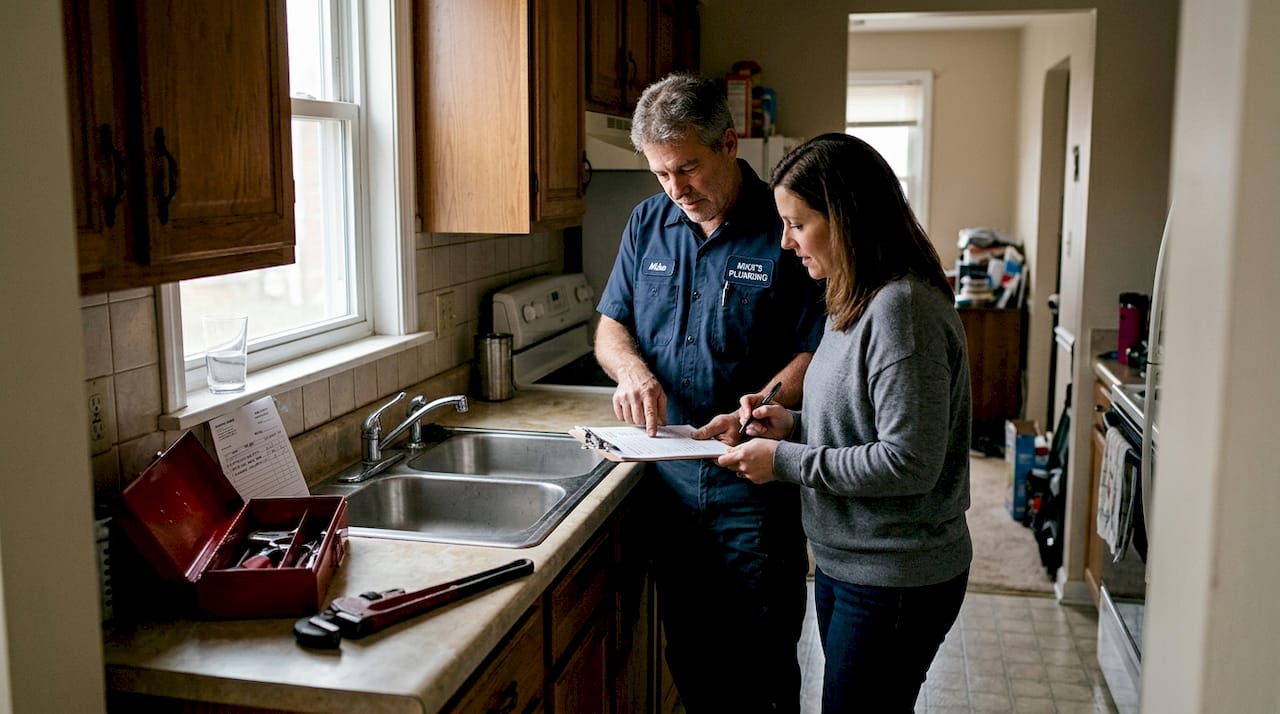
Hiring a plumber in Pittsburgh requires more than a quick online search. With 10% of western Pennsylvania complaints involving home improvement services and scams ranking as the fifth riskiest issue, homeowners face real risks when selecting contractors. Pittsburgh’s aging infrastructure adds complexity, from clay pipes to winter freeze damage. This guide provides a practical framework to evaluate plumbers based on licensing, reviews, local experience, and transparent pricing. You’ll learn how to verify credentials through Allegheny County, spot red flags, and make confident hiring decisions that protect your home and budget.
Table of Contents
- Key takeaways
- Key criteria to evaluate before hiring a plumber
- How to verify licensing and permits for Pittsburgh plumbers
- Evaluating reviews, references, and local experience
- Comparing plumber options: experience, availability, and pricing
- Making the right hiring decision for your Pittsburgh home
- How AG Plumbing can help Pittsburgh homeowners
- FAQ
Key Takeaways
| Point | Details |
|---|---|
| License verification | Verify a plumber’s license through the Allegheny County Health Department Plumbing Program to ensure the contractor is properly credentialed. |
| Check reviews and references | Consult multiple review sites and ask for recent customer references to spot red flags and gauge reliability. |
| Local Pittsburgh experience | Prioritize plumbers with local Pittsburgh experience, especially with older homes and local challenges. |
| Transparent pricing and deposits | Demand written estimates and avoid large upfront deposits to prevent overcharging. |
| Permits and inspections | Understand permit requirements and ensure the plumber handles permits and required inspections. |
Key criteria to evaluate before hiring a plumber
Verifying a plumber’s license through the Allegheny County Health Department Plumbing Program is your first defense against fraud. The county issues three license types: Apprentice, Journeyman, and Master, each requiring annual renewals and exams twice yearly. Master plumbers have passed rigorous testing and accumulated years of supervised experience, making them qualified for complex repairs.

Pittsburgh homeowners face specific scam risks. The Better Business Bureau reports 10% of western PA complaints involve home improvement, with scams ranking fifth riskiest and causing average losses of $1,800, particularly targeting seniors. Pennsylvania law provides protection by limiting deposits to one-third of total cost for jobs exceeding $5,000 and granting a three-day right to cancel contracts.
Watch for these warning signs:
- Demands for large upfront payments before work begins
- Pressure tactics requiring immediate decisions
- Reluctance to provide written estimates or contracts
- Missing or expired license credentials
- Unusually low bids that seem too good to be true
Pro Tip: Always check the BBB database before signing any contract. A clean record with resolved complaints indicates professionalism, while patterns of unresolved issues signal trouble.
Understanding common plumbing issues in Pennsylvania helps you ask informed questions during initial consultations. Plumbers experienced with local challenges will discuss pipe materials, water pressure issues, and seasonal concerns without prompting.
How to verify licensing and permits for Pittsburgh plumbers
The ACHD online directory allows you to confirm license status in minutes. Enter the plumber’s name or business to view their license type, issue date, and expiration. This verification step eliminates unlicensed contractors who may offer lower prices but lack proper training.
Follow these steps to verify credentials:
- Visit the Allegheny County Health Department website
- Navigate to the Plumbing Program section
- Search the online license directory
- Confirm the license type matches the work scope
- Check the expiration date to ensure current status
Permit requirements in Allegheny County apply to significant plumbing projects including water heater replacements, pipe rerouting, and fixture installations. Professional plumbers handle permit applications and schedule required inspections, ensuring compliance with local codes. Skipping permits creates liability issues and complicates future home sales.
Pro Tip: Ask potential plumbers how they handle permits during your first conversation. Experienced contractors will explain the process clearly and include permit costs in their estimates.
City of Pittsburgh residents should note that while the city uses its Permits, Licenses, and Inspections department for some oversight, Allegheny County manages most plumbing licensing. Understanding this jurisdictional split prevents confusion when verifying credentials.
Inspection history matters as much as licensing. Professional plumbers in Pittsburgh maintain relationships with local inspectors and understand code requirements thoroughly. Request documentation of past inspections to verify compliance history. Plumbing inspections in Pennsylvania protect your investment by catching issues before they escalate.
Evaluating reviews, references, and local experience
Cross-referencing multiple review platforms provides a balanced assessment of plumber reliability. Google Reviews, Yelp, BBB, and Angi each attract different customer demographics and review styles. Checking reviews across platforms reveals patterns in service quality, pricing transparency, and customer communication.
Request recent customer references directly from plumbers. Reputable contractors willingly provide contact information for completed projects similar to yours. Call these references and ask specific questions about timeline accuracy, cleanup practices, and how the plumber handled unexpected complications.
Pittsburgh’s aging infrastructure demands specialized knowledge. Many homes built before 1960 contain clay sewer lines and iron supply pipes prone to corrosion. Winter freeze damage affects exposed pipes in unheated areas. Plumbers experienced with older Pittsburgh homes understand these challenges and recommend appropriate solutions.
Key questions to ask references:
- Did the plumber arrive on time and complete work as scheduled?
- Were there surprise charges beyond the original estimate?
- How did they handle unexpected problems during the project?
- Would you hire them again for future plumbing needs?
| Platform | Strengths | Limitations |
|---|---|---|
| Google Reviews | Large sample size, verified purchases | Can include fake reviews |
| Yelp | Detailed narratives, photo evidence | Tends toward negative bias |
| BBB | Complaint resolution tracking | Smaller review volume |
| Angi | Verified project details, cost ranges | Membership required for full access |
Pricing complaints appear frequently in reviews. Compare reported costs across multiple sources to identify fair market rates. Top plumbing services in Pittsburgh maintain consistent pricing structures and explain cost variations based on project complexity.
Comparing plumber options: experience, availability, and pricing
Local expertise separates adequate plumbers from exceptional ones. Pittsburgh-specific plumbing challenges include replacing antique cast iron stacks, navigating hillside drainage issues, and addressing hard water problems common in certain neighborhoods. Plumbers familiar with these conditions diagnose problems faster and recommend proven solutions.
Emergency availability becomes critical during winter months when frozen pipes burst overnight. Same-day plumbing services in Pittsburgh minimize water damage and prevent secondary issues like mold growth. Confirm whether plumbers offer true 24/7 emergency response or simply return calls during business hours.
| Factor | What to look for | Red flags |
|---|---|---|
| Local experience | 5+ years serving Pittsburgh, references from your neighborhood | Vague answers about local pipe materials |
| Emergency availability | 24/7 dispatch, average response time under 2 hours | Only available during business hours |
| Pricing transparency | Detailed written estimates, hourly rates disclosed upfront | Verbal quotes only, reluctance to itemize costs |
| Warranty offerings | Minimum 1-year guarantee on labor and parts | No warranty or extremely short coverage period |
Pricing transparency prevents disputes and builds trust. Request itemized estimates breaking down labor, materials, permit fees, and disposal costs. Reputable plumbers explain why certain repairs cost more and offer alternatives when budget constraints exist.
Warranty offerings protect your investment beyond project completion. Standard warranties cover labor for one year and parts based on manufacturer specifications. Extended warranties indicate confidence in workmanship quality.
Pro Tip: Schedule non-emergency maintenance during spring or fall when demand drops. You’ll secure better rates and more flexible scheduling than during peak winter and summer seasons.
Compare at least three plumbers before making your decision. Document their responses to your questions, review their estimates side by side, and trust your instincts about professionalism and communication style.
Making the right hiring decision for your Pittsburgh home
Pennsylvania law restricts deposits to one-third of total project cost for jobs exceeding $5,000. This protection prevents contractors from collecting large sums and disappearing before completing work. Insist on payment schedules tied to project milestones rather than upfront lump sums.
Verification through multiple sources reduces scam risk significantly. Combine license checks, review analysis, and reference calls to build a complete picture of plumber reliability. Customer testimonials from AG Plumbing demonstrate how transparency and consistent service quality build long-term trust.
Permit documentation protects you legally and financially. Major plumbing work performed without permits creates liability during home sales and insurance claims. Professional plumbers obtain permits automatically and provide copies for your records.
Critical statistic: Home improvement scams in western PA average $1,800 in losses, with seniors most frequently targeted. This represents significant financial harm that proper vetting prevents.
Before signing contracts:
- Confirm all verbal agreements appear in writing
- Verify warranty terms and coverage duration
- Understand payment schedule and accepted methods
- Review cancellation policies and dispute resolution procedures
- Ensure permit responsibilities are clearly assigned
Clear communication prevents misunderstandings that damage contractor relationships. Discuss your expectations about work hours, cleanup standards, and how the plumber will handle unexpected complications. Contractors who listen carefully and ask clarifying questions demonstrate professionalism.
Written estimates should include detailed scope descriptions, material specifications, and timeline projections. Vague estimates leave room for disputes about what was included in the original agreement. Request revisions until you fully understand every line item.
How AG Plumbing can help Pittsburgh homeowners
Navigating plumber selection becomes simpler when you work with established local experts. AG Heating, Cooling & Plumbing brings 30 years of experience serving Pittsburgh and surrounding areas, with licensed professionals who understand the unique challenges of older homes and aging infrastructure. Our team handles everything from routine maintenance to complex pipe replacements, always securing proper permits and scheduling required inspections.
Winter emergencies demand immediate response. Our 24/7 emergency services minimize damage when pipes freeze or water heaters fail unexpectedly. We maintain relationships with local suppliers to access parts quickly, reducing downtime and preventing secondary damage to your property.
Plumbing repair services in Pittsburgh cover the full spectrum of residential needs, from leak detection to sewer line replacement. Transparent pricing, detailed estimates, and clear communication ensure you understand exactly what work your home requires. Same-day plumbing availability addresses urgent issues before they escalate into costly repairs.
FAQ
What license should a Pittsburgh plumber have?
Allegheny County issues three plumbing license types: Apprentice, Journeyman, and Master. Master plumbers have completed the most rigorous training and testing, qualifying them for complex residential and commercial projects. Verify any plumber’s license through the ACHD online directory before hiring.
How can I spot a plumbing scam?
Watch for demands exceeding Pennsylvania’s one-third deposit limit and pressure for immediate decisions without written contracts. Scams rank fifth among home improvement risks in western Pennsylvania, with average losses reaching $1,800. Verify licenses, check multiple review platforms, and never pay the full amount upfront. Understanding common plumbing issues in Pennsylvania helps you recognize when quoted work seems excessive or unnecessary.
Do major plumbing repairs require permits in Pittsburgh?
Major plumbing work in Allegheny County requires permits and subsequent inspections to ensure code compliance. Water heater replacements, pipe rerouting, and fixture installations typically need permits. Professional plumbers handle permit applications and schedule inspections as part of their service. Skipping this step creates legal liability and complications during home sales. Professional plumbers in Pittsburgh understand local requirements and include permit costs in their estimates.
How many estimates should I get before hiring?
Request at least three detailed estimates from licensed plumbers to compare pricing, scope, and approach. This comparison reveals market rates and helps identify unusually high or suspiciously low bids. Ensure estimates include labor, materials, permits, and disposal fees. Written estimates protect both parties by documenting agreed-upon work before projects begin.
What questions should I ask during initial consultations?
Ask about license type and verification, experience with Pittsburgh’s older infrastructure, emergency availability, warranty offerings, and payment terms. Request references from recent projects similar to yours. Discuss how they handle unexpected complications and change orders. Professional plumbers answer these questions confidently and provide documentation supporting their qualifications.
Recommended
- What do professional plumbers do in Pittsburgh? 2026 – AG-Plumbing
- Top 7 Plumbing Services in 2026 for Homeowners in Pittsburgh, PA – AG-Plumbing
- Examples of plumbing repairs Pittsburgh homeowners need – AG-Plumbing
- Same Day Plumbing in Pittsburgh: Cut Damage Costs 30% – AG-Plumbing
