
Your home’s plumbing system does more than deliver water and remove waste. It directly impacts your energy bills in ways most Pittsburgh homeowners never consider. Leaky plumbing systems cause significant water and energy loss, with some homes wasting up to 30% more energy due to inefficient fixtures and poor maintenance. This article reveals how your pipes, water heater, and fixtures affect your utility costs and shows you practical ways to optimize your plumbing for maximum energy savings and lower monthly bills.
Table of Contents
- Key takeaways
- How plumbing affects your home’s energy use
- Energy-efficient plumbing upgrades that save money
- Maintaining your plumbing for ongoing energy efficiency
- How to apply energy-saving plumbing in your Pittsburgh home
- Enhance your home’s energy efficiency with expert plumbing services
- Frequently asked questions
Key Takeaways
| Point | Details |
|---|---|
| Plumbing drives energy costs | Leaky pipes and inefficient fixtures waste water and force the water heater to work harder, raising monthly bills. |
| Pipe insulation matters | Unheated spaces allow heat to escape, causing the heater to run longer and costing more energy. |
| Low flow fixtures save energy | Modern low flow showerheads, toilets, and faucets reduce water use and the energy required to heat it. |
| Tankless heaters cut standby loss | On demand heating eliminates standby energy that would otherwise raise costs with traditional tanks. |
How plumbing affects your home’s energy use
Your plumbing system and energy consumption are more connected than you might think. Every time you turn on a hot water tap, your water heater springs into action, consuming electricity or gas to heat that water. When your plumbing isn’t working efficiently, your energy bills climb without you realizing why.
Leaking pipes and fixtures create a double problem. First, they waste water itself, which costs money. Second, if the leak involves hot water, your heater works overtime replacing that lost heated water. A slow drip from a hot water line forces your heater to cycle on more frequently, burning energy to maintain temperature in the tank. Common plumbing issues in Pennsylvania homes often go unnoticed for months, silently draining your wallet.
Poor insulation of your plumbing lines compounds the problem. When hot water travels through uninsulated pipes, especially those running through unheated spaces like basements or crawl spaces, heat escapes before the water reaches your faucet. Your water heater compensates by heating water to higher temperatures or running longer cycles. In Pittsburgh’s cold winters, this heat loss becomes even more pronounced, making proper pipe insulation essential for energy efficiency.
Older fixtures represent another major energy drain:
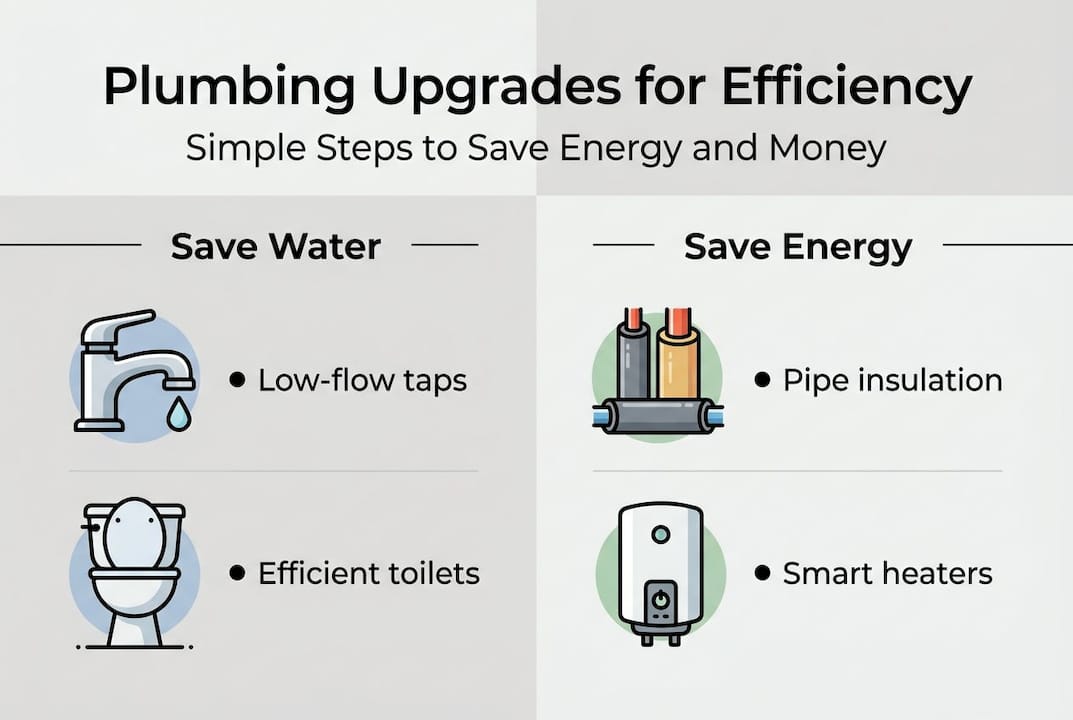
- Traditional showerheads use 2.5 gallons per minute or more, while modern low-flow versions use 2.0 gallons or less
- Older toilets consume 3.5 to 7 gallons per flush compared to 1.28 gallons for WaterSense models
- Conventional faucets flow at 2.2 gallons per minute versus 1.5 gallons for efficient aerators
- Outdated water heaters operate at 50-60% efficiency while new models reach 80-95%
Pro Tip: Check your water meter before bed and again in the morning without using any water. If the reading changes, you have a leak somewhere that’s wasting water and energy around the clock.
The connection between water heating and energy use makes plumbing efficiency crucial for controlling utility costs. Water heating typically accounts for 18-20% of your home’s total energy consumption. When your plumbing system forces your water heater to work harder through leaks, poor insulation, or inefficient fixtures, that percentage climbs significantly. Addressing plumbing inefficiencies offers one of the fastest returns on investment for energy savings in your Pittsburgh home.
Energy-efficient plumbing upgrades that save money
Upgrading your plumbing system with energy-efficient components delivers immediate and long-term savings. The right improvements reduce both water consumption and the energy needed to heat that water, creating compound savings on your utility bills.
Modern water heaters and low-flow fixtures reduce energy and water consumption dramatically compared to older equipment. The choice between traditional tank and tankless water heaters represents one of the most impactful decisions for energy efficiency:
| Water Heater Type | Energy Efficiency | Best For | Annual Operating Cost |
|---|---|---|---|
| Traditional Tank | 50-60% efficient | Homes with predictable usage patterns | $400-$600 |
| High-Efficiency Tank | 65-80% efficient | Moderate usage with space for tank | $300-$450 |
| Tankless Gas | 80-95% efficient | High usage homes, space-constrained areas | $250-$400 |
| Heat Pump Water Heater | 200-300% efficient | Moderate climates, larger spaces | $150-$300 |
Tankless water heaters heat water on demand rather than maintaining a tank of hot water 24/7. This eliminates standby heat loss, which accounts for 10-20% of water heating costs with traditional tanks. For Pittsburgh families with high hot water demands, tankless systems provide endless hot water while using less energy overall.
Low-flow fixtures offer another high-impact upgrade. Installing these throughout your home creates measurable savings:
- Low-flow showerheads maintain water pressure while reducing flow from 2.5 to 1.5-2.0 gallons per minute, saving 8,000-10,000 gallons annually for a family of four
- Aerating faucets mix air with water to maintain pressure at lower flow rates, cutting kitchen and bathroom water use by 30%
- Dual-flush toilets offer a partial flush for liquid waste and full flush for solid waste, reducing water consumption by up to 67% compared to older models
- Touchless faucets prevent water waste from taps left running accidentally
Pro Tip: When upgrading fixtures during remodeling, look for WaterSense labels. These EPA-certified products meet strict efficiency and performance standards, guaranteeing both water savings and quality performance.
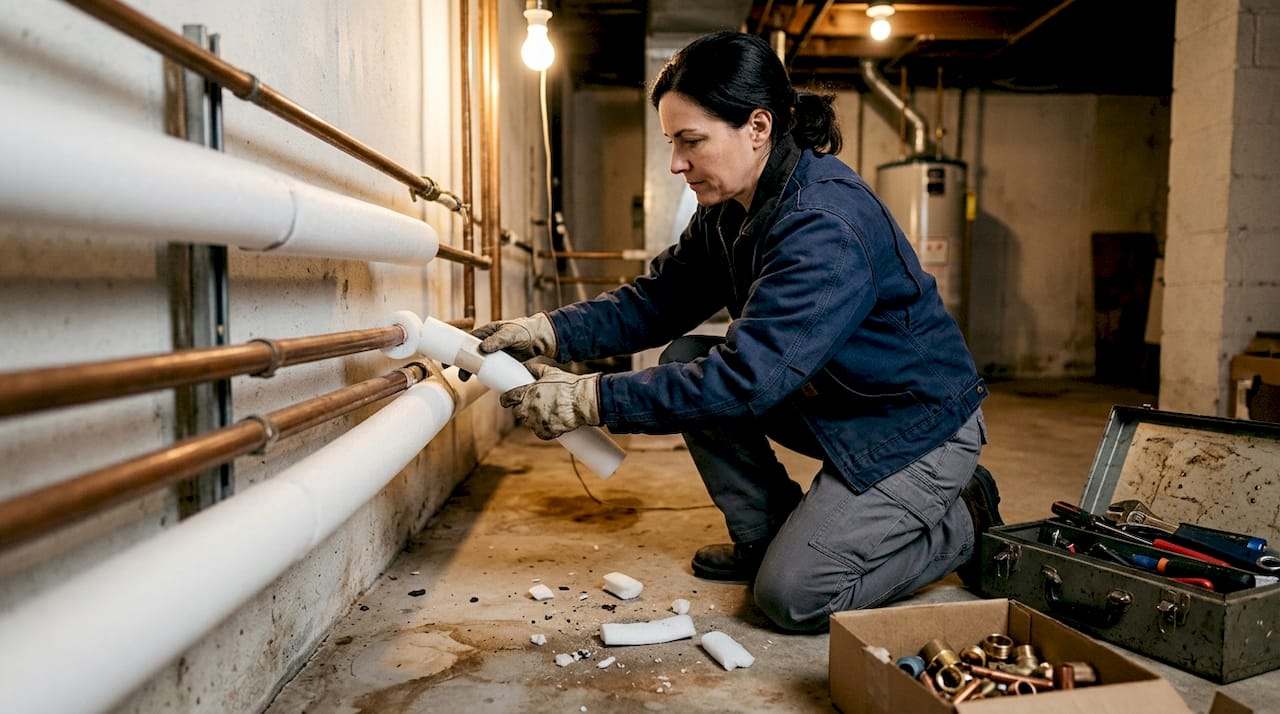
Pipe insulation represents one of the most cost-effective upgrades you can make. Insulating your hot water pipes prevents heat loss during water transport, delivering several benefits. Your water arrives at the tap hotter, reducing the temptation to crank up the water heater temperature. Your heater runs less frequently because it doesn’t need to compensate for heat lost in transit. You waste less water waiting for hot water to arrive at distant fixtures. Foam pipe insulation costs just $0.50-$1.00 per linear foot and pays for itself within a year through energy savings.
Timely fixture replacement matters more than many homeowners realize. A faucet that drips once per second wastes over 3,000 gallons annually. If that’s hot water, you’re also paying to heat those 3,000 gallons before they disappear down the drain. Replacing worn fixtures before they fail completely prevents this ongoing waste. Modern fixtures also incorporate better seals, ceramic disc valves, and corrosion-resistant materials that maintain efficiency longer than older designs. The upfront cost of quality fixtures pays dividends through decades of efficient operation and lower energy bills.
Maintaining your plumbing for ongoing energy efficiency
Even the most efficient plumbing system loses effectiveness without proper maintenance. Regular care keeps your upgrades working at peak efficiency and catches small problems before they become expensive energy drains.
Regular plumbing maintenance prevents leaks and improves system efficiency, leading to lower utility bills over time. Establishing a maintenance routine protects your investment in energy-efficient plumbing:
- Inspect visible pipes quarterly for signs of moisture, corrosion, or mineral buildup that could indicate developing leaks
- Check water pressure monthly using a pressure gauge attached to an outdoor spigot, keeping pressure between 40-60 PSI to prevent strain on pipes and fixtures
- Test your water heater’s temperature and pressure relief valve twice yearly to ensure it operates correctly and prevents dangerous pressure buildup
- Flush your water heater annually to remove sediment that reduces heating efficiency and shortens equipment life
- Examine faucet aerators and showerheads every few months, cleaning mineral deposits that restrict flow and reduce efficiency
- Monitor your water bill for unexpected increases that might signal hidden leaks or efficiency problems
Recognizing signs of inefficient plumbing helps you address issues promptly. Dripping faucets seem minor but waste significant water and energy over time. A faucet dripping at one drop per second loses 2,700 gallons yearly. Slow drains indicate partial blockages that force you to run water longer, wasting both water and energy. Unexpectedly high utility bills often signal hidden leaks or equipment problems that reduce efficiency.
Pro Tip: Add a few drops of food coloring to your toilet tank and wait 15 minutes without flushing. If color appears in the bowl, your flapper valve is leaking, wasting up to 200 gallons daily and the energy to heat replacement water if it’s connected to your hot water system.
Timely repair of leaks and corrosion prevents energy waste from escalating. Small leaks grow larger over time as water pressure erodes pipe walls and fitting seals. Corrosion creates rough interior pipe surfaces that restrict water flow, forcing pumps and heaters to work harder. Addressing these issues when they first appear costs far less than waiting until they cause major damage or significantly impact your energy bills.
Professional inspections catch hidden inefficiencies that homeowners miss. A qualified plumber can detect problems like slab leaks, pressure imbalances, or water heater issues before they become obvious. Schedule a comprehensive plumbing inspection every two to three years, or annually if your home has older plumbing. Professional inspections include checking pipe insulation integrity, testing water heater efficiency, examining fixture performance, and identifying potential problems before they waste energy and money. In Pittsburgh’s climate, where freezing temperatures stress plumbing systems, professional maintenance becomes even more valuable for preventing efficiency-robbing damage.
How to apply energy-saving plumbing in your Pittsburgh home
Turning knowledge into action starts with understanding your current plumbing system and identifying opportunities for improvement. A systematic approach ensures you address the most impactful issues first and maximize your energy savings.
Begin with a home plumbing audit to identify leaks and inefficiencies. Walk through your home checking every fixture, pipe, and connection you can access. Look for water stains on ceilings and walls that indicate hidden leaks. Listen for running water when all fixtures are off. Check your water meter reading, avoid using water for an hour, then check again. Any change indicates a leak somewhere in your system. Examine your water heater for rust, corrosion, or moisture around connections. Note the age and condition of all fixtures, identifying candidates for replacement.
Prioritize energy-saving fixture replacements based on impact and budget:
- Replace your water heater first if it’s over 10 years old or showing efficiency problems, as this delivers the largest energy savings
- Upgrade bathroom fixtures next, focusing on showerheads and toilets that see daily use and offer quick payback through water and energy savings
- Install faucet aerators throughout your home as an inexpensive quick win that reduces water consumption immediately
- Add pipe insulation to accessible hot water lines, especially those running through unheated spaces
Insulating hot water pipes in Pittsburgh’s climate yields substantial benefits. Cold basements and crawl spaces cause significant heat loss from uninsulated pipes. Start with pipes closest to your water heater and those running through unheated areas. Use foam pipe insulation sized to match your pipe diameter. Seal seams with specialized tape to prevent air gaps. Pay special attention to the first few feet of pipe leaving your water heater, where heat loss is greatest. Insulated pipes deliver hot water faster, reducing water waste while you wait for hot water to arrive.
| Upgrade Priority | Typical Cost | Annual Savings | Payback Period |
|---|---|---|---|
| Water heater replacement | $1,200-$3,500 | $200-$400 | 3-8 years |
| Low-flow showerheads | $20-$100 | $75-$150 | 2-8 months |
| Toilet replacement | $200-$500 | $50-$100 | 2-5 years |
| Pipe insulation | $50-$200 | $30-$60 | 1-3 years |
| Faucet aerators | $5-$15 each | $20-$40 | 2-6 months |
Pro Tip: Check with your local utility company for rebates on energy-efficient plumbing upgrades. Many Pittsburgh-area utilities offer incentives for water heater replacements and fixture upgrades that can significantly reduce your upfront costs.
Finding local experts to assist with plumbing and energy assessments ensures quality work and optimal results. Professional heating, cooling, and plumbing services provide expertise in identifying efficiency opportunities specific to Pittsburgh homes. Look for licensed plumbers with experience in energy-efficient systems and positive reviews from local homeowners. Ask about their familiarity with current efficiency standards and available rebate programs. A qualified professional can perform a comprehensive assessment, recommend prioritized improvements, and execute upgrades that deliver maximum energy savings for your investment.
Enhance your home’s energy efficiency with expert plumbing services
Implementing energy-efficient plumbing improvements delivers the best results when you work with experienced professionals who understand both plumbing systems and energy optimization. AG Heating, Cooling & Plumbing brings 30 years of expertise to Pittsburgh homeowners seeking to reduce utility costs through smarter plumbing solutions.
Our team specializes in energy-efficient plumbing upgrades tailored to Pittsburgh’s climate and your home’s specific needs. We assess your current system, identify opportunities for improvement, and recommend solutions that balance upfront investment with long-term savings. From water heater replacements to comprehensive fixture upgrades, we handle every aspect of your plumbing efficiency project. Our repair services address leaks and inefficiencies promptly, preventing ongoing energy waste. We offer comprehensive plumbing services that keep your system operating at peak efficiency year after year. Contact us today to schedule an energy efficiency assessment and discover how much you can save.
Frequently asked questions
What role does plumbing play in home energy efficiency?
Plumbing impacts energy efficiency primarily through water heating demands and water loss from leaks. Your water heater accounts for nearly 20% of home energy use, so efficient plumbing that minimizes wasted water directly reduces energy consumption. Leaky fixtures and poor insulation force your heater to work harder, increasing utility costs significantly.
Which plumbing upgrades offer the best energy savings?
Upgrading to tankless or high-efficiency water heaters provides the largest energy savings, reducing water heating costs by 30-50%. Low-flow showerheads and faucet aerators offer quick payback with minimal investment. Insulating hot water pipes prevents heat loss during transport. Replacing old, leaky fixtures promptly maximizes efficiency benefits across your entire system.
How can I maintain my plumbing to keep energy costs down?
Regularly check for leaks by monitoring your water meter and inspecting visible pipes quarterly. Maintain proper water pressure between 40-60 PSI to prevent strain on your system. Schedule professional inspections every two to three years to catch hidden problems. Promptly repair any issues to avoid prolonged energy and water loss that increases utility bills.
Are energy-efficient plumbing solutions cost-effective for Pittsburgh homeowners?
Energy-efficient plumbing reduces utility bills substantially and often qualifies for local rebates that lower upfront costs. Most upgrades pay for themselves within two to five years through reduced water and energy consumption. The long-term savings typically far exceed initial investment, making efficiency improvements a wise financial decision for Pittsburgh homes facing cold winters and rising utility rates.
Recommended
- Maximize bathroom comfort: role of plumbing in Pittsburgh 2026 – AG-Plumbing
- Maximize your remodeling investment with plumbing upgrades – AG-Plumbing
- Service water heaters: efficiency guide for PA homes – AG-Plumbing
- Heating, Cooling & Plumbing Services Pittsburgh, PA
