
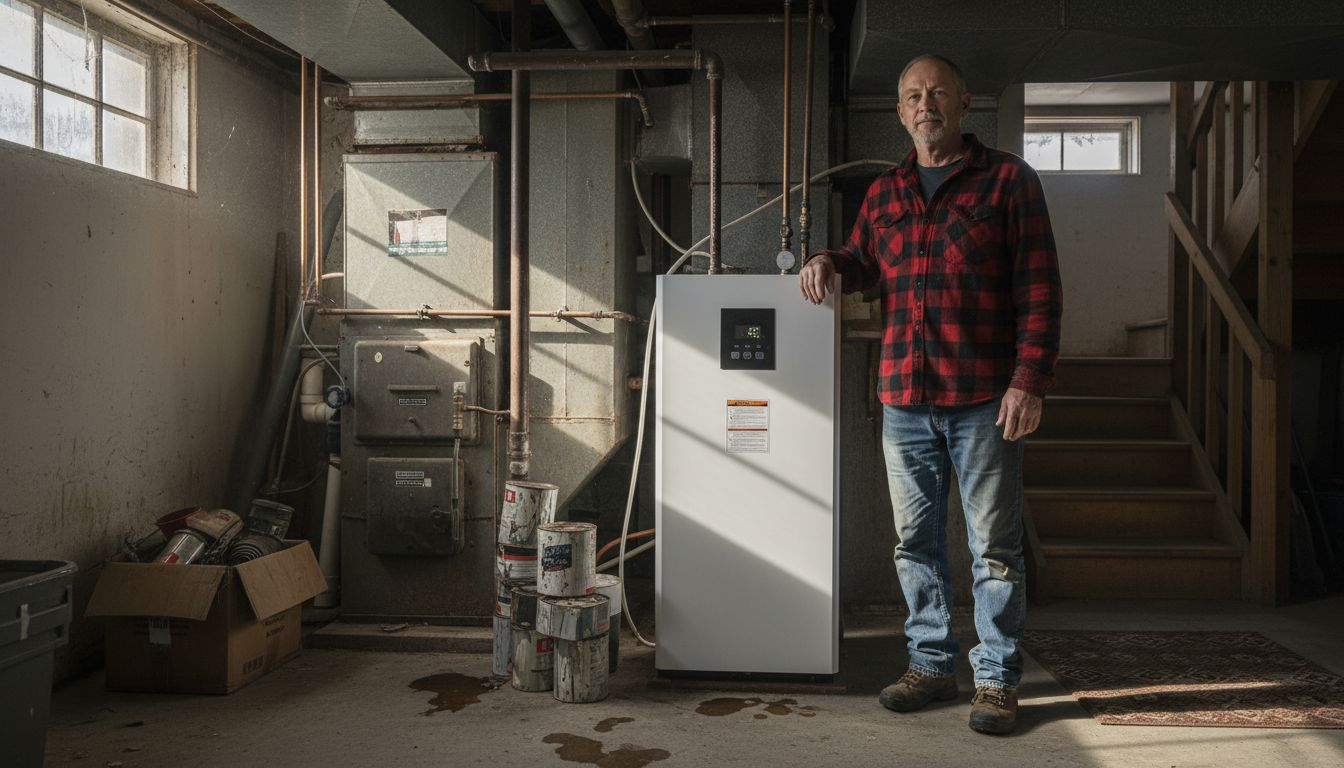
Water heating accounts for roughly 18% of residential energy use, making it a major contributor to utility bills in Pennsylvania homes. Upgrading to efficient service water heaters, particularly heat pump models, can dramatically reduce energy consumption and lower monthly costs. Understanding how these systems work and their benefits helps homeowners make informed decisions about improving comfort while cutting expenses.
Table of Contents
- How Heat Pump Water Heaters Work To Deliver Efficiency
- Understanding Heat Pump Water Heaters And Their Efficiency Benefits
- Financial Benefits Of Upgrading To Service Water Heaters
- Installation And Location Considerations For Service Water Heaters
- Comparison Of Water Heater Types And Selection Criteria
- Common Misconceptions About Service Water Heaters
- Environmental Impact Of Service Water Heaters
- Conclusion And Next Steps For Homeowners
- Enhance Your Home’s Comfort With AG Heating, Cooling & Plumbing
- Frequently Asked Questions About Service Water Heaters
Key takeaways
| Point | Details |
|---|---|
| Energy savings | Heat pump water heaters reduce energy use by up to 70% compared to traditional electric models. |
| Annual cost reduction | Typical households save approximately $550 per year on electricity bills. |
| Installation requirements | Proper placement with 450 to 700 cubic feet of ambient air space ensures optimal performance. |
| Environmental impact | Nationwide adoption prevents roughly 150 billion pounds of CO2 emissions annually. |
| Financial payback | Upfront investment typically recovers within 3 years through utility savings. |
How heat pump water heaters work to deliver efficiency
Heat pump water heaters (HPWHs) represent a fundamental shift in how homes produce hot water. Instead of generating heat directly like traditional electric resistance units, these systems transfer heat from surrounding air to the water tank. This process makes them two to three times more energy efficient than conventional electric water heaters.
The technology works similarly to a refrigerator in reverse. A fan pulls ambient air over an evaporator coil containing refrigerant. The refrigerant absorbs heat from the air, then passes through a compressor that raises its temperature further. Finally, the hot refrigerant transfers its heat to the water through a condenser coil wrapped around the storage tank.
Several factors influence HPWH performance:
- Ambient temperature affects efficiency, with warmer environments providing better heat transfer
- Adequate airflow ensures the system can extract sufficient heat from surrounding air
- Proper installation location maximizes energy savings and extends equipment lifespan
- Regular maintenance keeps components operating at peak efficiency
Pro Tip: Installing your heat pump water heater in a basement or utility room that stays relatively warm year round optimizes performance in Pennsylvania’s climate.
Understanding this technology helps you appreciate why HPWHs deliver superior results. The system doesn’t waste energy creating heat; it simply moves existing heat where you need it. This efficient approach explains the substantial savings homeowners experience.
Understanding heat pump water heaters and their efficiency benefits
The numbers behind heat pump water heater performance tell a compelling story. These systems use about 70% less energy than traditional electric resistance models. For a typical four-person household, this translates to annual savings of around $550 on electricity bills.
Regulatory trends support this efficiency revolution. The U.S. Department of Energy finalized standards requiring heat pump technology in electric storage water heaters by 2029, mandating efficiency improvements exceeding 50%. This regulatory push reflects growing recognition that water heating represents a major opportunity for residential energy savings.
Key efficiency advantages include:
- Dramatically lower operating costs compared to electric resistance heating
- Reduced strain on electrical grid during peak demand periods
- Consistent hot water delivery with improved recovery rates
- Long-term utility bill reductions that compound over equipment lifespan
These efficiency gains benefit both individual homeowners and the broader energy infrastructure. Lower energy consumption means fewer power plant emissions and reduced demand on Pennsylvania’s electrical grid. The environmental and financial benefits align perfectly for homeowners seeking sustainable home improvements.
Financial benefits of upgrading to service water heaters
When evaluating water heater upgrades, looking beyond purchase price reveals the true value. Heat pump water heaters deliver lifetime savings around $1,800 in utility bills compared to electric resistance units. This substantial reduction in operating costs justifies the higher initial investment.
The typical payback period of 3 years makes financial sense for most households. After recovering the upfront cost difference through monthly savings, you enjoy pure savings for the remainder of the equipment’s 10 to 15-year lifespan. This timeline works favorably even for homeowners not planning to stay in their current residence long term.
Consider these financial factors:
- Total cost of ownership over 15 years, not just purchase price
- Monthly utility bill reductions that free up budget for other priorities
- Potential home value increase from energy efficient upgrades
- Protection against future electricity rate increases
- Reduced maintenance costs compared to older, less reliable systems
Pro Tip: Track your current water heating costs for three months before upgrading, then compare after installation to see your actual savings in real time.
Smart homeowners recognize that efficient water heaters represent an investment, not an expense. The combination of immediate monthly savings and long-term financial benefits makes upgrading one of the most cost-effective home improvements available. Pennsylvania’s climate and utility rates further enhance the value proposition.
Installation and location considerations for service water heaters
Proper installation determines whether your heat pump water heater delivers promised efficiency gains. These systems require 450 to 700 cubic feet of ambient air space for effective operation. This requirement typically means installing in a basement, garage, or large utility room rather than a small closet.
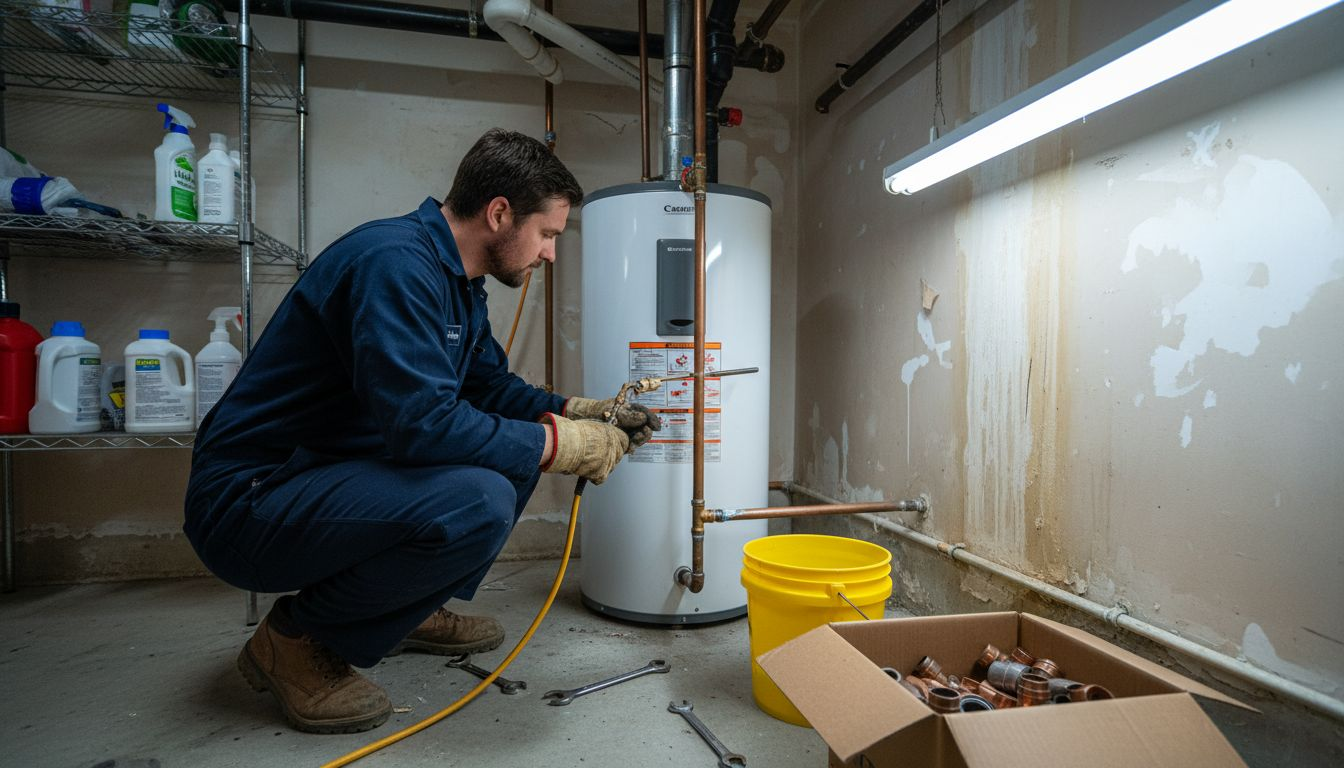
Location choices significantly impact performance in Pennsylvania’s climate. Avoid placing HPWHs in unheated outdoor spaces where winter temperatures can compromise efficiency. Instead, target semi-conditioned spaces that maintain moderate temperatures year round. Basements often work well because they stay relatively warm even in winter.
Critical installation factors include:
- Adequate clearance around the unit for airflow and maintenance access
- Proper drainage for condensate produced during operation
- Electrical service meeting manufacturer specifications
- Sound management if installing near living spaces
- Compliance with local building codes and permit requirements
Pro Tip: Consider noise levels when choosing installation locations, as heat pump water heaters produce some operational sound similar to a refrigerator.
Professional installation ensures your system meets all requirements and operates at peak efficiency. Experienced plumbers understand common plumbing issues in Pennsylvania and can integrate your new water heater seamlessly with existing systems. Regular plumbing inspections in Pennsylvania help maintain optimal performance. Working with top plumbing services in Pittsburgh protects your investment and maximizes savings.
Comparison of water heater types and selection criteria
Choosing the right water heater requires understanding how different technologies compare. Each type offers distinct advantages and limitations based on your specific situation.
| Feature | Electric Resistance | Gas Water Heater | Heat Pump Water Heater |
|---|---|---|---|
| Upfront Cost | $300 to $900 | $400 to $1,200 | $1,200 to $2,500 |
| Energy Efficiency | Low (UEF 0.90 to 0.95) | Moderate (UEF 0.60 to 0.70) | High (UEF 2.0 to 3.5) |
| Annual Operating Cost | $600 to $800 | $300 to $450 | $150 to $250 |
| Installation Complexity | Simple | Moderate (venting required) | Moderate (space/airflow needs) |
| Environmental Impact | High electricity use | Combustion emissions | Lowest carbon footprint |
| Lifespan | 10 to 15 years | 8 to 12 years | 10 to 15 years |
Traditional electric resistance heaters cost less upfront but consume significantly more electricity. Their simple design makes installation straightforward, but ongoing operating costs quickly exceed initial savings. Gas models heat water faster and cost less to operate than electric resistance, but combustion creates emissions and requires proper venting.
Heat pump water heaters represent the most efficient option despite higher purchase prices. Higher UEF ratings indicate better efficiency, but homeowners should also consider home size, fuel availability, and hot water demand patterns.
Selection criteria should balance:
- Available installation space and airflow for heat pump models
- Fuel type availability and relative costs in your area
- Household size and typical hot water consumption patterns
- Budget for both upfront costs and long-term operating expenses
- Environmental priorities and carbon reduction goals
Your specific situation determines which technology fits best. Most Pennsylvania homeowners with adequate installation space find heat pump water heaters offer the best long-term value.
Common misconceptions about service water heaters
Several persistent myths prevent homeowners from adopting efficient water heating technology. Understanding the facts helps you make better decisions based on actual performance rather than misconceptions.
Myth: Heat pump water heaters are noisy and unreliable. Reality: Certified models operate quietly at 45 to 55 dBA with a minimum 6-year warranty. This noise level compares to normal conversation or a quiet dishwasher. Decades of research and field testing prove their reliability.
Myth: High upfront costs make heat pump water heaters poor value. Reality: The 3-year payback period and $1,800 lifetime savings demonstrate strong financial returns. Focusing only on purchase price ignores the bigger picture of total ownership costs.
Myth: Gas water heaters always beat electric models for efficiency. Reality: Electric heat pump technology can reduce energy use by 70% compared to gas in many situations. The comparison depends on local utility rates, equipment efficiency, and installation conditions.
Additional myths to dispel:
- Heat pump water heaters don’t work in cold climates (they perform well in Pennsylvania when properly installed)
- Traditional water heaters last longer (modern heat pump units match or exceed conventional lifespans)
- Recovery time is too slow for large families (proper sizing provides adequate hot water)
These misconceptions stem from outdated information or confusion about older technology. Modern heat pump water heaters have evolved significantly, addressing early limitations through improved designs and components. Homeowners who understand current capabilities make better upgrade decisions.
Environmental impact of service water heaters
Beyond personal savings, water heater choices significantly affect environmental sustainability. Water heating represents a substantial portion of residential energy consumption and related emissions. Making efficient choices reduces your household’s carbon footprint considerably.
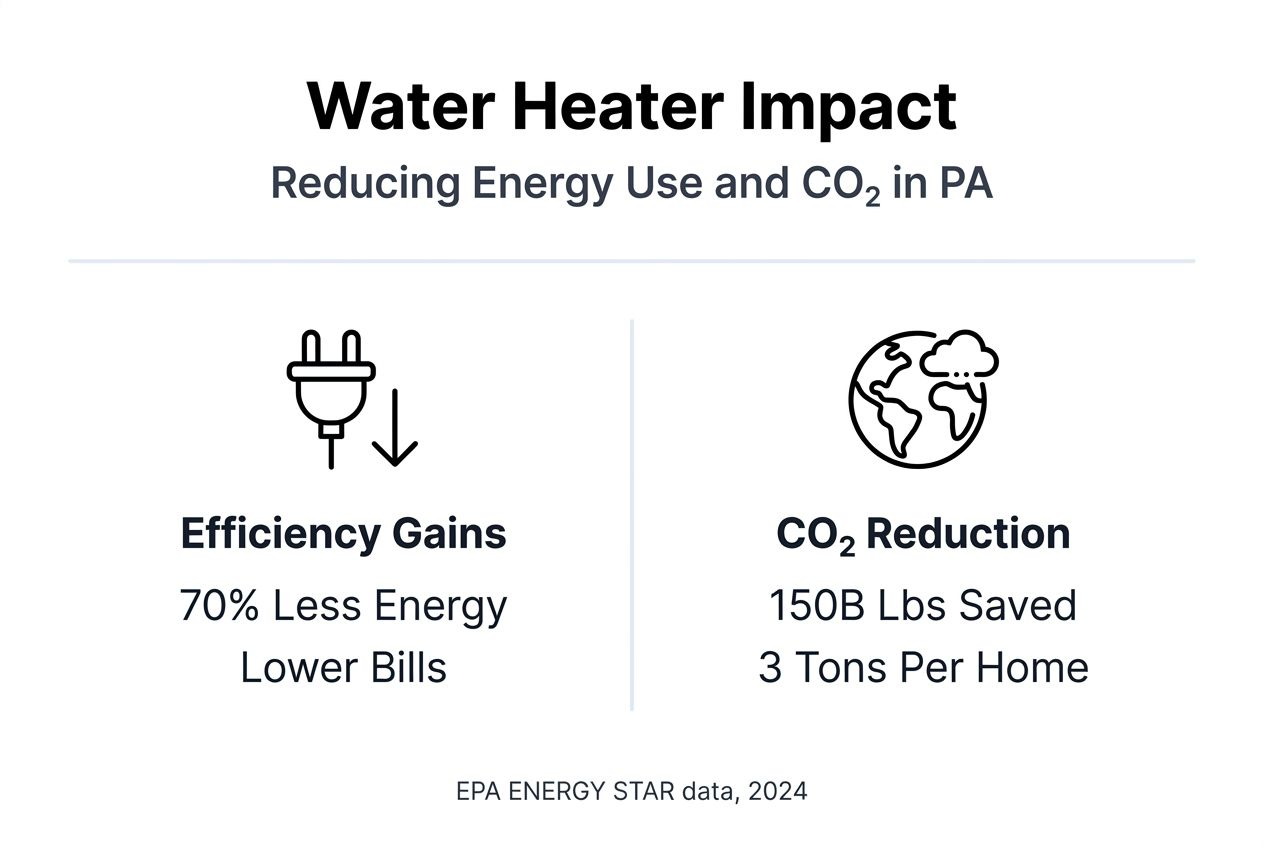
Switching to ENERGY STAR certified heat pump water heaters can prevent approximately 150 billion pounds of CO2 emissions annually across the United States. This massive reduction equals removing millions of vehicles from roads each year. Individual household contributions add up to meaningful environmental progress.
Heat pump water heaters prevent roughly 3 tons of CO2 emissions per household annually compared to electric resistance models.
The environmental benefits extend beyond carbon reduction. Lower energy consumption decreases demand on power plants, reducing air pollution and water usage for electricity generation. This ripple effect amplifies the positive impact of choosing efficient water heating technology.
Pennsylvania homeowners increasingly value sustainable choices that align financial and environmental benefits. Heat pump water heaters deliver both, making them an obvious choice for ecologically conscious households. The technology proves you don’t have to sacrifice comfort or convenience to reduce environmental impact.
Conclusion and next steps for homeowners
Service water heaters, particularly heat pump models, offer Pennsylvania homeowners a proven path to substantial energy savings and improved home comfort. The combination of 70% energy reduction, $550 annual savings, and significant environmental benefits makes upgrading a smart investment. Understanding the technology, installation requirements, and financial returns empowers informed decision making.
Professional installation and regular maintenance ensure your system delivers optimal performance throughout its lifespan. Proper setup maximizes efficiency while extending equipment longevity. Working with experienced plumbing professionals protects your investment and ensures compliance with local codes.
Take action by consulting trusted experts who understand Pennsylvania’s specific climate and plumbing requirements. AG Heating, Cooling & Plumbing provides comprehensive evaluation, selection guidance, and professional installation services. Their team helps homeowners navigate options and choose solutions that match their specific needs and budgets.
Schedule an evaluation to determine the best water heating solution for your home. Professional assessment considers your household size, hot water usage patterns, available installation space, and budget constraints. This personalized approach ensures you select the right system and maximize long-term benefits.
Enhance your home’s comfort with AG Heating, Cooling & Plumbing
Ready to reduce your energy bills and improve home comfort? AG Heating, Cooling & Plumbing specializes in heat pump water heater installation and comprehensive plumbing solutions for Pennsylvania homeowners. Their expert team ensures proper placement and efficient operation tailored to your home’s specific requirements.
With 30 years of industry experience, AG Heating, Cooling & Plumbing delivers trusted, professional service throughout Pittsburgh and surrounding areas. Their heating, cooling & plumbing services cover everything from water heater upgrades to complete system installations. Whether you need plumbing repair services or want to explore essential plumbing services for homeowners, their knowledgeable team provides reliable solutions that enhance efficiency and reduce costs. Contact AG Heating, Cooling & Plumbing today for a personalized evaluation and discover how upgrading your water heater can transform your home’s comfort and energy performance.
Frequently asked questions about service water heaters
How much energy can I really save with a heat pump water heater?
Heat pump water heaters reduce energy consumption by up to 70% compared to traditional electric resistance models. For a typical four-person household, this translates to approximately $550 in annual electricity savings, with lifetime savings around $1,800.
What installation space is needed for a heat pump water heater?
These systems require 450 to 700 cubic feet of ambient air space for optimal performance. This typically means installing in a basement, garage, or large utility room rather than a small closet. Proper airflow ensures efficient heat transfer and maximizes energy savings.
Are heat pump water heaters noisy?
Certified models operate quietly at 45 to 55 decibels, similar to normal conversation or a running refrigerator. Modern designs minimize operational noise, making them suitable for installation near living spaces when properly located.
How long does it take to recoup the cost of upgrading?
The typical payback period is about 3 years for a family of four through monthly utility bill savings. After recovering the initial investment, you continue enjoying reduced operating costs for the remaining 10 to 15-year equipment lifespan.
Can a heat pump water heater work well in Pennsylvania’s cold climate?
Yes, when installed in semi-conditioned spaces like basements that maintain moderate temperatures year round. Avoid placing units in unheated outdoor locations. Proper installation in appropriate spaces ensures efficient operation throughout Pennsylvania winters.
Recommended
- Common Plumbing Issues in PA: 30% Water Loss & Repair Savings – AG-Plumbing
- Role of plumbing inspections in PA: Save $700+ annually – AG-Plumbing
- What Is a Plumbing Schematic? 30% Faster Repairs – AG-Plumbing
- Top 7 Plumbing Services in 2026 for Homeowners in Pittsburgh, PA – AG-Plumbing
