
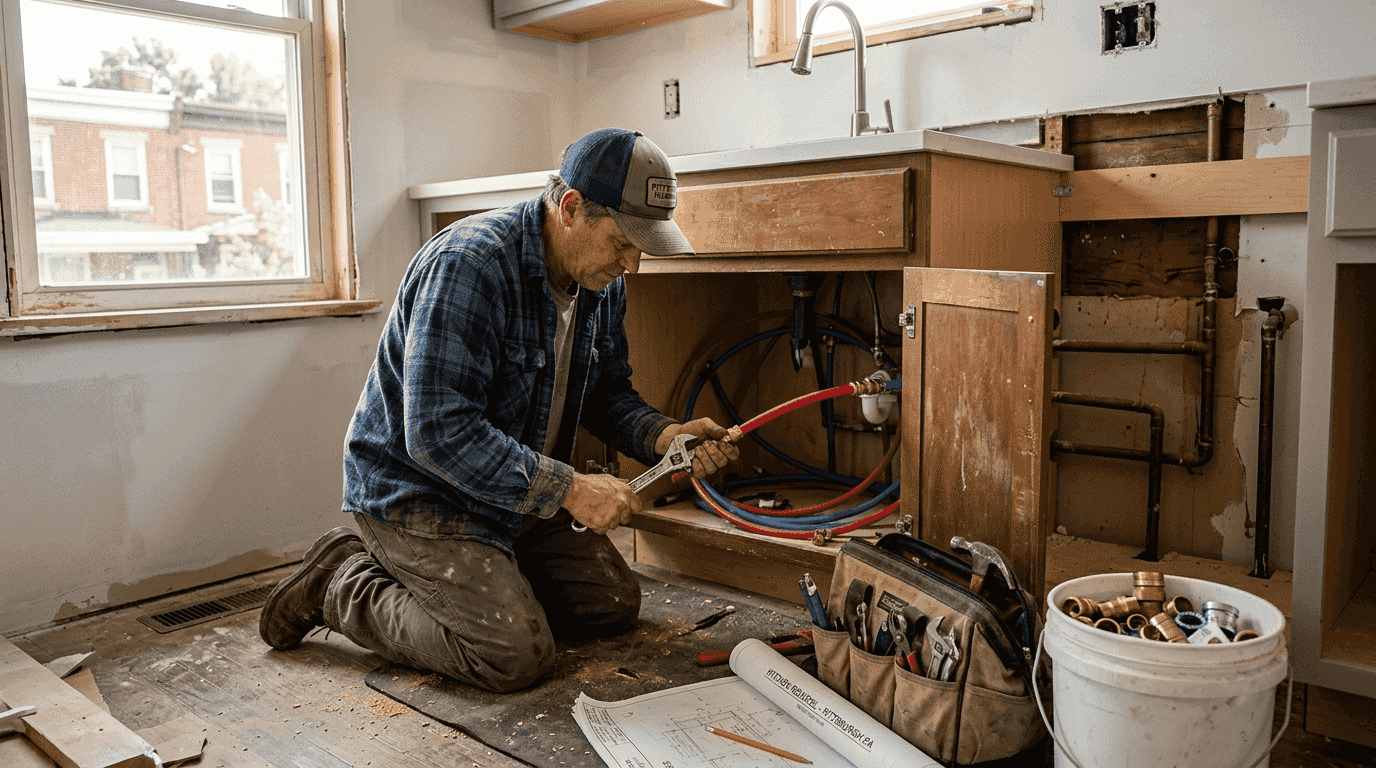
Many homeowners pour thousands into remodeling but overlook one crucial element: plumbing. This oversight can trigger costly repairs down the line, undermining your investment. Upgrading plumbing during remodels isn’t just about preventing leaks. It’s about enhancing functionality, increasing home value, and slicing utility costs. Pittsburgh homes, many built decades ago, often hide outdated pipes and fixtures that need attention. This guide reveals how integrating plumbing considerations transforms remodeling outcomes and protects your investment.
Table of Contents
- Why Plumbing Matters In Remodeling Projects
- Materials And Methods: Choosing The Right Plumbing Upgrades
- Plumbing Upgrade Costs And Return On Investment In Pittsburgh Remodels
- Planning And Executing Plumbing Upgrades During Your Remodel
- Enhance Your Remodeling Project With Expert Plumbing Services
- Frequently Asked Questions
Key takeaways
| Point | Details |
|---|---|
| Upgrade during remodels | Replacing old plumbing while walls are open prevents future damage and costs less than retrofitting later. |
| Modern materials win | PEX piping offers superior freeze resistance, faster installation, and lower costs compared to copper in Pittsburgh’s climate. |
| Strong ROI potential | Updated plumbing systems can boost Pittsburgh home values by 10-15% and significantly reduce water bills. |
| Professional execution matters | Licensed plumbers ensure code compliance, quality work, and long-term reliability for your remodeling investment. |
Why plumbing matters in remodeling projects
Your home’s plumbing system affects everything from daily comfort to resale value. When you remodel without addressing plumbing fundamentals, you’re building on a potentially faulty foundation. Proper plumbing design impacts functionality and home value, making it a cornerstone of successful renovations.
Improper plumbing creates serious risks. Leaks hidden behind new drywall breed mold and rot structural elements. Low water pressure ruins your expensive new fixtures. Outdated pipes contaminate drinking water with lead or rust. These problems don’t just inconvenience you; they destroy your remodeling investment and threaten your family’s health.
Timing matters enormously. Upgrading plumbing during remodels costs far less than tearing apart finished walls later. You’re already paying for demolition and reconstruction, so replacing pipes becomes incremental rather than monumental. Plus, preventing water damage with proper plumbing protects your entire home from catastrophic loss.
Water efficiency transforms your bills. Modern fixtures use 20-50% less water than older models without sacrificing performance. A family of four can save hundreds annually just by upgrading to low-flow toilets and showerheads. Buyers increasingly demand these features, making efficiency upgrades smart investments.
Licensed plumbers bring expertise you can’t replicate. They understand local codes, proper sizing, and installation techniques that ensure longevity. Their work gets inspected and warranted, protecting you from substandard installations that plague DIY projects.
Consider these essential plumbing upgrade benefits:
- Eliminate health hazards from lead or galvanized pipes
- Increase water pressure throughout your home
- Reduce energy costs with efficient water heating
- Prevent basement flooding and foundation damage
- Meet modern building codes for safe resale
“Investing in plumbing infrastructure during remodeling is like buying insurance for your renovation. You’re protecting both your immediate investment and your home’s long-term value.”
Materials and methods: choosing the right plumbing upgrades
Pittsburgh’s housing stock includes many homes built before 1980, when lead and galvanized pipes were standard. These materials corrode, leach contaminants, and restrict water flow. Remodeling presents the perfect opportunity to eliminate these hazards permanently.
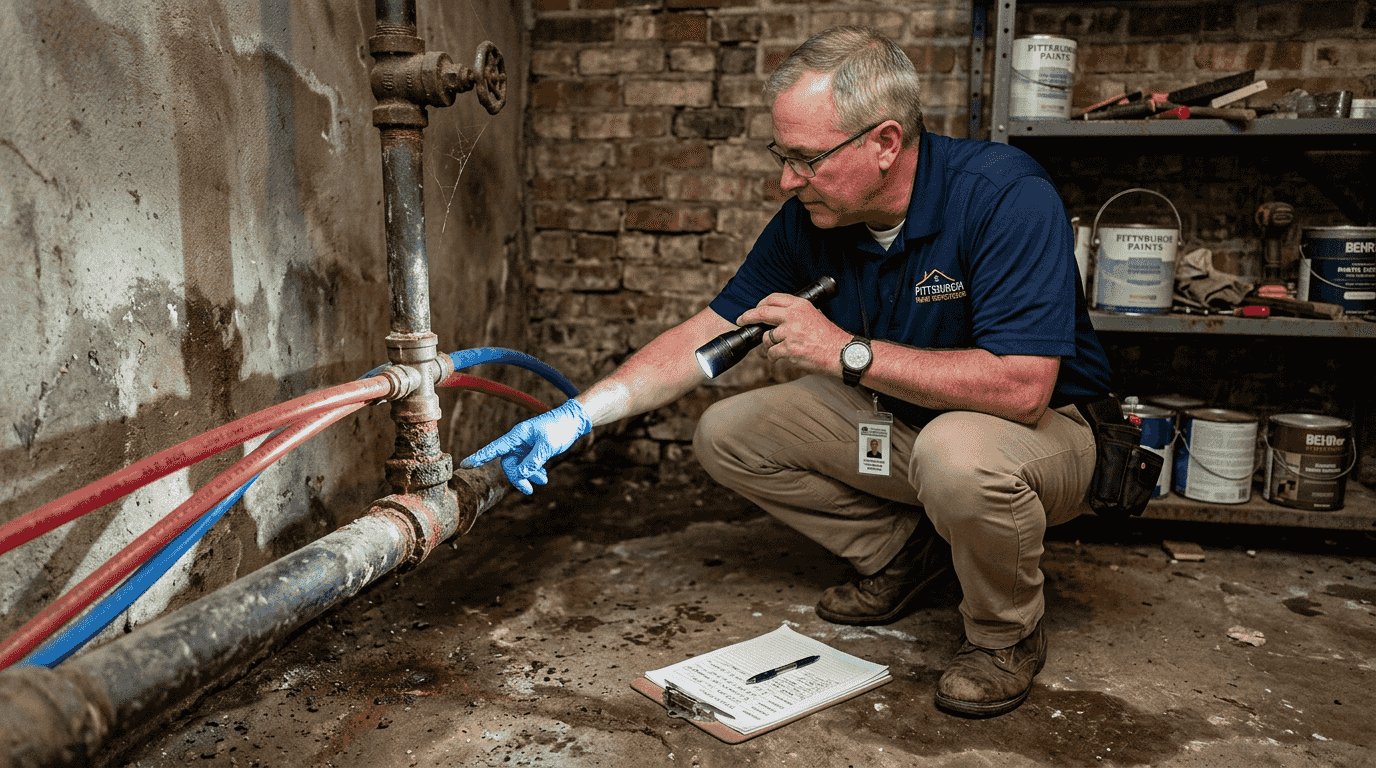
PEX piping costs less and installs faster than traditional materials. It’s flexible, corrosion-resistant, and handles freezing better than rigid copper. Installation time drops dramatically because PEX snakes through walls without extensive cutting. PEX reduces labor time up to 50%, translating directly to lower contractor bills.
Copper remains popular for specific applications despite higher costs. It’s durable, naturally antimicrobial, and approved by all building codes. However, Pittsburgh’s water chemistry can cause pinhole leaks in copper over time. Some homeowners prefer copper for visible supply lines due to its traditional appearance.
Your material choice depends on several factors:
- Budget constraints and project scope
- Local code requirements and inspector preferences
- Water chemistry and corrosion potential
- Accessibility and installation difficulty
- Long-term maintenance considerations
Pro Tip: PEX’s flexibility makes it ideal for Pittsburgh’s freeze-thaw cycles. It can expand slightly when water freezes inside, reducing burst risk compared to rigid copper pipes.
Here’s how common materials compare for whole-home repiping:
| Material | Cost per Linear Foot | Lifespan | Freeze Resistance | Installation Speed |
|---|---|---|---|---|
| PEX | $0.50-$2.00 | 50+ years | Excellent | Very Fast |
| Copper | $2.00-$4.00 | 50-70 years | Poor | Moderate |
| CPVC | $0.50-$1.00 | 50+ years | Moderate | Fast |
| Galvanized (old) | N/A | 40-50 years | Good | N/A |
Fixture selection matters just as much as piping. Low-flow toilets, aerated faucets, and efficient showerheads maintain performance while cutting water use dramatically. Look for WaterSense labels indicating EPA certification for efficiency and quality.
Plumbing upgrade costs and return on investment in Pittsburgh remodels
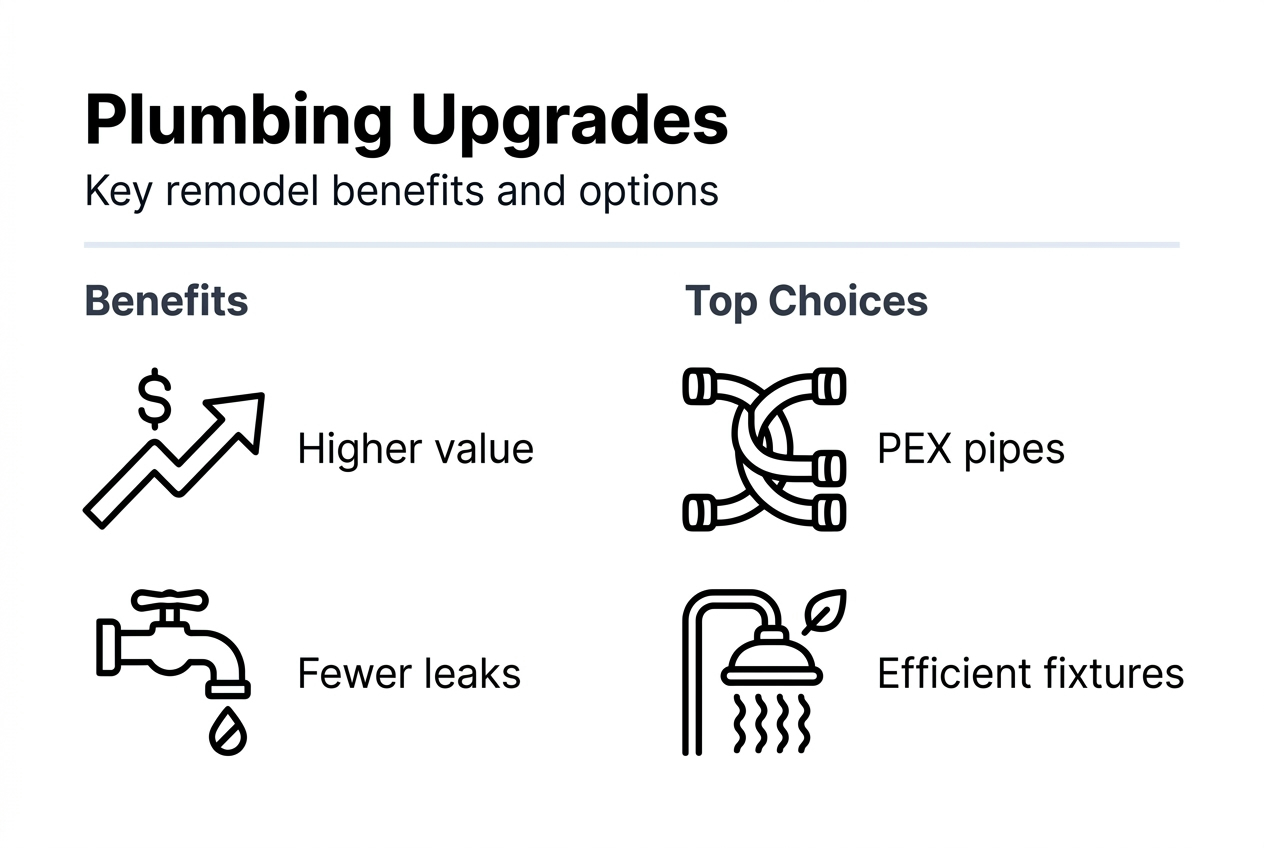
Remodeling budgets vary wildly based on scope, but plumbing consistently delivers strong returns. Bathroom remodels cost $10,000-$60,000 with ROIs of $5,000-$50,000 in Pittsburgh’s market. Much of that value comes from updated plumbing fixtures and supply lines.
Kitchen and bathroom remodels offer the highest ROI because they’re plumbing-intensive spaces. Buyers scrutinize these rooms carefully, noticing modern fixtures, good water pressure, and efficient appliances. Updated plumbing raises home value by 10-15% according to real estate data, making it one of the smartest renovation investments.
Plumbing costs break down into materials, labor, permits, and inspections. A basic bathroom replumb might run $2,000-$4,000, while whole-home repiping ranges from $4,000-$15,000 depending on home size and accessibility. These numbers assume you’re already remodeling; standalone replumbing costs significantly more due to demolition and repair expenses.
Here’s typical cost breakdown for common Pittsburgh plumbing upgrades:
| Upgrade Type | Material Cost | Labor Cost | Total Range | Expected ROI |
|---|---|---|---|---|
| Bathroom replumb | $500-$1,000 | $1,500-$3,000 | $2,000-$4,000 | 80-120% |
| Kitchen replumb | $800-$1,500 | $2,000-$4,000 | $2,800-$5,500 | 70-100% |
| Whole-home repipe | $2,000-$5,000 | $3,000-$10,000 | $5,000-$15,000 | 60-90% |
| Water heater upgrade | $800-$1,500 | $500-$1,000 | $1,300-$2,500 | 50-80% |
Understanding costs helps you prioritize upgrades for maximum value. Follow this budgeting process:
- Schedule a comprehensive plumbing inspection before finalizing remodel plans to identify all issues
- Get detailed quotes from multiple licensed plumbers for comparison and verification
- Prioritize upgrades that affect health, safety, and code compliance first
- Bundle plumbing repairs with remodeling work to minimize redundant labor costs
- Reserve 10-15% contingency budget for unexpected issues discovered during demolition
Don’t skimp on plumbing to afford cosmetic upgrades. Beautiful tile means nothing if your pipes leak behind it. Quality plumbing infrastructure protects every other remodeling investment you make.
Planning and executing plumbing upgrades during your remodel
Successful plumbing upgrades start with thorough planning before any demolition begins. Schedule a comprehensive plumbing inspection to document existing conditions and identify hidden problems. This inspection should cover supply lines, drain pipes, water heaters, and all fixtures. Catching issues now prevents costly surprises mid-project.
Permits aren’t optional in Pittsburgh. The planning phase is when you secure necessary permits to ensure code compliance and smooth execution. Permit requirements vary by project scope, but any work involving supply lines, drain modifications, or water heater replacement typically requires permits and inspections.
Licensed plumbers and inspections ensure quality and compliance, protecting you from substandard work. Check contractor licenses through Pennsylvania’s licensing board before hiring. Verify they carry liability insurance and workers’ compensation coverage. Get everything in writing, including scope, timeline, and warranty terms.
Coordinating plumbing changes early in your remodel timeline prevents delays and cost overruns. Plumbers need to rough in new lines before insulation and drywall go up. Fixture installation happens near the end after finishes are complete. Missing these windows means tearing out new work or accepting compromised results.
Key planning steps for smooth execution:
- Map out fixture locations and verify adequate supply and drain access
- Confirm water heater capacity matches upgraded fixture demands
- Plan for temporary water shutoffs and alternative bathroom arrangements
- Schedule inspections at rough-in and final stages
- Document all work with photos for future reference and warranty claims
Pro Tip: Coordinate your plumber’s schedule with other contractors before demolition starts. Plumbing rough-in must happen after framing but before electrical and HVAC installation to avoid conflicts and rework.
Modern fixtures offer dramatic efficiency improvements. Low-flow toilets use 1.28 gallons per flush versus 3.5-7 gallons for older models. Aerated faucets maintain pressure while cutting flow by 30%. These upgrades pay for themselves through reduced water and sewer bills within a few years.
Don’t forget about water quality. If your inspection revealed hard water or contamination issues, consider whole-house filtration or softening systems during your remodel. Installing these systems while walls are open costs far less than retrofitting later.
Enhance your remodeling project with expert plumbing services
Remodeling represents a major investment in your home’s future. The difference between a successful project and a costly disaster often comes down to plumbing expertise. AG Heating, Cooling & Plumbing brings 30 years of experience to Pittsburgh remodeling projects, ensuring your upgrades meet code, function flawlessly, and protect your investment for decades.
Our licensed plumbers understand Pittsburgh’s unique challenges, from aging infrastructure to local code requirements. We coordinate seamlessly with your remodeling contractor, hitting critical deadlines without delays. Whether you’re upgrading a single bathroom or repiping your entire home, our comprehensive services cover inspection, planning, installation, and final testing. We handle permit applications, pass inspections on the first try, and warranty our work for your peace of mind. Professional plumbing repairs and upgrades integrated into your remodel prevent the costly callbacks that plague DIY projects. Expert inspections catch problems before they become emergencies, protecting both your remodeling budget and your home’s long-term value. Trust a partner who’s earned Pittsburgh’s confidence for three decades.
Frequently asked questions
What are the warning signs that my home’s plumbing needs upgrading before remodeling?
Discolored water, frequent leaks, low pressure, and visible corrosion on pipes signal urgent upgrade needs. Homes built before 1980 likely have outdated materials requiring replacement. Schedule a professional inspection before finalizing remodel plans to avoid costly mid-project surprises.
How does upgrading to PEX piping benefit my home compared to copper during remodeling?
PEX offers superior freeze resistance, corrosion immunity, and 50% faster installation than copper. It costs less, requires fewer fittings, and flexes through walls without extensive cutting. Pittsburgh’s climate makes PEX especially valuable for preventing burst pipes during cold snaps. Professional installation ensures optimal performance and longevity.
Will plumbing upgrades during remodeling increase my Pittsburgh home’s resale value?
Yes, updated plumbing systems boost home values by 10-15% while attracting quality buyers. Modern fixtures appeal to environmentally conscious purchasers and demonstrate proper home maintenance. Quality plumbing infrastructure removes buyer objections and supports higher asking prices in competitive markets.
Should I upgrade my water heater during a kitchen or bathroom remodel?
Upgrade if your current heater is over 10 years old or undersized for new fixtures. Modern tankless or high-efficiency units cut energy costs by 30-50% while providing endless hot water. Remodeling provides ideal timing since plumbers are already working on your water systems.
How long do plumbing upgrades typically take during a remodel?
Rough-in plumbing takes 2-5 days depending on project scope, while final fixture installation requires 1-2 days. Whole-home repiping extends timelines to 1-2 weeks. Proper planning and licensed contractors minimize delays and keep your remodel on schedule.
Recommended
- Heating, Cooling & Plumbing Services Pittsburgh, PA
- Plumbing Repair Services in Pittsburgh, PA
- How Sewer Repair Can Prevent Major Plumbing Problems – AG-Plumbing
- Common Plumbing Repair Issues and How to Fix Them – AG-Plumbing
