
TL;DR:
- Pittsburgh’s aging combined sewer system commonly causes basement backups during heavy rains.
- Households can prevent costly damage by regular inspections, installing backwater valves, and avoiding household blockages.
- Recognizing early signs like slow drains and sewage odors allows for timely professional intervention.
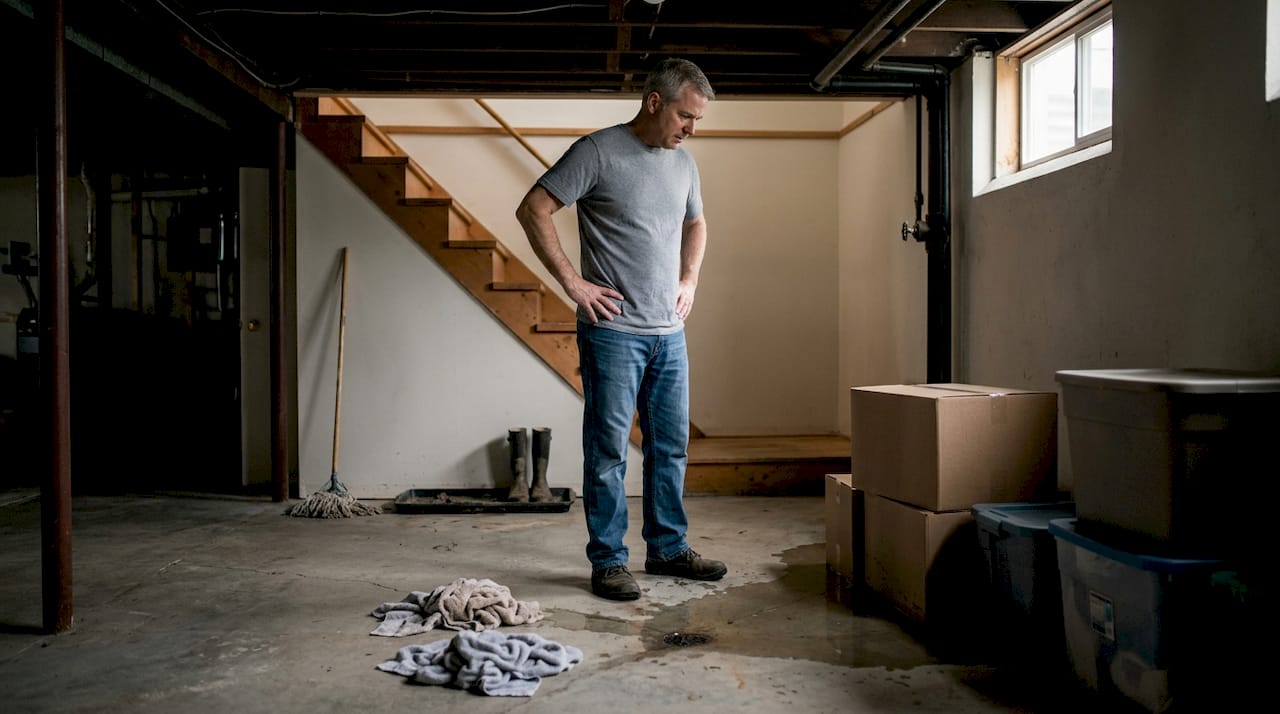
Sewer backup is one of those problems Pittsburgh homeowners dread most, and for good reason. Most people assume a backup is their own fault, a clogged drain here or a grease buildup there. But the real picture is far more complicated. Pittsburgh’s aging sewer infrastructure plays a massive role in what ends up in your basement. Repair costs run $5,000 to $25,000+ for basement damage alone, and incidents are rising roughly 3% every year nationwide. This guide breaks down why backups happen, how to spot the warning signs early, and what you can actually do about it.
Table of Contents
- How Pittsburgh’s sewer system contributes to backups
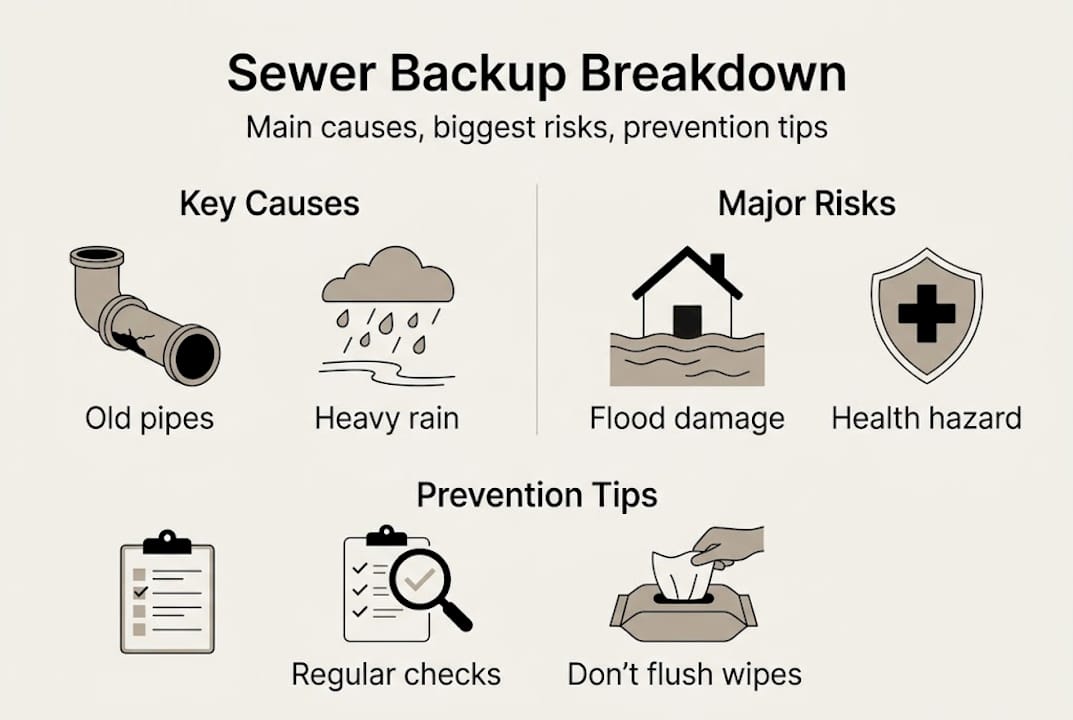
- Common causes of sewer backup in Pittsburgh homes
- Warning signs and costly risks of sewer backup
- Prevention strategies and expert tips for homeowners
- What most guides miss about sewer backup in Pittsburgh
- Connect with trusted Pittsburgh plumbing experts
- Frequently asked questions
Key Takeaways
| Point | Details |
|---|---|
| Pittsburgh’s old sewers | Outdated combined sewer systems make backups a recurring risk for homeowners. |
| Multiple causes | Tree roots, rain overload, aging pipes, and clogs all contribute to sewer backups. |
| Huge repair costs | Cleanup from backups can total $5,000 to $25,000 or more for a single incident. |
| Prevention is essential | Regular inspections, hydro-jetting, and smart plumbing habits dramatically reduce risks. |
| Professional help pays off | Expert plumbers offer solutions and preventive strategies that save money and stress. |
How Pittsburgh’s sewer system contributes to backups
Pittsburgh’s sewer problem isn’t new. It’s baked into the city’s bones. Most of the underground pipe network was built over a century ago, designed for a very different Pittsburgh with a much smaller population and far less pavement. Back then, engineers used a combined sewer system, meaning stormwater and raw sewage travel through the same pipes. That design choice still affects every homeowner in the region today.
When a heavy rainstorm hits Pittsburgh, and the city gets plenty of them, stormwater rushes into those combined pipes fast. The system gets overwhelmed quickly. When there’s nowhere else for the overflow to go, it reverses course. That means sewage and stormwater start flowing backward, right into your basement floor drain or lowest fixtures.
By the numbers: The ALCOSAN system discharges over 9 billion gallons of combined sewer overflows every single year, making it one of the largest CSO systems in the entire United States.
That number is staggering. And it explains why even homeowners who do everything right can still wake up to a flooded basement after a big storm.
Pittsburgh’s geography makes things worse. The city is built on hills and valleys, and neighborhoods at lower elevations, like parts of the South Side, Lawrenceville, and the Strip District, face much higher backup risks during rain events. Water flows downhill, and so does overflow.
| Neighborhood risk factor | Higher risk | Lower risk |
|—|—|—|
| Elevation | Low-lying areas | Hilltop neighborhoods |
| Pipe age | Pre-1950s construction | Post-1980s development |
| Storm frequency | Areas near rivers | Inland higher ground |
| Sewer type | Combined sewer | Separated storm/sanitary |
Here are the main system-level reasons your home is vulnerable:
- Combined sewer design moves both stormwater and waste in one pipe
- Pipes over 100 years old crack, shift, and corrode
- Heavy rain events rapidly exceed system capacity
- Urban runoff from paved surfaces speeds overflow
- Low-elevation neighborhoods receive more redirected flow
If you’re dealing with recurring backup issues, reliable sewer repair is almost always the right starting point.
Common causes of sewer backup in Pittsburgh homes
Now that we understand the city’s role, let’s get specific about what triggers backups inside individual homes. It’s almost never just one thing. Usually it’s a combination of aging pipes, everyday habits, and an overwhelmed city system all colliding at once.
Aging and damaged pipes are the number one structural culprit. Homes built before 1970 often still have original clay or cast iron sewer lines. These materials crack over time, allowing tree roots to push through joints and cause serious blockages. Once roots get in, they grow fast. A hairline crack becomes a total collapse faster than most homeowners expect.
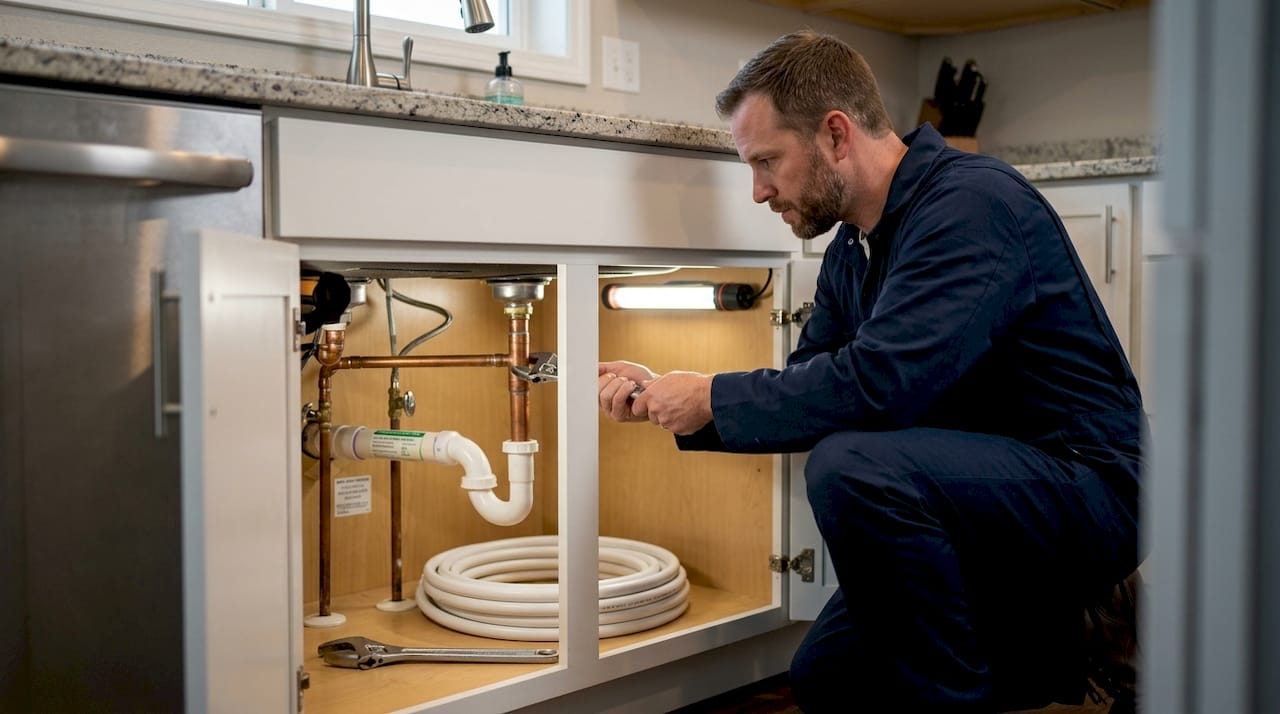
Sewer backup incidents are climbing about 3% annually nationwide, driven largely by pipes that average over 30 years in age. In Pittsburgh, many pipes are two or three times older than that average.
Blockages from household habits are the second major cause. Grease poured down the kitchen sink cools and hardens inside the pipe. Flushable wipes, paper towels, and hygiene products don’t break down like toilet paper. Over time, these materials build up into dense clogs that no amount of plunging will fix. Sometimes these blockages need professional plumbing repair services to clear safely.
Here’s a breakdown of the most common causes:
- Tree root infiltration through cracked clay or cast iron joints
- Grease and fat buildup from cooking oils poured down drains
- Non-flushable items like wipes, paper towels, or hygiene products
- Heavy rainfall overloading the combined city sewer system
- Collapsed or misaligned pipes due to soil shifting or age
- Improper downspout connections routing rainwater into the sewer
| Cause type | Homeowner control | City system factor |
|---|---|---|
| Grease/wipes clog | High | Low |
| Tree root infiltration | Medium | Low |
| Old pipe collapse | Low | Medium |
| Rain event overload | Low | High |
| Downspout drainage | High | Low |
Pro Tip: If your drains back up only during or after heavy rain, the city sewer is almost certainly part of the problem. If backups happen on dry days, focus first on tree roots or household blockages. Understanding the pattern helps you diagnose faster. You can also explore common plumbing repair issues to rule out simpler fixes before calling for a camera inspection.
Warning signs and costly risks of sewer backup
Sewer backups rarely appear out of nowhere. The system gives you signals weeks or even months in advance. The problem is most homeowners don’t recognize what they’re seeing until water is already pooling on the basement floor.
Watch for these early warning signs:
- Slow-draining sinks or tubs that worsen gradually over time
- Gurgling or bubbling sounds from toilets or floor drains
- Multiple fixtures backing up at the same time, which usually means the main line is involved
- Unexplained water stains or moisture marks on basement walls
- Sewage odors coming from drains without an obvious source
- Sewage coming up through floor drains after a storm
If you’re noticing more than one of these signs, don’t wait. The cost of acting early is a fraction of the cost of acting late.
“Basement damage from sewer backup can run $5,000 to over $25,000 in repair and remediation costs, and that’s before factoring in mold treatment or lost personal property.”
The health risks are just as serious as the financial ones. Raw sewage contains bacteria, viruses, and mold spores. Even a small backup can contaminate a basement for weeks if not cleaned properly. Children and elderly family members are especially vulnerable to the pathogens in sewage water.
Insurance coverage is another rude surprise. Most standard homeowner policies do not cover sewer backup damage unless you purchase a specific rider. Many homeowners discover this gap only after filing a claim. Reviewing your policy now, before a backup occurs, is one of the smartest things you can do.
Pro Tip: Take photos of your basement floor drains and any visible pipe access points right now. If a backup happens, insurers will want to know the pre-existing condition of your plumbing. Those photos could make a real difference in your claim.
Exploring your sewer repair options before an emergency strikes gives you time to plan rather than panic. Learning more about preventing major plumbing issues can also help you stay ahead of the curve.
Prevention strategies and expert tips for homeowners
Here’s the part where you take back control. Prevention is genuinely possible, and it doesn’t require a complete pipe replacement. The right mix of professional services and smart habits will dramatically cut your risk.
Step-by-step prevention plan:
- Schedule an annual camera inspection. A plumber runs a small camera through your main sewer line to spot cracks, root intrusion, and buildup before it becomes a crisis. This is the single highest-value thing you can do.
- Ask about hydro-jetting. Hydro jetting service uses high-pressure water to blast out tree roots, grease, and debris that a simple snake won’t touch.
- Install a backwater valve. This one-way valve lets sewage flow out but blocks it from flowing back in. It’s one of the most effective physical defenses against city sewer overload.
- Disconnect your downspouts. Many older Pittsburgh homes still route roof drainage into the sanitary sewer. Disconnecting them reduces the volume hitting the system during storms.
- Change household habits. Never pour cooking grease down the drain. Throw wipes and hygiene products in the trash, not the toilet.
Additional smart practices:
- Clean floor drains in the basement once or twice a year
- Cut back trees planted near your sewer line
- Know where your cleanout access is located before you need it
- Call a pro at the first sign of repeated slow drains
The Pittsburgh Water Authority prevention programs offer resources and guidance specifically for local homeowners, including details on service line protection that many residents don’t know exists. Taking advantage of those programs is a smart move.
Pro Tip: A backwater valve is most effective when installed by a licensed plumber who understands Pittsburgh’s pipe grades and local code. A poorly installed valve can cause its own problems. This is one job worth doing right the first time. If you want to go deeper, the clearing blockages guide walks through each approach in detail.
What most guides miss about sewer backup in Pittsburgh
After 30 years of working in Pittsburgh homes, we’ve seen a lot of generic advice get recycled over and over. “Don’t flush wipes. Clean your drains. Get an inspection.” All of it is true. None of it is enough on its own.
What most guides miss is this: Pittsburgh’s sewer challenge is fundamentally a system problem, not just a homeowner behavior problem. You can follow every tip perfectly and still get a backup during a two-inch rainstorm because ALCOSAN’s 100-year-old pipes have nowhere to put the overflow. That’s not your fault. But it is your problem to manage.
The homeowners who avoid the worst outcomes are the ones who combine smart habits with real professional support from people who actually know Pittsburgh’s neighborhoods, pipe ages, and soil conditions. Generic national advice won’t tell you that certain streets in the South Side or Bloomfield have a known history of root infiltration, or which local pipe materials are most likely to fail first.
Investing in prevention isn’t optional here. It’s essential. The city is not going to fix its infrastructure overnight, which means the burden of protection falls on individual homeowners. Working with a team that understands the full range of plumbing services in a local context is where the real protection comes from.
Connect with trusted Pittsburgh plumbing experts
You’ve now got a clear picture of why sewer backups happen, how to spot trouble early, and which prevention strategies actually work in Pittsburgh. The next step is making sure you have the right people in your corner before something goes wrong.
At AG Heating, Cooling & Plumbing, our team has spent 30 years diagnosing and solving exactly these kinds of problems across Pittsburgh and the surrounding areas. Whether you need 24/7 plumbing repairs after an emergency, a scheduled inspection to catch problems early, or expert hydro jetting experts to clear stubborn blockages, we’re ready to help. Don’t wait for a backup to force your hand. Reach out today and let’s make sure your home is protected before the next big storm rolls through.
Frequently asked questions
What is the most common cause of sewer backup in Pittsburgh?
The most common cause is a combination of aging pipes and overload during heavy rain, which overtax the city’s old combined sewer system. The ALCOSAN system alone discharges over 9 billion gallons of combined sewer overflows each year.
How much does it cost to repair a sewer backup?
Repairing damage from a sewer backup typically costs $5,000 to $25,000 or more, especially if your basement is affected and mold remediation is needed.
What can I do to prevent sewer backup in my home?
Schedule regular camera inspections, avoid flushing wipes or grease, disconnect downspouts from the sewer, and consider installing a backwater valve. The Pittsburgh Water Authority also offers service line protection programs worth exploring.
What are early warning signs of a sewer backup?
Slow drains, bubbling toilets, unexplained water stains on basement walls, or sewage odors from drains are all early indicators you may have a developing sewer issue that needs professional attention soon.
Recommended
- How Sewer Repair Can Prevent Major Plumbing Problems – AG-Plumbing
- Clear Sewer Line Blockages: 2026 Homeowner’s Guide – AG-Plumbing
- Understanding the Sewer Repair Process From Start to Finish – AG-Plumbing
- Sewer line repair guide for Pittsburgh homeowners – AG-Plumbing
