
TL;DR:
- Know the location and operation of your main water shut-off valve for emergencies.
- Prevent frozen pipes by insulating, maintaining temperature, and letting faucets drip during winter.
- Hard water causes scale buildup, reducing appliance lifespan; water softeners help prolong plumbing system life.
Buying your first home in Pittsburgh is exciting, but that excitement can fade fast when a burst pipe floods your basement or a chalky residue clogs your brand-new fixtures. Pittsburgh homes carry unique plumbing challenges: harsh winters push temperatures well below freezing, and the region’s moderately hard water quietly wears down pipes and appliances over time. This guide walks you through the most critical plumbing habits every new Pittsburgh homeowner should build, from finding your shut-off valve on day one to spotting the early signs of trouble before a minor drip turns into a major repair bill.
Table of Contents
- Know your main shut-off valve and emergency basics
- Manage winter risks: Prevent frozen and burst pipes
- Combat hard water: Protect pipes and water appliances
- Spot problems early: Warning signs and maintenance routines
- Why new homeowners should rethink DIY plumbing fixes
- Plumbing help for Pittsburgh homeowners
- Frequently asked questions
Key Takeaways
| Point | Details |
|---|---|
| Urgency of shut-off valve | Always know your main water shut-off location to stop leaks fast. |
| Winter pipe protection | Let faucets drip and insulate pipes to avoid costly freeze damage. |
| Hard water risks | Test for hard water and consider softening to extend appliance life. |
| Early warning signs | Regularly check for leaks or clogs to prevent disasters. |
| Seek professional help | Call a trusted local plumber for complex repairs or sudden issues. |
Know your main shut-off valve and emergency basics
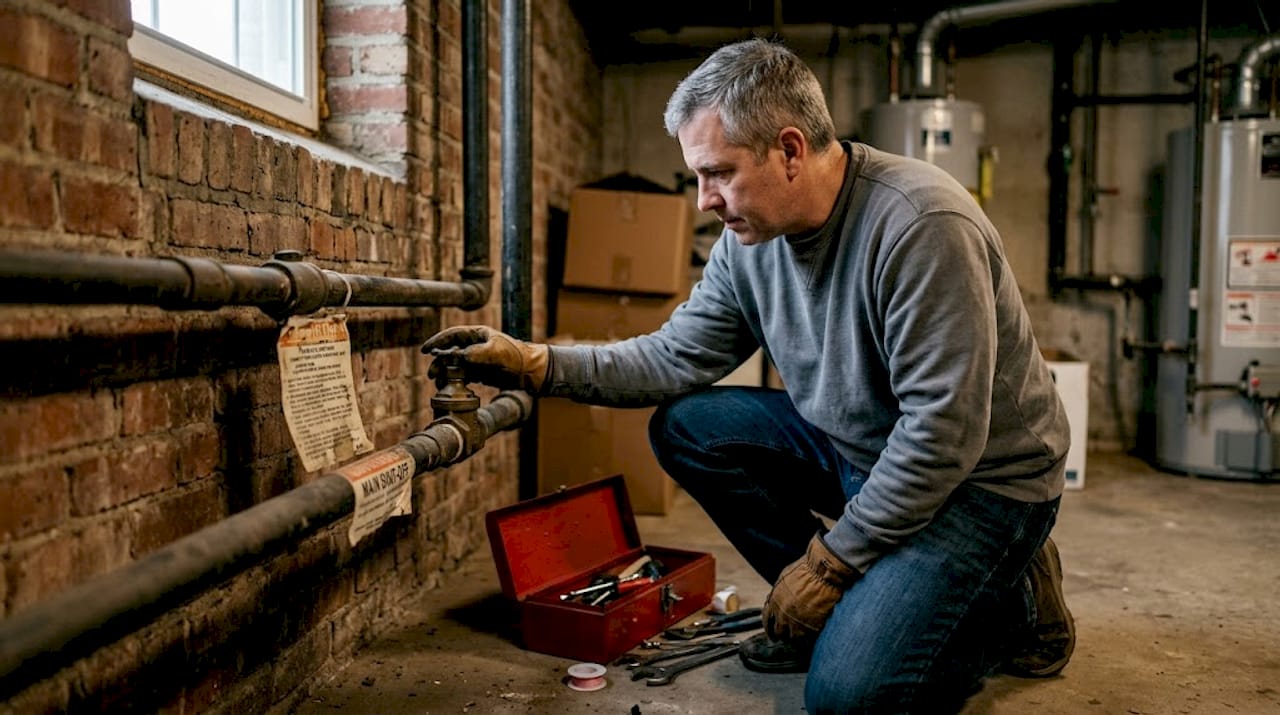
The single most important thing you can do on your first day in a new home is locate the main water shut-off valve. This valve controls all water flowing into your house. If a pipe bursts, a fixture breaks, or a hose fitting fails, turning this valve off is the first step in every set of emergency plumbing steps. Knowing where it is before a crisis can save you thousands of dollars in water damage.
In Pittsburgh homes, the shut-off valve is usually found in the basement, near the front foundation wall, or inside a utility closet close to the water meter. Older row homes and craftsman-style houses common in neighborhoods like Lawrenceville and Squirrel Hill sometimes hide the valve behind drywall or under a utility sink. Check the home inspection report for its location, then walk every member of your household over to it.
Here is how to confirm your valve works and what to do next:
- Find the valve by following the main water line from where it enters your home through the foundation.
- Turn it clockwise to close it. A gate valve (round wheel handle) requires several full turns. A ball valve (lever handle) only needs a quarter turn.
- Test it by opening a nearby faucet after closing the valve. No water should flow.
- Label it clearly so anyone in the household can find it in the dark or during a stressful moment.
- Know the outdoor curb stop as a backup. This is a secondary shut-off at the street that your utility company or a licensed plumber can access if your indoor valve fails.
A solid maintenance checklist should include testing the shut-off valve every six months to make sure it has not seized from disuse, which is common in older Pittsburgh homes.
Pro Tip: Tie a bright orange tag or piece of electrical tape to the shut-off valve handle the day you move in. In a water emergency, you will not have time to search.
During Pittsburgh’s deep winter freezes, your shut-off valve becomes even more critical. If you suspect a pipe has frozen, the American Red Cross recommends letting faucets drip slowly, about a pencil-lead width stream, on both hot and cold lines to keep water moving and prevent freezing when temperatures drop below 20 to 30 degrees Fahrenheit for extended periods. Knowing where your valve is means you can shut the water off the moment a frozen pipe begins to crack or leak.
Manage winter risks: Prevent frozen and burst pipes
Knowing your emergency shut-off is just the start. Let’s look deeper into Pittsburgh’s top winter plumbing hazard.
Pittsburgh winters are unpredictable. Temperatures can dip into the single digits for days at a stretch, and many homes in the area were built decades ago with pipes running through exterior walls or uninsulated crawl spaces. That combination makes frozen pipes a real and expensive threat.
The physics are straightforward: water expands when it freezes, and that pressure can crack or burst a pipe entirely. The real damage usually shows up after the thaw, when water starts pouring from the split. By then, the problem has already happened.
“During extreme cold, running water freezes slower than standing water,” notes the American Red Cross. Letting faucets on exterior walls drip overnight is one of the most effective low-cost defenses available to homeowners.
Here is what you should do before and during a Pittsburgh cold snap:
- Insulate exposed pipes in basements, attics, and crawl spaces using foam pipe insulation. This is cheap, easy to cut, and makes a real difference.
- Open cabinet doors under sinks on exterior walls to let warmer room air circulate around the pipes.
- Disconnect garden hoses before the first freeze and shut off outdoor spigot valves from inside the house.
- Keep your thermostat at 55°F or above even when you are away for the weekend. Going lower risks freezing pipes inside walls.
- Know the warning signs of a frozen pipe: no water coming from a faucet in cold weather, visible frost on a pipe, or a strange odor from a drain.
If you suspect a pipe is frozen but has not burst yet, do not use an open flame to thaw it. Use a hair dryer or warm towels, working from the faucet end toward the frozen section. Call a plumber immediately if you cannot locate the frozen spot or if the pipe shows any cracking. Learning how to cut winter plumbing costs before the season starts is always smarter than reacting after a burst.
Combat hard water: Protect pipes and water appliances
Preventing freeze damage is not your only plumbing concern. Water quality also plays a huge role in long-term maintenance.
Pittsburgh’s water supply is considered moderately hard, meaning it contains elevated levels of calcium and magnesium minerals. You may not notice it at first, but these minerals leave scale deposits inside pipes, water heaters, dishwashers, and washing machines. Over time, scale narrows the inner diameter of pipes and makes appliances work harder to do the same job. Calcium and magnesium buildup can cut appliance lifespan by 30 to 50 percent, which adds up to real money in replacement costs.
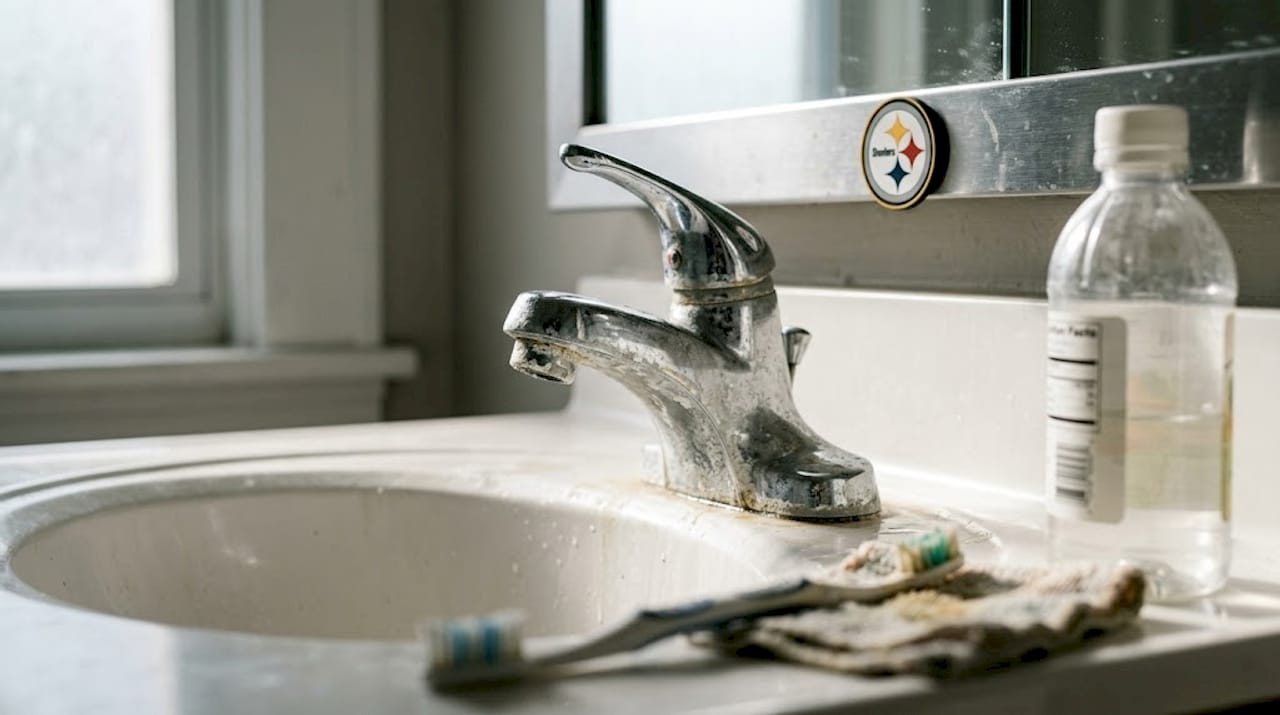
You can test your water hardness with an inexpensive strip kit from any hardware store. Results are measured in grains per gallon (GPG). Anything above 7 GPG is considered hard. Pittsburgh’s water typically falls in that range.
| Appliance | Average life with hard water | Average life with soft water |
|---|---|---|
| Water heater | 6 to 8 years | 10 to 15 years |
| Dishwasher | 7 to 9 years | 12 to 14 years |
| Washing machine | 7 to 10 years | 12 to 15 years |
| Faucets and fixtures | 5 to 8 years | 10 to 15 years |
A whole-home water softener replaces those calcium and magnesium ions with sodium, eliminating scale before it enters your plumbing system. The upfront cost ranges from $800 to $2,500 installed, but the savings in appliance replacement and energy efficiency often recover that investment within a few years. Understanding choosing pipe materials also matters here, since copper and PEX pipes handle hard water differently. Pairing the right materials with a water softener and efficient water heaters gives your plumbing system the longest possible service life.
Pro Tip: Unscrew and rinse your faucet aerators every three to four months. These small mesh screens trap mineral buildup and are often the first place hard water effects become visible.
Spot problems early: Warning signs and maintenance routines
Once you have addressed the root causes, keeping an eye out for early warning signs is the key to stress-free homeownership.
Most plumbing disasters do not happen overnight. They build slowly. A slow drain that takes weeks to fully clog, a small drip under the sink that warps the cabinet floor, or a faint water stain on the ceiling that signals a leak above. Learning to read these signs early keeps small problems from becoming big ones.
Watch for these common early warning signs in your Pittsburgh home:
- Water stains on ceilings or walls, which usually mean a slow leak from a pipe or fixture above.
- Slow drains in one sink (likely a local clog) versus slow drains throughout the house (possible main line issue).
- Low water pressure at multiple fixtures, which can signal scale buildup, a failing pressure regulator, or a hidden leak.
- Banging or rattling pipes, often called water hammer, which occurs when water flow is suddenly stopped and can loosen fittings over time.
- High water bills without an obvious cause. A running toilet or slow slab leak can waste hundreds of gallons daily without being obvious.
Use this quick guide to know when to handle it yourself and when to call a professional:
| Issue | DIY friendly? | When to call a pro |
|---|---|---|
| Slow single drain | Yes, use a drain snake | If problem returns within a week |
| Running toilet | Yes, replace flapper or fill valve | If water keeps running after repair |
| Dripping faucet | Yes, replace washers or cartridge | If pipes feel corroded or brittle |
| Low pressure at all fixtures | No | Always call a professional |
| Water stain on ceiling | No | Always call a professional |
| Frozen pipe | Partially, use hair dryer | If you cannot locate or thaw the pipe |
A reliable troubleshooting guide can help you work through common issues methodically before picking up the phone, saving you both time and a service call.
Why new homeowners should rethink DIY plumbing fixes
After 30 years serving Pittsburgh homeowners, we have seen a clear pattern: the most expensive repairs we handle are not the dramatic emergencies. They are the small DIY fixes that went slightly wrong and were left unaddressed for months.
New homeowners often turn to YouTube tutorials with confidence, and many basic tasks really are manageable. The problem is that Pittsburgh’s housing stock skews older, with infrastructure that behaves differently from what those tutorials assume. Galvanized steel pipes common in pre-1970 homes corrode from the inside out. Hard water deposits make joints brittle. What looks like a simple tightening job can crack an already weakened fitting.
We have also seen homeowners apply fixes that work perfectly in newer homes but create pressure problems in older Pittsburgh systems. A check of common repair pitfalls shows just how quickly a well-intentioned patch can cascade into a bigger issue.
Pro Tip: Before attempting any repair beyond a basic drain clog, consult a local Pittsburgh plumber for a quick assessment. A 30-minute inspection often reveals whether the fix is truly simple or whether there is a systemic issue underneath.
Local professionals also have the advantage of knowing the specific building codes, common pipe configurations, and water conditions in Pittsburgh neighborhoods. That local knowledge is not something a general tutorial can replicate.
Plumbing help for Pittsburgh homeowners
These tips give you a strong foundation, but some plumbing situations genuinely need a professional eye. Whether you are dealing with a stubborn frozen pipe, mystery water pressure issues, or want a full system checkup before winter, having a trusted local team on call makes all the difference.
AG Heating, Cooling & Plumbing has been serving Pittsburgh homeowners for 30 years, and our team understands the specific challenges of Pittsburgh’s climate and aging housing stock. As your trusted Pittsburgh plumbers, we offer fast response times, honest assessments, and plumbing repair solutions tailored to your home. From water heater installation to routine maintenance, we handle the full range of common plumbing problems so you can enjoy your new home with confidence.
Frequently asked questions
Is pipe freezing a real risk for Pittsburgh homes?
Yes. Pipes can freeze and burst during prolonged temperatures below 20 to 30°F, and Pittsburgh regularly sees those conditions in winter. The American Red Cross notes that running water freezes slower than standing water, which is why the drip method works.
How do I know if my home has hard water damage?
Look for chalky white buildup on faucets, showerheads, or around drains. Moderately hard Pittsburgh water causes calcium and magnesium scale that can cut appliance lifespan by 30 to 50 percent over time.
What routine plumbing checks should new homeowners perform?
Each season, test your shut-off valve, inspect under sinks for moisture or slow drips, and look for water stains on ceilings or walls. Catching these small signs early prevents most major repairs.
Is it okay to do my own plumbing repairs?
Basic fixes like replacing a toilet flapper or snaking a single slow drain are usually safe for homeowners. Complex repairs, especially in older Pittsburgh homes, should go to a licensed professional to avoid making a manageable issue worse.
Recommended
- Cost-saving plumbing tips for Pittsburgh homeowners – AG-Plumbing
- Top bathroom plumbing ideas for Pittsburgh homeowners – AG-Plumbing
- Examples of plumbing repairs Pittsburgh homeowners need – AG-Plumbing
- Water Heaters: What Every Pittsburgh Homeowner Must Know – AG-Plumbing
