
Sewer line blockages disrupt daily routines and threaten costly damage to your Pittsburgh home. Without clear guidance, tackling these clogs feels risky and overwhelming. This guide delivers step-by-step methods, safety protocols, and maintenance strategies to help you clear blockages safely or recognize when professional help is necessary.
Table of Contents
- Understanding Sewer Line Blockages
- Prerequisites And Safety Precautions Before Clearing
- DIY Clearing Methods For Sewer Lines
- Common Mistakes And Troubleshooting
- Expected Results, Timelines, And Cost Considerations
- Preventative Maintenance To Avoid Future Blockages
- When To Call Professionals For Sewer Line Issues
- Trust AG Heating, Cooling & Plumbing For Reliable Sewer Line Service
- Frequently Asked Questions
Key takeaways
| Point | Details |
|---|---|
| Recognize early warning signs | Slow drains, gurgling sounds, and foul odors signal developing blockages before major backups occur. |
| Use mechanical tools safely | Manual or motorized augers clear clogs effectively when chemical cleaners fail and damage pipes. |
| Prioritize protective gear | Gloves, masks, and ventilation prevent exposure to harmful sewer gases and contaminated water. |
| Maintain regular inspections | Annual camera inspections and grease control reduce blockage risks and extend sewer line life. |
| Know when to call professionals | Persistent clogs, health hazards, or failed DIY attempts require experienced plumbers for safe resolution. |
Understanding sewer line blockages
Sewer line blockages occur when materials accumulate inside pipes, restricting or stopping wastewater flow from your home to the municipal system. These obstructions range from partial slowdowns to complete backups that flood basements and bathrooms.
Common causes create most residential blockages:
- Cooking grease and fats solidify inside pipes after cooling, building layers that trap other debris
- Tree roots infiltrate tiny cracks seeking moisture, expanding until they completely block the pipe
- Foreign objects like wipes, feminine products, and paper towels don’t break down like toilet paper
- Mineral deposits from hard water gradually narrow pipe diameter over years
- Collapsed or misaligned pipe sections from ground shifting or aging infrastructure
Recognizing symptoms early prevents severe damage. Watch for multiple drains emptying slowly throughout your home, indicating a main line issue rather than isolated fixture clogs. Gurgling sounds from toilets or drains signal trapped air pushing past partial blockages. Foul sewage odors indoors or in your yard suggest backup or leaks. Visible sewage pooling in floor drains, tubs, or toilets requires immediate action.
Prerequisites and safety precautions before clearing
Proper preparation protects your health and prevents property damage during clearing attempts. Start by shutting off your main water supply to stop additional wastewater entering the blocked system. This reduces pressure and prevents overflow while you work.
Essential safety equipment includes:
- Heavy-duty rubber gloves rated for chemical and biological hazards
- N95 or P100 respirator masks to filter airborne contaminants
- Safety goggles or face shield protecting eyes from splashes
- Waterproof coveralls or old clothing you can discard afterward
- Rubber boots with non-slip soles for wet conditions
Sewer gas exposure risks include headaches, dizziness, and serious respiratory issues from hydrogen sulfide and methane. Open windows and doors before starting work. Run exhaust fans if available. Never work in enclosed spaces without proper ventilation. Consider renting a gas detector if working in confined areas like crawl spaces.
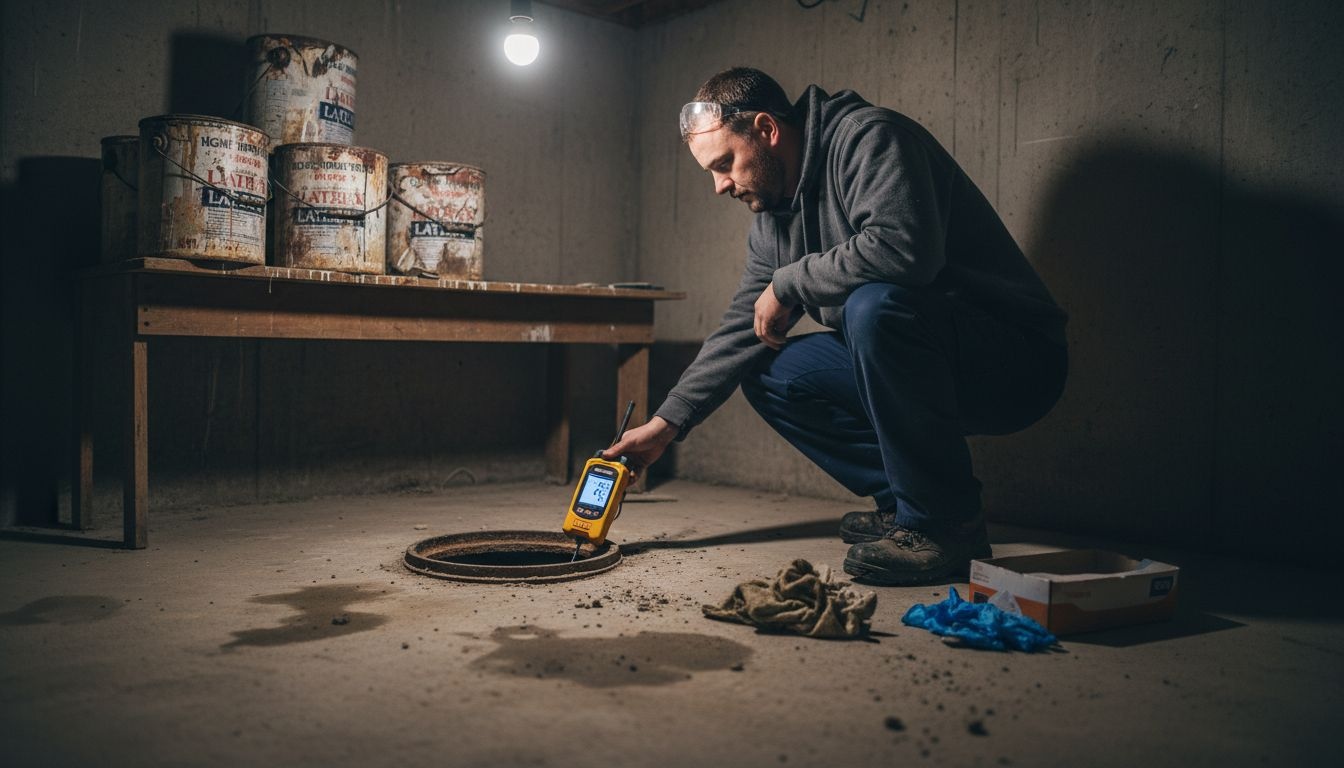
Pro Tip: Place buckets and towels near cleanout access points before opening caps. Trapped water and debris often spill out when you break the seal, creating messy cleanup if you’re unprepared.
Tool selection depends on your sewer pipe size and blockage location. Most residential lines use 3 to 4 inch diameter pipes. Manual drain augers work for blockages within 25 feet of access points. Motorized augers handle longer distances and tougher clogs but require experience to operate safely.
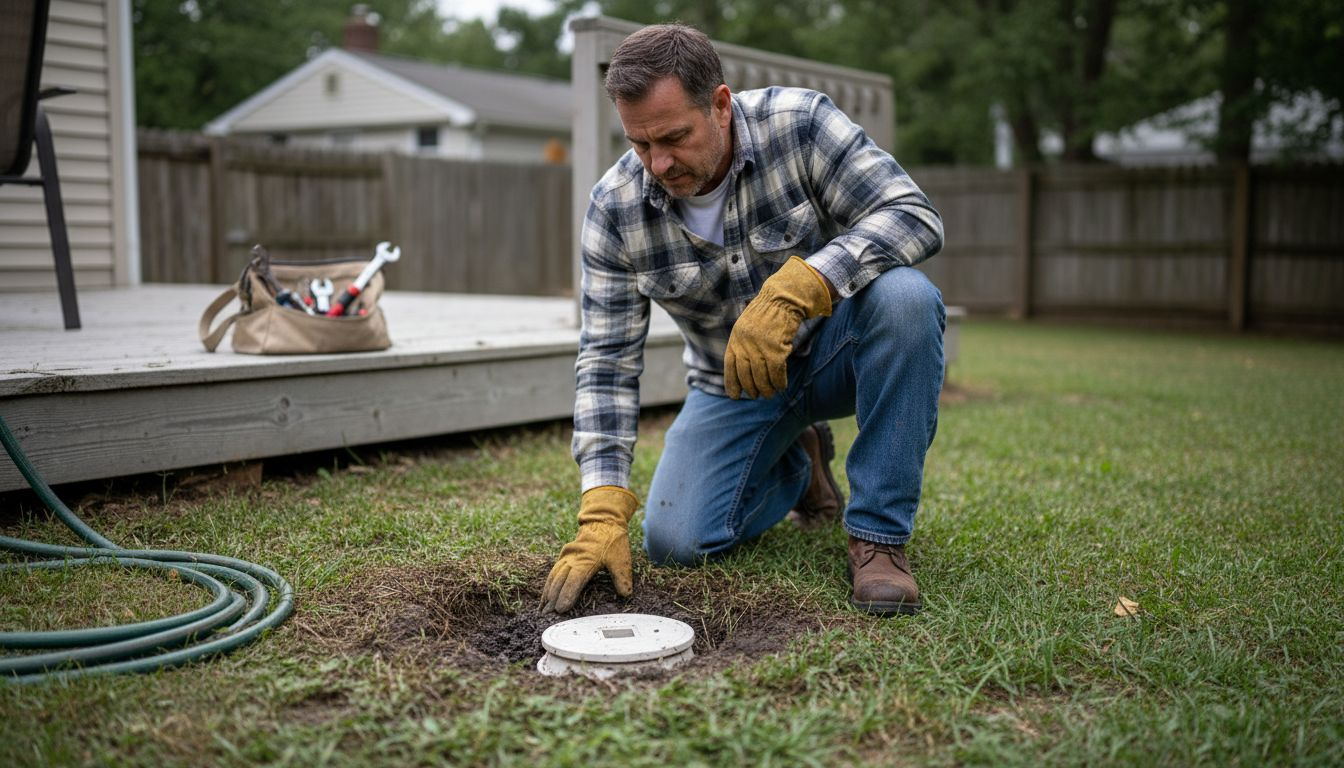
Always locate your main sewer cleanout before problems arise. This outdoor access point, typically a white or black capped pipe near your home’s foundation, provides the easiest entry to your sewer line during emergencies.
DIY clearing methods for sewer lines
Successful clearing requires methodical execution and patience. Follow these steps for manual auger use:
- Remove the cleanout cap slowly using a pipe wrench, standing to the side in case water or debris shoots out under pressure
- Insert the auger cable into the pipe opening, feeding it gradually while maintaining slight tension
- Crank the handle clockwise when you feel resistance, breaking up the blockage rather than pushing it deeper
- Retract the cable periodically to remove collected debris, cleaning the auger head between attempts
- Continue advancing and retracting until the cable moves freely through the previously blocked section
- Flush the line with water from an outdoor hose, watching the cleanout to verify proper drainage
- Replace the cleanout cap tightly to prevent sewer gas leaks and pest entry
Motorized augers speed the process but demand respect. Start at low speed settings to maintain control. Never force the cable if it binds or stops advancing. Excessive pressure bends cables, damages pipe joints, or punches through weakened pipe walls. Let the rotating head do the work.
Avoid chemical drain cleaners for sewer line blockages. These products rarely reach deep clogs in main lines. The harsh chemicals corrode older pipes, creating bigger problems than they solve. Mixing different chemical products generates dangerous fumes. Our step by step drain cleaning guide offers safer alternatives for various drain issues.
Pro Tip: Mark your auger cable with tape at 5 foot intervals before inserting it. These markers help you gauge blockage depth and cable position without guessing, making retrieval easier if the cable becomes stuck.
Hydro jetting blasts blockages with high pressure water streams, scouring pipe walls clean. This professional method handles grease, roots, and mineral buildup that resist mechanical augers. The equipment costs thousands and requires training to avoid pipe damage, making it impractical for homeowner use. Learn more about professional drain snaking methods versus hydro jetting options.
Common mistakes and troubleshooting
Recognizing errors improves your clearing success rate and prevents costly damage. These mistakes plague inexperienced homeowners:
- Applying excessive rotational force bends auger cables permanently, making them useless for future jobs and potentially creating kinks that jam inside pipes
- Misdiagnosing the blockage location wastes time clearing the wrong pipe section while the actual clog remains untouched downstream
- Skipping protective equipment exposes you to harmful bacteria like E. coli and parasites present in sewage, risking serious illness
- Continuing attempts after multiple failures compounds problems by pushing debris deeper or damaging already stressed pipes
- Using incorrect auger size either fails to reach the blockage or gets stuck inside the pipe, requiring professional extraction
If your initial clearing attempt fails, reassess before trying again. Check that you accessed the correct cleanout serving the affected drains. Verify the blockage isn’t in a fixture trap or branch line closer to the problem drain. Consider whether roots or collapsed pipe sections require professional diagnosis with camera inspection equipment.
Auger cables occasionally snag on pipe joints, bends, or the blockage itself. Stop cranking immediately if resistance suddenly increases. Gently reverse direction while applying steady backward pressure. Forcing a stuck cable risks breaking it inside your sewer line, creating an expensive extraction problem.
Partial clearing provides temporary relief but warns of deeper issues. If drains flow better initially then slow again within days, the blockage either wasn’t completely removed or stems from structural problems like root intrusion that mechanical clearing can’t permanently fix.
Expected results, timelines, and cost considerations
Realistic expectations help you plan effectively and recognize when professional help becomes necessary. Manual auger clearing typically takes 1 to 2 hours for straightforward residential blockages within 50 feet of the cleanout. Success rates reach 70 to 80 percent for grease and debris clogs.
Root blockages and collapsed pipes resist DIY methods. These conditions require professional equipment and expertise. Expect reliable sewer repair services to cost between $350 and $650 for basic clearing, with complex repairs running higher depending on damage extent and pipe depth.
| Service Type | Typical Duration | Cost Range | Best For |
|---|---|---|---|
| DIY Manual Auger | 1 to 2 hours | $30 to $100 equipment | Simple clogs within 50 feet |
| Professional Snaking | 1 to 3 hours | $150 to $400 | Stubborn blockages, longer distances |
| Hydro Jetting | 2 to 4 hours | $350 to $600 | Grease buildup, root intrusion |
| Camera Inspection | 30 to 60 minutes | $200 to $400 | Diagnosis, locate breaks |
| Pipe Repair/Replacement | 1 to 3 days | $1,500 to $4,000+ | Structural damage, collapses |
Investing in professional clearing often costs less than repairing water damage from repeated backups. Understanding same day plumbing cost benefits shows how quick response prevents thousands in restoration expenses. Pittsburgh homeowners benefit from comparing top plumbing services Pittsburgh providers for quality and value.
Maintenance costs pale compared to emergency repairs. Annual inspections run $200 to $300 but catch developing problems before they cause backups. Preventative hydro jetting every few years keeps lines clear, extending pipe lifespan and avoiding surprise failures.
Preventative maintenance to avoid future blockages
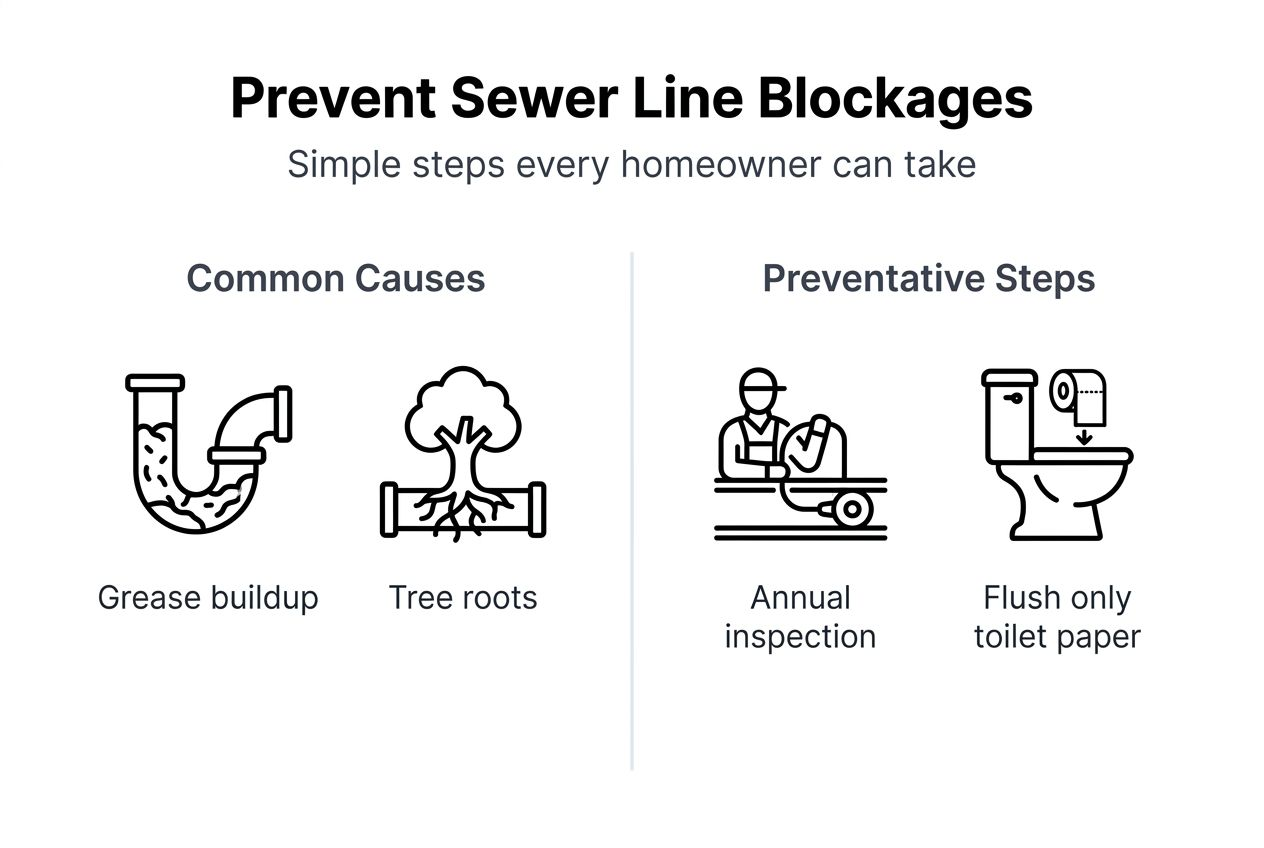
Consistent maintenance dramatically reduces blockage frequency and severity. Schedule professional camera inspections annually, especially for homes with mature trees nearby or pipes older than 30 years. These video surveys reveal developing cracks, root intrusion, and buildup before complete blockages form.
Root control requires ongoing vigilance:
- Apply copper sulfate or foaming root killer biannually to discourage root growth near pipes
- Install physical root barriers during landscaping projects near sewer lines
- Remove or relocate trees with aggressive root systems like willows and poplars planted too close to sewer paths
- Repair identified cracks promptly before roots exploit them as entry points
Grease management prevents one of the most common blockage causes. Never pour cooking oils, fats, or grease down any drain. Let these materials cool and solidify, then scrape into trash containers. Wipe greasy pans with paper towels before washing. Run hot water for 30 seconds after normal dish washing to help residual grease move through pipes before cooling.
Learn how sewer repair prevents plumbing problems through proactive maintenance. Understanding the importance of drain cleaning motivates regular care. Professional drain cleaning services Pittsburgh providers offer maintenance plans that schedule regular service automatically.
Flush only toilet paper and human waste down toilets. Everything else belongs in trash bins, including products labeled flushable. These items don’t break down quickly enough in residential sewer systems, accumulating at bends and joints until they create blockages.
When to call professionals for sewer line issues
Recognizing your limits prevents worsening problems and protects your safety. Call experienced plumbers immediately in these situations:
- Two or more clearing attempts produce no improvement or only temporary relief
- Strong sewage odors persist indoors or appear in your yard, suggesting leaks or breaks
- Multiple fixtures throughout your home back up simultaneously, indicating main line issues
- You lack proper safety equipment or feel uncomfortable working with sewage
- Camera inspection reveals roots, collapses, or significant pipe damage requiring specialized repair
Health risks escalate quickly with sewage exposure. Professional plumbers carry proper protective gear, liability insurance, and training to handle hazardous conditions safely. They also dispose of contaminated materials according to local regulations, protecting you from legal issues.
Complex clogs need advanced equipment homeowners rarely own. Professionals access longer cables, more powerful motorized augers, and hydro jetting systems that clear what manual tools cannot. Their experience helps them diagnose underlying causes like bellied pipes or failed connections that repeat clearing won’t fix.
Review signs you need professional drain cleaning to catch problems early. Trusted professional plumbing repair services provide warranties on their work, giving you recourse if issues return. Comprehensive sewer repair services address both immediate blockages and underlying structural problems for lasting solutions.
Certified plumbers bring diagnostic tools that identify problems invisible to homeowners. Camera inspections pinpoint exact blockage locations and reveal pipe condition throughout your system. This information guides targeted repairs rather than guessing where problems hide underground.
Trust AG Heating, Cooling & Plumbing for reliable sewer line service
When sewer line issues exceed DIY solutions, Pittsburgh homeowners turn to experienced professionals who deliver fast, effective results. AG Heating, Cooling & Plumbing brings 30 years of expertise to every sewer clearing and repair job, combining proven techniques with modern equipment.
Our team handles everything from routine maintenance to emergency blockages, minimizing disruption to your daily routine. We offer comprehensive inspections, advanced clearing methods, and lasting repairs that address root causes rather than just symptoms. Discover more about heating cooling & plumbing services or explore our specialized plumbing repair services to keep your home’s systems running smoothly year round.
Frequently asked questions
How can I tell if my sewer line is blocked?
Multiple drains emptying slowly throughout your home signal main sewer line blockages rather than isolated fixture issues. Gurgling sounds from toilets when running water elsewhere, persistent sewage odors, and visible backups in floor drains confirm the problem. Early detection through these warning signs helps you address blockages before they cause extensive water damage.
Is it safe to use chemical drain cleaners for sewer blockages?
Chemical cleaners rarely reach deep main line blockages and often corrode older pipes, creating bigger problems. The harsh ingredients generate dangerous fumes, especially when mixed with other products. Mechanical clearing with augers or professional hydro jetting provides safer, more effective solutions that don’t risk pipe damage.
When should I call a professional plumber to clear my sewer line?
Contact professionals after two unsuccessful DIY attempts or when you notice persistent sewage odors and leaks suggesting structural damage. Health risks from sewer gas exposure, lack of proper safety equipment, or blockages that return quickly after clearing all warrant expert help. Complex issues like root intrusion or collapsed pipes require specialized tools and training beyond typical homeowner capabilities.
How often should I schedule preventative sewer line maintenance?
Schedule professional camera inspections annually for homes with mature trees nearby or pipes older than 30 years. Preventative hydro jetting every 18 to 24 months keeps lines clear in properties prone to grease buildup or minor root intrusion. Homes with newer pipes and careful maintenance habits can extend intervals to every 2 to 3 years while monitoring for warning signs between services.
Recommended
- Understanding the Sewer Repair Process From Start to Finish – AG-Plumbing
- Emergency Plumbing Guide: Quick Solutions for Homeowners – AG-Plumbing
- Step by step drain cleaning guide for PA homeowners – AG-Plumbing
- 6 Essential Types of Plumbing Services for Homeowners – AG-Plumbing
