
TL;DR:
- Pittsburgh’s freeze-thaw cycles and aging homes increase the risk of burst pipes during winter.
- Preventative measures like insulation, draining outdoor faucets, and professional inspections are cost-effective.
- Ignoring small leaks or relying on temporary fixes can lead to costly plumbing emergencies.
Pittsburgh homeowners and renters face a plumbing threat that most people don’t think about until water is pouring through the ceiling. Frozen and burst pipe claims in Pennsylvania topped $17 million between 2024 and mid-2025, with the average single claim exceeding $30,000. That’s a life-altering repair bill, and it happens to well-meaning homeowners who simply didn’t act in time. Pittsburgh’s relentless freeze-thaw cycles, aging housing stock, and hard water conditions create a perfect storm for plumbing problems. This article gives you the practical, locally relevant strategies you need to stay ahead of those risks without spending a fortune.
Table of Contents
- Why prevention matters in Pittsburgh homes
- Top preventative plumbing tips for Pittsburgh residents
- Common mistakes to avoid with Pittsburgh plumbing
- Comparing preventative strategies: Which works best?
- The truth about plumbing prevention in Pittsburgh: What most homeowners miss
- Need expert help? Protect your plumbing with local pros
- Frequently asked questions
Key Takeaways
| Point | Details |
|---|---|
| Act before winter | Pre-winter prep and inspections greatly reduce pipe freeze and burst risks. |
| PVC pipes do burst | Even plastic pipes can freeze and fail in Pittsburgh, not just old metals. |
| Renters must report issues early | Promptly reporting leaks protects your rights and avoids major repairs. |
| Annual checks save money | Routine plumbing inspections are much cheaper than emergency fixes. |
Why prevention matters in Pittsburgh homes
Pittsburgh’s climate is genuinely tough on plumbing. Temperatures swing dramatically between November and March, dropping well below freezing at night and then creeping back up during the day. That constant cycle of freezing and thawing puts enormous stress on pipes, joints, and fittings throughout your home. Older neighborhoods like Lawrenceville, Squirrel Hill, and the South Side are packed with pre-1970s homes where original plumbing still runs through uninsulated exterior walls and crawl spaces.
Pittsburgh’s freeze-thaw cycles are especially dangerous for older homes, where inadequate insulation leaves pipes exposed to temperature extremes. The risk compounds year over year if nothing is done. Even a small crack from a single freeze event can widen over multiple seasons until a pipe gives out completely, often at the worst possible time, like during a holiday weekend when repair costs spike.
Beyond freezing, Pittsburgh’s water supply carries a moderate level of hardness. Over time, mineral deposits from hard water collect inside pipes, water heaters, and dishwashers. This buildup narrows the internal diameter of your pipes, reduces water pressure, and forces appliances to work harder. Left unchecked, it shortens the lifespan of everything connected to your plumbing.
Here’s a quick look at the most common culprits driving plumbing problems in Pittsburgh:
- Freeze-thaw pipe stress in uninsulated walls and crawl spaces
- Aging galvanized or cast iron pipes that corrode from the inside out
- Mineral buildup from hard water reducing flow and damaging appliances
- Uninsulated exterior hose bibbs that freeze and split
- Slow leaks behind walls that go unnoticed until mold or water damage appears
“The best time to prevent a plumbing failure is before the temperature drops. By then, your options shrink and your costs grow.”
Following smart plumbing tips designed for our local climate makes a measurable difference. A solid plumbing maintenance checklist keeps you organized and ensures nothing gets skipped between seasons.
The financial logic is clear: a few hours of preventative work each season costs far less than a single emergency repair, and it protects your home’s structural integrity at the same time.
Top preventative plumbing tips for Pittsburgh residents
Understanding the risks sets the stage. Here’s exactly what you can do to protect your pipes, with tips that work whether you own your home or rent an apartment in the city.
-
Insulate exposed pipes before November. Use foam pipe insulation sleeves on any pipes running through unheated spaces like garages, basements, and crawl spaces. Pay special attention to pipes along exterior walls. This is one of the cheapest and most effective things you can do before winter.
-
Let faucets drip on the coldest nights. When temperatures are forecast to drop below 20°F, let a thin trickle of water run from faucets fed by exterior-wall pipes. Moving water resists freezing. Focus on cold water faucets on the side of your home facing north or west.
-
Drain and cap your hose bibbs every fall. Turn off the interior shut-off valve connected to outdoor spigots, then open the outdoor faucet to let any remaining water drain out. Frozen hose bibbs are one of the most common and easiest-to-prevent pipe bursts in Pittsburgh.
-
Walk through your home once a season looking for leaks. Check under sinks, around the base of toilets, near the water heater, and behind washing machine hookups. A slow drip wastes thousands of gallons per year and quietly damages flooring, drywall, and cabinets.
-
Consider a water softener if you see scale buildup. If you notice white or yellowish deposits on faucets, showerheads, or inside your kettle, your pipes likely have buildup too. A water softener extends the life of your pipes and appliances significantly.
-
Know where your main shut-off valve is. In a real emergency, the first thing you need to do is stop water flow. Every adult in your household should know exactly where this valve is and how to turn it off quickly.
-
For renters: report issues promptly and document everything. Pittsburgh landlords are legally responsible for major plumbing repairs, but renters should document and report leaks promptly to comply with habitability standards and protect themselves from liability. Take photos, send written messages, and keep records of all communications with your landlord. Don’t wait for a small drip to become a flood.
-
Schedule a seasonal walk-through with a licensed plumber. Routine checks during seasonal maintenance catch small problems before they escalate. A professional eye catches things most homeowners and renters simply miss.
Pro Tip: Never use an open flame, such as a torch or lighter, to thaw a frozen pipe. It’s a fire hazard and can cause pipe damage that makes the situation far worse. Use a hair dryer on low heat, warm towels, or an electric heating pad instead. These safe methods take a little longer but protect both your home and your safety.
Following cost-saving plumbing tips tailored for this region helps you prioritize which of these steps will have the biggest impact in your specific situation. Learning how to spot early plumbing problems is equally important, since catching an issue at the first sign costs a fraction of what a full repair runs.
Common mistakes to avoid with Pittsburgh plumbing
Even good intentions can backfire if you make these classic plumbing mistakes. Here’s what to watch out for as a Pittsburgh homeowner or renter.
Relying on temporary fixes like tape or repair compounds. These products have their place for minor situations, but many homeowners use them as a permanent solution for leaks in pressurized pipes. A slow leak doesn’t get better on its own. It gets worse, and the water damage compounds behind walls and under floors over weeks or months.
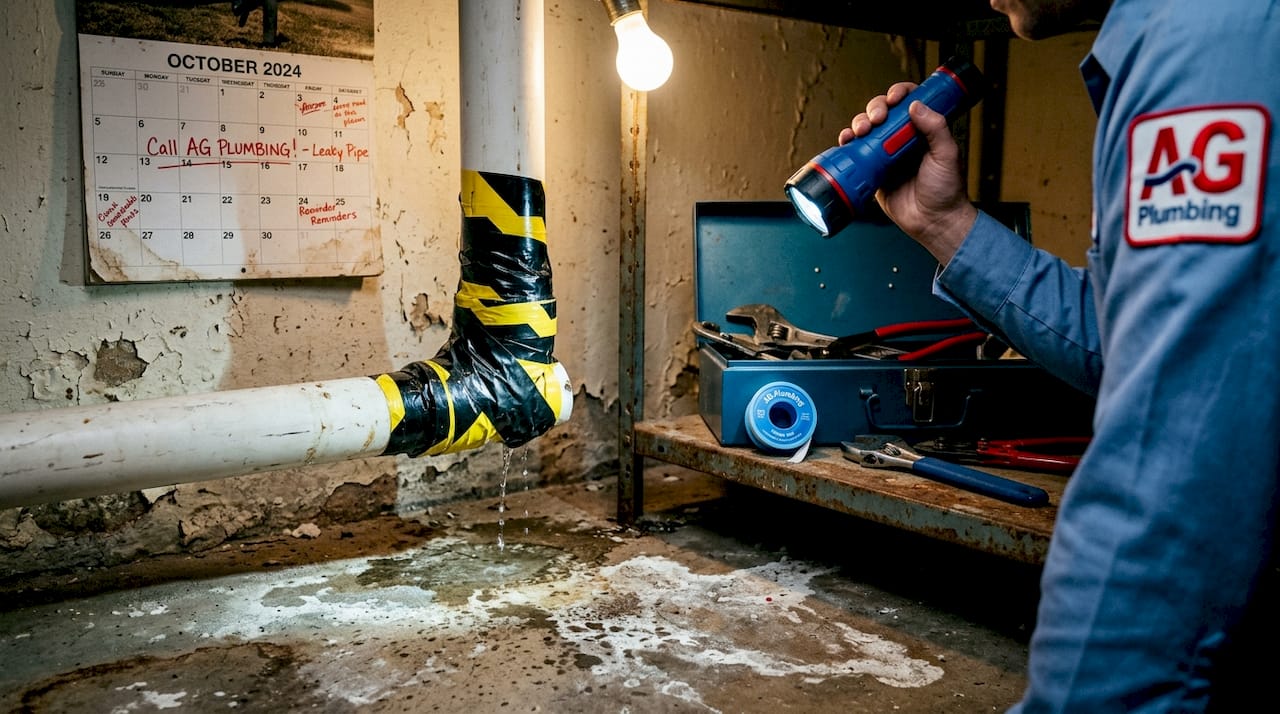
Assuming plastic pipes are safe from freezing. This is one of the most dangerous misconceptions we see. PVC pipes can burst just as catastrophically as metal pipes when water inside them freezes and expands. The average claim for a burst pipe in Pennsylvania exceeds $30,000. Don’t assume newer or plastic pipes give you a pass on insulation.
Ignoring hard water damage to appliances. Mineral scale doesn’t just affect pipes. It builds up in water heaters, reducing efficiency and lifespan. A water heater working against scale buildup can use up to 30% more energy to heat the same amount of water. Flushing your water heater annually removes sediment and keeps it running efficiently.
Here are the most common mistakes Pittsburgh homeowners make with their plumbing:
- Skipping annual inspections because nothing seems visibly wrong
- Using open flames to thaw frozen pipes in an emergency
- Delaying small leak repairs because they seem minor
- Not winterizing outdoor faucets before the first hard freeze
- Ignoring signs of hard water buildup like low water pressure and appliance scale
“The most expensive plumbing repair is almost always the one that started as a small, ignored problem.”
Pro Tip: Schedule a professional plumbing inspection before peak winter, ideally in September or October. This gives you time to address anything found before the first freeze, without the rush and premium pricing that comes with emergency winter calls.
Understanding common plumbing issues in Pennsylvania gives you better context for what’s likely in your specific home. Looking at real plumbing repair examples from Pittsburgh properties helps you understand what goes wrong and why.
Comparing preventative strategies: Which works best?
Now let’s compare the main preventative strategies side by side to help you choose the best fit for your home or routine.
| Strategy | Cost to start | Effectiveness | Best for | Key limitation |
|---|---|---|---|---|
| Pipe insulation sleeves | Very low ($15-$50) | High for freeze prevention | Exposed basement/crawl pipes | Requires physical access to pipes |
| Faucet drip method | Free | Moderate | Overnight freeze events | Wastes some water |
| Annual professional inspection | Moderate ($100-$200) | Very high for all issue types | All homeowners and renters | Requires scheduling |
| Water softener installation | High ($400-$1,500+) | High for hard water damage | Homes with visible scale buildup | Upfront cost and maintenance |
| Hose bibb winterization | Very low ($10-$30) | High for outdoor faucets | All Pittsburgh homes | Easy to forget |
Each of these methods addresses a different part of your plumbing system’s vulnerability. Pipe insulation and hose bibb winterization are your front-line defenses against Pittsburgh’s brutal winters. The faucet drip method is your backup on the worst nights of the year.
Water softening is a longer-term investment that pays off through extended appliance lifespans and lower energy bills. And the annual professional inspection is the strategy that ties everything else together. Pittsburgh’s freeze-thaw risk in older homes is high enough that a professional eye, once a year, can catch what you’ve missed and guide your priorities.
It’s worth noting that average emergency plumbing repair bills for burst pipes in the Pittsburgh area can easily reach several thousand dollars even for smaller incidents, with major failures running much higher. The cost difference between prevention and repair is not subtle.
Annual plumbing inspections are the single highest-return preventative investment most homeowners overlook. Pairing them with a solid maintenance checklist ensures you’re covering both DIY steps and professional oversight every year.
The truth about plumbing prevention in Pittsburgh: What most homeowners miss
After 30 years of helping Pittsburgh homeowners and renters navigate plumbing problems, we’ve noticed something consistent. Most people who end up with a catastrophic plumbing failure weren’t ignorant of the risks. They knew they should do something. They just didn’t follow through.
Overconfidence in DIY fixes is the most common trap. We’ve seen homeowners wrap a pipe in foam insulation but leave a six-inch gap at the joint, which is exactly where freezing happens. We’ve seen renters ignore a slow bathroom drip for three months because “the landlord will deal with it,” only to find black mold behind the wall when the drywall finally collapsed. Knowledge without action doesn’t protect a single pipe.
Pittsburgh’s weather unpredictability makes the stakes higher every year. Climate patterns have become less predictable, with sudden deep freezes arriving earlier in the season than expected. Even homes with newer PVC plumbing are not immune. A single night at 10°F with an exposed pipe junction is all it takes.
What separates homeowners who avoid plumbing disasters from those who don’t is rarely the quality of their DIY skills. It’s consistent follow-through. Booking the annual inspection before October and actually going through with it. Insulating the pipes in September rather than waiting until the first freeze warning. Documenting that small drip and calling about it this week, not next month.
Professional involvement is not a sign of defeat. It’s the most practical safeguard available, especially in a city like Pittsburgh where housing stock is old and weather is unpredictable. A 30-minute inspection by someone who has seen thousands of local homes is worth more than hours of reading. We’ve caught slow carbon monoxide risks, failing water heaters, and hairline pipe cracks that homeowners had no way of spotting on their own. The real value of preventative plumbing is not just knowing what to do. It’s having someone in your corner who will notice what you can’t.
Need expert help? Protect your plumbing with local pros
If you’re ready to move from reading to doing, the team at AG Heating, Cooling & Plumbing is here to help. With 30 years serving Pittsburgh and the surrounding communities, we know exactly what local homes face through every season.
Scheduling an annual inspection with us is one of the smartest investments you can make in your home. We identify potential problems before they turn into expensive emergencies, give you a clear picture of your plumbing system’s condition, and recommend the most cost-effective solutions for your specific situation. Explore our plumbing repair services or learn more about everything we offer through our Pittsburgh plumbing services page. We’re local, experienced, and ready to keep your plumbing running the way it should.
Frequently asked questions
What should I do if my pipes freeze in Pittsburgh?
Shut off your main water supply immediately, then use a hair dryer, warm towels, or an electric heating pad to warm the pipe gradually. Never use open flames for thawing, as they create fire risk and can damage pipes; call a professional if you can’t access the pipe or if it has already burst.
Are plastic (PVC) pipes safe from freezing and bursting?
No. PVC pipes burst just like metal pipes when water inside them freezes and expands, so all exposed pipes in unheated areas need proper insulation regardless of material.
What’s the most important plumbing maintenance tip for renters?
Report any leak or plumbing concern to your landlord in writing right away and photograph the issue. Documenting and reporting promptly protects your rights under Pittsburgh habitability laws and ensures your landlord is on record as being notified.
How often should I schedule a professional plumbing inspection?
Schedule an annual inspection, ideally before winter arrives, to catch vulnerable areas before cold weather creates an emergency and costs you significantly more.
Does hard water affect my plumbing system in Pittsburgh?
Yes. Over time, hard water causes mineral buildup inside pipes and appliances, reducing water pressure and efficiency; a water softener is a practical solution if you notice scale deposits on fixtures or inside appliances.
Recommended
- Smart Plumbing Tips Every Pittsburgh Homeowner Needs – AG-Plumbing
- Cost-saving plumbing tips for Pittsburgh homeowners – AG-Plumbing
- Why regular drain cleaning protects Pittsburgh homes – AG-Plumbing
- Spot Plumbing Problems Early: Key Signs for Pittsburgh – AG-Plumbing
