
TL;DR:
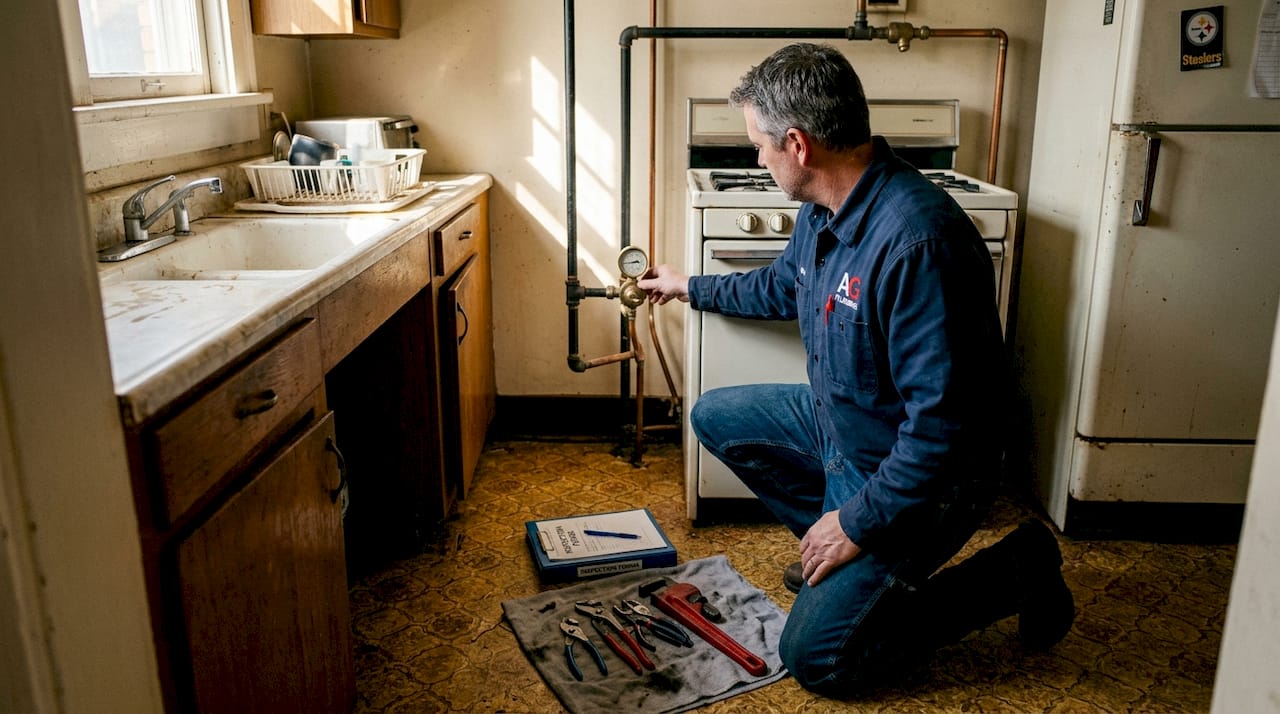
- Homeowners in Pittsburgh are responsible for gas lines beyond the meter, including inspections and repairs. Regular professional inspections and prompt action on warning signs are essential for safety. Preventive maintenance and proper excavation procedures greatly reduce the risk of damaging gas lines.
Most Pittsburgh homeowners assume gas line problems are something the utility company handles. That assumption is wrong, and it creates real danger. According to Columbia Gas PA, homeowners are responsible for all service and house lines beyond the gas meter, which means inspections, repairs, and safety compliance fall squarely on your shoulders. Neglecting that responsibility does not just risk fines or code violations. It risks lives, property damage, and repair bills that can run into tens of thousands of dollars. This guide walks you through everything you need to know to take control of your gas line safety the right way.
Table of Contents
- Why gas line inspections matter in Pittsburgh
- What gas line inspections involve
- Signs your gas lines need inspection now
- Preventive maintenance: your best defense
- Why the real danger is in what you don’t see
- Get peace of mind with a Pittsburgh pro
- Frequently asked questions
Key Takeaways
| Point | Details |
|---|---|
| Homeowners are responsible | Gas lines past the meter are your legal and safety responsibility—not the utility’s. |
| Most damage is preventable | Locating and maintaining gas lines before projects reduces accidents by 90 percent. |
| Warning signs matter | Unusual odors, dead vegetation, or higher gas bills mean you should schedule an inspection immediately. |
| Certification is essential | Only qualified professionals should handle inspections and repairs to ensure compliance and true safety. |
| Prevention saves money | Routine Checks and Fast Action Cut Emergency Costs and Boost Home Value Long-Term. |
Why gas line inspections matter in Pittsburgh
Pittsburgh’s housing stock is among the oldest in the country. Many homes in neighborhoods like Lawrenceville, Shadyside, and Mount Washington were built decades before modern gas line standards existed. Those aging pipes, fittings, and connections are under constant stress from temperature swings, ground movement, and routine use. The result is a city where gas line risk is not theoretical. It is an everyday concern.
One of the most overlooked causes of gas line damage is not a failed component. It is a shovel. Homeowners digging garden beds, installing fence posts, or hiring landscapers who skip the “call before you dig” step cause serious incidents every year. Research shows that up to 90% of gas line damages are preventable simply by having lines located before any digging begins. That means the vast majority of gas line emergencies are entirely avoidable.
Local utilities like Peoples Gas and Columbia Gas PA have invested billions in infrastructure upgrades, but that investment covers their side of the meter. On your side, the responsibility is yours. Columbia Gas PA mandates pressure tests after any service shutoff, which underscores how seriously local utilities treat post-service safety verification.
“The lines running through your walls and yard are your asset to maintain. Treating them like an afterthought is the fastest route to a gas emergency.”
Here is a quick look at the most common risk factors Pittsburgh homeowners face:
- Aging pipe materials: Older homes often have steel or cast iron gas lines that corrode over time
- Shifting soil: Pittsburgh’s hilly terrain causes ground movement that stresses buried lines
- DIY landscaping: Digging without a locate call is one of the top causes of accidental line strikes
- Post-storm damage: Flooding and ground saturation can expose or displace buried lines
- Deferred maintenance: Skipping regular checks allows small issues to escalate into serious failures
Staying ahead of these risks starts with the kind of proactive approach outlined in a solid plumbing maintenance checklist. Pairing that with annual plumbing inspections is the most effective way to catch problems before they become emergencies.
| Risk factor | Frequency in Pittsburgh | Preventable? |
|---|---|---|
| Accidental dig damage | Common during spring and fall | Yes, with locate calls |
| Corrosion in older pipes | High in pre-1970s homes | Partially, with regular inspection |
| Post-shutoff pressure issues | Every time service is interrupted | Yes, with mandated pressure tests |
| Storm-related line exposure | Seasonal | Yes, with post-storm inspections |
What gas line inspections involve
Understanding the process takes the mystery out of scheduling an inspection and helps you ask the right questions when hiring a professional. A thorough gas line inspection is not a quick visual scan. It is a systematic evaluation of your entire gas system, from the meter connection to every appliance connection in the home.
Here is what a certified professional typically covers during an inspection:
- Pressure testing: The inspector pressurizes the gas lines to a specific level and monitors for any drop, which indicates a leak somewhere in the system. This is the most reliable method for detecting slow or hidden leaks.
- Visual inspection of accessible lines: Every exposed section of pipe, fitting, and connector is examined for corrosion, mechanical damage, or improper installation.
- Leak detection with calibrated equipment: Pros use gas detectors and sometimes soap solution tests to locate leaks at joints and connections.
- Appliance connection check: Each gas appliance connection, including your furnace, water heater, range, and dryer, is checked for secure, code-compliant fittings.
- Documentation and reporting: A qualified inspector provides a written report of findings, recommended repairs, and compliance status, which is essential for insurance and resale purposes.
Only licensed professionals should perform these steps. The Columbia Gas PA guidelines are clear: hiring qualified professionals for inspections and repairs is not optional when it comes to safety and code compliance. Understanding risks and safety tips around gas and sewer systems reinforces why professional eyes are irreplaceable.
Professional vs. DIY: a direct comparison
| Factor | Professional inspection | DIY approach |
|---|---|---|
| Equipment used | Calibrated gas detectors, pressure gauges | Basic soap tests, visual only |
| Ability to find hidden leaks | High | Very low |
| Code compliance documentation | Provided | Not available |
| Liability and insurance coverage | Protected | Voided in many cases |
| Risk to household | Minimal | Significant |
| Cost | Moderate, predictable | Potentially very high if a leak is missed |
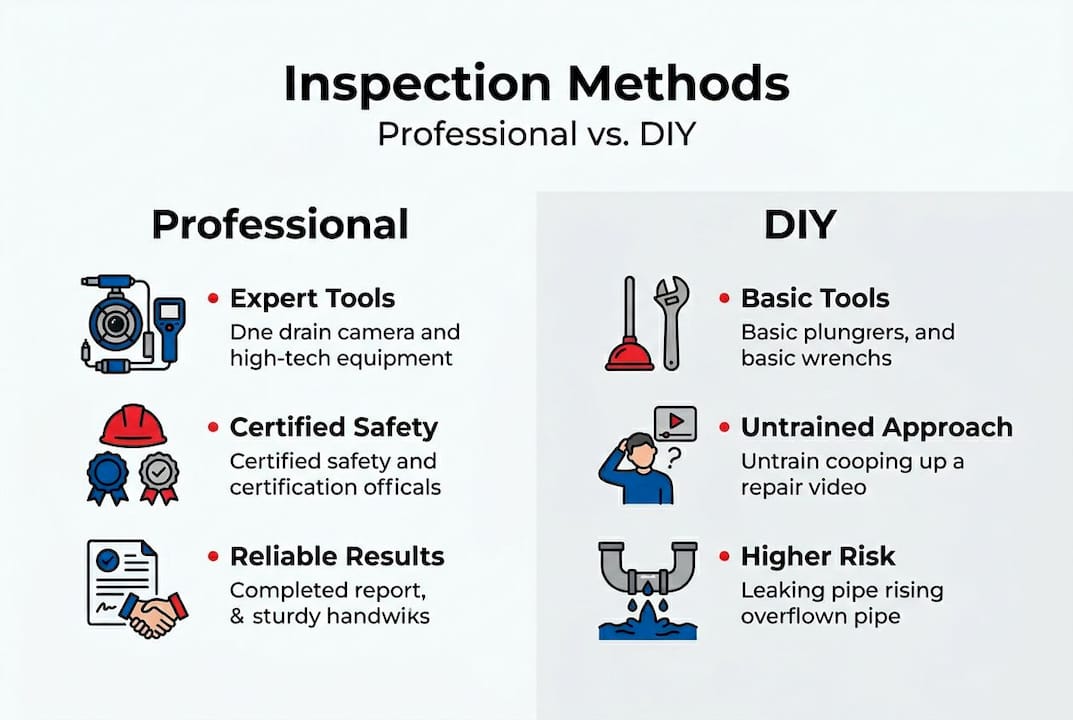
If you are planning a kitchen renovation, adding a gas appliance, or your home has just gone through a major storm, those are the exact moments to call for plumbing inspections in PA. Do not wait for a smell or a bill spike to prompt action.
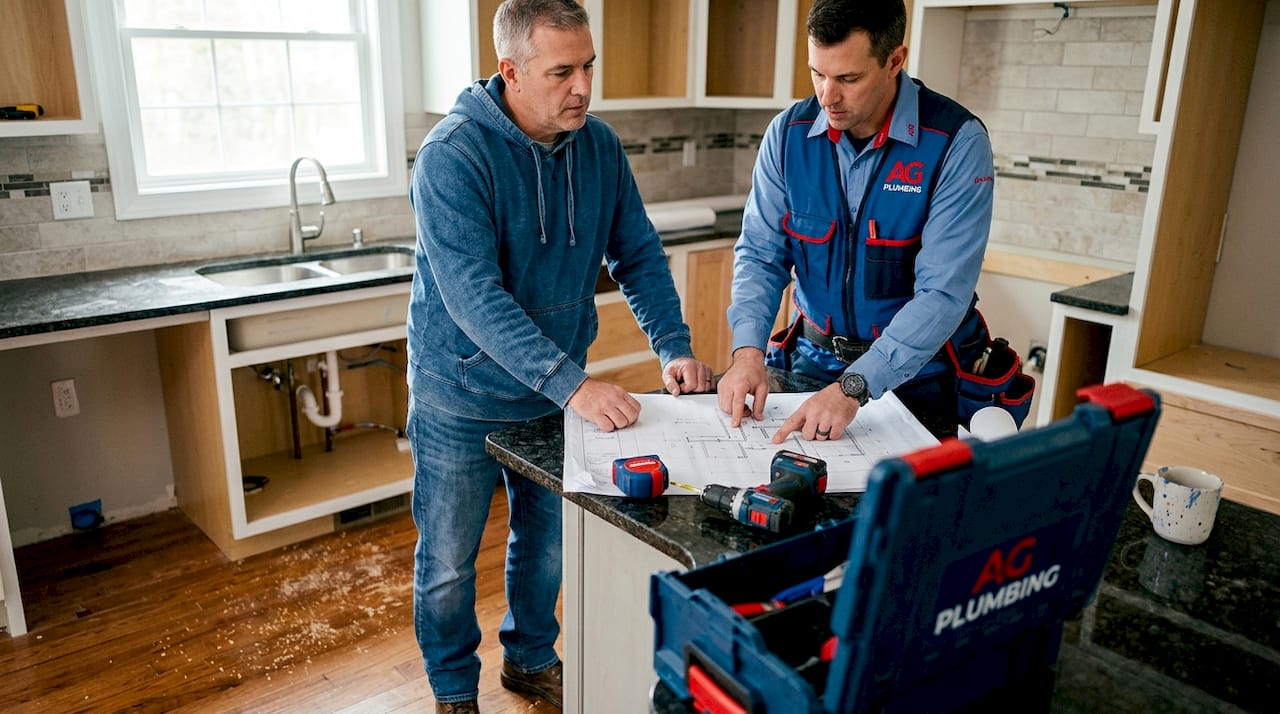
Pro Tip: Schedule a gas line inspection before starting any renovation project that involves walls, flooring, or landscaping near your home. Disruption to the structure is one of the most common triggers for line damage that goes undetected until it becomes serious.
Signs your gas lines need inspection now
Even with a solid inspection schedule in place, your home will sometimes give you signals that something needs attention right away. Learning to read those signals is one of the most practical things you can do as a homeowner.
Warning signs to act on immediately:
- Rotten egg or sulfur smell: Gas companies add mercaptan, an odorant, specifically so leaks are detectable. If you smell it anywhere near appliances, pipes, or your basement, treat it as an emergency.
- Dying or yellowing vegetation: A patch of dead grass or wilting plants over a buried gas line is a classic sign of a slow underground leak feeding into the soil.
- Unexplained spikes in your gas bill: If your usage habits have not changed but your bill has jumped, a leak is a likely cause.
- Hissing sounds near appliances or pipes: Audible hissing near any gas line or connection means gas is escaping. This needs immediate professional attention.
- Bubbling in wet soil or standing water: A gas leak underground can cause bubbling in water pooled over buried lines. Do not ignore this.
- Headaches, dizziness, or nausea indoors: At low concentrations, natural gas can displace oxygen and cause physical symptoms before the smell becomes obvious.
The statistics back up why urgency matters. Non-ignited gas leak calls are 600 times more common than actual gas fires, which means most incidents never make the news but still disrupt lives, damage property, and pose serious health risks. Acting on early warning signs is exactly how that ratio stays so skewed in favor of near-misses rather than tragedies.
Reviewing smart plumbing tips alongside your regular maintenance habits gives you a more complete picture of how to protect your home systems. And if you want to understand the financial angle, learning about cost-saving plumbing tips for Pittsburgh homeowners shows how early intervention consistently beats reactive repairs on cost.
Pro Tip: Never use an open flame to check for a gas leak. This includes lighters and matches. Use only a licensed professional with proper detection equipment. If you smell gas strongly, evacuate the building and call 911 before calling your plumber.
Preventive maintenance: your best defense
Recognizing risks is only half the battle. The other half is building a proactive system that keeps your gas lines in safe, reliable condition year after year. Preventive maintenance is not a luxury for cautious homeowners. It is the most cost-effective strategy any Pittsburgh homeowner can adopt.
Here is a step-by-step framework for building a solid gas line maintenance routine:
- Schedule annual professional inspections: Make gas line inspection a fixed item on your home maintenance calendar, ideally in the fall before heavy furnace use begins.
- Call 811 before every digging project: Pennsylvania’s “call before you dig” law exists for good reason. Getting your lines marked is free and takes less than three business days. There is no excuse to skip it.
- Know where your shutoff valve is: Every adult in your household should know exactly where the gas shutoff is and how to operate it in an emergency.
- Document every inspection: Keep a written or digital log of inspection dates, findings, and repairs. This record protects you with your insurance company and adds demonstrable value when selling your home.
- Hire plumbing repair services at the first sign of a problem: Small leaks do not fix themselves. A minor repair caught early costs a fraction of what a corroded section of line or a gas-related property incident will cost later.
- Partner with a certified local professional: Having an established relationship with a trusted plumber means faster response times and a technician who already knows your system.
The data strongly supports this proactive approach. Research confirms that up to 90% of gas line damage is preventable when proper location and inspection protocols are followed. That is not a marginal improvement. That is the difference between a predictable maintenance budget and a surprise five-figure repair bill.
“Preventive maintenance is not about spending money. It is about controlling when and how you spend it, instead of letting an emergency make that decision for you.”
Pro Tip: Document your inspection dates and findings in a dedicated home maintenance folder. Many insurance carriers ask for proof of regular upkeep when processing claims, and buyers during resale appreciate seeing a well-maintained system with receipts to prove it. Pairing this with annual plumbing inspections creates a consistent, defensible maintenance record.
Why the real danger is in what you don’t see
After three decades of serving Pittsburgh homeowners, here is what experience teaches you that no checklist fully captures: the gas line problems that hurt people most are the ones that gave no obvious warning.
Small leaks develop over months, sometimes years, before they reach a detectable concentration. The home smells “normal” because the occupants have gradually adjusted to a baseline that should not be normal. A fitting loosened by ground shift leaks almost nothing at first, but slowly and steadily creates a hazard inside a wall cavity or under a foundation slab. Nobody notices until the situation becomes acute.
This is where DIY maintenance creates the most dangerous illusion. A homeowner who checks their appliances, keeps the basement tidy, and occasionally sniffs around the furnace feels responsible. That is good instinct. But without calibrated instruments and the training to interpret them, that inspection catches nothing below the threshold of human senses. The savings from annual inspections are real, but the deeper value is catching what you cannot see on your own.
The other trap is complacency from a long track record of no problems. Homeowners tell us regularly, “We’ve lived here 20 years and never had an issue.” That history does not protect you. Gas lines age. Soil shifts. Connections fatigue. Codes update. A system that passed inspection in 2005 may not meet 2026 standards, and it has had another 20 years of wear since then. The discipline of regular professional assessment is what inspections save money on in the long run because it replaces “we got lucky” with “we were prepared.”
Safety does not come from good fortune. It comes from consistent, knowledgeable attention to systems that are easy to ignore precisely because they usually work quietly in the background.
Get peace of mind with a Pittsburgh pro
Knowing the risks and recognizing the warning signs puts you ahead of most homeowners in Pittsburgh. But knowledge without action leaves your household exposed.

At AG Heating, Cooling & Plumbing, we have spent 30 years building expertise in exactly the systems that Pittsburgh homes depend on. Our certified technicians perform thorough gas line inspections, pressure tests, and code-compliant certified plumbing repair services for homeowners and property managers across the greater Pittsburgh area. We know the local infrastructure, we know the regulations, and we know how to find problems before they find you. If you are ready to put a professional maintenance plan in place, our local gas line experts are one call away. Schedule your inspection today and make safety a certainty, not a hope.
Frequently asked questions
How often should gas lines be inspected?
Professional gas line inspections are recommended every one to two years, or immediately before major renovation projects that could disturb walls, floors, or buried lines. Columbia Gas PA’s own guidelines confirm homeowners’ responsibility to maintain their lines with qualified professionals.
Can I inspect my own gas lines safely?
DIY gas line inspection is not recommended because homeowners lack the calibrated equipment and training needed to detect hidden or low-concentration leaks. Industry consensus is clear that professional inspection is the only reliable method for ensuring safety and code compliance.
What are signs I need a gas line inspection immediately?
A rotten egg smell, a patch of dead vegetation over a buried gas line, or a sudden unexplained increase in your gas bill all indicate that an urgent professional inspection is needed. These early indicators can also point to the type of slow leaks that the 600x more common non-ignited leak statistics are built on.
Are Pittsburgh homeowners or utilities responsible for gas line maintenance?
Pittsburgh homeowners are fully responsible for all gas lines beyond the meter, including service lines and house lines inside the property. The utility company maintains only the lines up to and including the meter, as clearly outlined in Columbia Gas PA’s homeowner responsibility guidelines.
Recommended
- Why annual plumbing inspections save Pittsburgh homeowners thousands – AG-Plumbing
- Smart Plumbing Tips Every Pittsburgh Homeowner Needs – AG-Plumbing
- Plumbing Maintenance Checklist: Prevent Costly Home Repairs – AG-Plumbing
- Why regular drain cleaning protects Pittsburgh homes – AG-Plumbing
