
TL;DR:
- Sewer gas is a toxic, flammable mixture produced by bacteria decomposing organic waste in pipes.
- Smell alone is unreliable for detection; exposure can cause health risks and explosions.
- Regular maintenance, inspections, and prompt repairs are key to preventing dangerous buildup in homes.
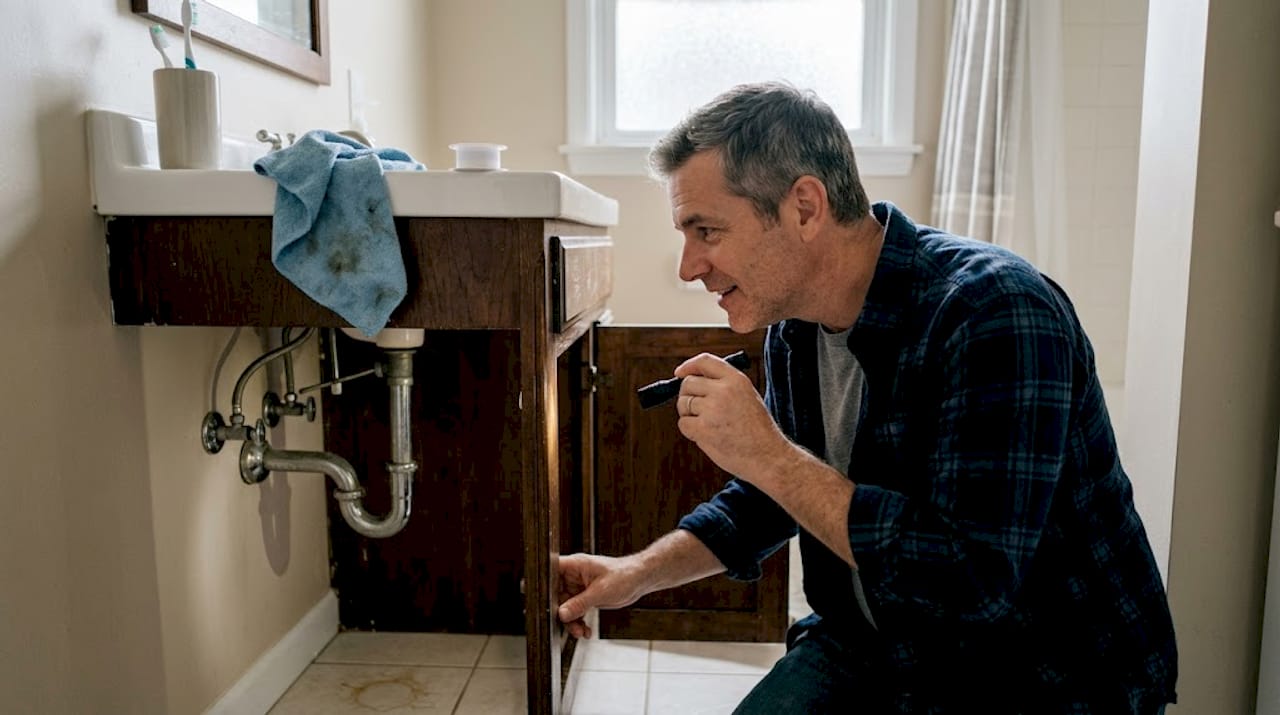
That faint rotten egg smell drifting up from your basement drain is easy to brush off as a minor nuisance. But that odor could be sewer gas, a mixture of toxic and flammable gases produced when organic waste breaks down inside sewer lines and plumbing. Many Pittsburgh homeowners assume it’s nothing serious, and that assumption puts families at risk. Sewer gas can cause health problems ranging from headaches and nausea to respiratory failure. In rare cases, it can trigger fires or explosions. This article explains exactly what sewer gas is, how it forms, why it’s dangerous, how it enters your home, and what you can do right now to keep your family safe.
Table of Contents
- What is sewer gas and how does it form?
- Why is sewer gas dangerous? Key health and safety risks
- How does sewer gas enter homes in Pittsburgh?
- Warning signs and what to do if you suspect sewer gas
- How to prevent sewer gas problems in your home
- Why sewer gas issues are often overlooked—and what Pittsburgh homeowners should really do
- Get expert help for sewer gas problems in Pittsburgh
- Frequently asked questions
Key Takeaways
| Point | Details |
|---|---|
| Invisible danger | Sewer gas is often underestimated but can cause serious health and fire risks in your home. |
| Don’t trust your nose | Dangerous gas levels may not always have a strong smell, so rely on more than odor for safety. |
| Prevention works best | Simple routine maintenance steps can keep sewer gas out and safeguard your family’s health. |
| Act quickly on odors | If you notice a sewer smell or related symptoms, investigate promptly or call a professional. |
What is sewer gas and how does it form?
Sewer gas isn’t a single substance. It’s a mixture of gases produced inside wastewater and sewer systems that can enter your home when plumbing barriers fail. The most notable component is hydrogen sulfide (H2S), the chemical responsible for that unmistakable rotten egg smell. But the mix also includes methane, ammonia, carbon dioxide, and traces of other compounds, depending on what’s breaking down in the pipe.
All of it originates from one process: the decomposition of organic waste. When bacteria go to work on sewage inside underground pipes or inside your home’s drain system, they release these gases as byproducts. Your plumbing is specifically designed to keep those gases trapped and directed away from living spaces through a combination of water-filled traps, sealed pipe connections, and vent stacks that release gases safely outdoors.
Here’s a breakdown of the main components you might encounter:
| Gas | Common source | Key property |
|---|---|---|
| Hydrogen sulfide (H2S) | Bacterial breakdown of sulfur compounds | Toxic, flammable, rotten egg odor |
| Methane (CH4) | Anaerobic decomposition of waste | Odorless, highly flammable |
| Ammonia (NH3) | Decomposing nitrogen-rich waste | Sharp odor, irritating to lungs |
| Carbon dioxide (CO2) | Aerobic bacterial respiration | Displaces oxygen in enclosed spaces |
| Carbon monoxide (CO) | Combustion in sewer environments | Colorless, odorless, toxic |
In a Pittsburgh home, sewer gas can develop or infiltrate through several common situations:
- A bathroom in the basement that rarely gets used, allowing the P-trap to dry out completely
- Older cast iron or clay sewer lines that have cracked or shifted over decades
- A toilet wax ring that has deteriorated, breaking the seal between the toilet base and the floor flange
- Plumbing vent stacks blocked by debris, leaves, or ice during Pittsburgh winters
- A floor drain in the utility room that hasn’t had water poured into it in months
The water inside a P-trap acts as a physical seal. When that water evaporates or gets siphoned away, the barrier disappears and gas flows freely into your home. It really is that simple, and that easy to miss.
Why is sewer gas dangerous? Key health and safety risks
Now that you know what sewer gas is, let’s examine why it’s a concern for your health and home.
The most alarming characteristic of hydrogen sulfide is how it tricks you. At low concentrations, the rotten egg smell is strong and obvious. But at higher, genuinely dangerous concentrations, your nose goes numb to it. As the hydrogen sulfide hazards data confirms, smell is not a reliable method for detecting dangerous concentrations. Your nose can stop warning you right when the threat peaks.
Safety warning: Never assume that because you can no longer smell the odor, the gas is gone. Olfactory fatigue from H2S exposure means the gas may still be present at deadly levels even when you can no longer detect it.
At lower concentrations, sewer gas exposure causes headaches, dizziness, nausea, eye irritation, and shortness of breath. These symptoms are easy to attribute to other causes, like allergies or a long day. That’s what makes prolonged low-level exposure especially tricky to recognize.
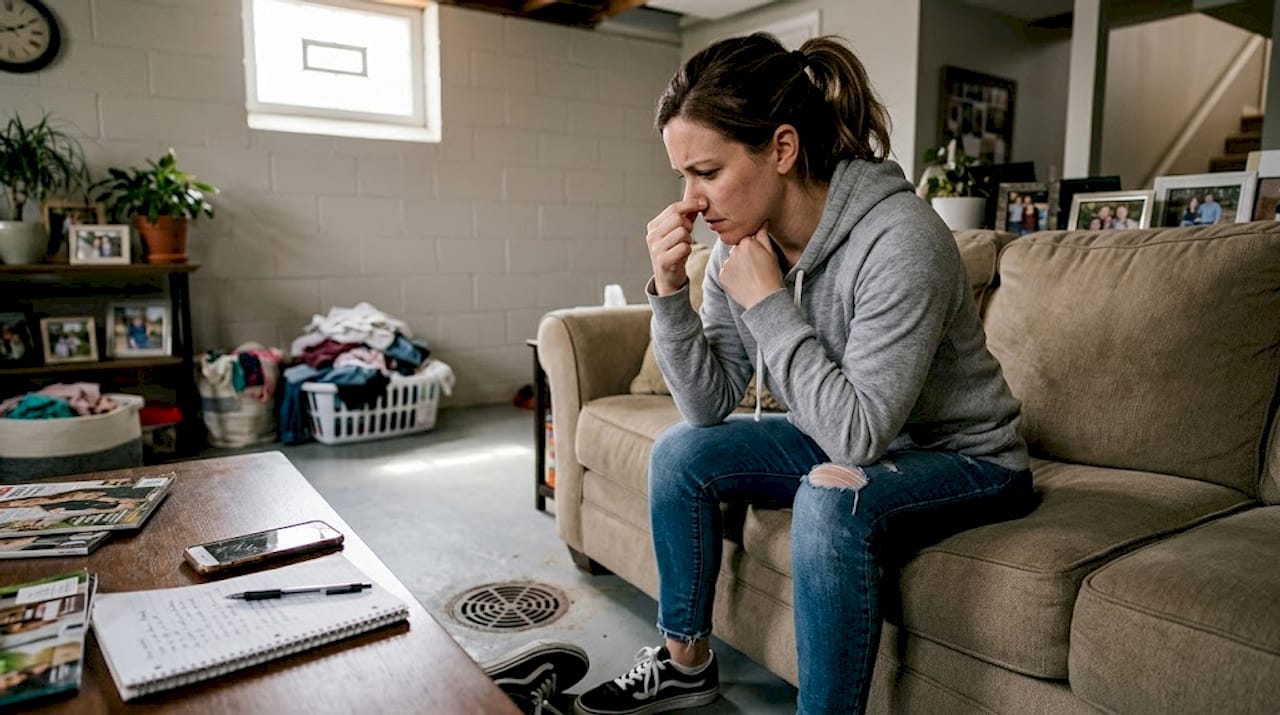
At higher concentrations, H2S causes respiratory paralysis, asphyxia, and death. Methane adds a separate layer of danger: it’s odorless and highly flammable. A sufficient buildup near an ignition source like a water heater pilot light or a light switch spark can result in a fire or explosion.
Key dangers to keep in mind:
- Toxic poisoning from H2S, ammonia, and other compounds at elevated levels
- Olfactory fatigue causing you to underestimate concentration levels
- Fire and explosion risk from methane accumulation in enclosed spaces
- Oxygen displacement in confined areas like crawl spaces or utility rooms
- Property damage from pressure buildup or ignition events
Pro Tip: If you smell sewer gas in a small, enclosed space like a bathroom or basement room, don’t linger to investigate. Leave immediately, prop open windows on your way out, avoid flipping any switches, and call your gas company or emergency services from outside.
How does sewer gas enter homes in Pittsburgh?
Understanding the dangers, the next logical question is: how does sewer gas actually get inside a Pittsburgh home?
Your plumbing system has several layers of protection. When they work correctly, gas stays confined. When they fail, even partially, you have a problem. Here’s how functioning barriers compare to failed ones:
| Plumbing barrier | Working condition | Failed condition |
|---|---|---|
| P-trap | Holds water, blocks gas | Dried out, cracked, or siphoned empty |
| Plumbing vent stack | Directs gases outside safely | Blocked by debris, ice, or bird nests |
| Toilet wax ring | Seals base to floor flange | Deteriorated, allowing gas to seep |
| Sewer pipe joints | Watertight and gas-tight | Cracked or shifted, open to soil gases |
| Floor drain trap | Water-sealed and intact | Evaporated from disuse |
Pittsburgh homes face some specific vulnerabilities. Many neighborhoods have aging plumbing infrastructure that dates back decades. Old clay or cast iron sewer lines can crack, settle, or corrode. Cold winters accelerate trap evaporation in unheated spaces, and heavy rain events can push sewer gas back through drain systems that are already under pressure.
Follow these steps to check the most common entry points in your home:
- Walk through every room and note any drains that are rarely or never used.
- Pour water into those drains to refill the P-trap, then wait 24 hours and check for smell.
- Inspect all toilet bases for gaps, soft flooring, or discoloration around the seal.
- Look at accessible pipe connections in your basement or crawl space for visible cracks or separation.
- Check your plumbing vent stack from the roof (or have a professional do it) for blockages.
Pro Tip: Set a monthly phone reminder to run water in every drain in your home for 30 seconds. It takes two minutes total and prevents the most common cause of sewer gas intrusion: dry P-traps.
Warning signs and what to do if you suspect sewer gas
Now that you know how sewer gas gets inside, let’s discuss how to spot a problem and act safely.
Sewer gas doesn’t always announce itself clearly. Watch for these signs:
- A persistent rotten egg or sulfur smell near drains, toilets, or in basement areas
- Gurgling sounds from drains when water is not running
- Bubbling water in the toilet bowl without flushing
- An unusual increase in drain flies or cockroaches near floor drains
- Family members experiencing recurring headaches, nausea, or eye irritation without an obvious cause
- Discoloration or staining around the base of toilets or floor drains
The speed at which hydrogen sulfide becomes dangerous is worth emphasizing. According to medical literature on acute sewer gas poisoning, high concentration exposures can result in loss of consciousness within minutes, particularly in enclosed or low-ventilation spaces. If someone in your home shows symptoms like confusion, difficulty breathing, or sudden collapse near a drain area, treat it as a medical emergency.
Immediate steps if you suspect sewer gas:
- Get everyone out of the affected area immediately.
- Open windows and doors on your way out to start ventilation.
- Do not flip light switches or use any open flames.
- Call 911 if anyone is showing physical symptoms.
- Contact a licensed plumber for a thorough inspection of your plumbing repair solutions once the space is safe.
For less urgent situations, a plumber can perform a smoke test or pressure test to locate the exact source of a leak before completing identifying necessary repairs.
How to prevent sewer gas problems in your home
You’ve learned how to recognize and respond to a sewer gas problem. Now let’s make sure you avoid trouble before it starts.
Routine maintenance is the most effective defense. Here are the key tasks for Pittsburgh homeowners:
- Run water in every drain weekly, including basement floor drains, utility sinks, and guest bathrooms.
- Schedule an annual plumbing vent inspection, especially before winter when ice can block roof vent stacks.
- Check toilet bases twice a year for soft flooring or gaps around the seal that could indicate a failing wax ring.
- Inspect visible pipe joints in your basement or crawl space for corrosion, cracks, or separation.
- Pour a small amount of cooking oil into infrequently used drains after filling the trap with water. The oil layer slows evaporation and helps keep the seal intact longer.
Seasonal checks matter in Pittsburgh. Before winter sets in, verify that all traps in unheated spaces (like a detached garage bathroom or a seasonal outdoor laundry room) are properly winterized or kept active. After heavy rain, check for any unusual odors near floor drains, which can signal backflow pressure from the municipal sewer system.
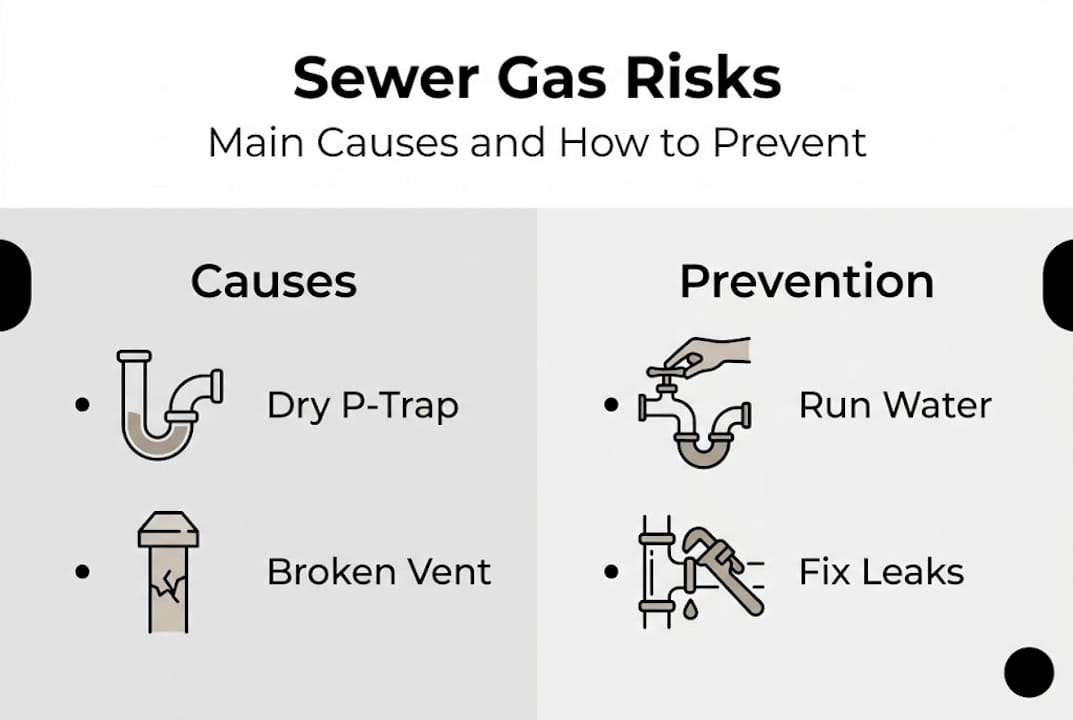
Regular sewer repair for prevention catches small problems before they become costly. If you notice slow drains or odd smells that come and go, that’s not normal, and waiting will make it worse. A plumbing maintenance checklist can help you stay on top of these tasks throughout the year.
Pro Tip: In homes with multiple bathrooms or a finished basement, use a sticky note or phone calendar to rotate through each drain monthly. Older Pittsburgh homes with original cast iron plumbing benefit most from this habit since the pipes are already working harder than newer systems.
Why sewer gas issues are often overlooked—and what Pittsburgh homeowners should really do
Here’s the hard-earned truth from three decades of plumbing work in Pittsburgh: most homeowners only call about sewer gas after it becomes impossible to ignore. By that point, the underlying problem has usually been building for months.
Conventional wisdom says a bad smell can wait. Spray something, open a window, see if it goes away. But sewer gas doesn’t follow that logic. The smell may disappear on its own while the gas continues to accumulate in wall cavities, crawl spaces, or under flooring. Pittsburgh’s aging sewer infrastructure means many homes are one cold winter or heavy rainfall away from a failure that was already in progress.
“Most sewer gas problems are detected too late. Act early, even with mild symptoms.”
The counterintuitive advice worth remembering: if the smell comes back more than twice in the same location, that pattern matters more than the intensity. A faint recurring odor is more concerning than one strong smell that never returns. Read the homeowner plumbing insights on our site for more real-world examples of how small warning signs turned into expensive repairs that could have been avoided.
Pro Tip: When you notice a recurring sewer smell, write down the time, location, and any recent weather or plumbing use before you call a plumber. That information helps a technician find the source faster and saves you diagnostic time and money.
Get expert help for sewer gas problems in Pittsburgh
Sewer gas is not a DIY problem you can fix with drain cleaner and wishful thinking. Some causes, like dry traps, are simple to resolve. But cracked sewer lines, failed vent stacks, and deteriorated seals require a licensed plumber with the right tools to locate and properly repair.
At AG Heating, Cooling & Plumbing, we’ve been solving sewer gas problems across Pittsburgh and the surrounding areas for 30 years. Our team provides full sewer inspection, vent evaluation, trap testing, and sewer repair services to find the source of the odor and fix it correctly the first time. If you’re dealing with a recurring smell or any of the warning signs described above, don’t wait. Contact our plumbing repair experts to schedule an inspection or request emergency service. Your family’s safety is worth the call.
Frequently asked questions
What does sewer gas smell like?
It typically smells like rotten eggs, which comes from hydrogen sulfide. The odor is strong at low concentrations but can fade at higher levels, making it a poor safety indicator once concentrations rise.
Can sewer gas make you sick?
Yes. At low levels, it causes headaches, nausea, and eye irritation. At high H2S concentrations, it can cause respiratory paralysis, asphyxia, and death.
How quickly can sewer gas become dangerous?
Very quickly. Acute sewer gas poisoning cases show that high concentrations of hydrogen sulfide can render a person unconscious within minutes, particularly in confined or poorly ventilated spaces.
Is a plumber always needed for sewer gas issues?
Not always for dry traps, which you can fix by running water. But if the odor persists after refilling traps, or if anyone shows symptoms, a licensed plumber must inspect and repair the system to ensure the problem is fully resolved.
Recommended
- What is a sewer line? Pittsburgh homeowners’ 2026 guide – AG-Plumbing
- How Sewer Repair Can Prevent Major Plumbing Problems – AG-Plumbing
- Sewer line repair guide for Pittsburgh homeowners – AG-Plumbing
- Reliable Sewer Repair Services in Pittsburgh, PA
