
TL;DR:
- Many common plumbing habits, like using chemical cleaners or pouring grease down drains, cause more damage than they solve.
- Homeowners should avoid DIY on complex tasks and instead seek professional help to prevent costly repairs and structural issues.
Most popular plumbing tips are false, and following them costs homeowners real money. Plumbing myths debunked by licensed professionals reveal that common habits like pouring grease down a hot drain or relying on chemical cleaners cause more damage than the original problem. Ag-plumbing has spent 30 years fixing the results of these misconceptions across Pittsburgh, PA. The patterns repeat constantly. This guide covers the most damaging myths, explains the actual mechanics behind each one, and gives you the facts you need to protect your home.
1. Are chemical drain cleaners safe for clogged pipes?
Chemical drain cleaners cause permanent pipe damage and only partially clear blockages. That partial clearing is the real problem. The clog breaks up just enough to let water pass, but residue stays in the pipe and the underlying cause remains.
These products contain sodium hydroxide or sulfuric acid. Both chemicals soften PVC pipe walls over time. In metal pipes, they accelerate corrosion from the inside out. You cannot see the damage happening, which makes it worse.
- Sodium hydroxide generates heat that warps plastic fittings
- Sulfuric acid eats through metal pipe joints with repeated use
- Residue left in the pipe continues reacting after the water clears
- Repeated use thins pipe walls until a section fails completely
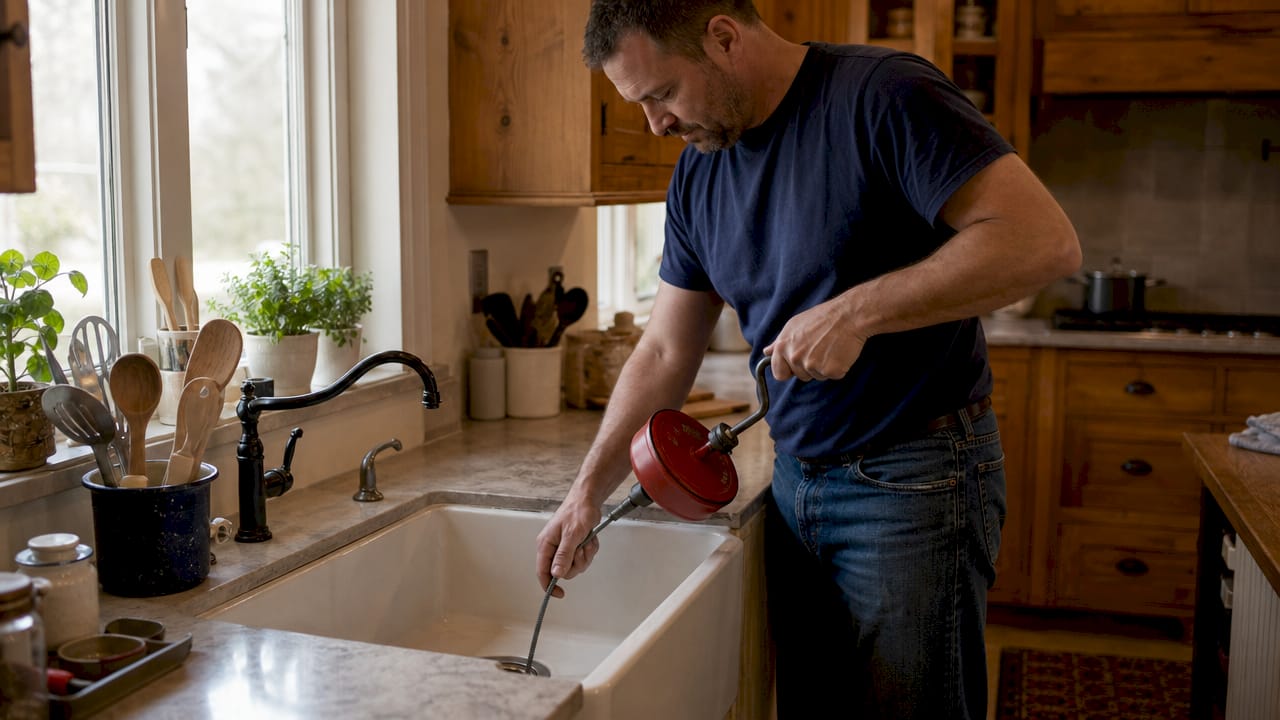
Safer alternatives include a drain snake, a cup plunger, or a professional hydro-jetting service. These methods remove the full clog without attacking the pipe itself.
Pro Tip: If a drain clogs more than twice in six months, the problem is structural, not surface-level. Call a licensed plumber before reaching for a bottle of drain cleaner.
2. Does hot water safely flush grease down the drain?
Hot water does not dissolve grease. Grease solidifies downpipe after traveling just a few feet from the drain opening, where the pipe temperature drops. Once it cools, it sticks to the pipe wall and starts collecting debris.
The buildup narrows the pipe gradually. Food particles, soap scum, and other waste catch on the grease layer and compound the restriction. Pittsburgh homeowners with older cast iron drain lines face this problem faster because the rough interior surface gives grease more to grip.
Proper grease disposal methods include:
- Pouring cooled grease into a sealed container and discarding it in the trash
- Wiping greasy pans with a paper towel before washing
- Using a sink strainer to catch food solids before they reach the drain
Grease combined with non-degradable products like flushable wipes is the leading cause of residential blockages. The two materials bind together inside the pipe and create a dense plug that water pressure alone cannot move.
3. Is it safe to ignore a small drip or minor leak?
A small leak is never a minor problem. A dripping faucet wastes hundreds of gallons of water annually, and that waste shows up directly on your utility bill. The water cost is the least serious consequence.
Leaks behind walls or under cabinets cause wood rot, weaken structural framing, and create the moisture conditions that mold needs to grow. Ignoring small leaks risks mold growth and structural damage that costs far more to repair than the original drip. Insurance companies also scrutinize water damage claims when evidence shows the leak existed for an extended period before the homeowner reported it.
The fix for a dripping faucet is usually a worn washer or O-ring. That repair costs very little when caught early. Left alone for months, the same leak can rot out a cabinet floor, spread mold into drywall, and require a full remediation. Learning how to reduce mold remediation costs starts with fixing leaks the moment you notice them.
4. Do DIY plumbing repairs save money on complex jobs?
DIY repairs save money on simple tasks. They cost significantly more on complex ones. Incorrect pipe connections and over-tightening are the two most common DIY mistakes, and both cause delayed leaks that show up weeks after the repair appears finished.
Tasks that are genuinely safe for most homeowners:
- Replacing a faucet aerator
- Swapping a toilet flapper
- Tightening a loose supply line connection
- Unclogging a drain with a plunger
Tasks that require a licensed plumber:
- Replacing or rerouting supply lines inside walls
- Installing new drain lines or venting
- Water heater replacement or repair
- Any work requiring a permit under Pittsburgh building codes
DIY efforts rarely save money on complex plumbing because mistakes cause greater damage that costs more to correct. Local building codes in Allegheny County require licensed work on most structural plumbing changes. Unpermitted work also creates problems when you sell the property. The full picture of DIY plumbing risks and costs makes the case for calling a professional before starting anything beyond basic maintenance.
5. Common misconceptions about garbage disposals and flushable products
Two of the most persistent busted plumbing myths involve garbage disposals and products labeled “flushable.” Both myths cause real damage to residential plumbing systems.
Garbage disposals do not have blades
Garbage disposals use impellers, not blades, to grind food waste. Impellers are blunt metal plates that spin at high speed and force food against a grinding ring. The popular idea that you can sharpen them by running ice cubes through the unit is false. Ice does not sharpen impellers and can damage some units by causing vibration stress on the motor mount.
If your disposal vibrates abnormally, jams repeatedly, or makes grinding noises, those are signs of mechanical failure. That requires professional service, not a home remedy.
Flushable wipes are not actually flushable
“Flushable” labeling on wipes is largely unregulated. Wipes do not disintegrate the way toilet paper does. They stay intact, snag on pipe joints, and bind with grease to form dense blockages called fatbergs. Municipal sewer systems across the country report fatbergs as a growing infrastructure problem, and the source is almost always wipes flushed from residential properties.
| Item | Safe to flush? | Reason |
|---|---|---|
| Toilet paper | Yes | Designed to disintegrate quickly in water |
| Flushable wipes | No | Does not break down; causes fatbergs |
| Paper towels | No | Too dense; clogs pipes |
| Cotton balls | No | Absorbs water and expands in pipes |
Flush only human waste and toilet paper. Everything else goes in the trash.
Key Takeaways
Most plumbing myths sound reasonable but contradict how pipes, drains, and fixtures actually work. Believing them leads to pipe damage, water waste, and repair bills that dwarf the cost of a professional consultation.
| Point | Details |
|---|---|
| Chemical cleaners damage pipes | Sodium hydroxide and sulfuric acid corrode PVC and metal; use a drain snake instead. |
| Grease solidifies in pipes | Hot water does not dissolve grease; dispose of it in the trash, not the drain. |
| Small leaks cause big damage | A dripping faucet wastes hundreds of gallons annually and can cause mold and wood rot. |
| DIY has clear limits | Simple fixes are fine; complex jobs require a licensed plumber to avoid code violations and delayed leaks. |
| Flushable wipes are not flushable | They do not break down and cause fatbergs; flush only toilet paper and human waste. |
Why these myths keep fooling smart homeowners
The reason plumbing myths persist is straightforward. Myths persist because they sound plausible despite contradicting how plumbing systems actually work. Hot water feels like it should dissolve grease. Chemical cleaners smell powerful enough to clear anything. Ice feels abrasive enough to sharpen metal. Each myth has a surface logic that makes it convincing until you understand the mechanics underneath.
What I have observed over years of working with Pittsburgh homeowners is that the damage from these myths rarely shows up immediately. A homeowner pours chemical cleaner down a drain, the water flows again, and they feel the problem is solved. Six months later, a section of pipe fails and the repair bill is substantial. The connection to the cleaner is invisible by then.
The homeowner’s desire for quick, low-cost fixes drives belief in these myths. That desire is completely understandable. But improper maintenance affects pipe longevity, home value, and insurance coverage in ways that stay hidden until a failure forces them into view. The most practical thing a homeowner can do is get a professional evaluation before a small issue becomes a structural one. A good plumber will tell you honestly what needs immediate attention and what can wait.
— Maayan
Ag-plumbing serves Pittsburgh homeowners with straight answers
Pittsburgh homes face specific plumbing challenges, from aging cast iron drain lines in older neighborhoods to hard water sediment affecting water heaters across Allegheny County. Ag-plumbing has handled these issues for 30 years, and the team gives homeowners direct, honest assessments without upselling unnecessary work.
Whether you have a slow drain, a dripping faucet, or a garbage disposal that keeps jamming, Ag-plumbing’s licensed plumbers diagnose the actual cause and fix it correctly the first time. The plumbing repair services cover everything from drain cleaning to full pipe replacement. For homeowners who want to stay ahead of problems, Ag-plumbing also offers professional drain cleaning to clear buildup before it becomes a blockage. Schedule an inspection and get the facts about what your home actually needs.
FAQ
Are chemical drain cleaners ever safe to use?
Chemical drain cleaners are not safe for regular use. They contain sodium hydroxide or sulfuric acid that damages PVC and corrodes metal pipes, and they only partially clear blockages, leaving the root cause in place.
What is the right way to dispose of cooking grease?
Let grease cool, pour it into a sealed container, and put it in the trash. Pouring grease down any drain, even with hot water running, causes it to solidify inside the pipe and build up over time.
How much water does a dripping faucet actually waste?
A single dripping faucet can waste hundreds of gallons of water per year. That waste increases utility bills and, if the drip comes from a supply line or fitting, can cause mold and structural damage inside walls.
Can I flush wipes labeled “flushable”?
No. Flushable wipe labeling is largely unregulated, and these products do not break down like toilet paper. They cause fatbergs by binding with grease inside pipes and are a leading cause of residential sewer blockages.
When should I call a plumber instead of fixing it myself?
Call a licensed plumber for any job involving pipe replacement, new drain lines, water heater work, or anything requiring a permit under Pittsburgh building codes. DIY mistakes on complex jobs cause delayed leaks and code violations that cost more to fix than the original repair.
Recommended
- Smart Plumbing Tips Every Pittsburgh Homeowner Needs – AG-Plumbing
- Cost-saving plumbing tips for Pittsburgh homeowners – AG-Plumbing
- Essential plumbing safety tips for Pittsburgh homeowners – AG-Plumbing
- Preventative Plumbing Tips to Protect Your Pittsburgh Home – AG-Plumbing
