
TL;DR:
- Galvanized pipe is steel or iron coated with zinc to prevent rust and corrosion, used mainly in outdoor and structural applications. Its protective zinc coating lasts 25 to 30 years and can leak lead or cadmium if corroded, posing health risks. Modern codes prohibit galvanized pipe for drinking water, favoring copper and PEX as safer, longer-lasting alternatives.
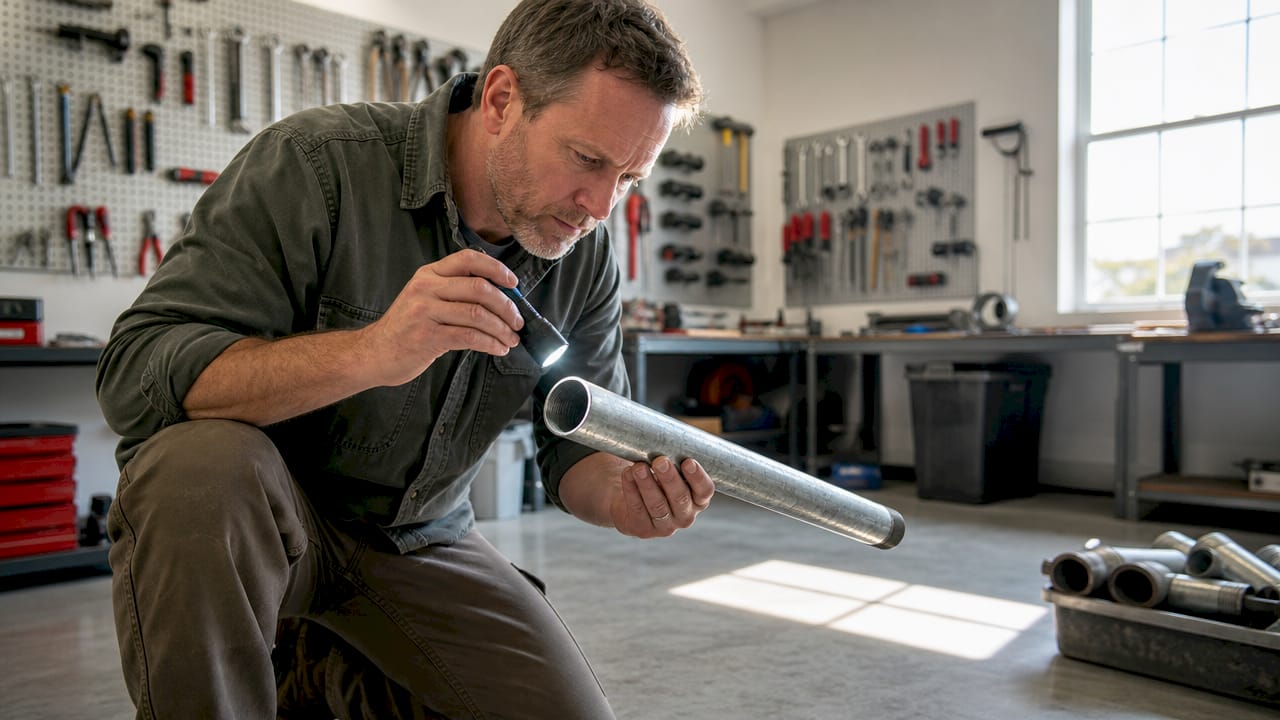
Galvanized pipe is defined as steel or iron pipe coated with a protective layer of zinc to prevent rust and corrosion. This zinc barrier is what separates galvanized pipe from standard steel pipe and explains why it became the default plumbing material in American homes for most of the 20th century. The coating works through two mechanisms: a physical shield that blocks moisture, and an electrochemical process that protects the steel even when the coating is damaged. Standards like ASTM A53 govern galvanized pipe quality, setting minimum requirements for coating thickness and pipe integrity. If your home was built before the 1980s, there is a good chance galvanized pipe is still running through your walls.
What is galvanized pipe and how does it work?
Galvanized pipe gets its protection from zinc, applied through one of two main methods: hot-dip galvanizing or electro-galvanizing. The method determines how thick the coating is, and thickness directly controls how long the pipe lasts.
Hot-dip galvanizing is the more durable process. Steel pipes are submerged in molten zinc at roughly 450°C, forming a metallurgical bond between the zinc and the steel. The result is a thick zinc-iron alloy layer that locks onto the pipe surface. Salt spray tests show this process delivers 2,000 hours without rust, which is 50% more corrosion resistance than standard galvanized pipe after passivation.
Electro-galvanizing deposits zinc onto the pipe using an electric current. The coating is thinner and more uniform, making it better suited for light-duty or decorative applications. Hot-dip coatings run 80–120μm thick, while electro-galvanized coatings measure only 5–25μm. That difference in thickness is why hot-dip pipes outlast electro-galvanized pipes by years in outdoor or high-moisture environments.
The most important feature of zinc coating is its role as a sacrificial anode. When the coating gets scratched, the zinc around the scratch corrodes first, protecting the exposed steel underneath. This self-healing property makes galvanized pipe more durable than painted steel, which simply rusts wherever paint is broken.
- Hot-dip galvanizing: best for outdoor, structural, and heavy-duty plumbing uses
- Electro-galvanizing: suited for light-duty, decorative, or indoor applications
- Zinc coating thickness: the single biggest factor in corrosion resistance and lifespan
- Sacrificial anode effect: zinc protects steel even after surface damage
Pro Tip: When buying galvanized pipe for an outdoor project, always confirm it is hot-dip galvanized. The label or product spec sheet will say “HDG.” Electro-galvanized pipe looks identical but will rust years sooner in wet conditions.
Common uses and benefits of galvanized pipe
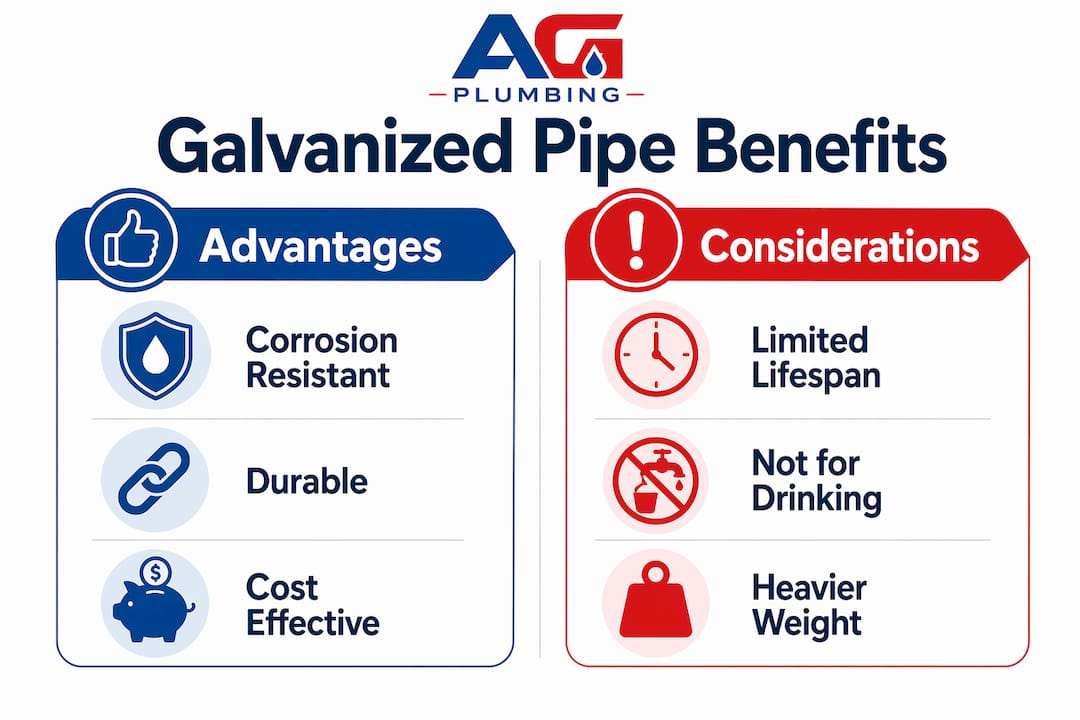
Galvanized pipe is used across a wide range of residential and commercial applications, and its high tensile strength and corrosion resistance make it a cost-effective choice compared to stainless steel. That cost advantage is real. You get similar durability for structural and outdoor uses at a fraction of the price.
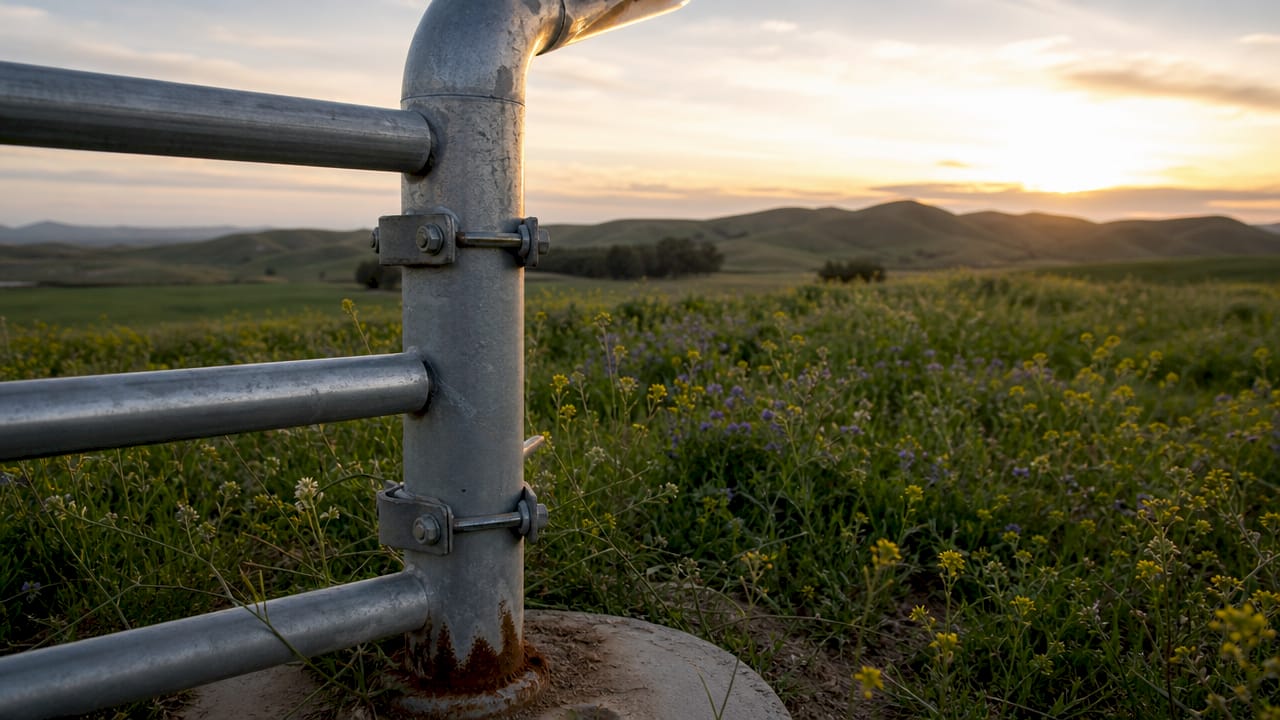
Where galvanized pipe shows up in your home and yard
The most common uses of galvanized pipe include:
- Outdoor fencing and handrails: Zinc coating handles rain, humidity, and temperature swings without rusting through.
- Water supply lines in older homes: Homes built before the 1970s often used galvanized pipe as the primary water supply material.
- Fire sprinkler systems: The pipe’s strength and corrosion resistance meet the demands of pressurized fire suppression systems.
- Drainage and waste lines: Galvanized pipe handles wastewater effectively in older construction.
- Structural supports: Galvanized pipe is used in scaffolding, carports, and outdoor frameworks where load-bearing strength matters.
- Industrial fluid transmission: Non-potable fluid lines in factories and agricultural settings still use galvanized pipe regularly.
Why galvanized pipe advantages matter for builders and homeowners
The galvanized pipe advantages that made it so popular are still relevant for the right applications. The pipe resists impact better than plastic alternatives, handles high pressure, and performs well in outdoor environments where PVC or PEX would degrade from UV exposure. Structural applications still expect 20+ years of service life from galvanized steel exposed to environmental elements.
The cost-effectiveness argument holds for non-potable and structural uses. For outdoor fencing, handrails, and cold-climate exterior plumbing, galvanized pipe remains a practical and durable choice. The key is knowing where it still belongs and where it does not.
How to spot galvanized pipe corrosion and when to replace it
Galvanized pipe does not last forever. Corrosion typically appears after 25–30 years of use in normal conditions, and when it starts, it moves fast. Rust builds up on the inside of the pipe, narrowing the passage and reducing water pressure throughout your home.
Warning signs every homeowner should know
Watch for these indicators that your galvanized pipes are failing:
- Discolored water: Brown or rust-colored water from your tap is a direct sign of internal corrosion.
- Low water pressure: Rust buildup narrows the pipe interior, cutting flow to showers and faucets.
- Visible leaks or staining: White mineral deposits or rust stains around joints signal active corrosion.
- Uneven pressure between fixtures: If one faucet runs strong and another barely trickles, internal blockage is likely.
- Frequent clogs: Corroded pipe interiors catch debris more easily, leading to repeated pipe corrosion problems.
Maintenance tips to extend galvanized pipe life
Flushing your water lines periodically removes loose rust and sediment before it accumulates. Inspecting exposed pipe sections for joint leaks or surface rust catches problems early. Home inspectors recommend replacement when corrosion signs appear, since patching corroded galvanized pipe is a short-term fix at best.
Corrosion also creates a serious health risk. Corroded galvanized pipes can leach lead and cadmium into drinking water. This is not a minor issue. Lead exposure has no safe threshold for children, and cadmium is a known carcinogen. If your home has original galvanized water supply lines and was built before 1980, testing your water and scheduling an inspection is the responsible move.
Pro Tip: Run your cold water tap for 30 seconds before drinking if you suspect old galvanized supply lines. This flushes standing water that has been in contact with corroded pipe walls. It is not a permanent fix, but it reduces short-term exposure while you plan replacement.
Modern code rules and alternatives to galvanized pipe
Current plumbing codes have largely moved galvanized pipe out of new construction. Modern engineering codes prohibit galvanized steel for new potable drinking water systems and underground natural gas lines. Using galvanized pipe for potable water in new construction is now considered a design failure by professional installers, not just a code violation.
The reason is straightforward. Zinc degrades over time inside water supply lines, and as it does, it exposes the steel beneath to corrosion. That corrosion produces the lead and cadmium leaching described above. Modern materials eliminate this risk entirely.
Galvanized pipe vs. modern alternatives
| Pipe type | Best use | Lifespan | Potable water approved | Cost vs. galvanized |
|---|---|---|---|---|
| Galvanized steel | Fencing, structural, non-potable | 25–30 years | No (current codes) | Baseline |
| Copper | Water supply, heating lines | 50+ years | Yes | Higher |
| PEX | Interior water supply, radiant heat | 25–50 years | Yes | Lower |
| CPVC | Hot and cold water supply | 25–40 years | Yes | Similar |
| Stainless steel | High-corrosion environments | 50+ years | Yes | Much higher |
PEX has become the dominant choice for new residential water supply lines because it is flexible, freeze-resistant, and easy to install without soldering. Copper remains the gold standard for longevity and is the preferred choice for many Pittsburgh homeowners upgrading from galvanized systems. You can read more about choosing copper piping if you are weighing your replacement options. For a broader comparison of modern plumbing pipe options, the differences in cost, lifespan, and code compliance are worth understanding before you commit to a material.
Key takeaways
Galvanized pipe is a zinc-coated steel pipe that resists corrosion effectively in structural and outdoor uses but is no longer approved for potable water lines under current plumbing codes.
| Point | Details |
|---|---|
| Galvanized pipe definition | Steel or iron pipe coated with zinc to prevent rust through physical and electrochemical protection. |
| Hot-dip vs. electro-galvanized | Hot-dip coatings (80–120μm) last 25–30 years outdoors; electro-galvanized coatings (5–25μm) suit light-duty uses only. |
| Best current uses | Outdoor fencing, handrails, fire sprinkler systems, structural supports, and non-potable fluid lines. |
| Corrosion warning signs | Brown water, low pressure, visible leaks, and uneven flow all signal internal corrosion requiring inspection. |
| Code status in 2026 | Current codes prohibit galvanized steel for new potable water or gas lines; replace with PEX or copper. |
What 30 years of Pittsburgh plumbing taught me about galvanized pipe
Working with galvanized pipe across hundreds of Pittsburgh homes over three decades, I have seen the full arc of this material. It was genuinely excellent for its time. The homes built in the 1950s and 1960s with galvanized supply lines got solid decades of reliable service. That is not nothing.
What I have also seen is what happens when homeowners wait too long. The pipe does not fail dramatically. It fails slowly. Pressure drops a little. Water looks slightly off. Then one day a joint gives out behind a wall, and the repair bill is far larger than a planned replacement would have been. The gradual nature of galvanized pipe failure is exactly what makes it dangerous. People adapt to the symptoms without recognizing them as warnings.
My honest advice: if your home is over 40 years old and still has original galvanized water supply lines, do not wait for a visible problem. Get an inspection. The pipe replacement process is far less disruptive than most homeowners expect, especially with modern trenchless methods. And the peace of mind from knowing your drinking water is not running through corroded pipe is worth every dollar.
Galvanized pipe still has a place in 2026. It belongs on your fence, your handrail, and your structural framework. It does not belong carrying your drinking water.
— Maayan
Ag-plumbing’s galvanized pipe services for Pittsburgh homeowners
Ag-plumbing has served Pittsburgh homeowners for 30 years, and galvanized pipe issues are among the most common calls the team receives. Whether you need a full inspection of aging supply lines, targeted repairs on corroding joints, or a complete plumbing system replacement, Ag-plumbing brings the experience to handle it correctly the first time.
Ag-plumbing’s licensed plumbers assess your existing galvanized pipe, identify corrosion risk, and recommend the right modern replacement material for your home’s specific layout and water chemistry. If you are in Pittsburgh or the surrounding areas and suspect your galvanized pipes are past their prime, contact Ag-plumbing’s team to schedule an inspection before a slow leak becomes a major repair.
FAQ
What is galvanized pipe made of?
Galvanized pipe is steel or iron pipe coated with a layer of zinc. The zinc is applied through hot-dip galvanizing or electro-galvanizing to protect the steel from rust and corrosion.
How long does galvanized pipe last?
Hot-dip galvanized pipe lasts 25–30 years under normal conditions. Lifespan shortens in high-moisture environments or when the pipe carries potable water, which accelerates internal corrosion.
Is galvanized pipe safe for drinking water?
Galvanized pipe is not approved for new potable water lines under current plumbing codes. Corroded galvanized pipe can leach lead and cadmium into drinking water, creating a serious health risk.
How do I know if my home has galvanized pipes?
Galvanized pipe has a dull gray exterior and feels heavier than plastic pipe. Scratching the surface with a coin reveals a silver-gray color. Older homes built before the 1980s are most likely to have galvanized supply lines.
What replaces galvanized pipe in modern plumbing?
PEX and copper are the most common replacements for galvanized pipe in residential water supply systems. Both materials meet current plumbing codes, resist corrosion, and carry no risk of lead or cadmium leaching.
Recommended
- What Is PEX Piping? A Homeowner’s Guide for 2026 – AG-Plumbing
- Why Test for Lead Pipes: A Pittsburgh Homeowner’s Guide – AG-Plumbing
- Pipe Maintenance Tips Every Homeowner Needs in 2026 – AG-Plumbing
