
TL;DR:
- Choosing the right plumbing pipe depends on climate, water quality, code, and longevity needs.
- PEX, copper, PVC, and other materials each have specific advantages suited to different Pittsburgh applications.
- Always verify local code compliance, obtain permits, and consult a professional for safe, lasting installations.
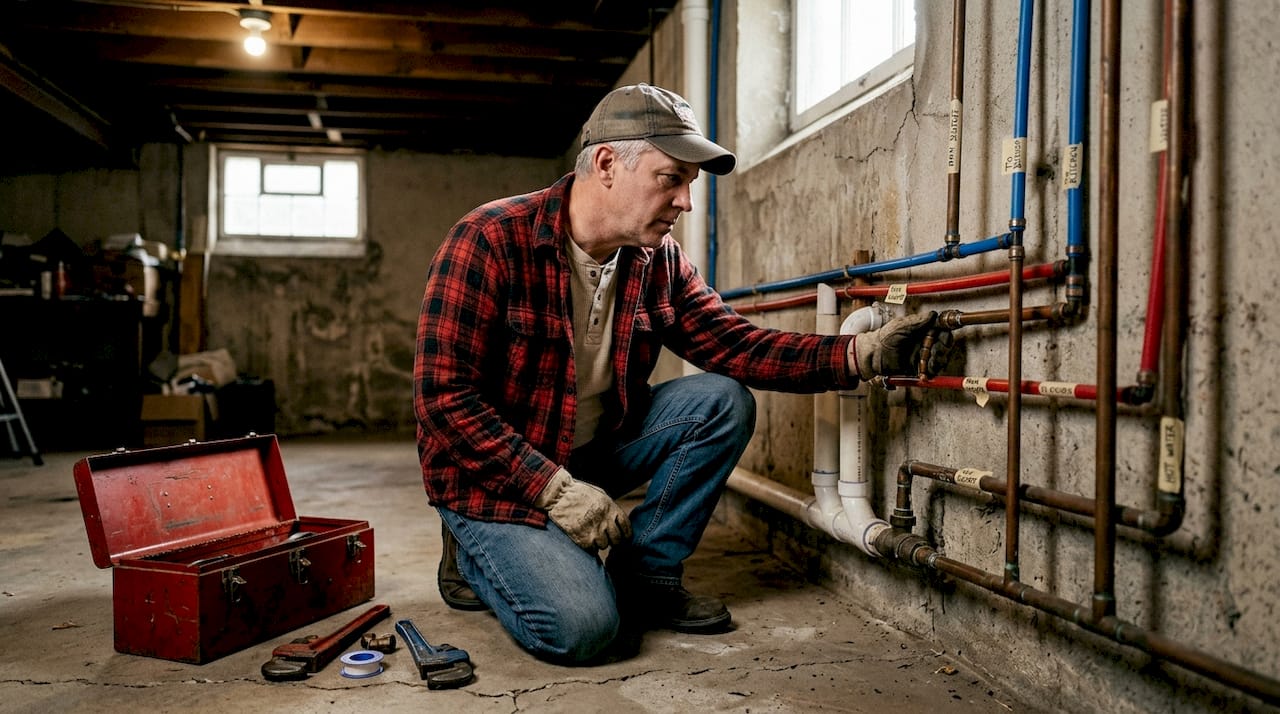
Picking the right plumbing pipe for your Pittsburgh home sounds simple until you realize that cost, climate, local code, and water quality all pull you in different directions. A pipe that performs beautifully in Phoenix can crack or corrode in Pittsburgh’s freeze-thaw winters. Get it wrong and you’re looking at burst pipes, failed inspections, or costly rework down the road. Get it right and your plumbing runs quietly in the background for decades. This article walks you through every major pipe material, what makes each one tick, how they stack up side by side, and how to stay on the right side of Allegheny County’s plumbing regulations.
Table of Contents
- Key factors to consider when selecting plumbing pipes
- PEX, copper, PVC, and more: Common pipe types explained
- Side-by-side: Comparing pipe types for Pittsburgh homes
- Local code compliance and Pittsburgh’s plumbing permit process
- Making your decision: Choosing the right pipe for your project
- A plumber’s perspective: What actually matters when picking pipe types
- Get expert plumbing advice for your Pittsburgh home
- Frequently asked questions
Key Takeaways
| Point | Details |
|---|---|
| Climate and code matter | Pittsburgh’s freeze-thaw cycles and local permits determine which plumbing pipes are safe and legal. |
| PEX and copper lead | PEX offers affordability and freeze resistance, while copper wins for durability—choose based on your needs. |
| Get the right permit | Always check Allegheny County codes and secure proper permits before replacing or installing pipes. |
| Consider longevity and cost | Balance material lifespan, installation difficulty, and price for your home’s plumbing project. |
| Consult a pro if unsure | A local expert can advise on code and material choices specific to your Pittsburgh home. |
Key factors to consider when selecting plumbing pipes
Before you pick a material, you need a framework. Too many homeowners jump straight to the pipe type without thinking through the conditions that will shape how it performs. Here are the factors that matter most for Pittsburgh specifically.
- Climate and freeze-thaw cycles: Pittsburgh winters are serious. Temperatures regularly drop below freezing, and pipes in exterior walls or unheated crawl spaces face real burst risk. Some materials handle this far better than others.
- Code compliance: Not every pipe material is legal everywhere. The Allegheny County Plumbing Program enforces plumbing code using IPC and NSF-61 standards, so your material choices must align with approved specs.
- Longevity and maintenance: A cheaper pipe that needs replacing in 20 years costs more over time than a pricier option that lasts 70 years.
- Upfront and installation costs: Material price is only part of the equation. Some pipes require specialized tools or labor, which affects total project cost.
- Water quality: Pittsburgh’s water supply has a specific pH profile. Slightly acidic water can eat through copper over time, creating pinhole leaks you won’t notice until water is dripping through your ceiling.
- Repairability: Some pipes are easy to patch; others require full section replacement when something goes wrong.
When you are choosing plumbing materials for a Pittsburgh home, weight these factors according to your project type. A full repipe has different priorities than a targeted drain repair.
“The best pipe is the one that fits your specific conditions, not just the one with the best marketing copy.”
Pro Tip: Test your home’s water pH before committing to copper. A simple test kit costs under $20 at most hardware stores and can save you from expensive pinhole leaks years down the road. You can also find cost-saving plumbing tips that help you budget smarter before starting any project. For a broader look at how materials compare nationally, the national pipe materials overview provides useful context.
PEX, copper, PVC, and more: Common pipe types explained
Now that you have a decision framework, here is a clear breakdown of each major pipe type you will encounter on any Pittsburgh plumbing project.
PEX (cross-linked polyethylene) is flexible plastic tubing that has become the go-to for residential supply lines. It is affordable, with material costs between $0.30 and $0.82 per foot and a lifespan up to 50 years. PEX bends around corners without fittings, which speeds up installation dramatically. It handles freezing temperatures better than rigid pipes because it can flex slightly under pressure. The downside: it cannot be used outdoors or in direct sunlight, which breaks down the material.
Copper has long been the gold standard. Copper pipes last 50 to 70 years and resist most forms of corrosion, but they cost between $1 and $10 per foot depending on diameter. In homes with acidic water, copper develops pinhole leaks over time. It also requires soldering, which means hiring a skilled plumber rather than a handyman.
PVC (polyvinyl chloride) is the lightweight white plastic you see in drain and waste lines. PVC costs $0.50 to $5 per foot and works well for drains, vents, and cold-water supply in moderate conditions. It is not suitable for hot water lines and becomes brittle in extreme cold, so it is rarely used in exposed or unheated spaces.
ABS (acrylonitrile butadiene styrene) is the black plastic pipe used for drain, waste, and vent systems. It is durable and easy to cut, but not approved in all jurisdictions, so always verify before installing.
Galvanized steel and cast iron are legacy materials found in Pittsburgh’s older housing stock. Both are prone to internal corrosion and buildup over time. If your home still has galvanized supply lines, replacement is worth planning.
Pro Tip: When installing plumbing fixtures, confirm the pipe material feeding that fixture before purchasing any parts. Mismatched connections are a common and avoidable source of leaks.
| Pipe type | Common use | Lifespan | Approx. cost/ft |
|---|---|---|---|
| PEX | Supply lines | 50 years | $0.30–$0.82 |
| Copper | Supply, main lines | 50–70 years | $1–$10 |
| PVC | Drains, vents | 25–40 years | $0.50–$5 |
| ABS | Drains, vents | 50+ years | $0.50–$1 |
| Galvanized steel | Older supply | 20–50 years | Varies |
| Cast iron | Drain, waste | Up to 100 years | High |
Side-by-side: Comparing pipe types for Pittsburgh homes
Numbers are useful, but context is everything. Here is a direct comparison across the criteria Pittsburgh homeowners care about most.
| Pipe type | Freeze resistance | Install difficulty | Code approved (Allegheny Co.) | Best for |
|---|---|---|---|---|
| PEX | Excellent | Easy | Yes | Supply lines, remodels |
| Copper | Moderate | Moderate/hard | Yes | Main water lines, kitchens |
| PVC | Poor | Easy | Yes (drains only) | Drain/waste/vent |
| ABS | Moderate | Easy | Check locally | Drain/waste/vent |
| Cast iron | Good | Hard | Yes (existing) | Older drain systems |
“PEX is roughly three times less expensive than copper and offers better freeze resistance, while copper remains the gold standard for durability on main water lines.”
For homeowners deciding between copper and PEX, the choice often comes down to budget and location within the home. Use this step-by-step approach to narrow it down:
- Identify whether the pipe is for supply (pressurized water) or drain/waste (gravity-fed).
- Check if the area is exposed to freezing temperatures or direct sunlight.
- Get your water pH tested to assess corrosion risk for copper.
- Compare installed cost estimates for both materials with a licensed plumber.
- Confirm code approval for your chosen material with Allegheny County before purchasing.
For real-world context, look at plumbing repair examples from Pittsburgh homes to see how these choices play out in practice. If you need full project support, Pittsburgh plumbing services can guide you from material selection through final inspection.
Local code compliance and Pittsburgh’s plumbing permit process
Knowing your options is only part of the job. Making sure your project is legal protects your investment and your family’s safety.
Allegheny County’s Health Department oversees plumbing inspections and code enforcement throughout the Pittsburgh region. PEX, copper, and PVC/CPVC are all approved under the International Plumbing Code and NSF-61 drinking water standards. That said, permits are required for most pipe replacements and new installations.
Here is how to stay compliant:
- Confirm material approval before purchasing anything. Call the Allegheny County Health Department or ask your plumber to verify the material is accepted for your specific application.
- Apply for a permit through the county Health Department before work begins. Doing work without a permit can complicate home sales and insurance claims later.
- Hire a licensed plumber for any work requiring a permit. DIY plumbing without proper licensing can void the permit entirely.
- Schedule an inspection after the work is complete. This is not optional, it is the step that officially closes out your permit and confirms the work is safe.
- Keep your inspection records. Store them with your home documents. Future buyers and insurance adjusters may ask for them.
Pro Tip: Never skip the final inspection. It takes less than an hour and gives you documented proof that your plumbing meets code. Skipping it is the single most common mistake homeowners make, and it can create real headaches during a home sale. Review local code for plumbing specifics before starting, and consider hiring a plumber in Pittsburgh who already knows the county permitting process.
Making your decision: Choosing the right pipe for your project
You now have the full picture. Here is how to bring it all together for your specific situation.
The first split is supply versus drain. Supply lines carry pressurized water to fixtures. PEX and copper are your primary options here. Drain, waste, and vent lines are gravity-fed and lower-pressure. PVC and ABS are the standard choices. Getting this wrong is one of the most common and expensive mistakes in plumbing projects.

The second split is repair versus full replacement. If you are patching a single section, match the existing material when possible to simplify the connection. If you are doing a full repipe, this is your chance to upgrade strategically based on your climate, cost, and installation priorities.
Here are quick picks by location:
- Kitchen supply lines: PEX or copper, depending on budget and water quality.
- Bathroom supply lines: PEX is popular for its flexibility in tight spaces.
- Bathroom drain and waste: PVC or ABS, whichever is code-approved in your area.
- Main water line into the home: Copper or PEX, with copper preferred for its longevity.
- Outdoor or exposed areas: Avoid PEX and PVC; consider copper or consult a professional.
For bathroom-specific projects, explore bathroom pipe choices to see which materials work best in that environment. And when in doubt, bring in a licensed plumber before you purchase a single fitting. The consultation cost is almost always less than fixing a material mismatch.
A plumber’s perspective: What actually matters when picking pipe types
After 30 years working on Pittsburgh homes, here is what we have learned that most guides leave out.
Marketing loves to push the “best” pipe. In reality, no single material wins across every situation. PEX has grown more popular in Pittsburgh for its flexibility and freeze resistance, but copper still earns its place on main water lines where longevity is the priority.
The most common mistake we see? Homeowners replace a failing pipe with a different material without testing the water or checking the fittings. The new pipe fails faster than the old one because the underlying conditions were never addressed.
Another common error is skipping the permit to save time or money. We have walked into homes where unpermitted work had to be torn out and redone, costing far more than the original permit fee.
When a repair with the same material is perfectly fine, we say so. Not every aging copper pipe needs to be replaced with PEX. Sometimes a targeted fix is the smarter and more economical choice. See real repair situations to understand when a repair is enough and when replacement makes more sense.
Context always wins over convention. The right pipe is the one that fits your home, your water, your budget, and your local code.
Get expert plumbing advice for your Pittsburgh home
You now have a solid foundation for making smart pipe decisions. But knowing the material options is different from executing a code-compliant, long-lasting installation.
AG Heating, Cooling & Plumbing has served Pittsburgh homeowners for 30 years. Our licensed team handles everything from targeted plumbing repair services to full system upgrades, using materials matched to your home’s specific conditions. We know Allegheny County code, we pull the right permits, and we back our work. Whether you need a quick repair, a full repipe quote, or guidance on which material fits your project, we are ready to help. Explore our plumbing services for homeowners or read our emergency plumbing guide if something needs immediate attention.
Frequently asked questions
Which plumbing pipe lasts the longest in Pittsburgh homes?
Copper lasts 50 to 70 years and cast iron can reach 100 years, while PEX and PVC typically last around 50 years with proper installation and favorable water conditions.
Is PEX piping allowed in Pittsburgh and Allegheny County?
Yes. PEX is approved under IPC and NSF-61 standards for potable supply lines throughout Allegheny County, making it a fully legal and commonly used option.
Can I mix different plumbing pipe materials in my home?
You can mix materials, but all connections must use approved fittings and pass a county inspection to be considered code-compliant and safe.
How do I know if old galvanized pipes need to be replaced?
Watch for galvanized pipe warning signs like low water pressure, frequent clogs, discolored water, or visible rust, all of which signal that replacement is overdue.
Do I need a permit to change plumbing pipes in Pittsburgh?
Yes. Most pipe replacements require a permit from the Allegheny County Health Department, and skipping this step can create problems during home sales or insurance claims.
Recommended
- How to Choose Plumbing Materials for Pittsburgh Homes – AG-Plumbing
- Top bathroom plumbing ideas for Pittsburgh homeowners – AG-Plumbing
- Top 7 Plumbing Services in 2026 for Homeowners in Pittsburgh, PA – AG-Plumbing
- Examples of plumbing repairs Pittsburgh homeowners need – AG-Plumbing
