
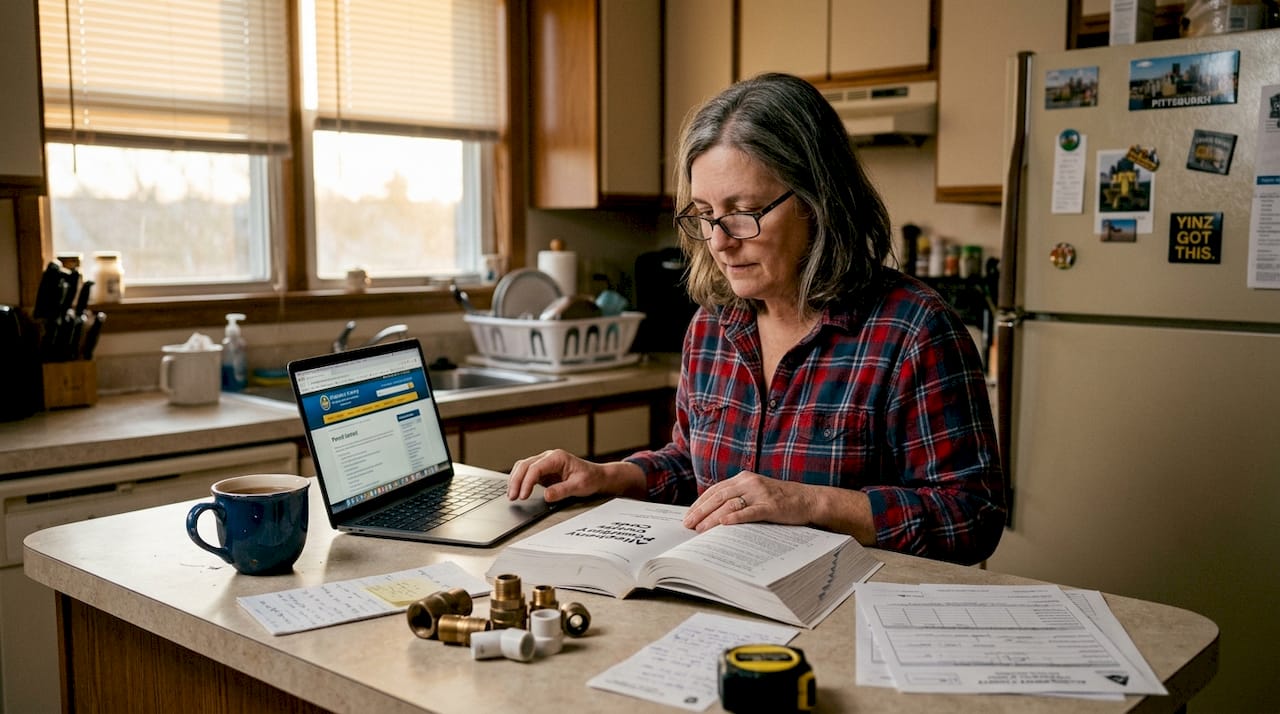
Choosing the wrong plumbing materials can cost Pittsburgh homeowners thousands in repairs, failed inspections, and code violations. With Allegheny County’s strict plumbing codes and unique local water conditions, selecting certified materials isn’t just about durability, it’s about compliance and long-term reliability. This guide walks you through Pittsburgh’s code requirements, compares approved materials like PEX, copper, and PVC, and provides a step-by-step process for purchasing the right supplies. You’ll learn how to avoid common mistakes, protect your investment from hard water and rodents, and know exactly when to call a professional for installation.
Table of Contents
- Understanding plumbing codes and material requirements in Pittsburgh
- Comparing common plumbing materials: pros, cons, and ideal uses
- Step-by-step guide: How to choose and purchase plumbing materials
- Troubleshooting and common pitfalls in material selection and installation
- Get expert help for plumbing material selection and installation
- Frequently asked questions
Key Takeaways
| Point | Details |
|---|---|
| Check local codes first | Pittsburgh and Allegheny County have strict requirements for materials and permits. |
| Choose certified materials | PEX, copper, and PVC are approved if properly certified and installed. |
| Match material to environment | Consider water quality, rodent risk, and UV exposure before choosing plumbing pipes. |
| Avoid common mistakes | Skipping permits or using non-certified materials can lead to fines and costly repairs. |
| Get expert support when in doubt | Professional plumbers ensure compliance and reliable installation for Pittsburgh homes. |
Understanding plumbing codes and material requirements in Pittsburgh
Before you purchase a single pipe or fitting, you need to understand what Allegheny County actually allows. Pittsburgh adopts the International Plumbing Code and International Residential Code, and the Allegheny County Health Department enforces all plumbing permits and inspections. This means every renovation, upgrade, or repair involving plumbing materials requires proper permits and code-compliant products.
Approved materials include PEX, copper, and PVC, but only if they carry proper certification marks. You can’t just grab any pipe from a big-box store and assume it meets code. Each material must be certified by recognized testing agencies, and inspectors will check for these marks during your final inspection.
Common mistakes homeowners make include skipping the permit process entirely, purchasing non-certified materials to save money, and assuming that because a material works in another state, it’s automatically approved here. These errors lead to failed inspections, expensive rework, and potential fines.
Permit requirements for common projects:
- Water heater replacement
- Bathroom or kitchen plumbing upgrades
- Adding new fixtures or supply lines
- Replacing old galvanized pipes
- Installing outdoor hose bibs
| Material Type | Certification Required | Common Applications | Code Compliance |
|---|---|---|---|
| PEX | ASTM F876/F877 | Supply lines, radiant heating | Approved with certification |
| Copper | ASTM B88 | Supply lines, gas lines | Approved for all applications |
| PVC | ASTM D1785/D2665 | Drain, waste, vent systems | Approved for DWV only |
| CPVC | ASTM D2846 | Hot and cold supply | Approved with certification |
Always verify current code requirements with the Allegheny County Health Department before starting any plumbing project. Codes update regularly, and what was approved last year may have new restrictions today.
For complex projects or if you’re unsure about permit requirements, scheduling plumbing inspections in PA early can save you from costly mistakes. Understanding common plumbing issues in Pennsylvania homes also helps you choose materials that address local challenges from the start.
Comparing common plumbing materials: pros, cons, and ideal uses
With official requirements covered, it’s time to weigh the best plumbing materials for your actual home project. Each material offers distinct advantages and limitations based on your specific situation, budget, and Pittsburgh’s environmental factors.
PEX (Cross-Linked Polyethylene) has become increasingly popular for residential supply lines. It’s flexible, freeze-resistant, and easier to install than rigid pipes. PEX costs less than copper and requires fewer fittings, reducing potential leak points. However, rodent-prone areas require protection for PEX, and you should never use it outdoors where UV exposure degrades the material. Professional installation with proper crimp or clamp tools ensures reliable connections.
Copper piping remains the gold standard for durability and reliability. It handles high temperatures, resists corrosion better than many alternatives, and works for both water supply and gas lines. Copper’s main drawbacks are higher material costs and the need for soldering skills or professional installation. For Pittsburgh homes with hard water, copper performs well but benefits from water softener systems to prevent mineral buildup.
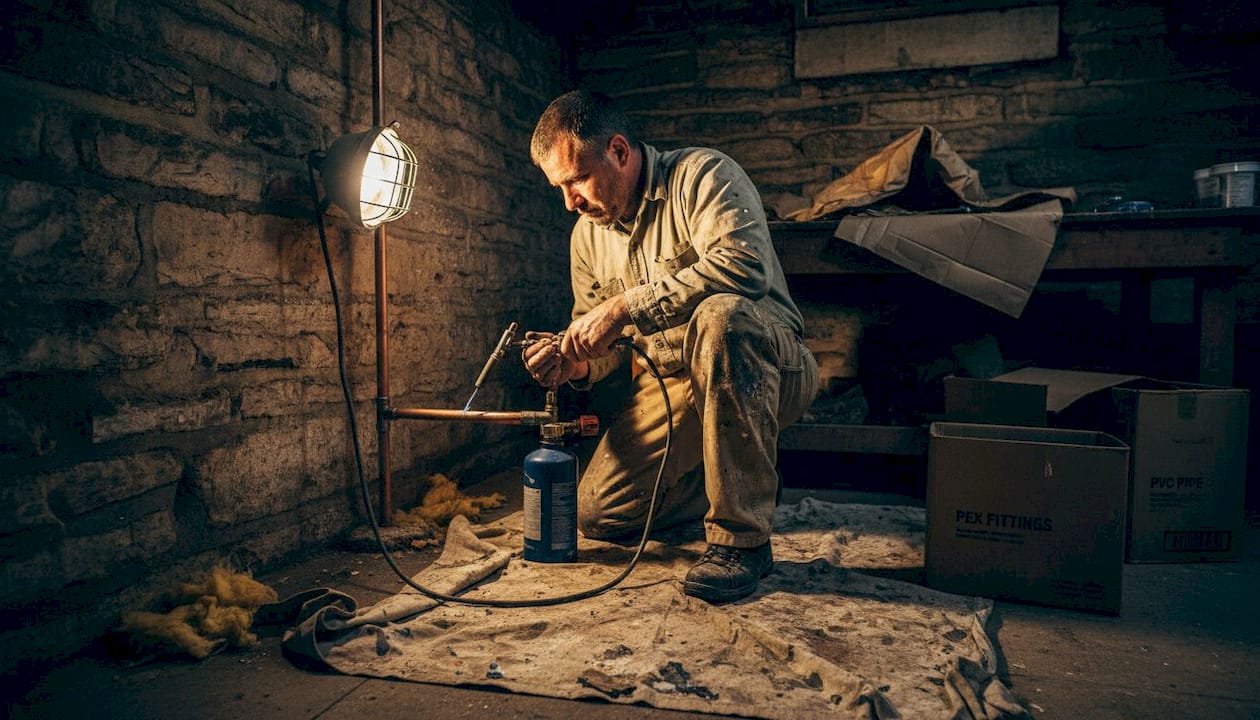
PVC and CPVC serve different purposes in your plumbing system. Standard PVC works exclusively for drain, waste, and vent (DWV) systems, never for pressurized supply lines. CPVC handles hot and cold water supply but costs more than PEX. Both materials are lightweight, affordable, and easy to cut, but UV exposure damages PVC and CPVC outdoors.
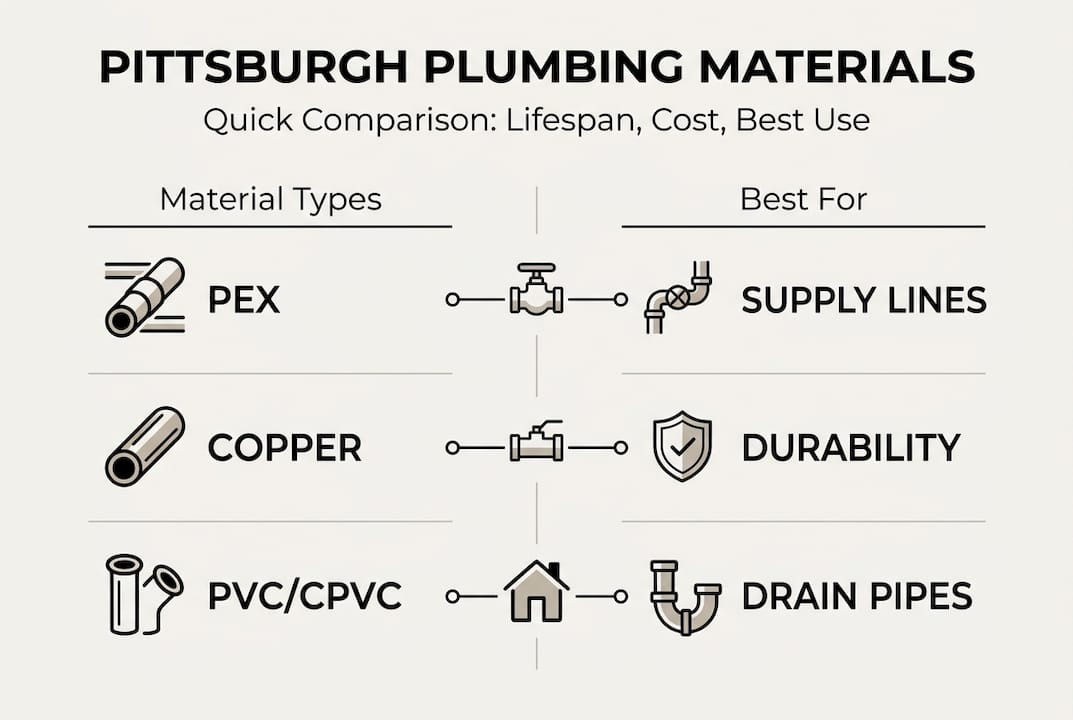
| Material | Lifespan | Cost per Foot | Best For | Pittsburgh Considerations |
|---|---|---|---|---|
| PEX | 40-50 years | $0.50-$2.00 | Supply lines, remodels | Protect from rodents, no outdoor use |
| Copper | 50+ years | $2.00-$4.00 | All supply, gas lines | Hard water requires softener |
| PVC | 50+ years | $0.40-$1.00 | DWV systems only | No outdoor exposure |
| CPVC | 40-50 years | $0.75-$2.50 | Hot/cold supply | Limited outdoor use |
Pro Tip: Installing a water softener protects your investment by reducing hard water damage that shortens pipe and fixture life. Pittsburgh’s water hardness varies by neighborhood, so test your water before choosing materials.
For whole-home projects, many homeowners combine materials strategically. Use copper for main supply lines and water heater connections, PEX for branch lines to fixtures, and PVC for all drain systems. This approach balances cost, durability, and code compliance.
When planning bathroom plumbing upgrades, material choice affects both immediate costs and long-term maintenance. Professional plumbing services Pittsburgh can evaluate your home’s specific needs and recommend the most cost-effective material combination.
Step-by-step guide: How to choose and purchase plumbing materials
Having compared each material, here’s how to actually choose, source, and purchase what you need for your project. Following this process ensures you buy code-compliant materials that match your home’s requirements and Pittsburgh’s environmental challenges.
Step 1: Identify your project scope and home needs
Start by determining whether you’re doing a simple repair, upgrading existing plumbing, or installing new lines. Repairs often require matching existing materials for compatibility. Upgrades give you flexibility to switch to better materials. New construction offers the most options but requires careful planning for future access and maintenance.
Step 2: Check Allegheny County’s approved materials list
Visit the Allegheny County Health Department website or call their plumbing program office. Verify that your chosen materials appear on the current approved list with proper certifications. Don’t assume last year’s approved materials still qualify, codes change.
Step 3: Evaluate your home’s environmental factors
Assess your specific conditions:
- Hard water: Test your water hardness and consider softener installation
- Rodent activity: Inspect crawl spaces and basements for signs of mice or rats
- UV exposure: Identify any plumbing runs near windows or outdoor areas
- Freezing risk: Check unheated spaces where pipes might freeze
Step 4: Review required tools and installation skills
Different materials need different tools. PEX requires crimp or clamp tools. Copper needs soldering equipment and skills. PVC uses primer and cement. If you lack the proper tools or experience, factor professional installation costs into your budget. Hiring a plumber Pittsburgh often costs less than buying specialized tools for a one-time project.
Step 5: Purchase certified materials from reputable suppliers
Buy from established plumbing supply houses, not just convenience. Ask for certification documentation for each material. Keep receipts and certification papers for your permit inspection. Inspectors will verify certification marks on the actual pipes and fittings.
| Purchase Checklist | Why It Matters |
|---|---|
| Certification marks visible | Required for inspection approval |
| Manufacturer documentation | Proves code compliance |
| Proper fittings and connectors | Prevents leaks and failures |
| Adequate quantity plus 10% | Covers mistakes and future repairs |
| Compatible tools or pro installer | Ensures proper installation |
Pro Tip: Always request material certification documents at purchase and keep them with your permit paperwork. Inspectors may ask for proof that materials meet code requirements, especially for newer products.
For comprehensive projects, reviewing a plumbing maintenance checklist helps you plan for long-term care of your new materials. Understanding plumbing permit requirements before you buy prevents purchasing materials you can’t legally install.
Troubleshooting and common pitfalls in material selection and installation
Even if you’ve chosen carefully, knowing common mistakes and local challenges can save you real money and stress. Pittsburgh homeowners face specific issues that other regions don’t encounter, and understanding these pitfalls helps you avoid expensive rework.
Buying non-certified materials tops the list of costly mistakes. Some retailers sell plumbing supplies that look identical to code-compliant products but lack proper certification marks. Inspectors will fail your installation, requiring complete removal and replacement with certified materials. Always verify certification before purchasing, even from trusted retailers.
Improper material choice for Pittsburgh’s climate causes long-term problems. Using PEX or PVC outdoors where UV exposure occurs leads to premature failure. Installing PEX in areas with rodent activity without physical protection invites damage. Ignoring hard water conditions accelerates corrosion and mineral buildup in all materials.
Common DIY installation mistakes:
- Using wrong-size crimp rings on PEX connections
- Failing to deburr cut pipe ends before assembly
- Over-tightening threaded fittings and cracking them
- Mixing incompatible materials without proper transition fittings
- Skipping expansion loops on long PEX runs
Solutions for Pittsburgh-specific challenges:
- Protect PEX pipes in crawl spaces with metal sleeves or conduit
- Install copper for any outdoor plumbing exposed to sunlight
- Add water softeners before material degradation begins
- Schedule professional inspections before covering walls
- Use licensed plumbers for soldering and specialized connections
Safety Warning: Soldering copper pipes requires open flame and produces toxic fumes. Always work in ventilated areas, use proper safety equipment, and consider professional installation for gas lines or complex projects.
Pro Tip: Take photos of all plumbing work before covering it with walls or insulation. These photos help future repairs and prove proper installation if questions arise during inspection.
Many homeowners underestimate the complexity of plumbing repairs and attempt installations beyond their skill level. Knowing when to call professionals prevents mistakes that cost more to fix than the original professional installation would have cost. For major plumbing upgrades Pittsburgh projects, professional expertise ensures code compliance and long-term reliability.
Get expert help for plumbing material selection and installation
With all the steps and common mistakes in mind, professional support may be your best next move. Choosing the right plumbing materials involves balancing code requirements, environmental factors, budget constraints, and installation complexity. AG Heating, Cooling & Plumbing brings 30 years of experience helping Pittsburgh homeowners navigate these decisions with confidence.
Our team stays current with Allegheny County code changes and knows exactly which materials work best for your neighborhood’s specific water conditions and climate challenges. We handle permit applications, provide certified material recommendations, and complete installations that pass inspection the first time. Whether you’re upgrading a single bathroom or replumbing your entire home, we ensure your project meets code and delivers lasting performance.
Contact us for a consultation on your plumbing project. We’ll evaluate your home’s needs, recommend the most cost-effective materials, and provide transparent pricing for professional installation. Visit AG Plumbing or call us to discuss your plumbing repair Pittsburgh needs today.
Frequently asked questions
Are PEX pipes allowed in Pittsburgh homes?
Yes, PEX pipes are approved if certified by code and installed according to Allegheny County permits. Always verify certification marks before purchase.
What plumbing material should I use for outdoor installs?
Avoid using PEX and PVC outdoors in Pittsburgh due to UV sensitivity. Copper is the safer choice for outdoor plumbing applications.
Do I need a plumbing permit for material upgrades?
Yes, Allegheny County requires permits for plumbing renovations, including material upgrades. Never skip the permit process.
How can I protect pipes in rodent-prone areas?
Choose materials like copper or protect PEX pipes with physical barriers such as metal sleeves in vulnerable areas.
Is a water softener worth it for Pittsburgh homes?
Yes, a water softener extends pipe life by reducing hard water damage to pipes and fixtures throughout your home.
Recommended
- Examples of plumbing repairs Pittsburgh homeowners need – AG-Plumbing
- Tips for hiring a plumber in Pittsburgh: 5 key criteria – AG-Plumbing
- Top 7 Plumbing Services in 2026 for Homeowners in Pittsburgh, PA – AG-Plumbing
- Maximize bathroom comfort: role of plumbing in Pittsburgh 2026 – AG-Plumbing
