
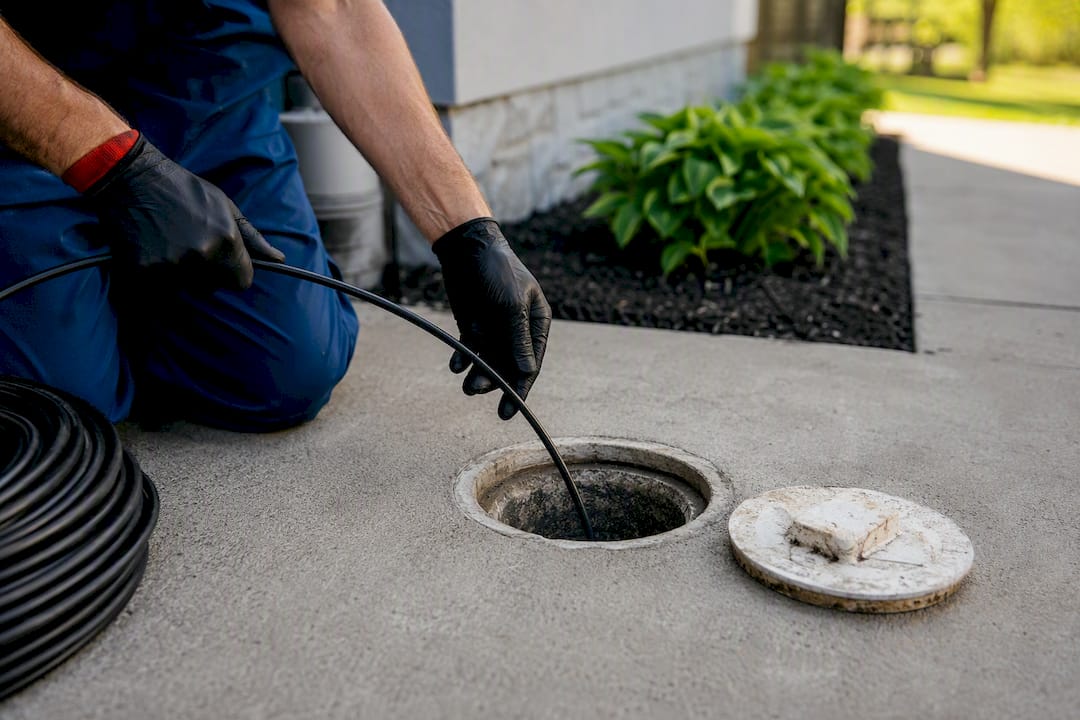
If your home has multiple slow or backed-up drains, sewer odor, and soggy patches in the yard all at once, that combination points strongly toward a collapsed sewer line rather than a simple clog. Stop using water on affected fixtures, and schedule a sewer camera inspection right away. If sewage is actively pooling in your yard or backing into your home, call an emergency plumber immediately instead of waiting.
TL;DR:
- Multiple slow drains combined with persistent sewage odors clearly indicate a main-line failure requiring immediate camera inspection.
- Recurring clogs after professional cleaning often signal structural damage rather than simple blockages, making inspection essential before further repairs.
- Visible sewage pooling in the yard or soft ground can reveal a complete pipe collapse or leak, demanding urgent emergency service.
- Soil patches that are unusually lush or soggy over the pipe suggest underground sewage leaks caused by a broken or collapsed sewer line.
- Pipe deterioration from age, root intrusion, or external damage typically causes gradual failure, while external impacts lead to sudden pipe collapses needing full replacement.
Table of Contents
- Collapsed Sewer Line Signs Every Homeowner Should Recognize
- What Actually Causes a Sewer Line to Collapse
- The Diagnostics That Confirm a Collapsed Sewer Line
- Matching the Repair to What the Camera Shows
- How AG Heating, Cooling & Plumbing Handles a Suspected Collapse
- Get a Camera Inspection Before You Dig
- Sources
- FAQ
Collapsed Sewer Line Signs Every Homeowner Should Recognize
A single slow drain usually means a local clog. A collapsed sewer line behaves differently. It affects more than one fixture at once, and the pattern tends to get worse instead of better after you clean it. Here’s what actually points to main-line failure, ranked roughly by how urgent each one is.
1. Multiple drains slow or backing up at the same time. If your kitchen sink, bathtub, and toilet all drain sluggishly on the same day, they’re likely sharing one blocked or collapsed pipe downstream. A single-fixture clog almost never spreads across a house this fast. This is one of the clearest signs of collapsed sewer line trouble homeowners report.
2. Frequent, severe backups at your lowest fixtures. Basement floor drains and basement toilets sit at the lowest point in your plumbing system, so they back up first and worst when the main line can’t carry water away. If your basement floor drain gurgles or overflows every time you run the washing machine upstairs, treat that as high urgency.
3. Gurgling, bubbling, or belching sounds from toilets and drains. These noises happen when air gets trapped behind a partial blockage or a collapsed section and has nowhere to go except back up through the water in your toilet bowl. Practitioners flag toilet gurgling that happens whenever another fixture runs as one of the three most reliable early warning signs of a failing sewer line.
4. Persistent sewer odors inside the house or in the yard. A whiff after heavy rain is common and often harmless. A sewer smell that lingers in a bathroom, basement, or along one stretch of your lawn regardless of weather usually means gas is escaping through a break in the pipe.
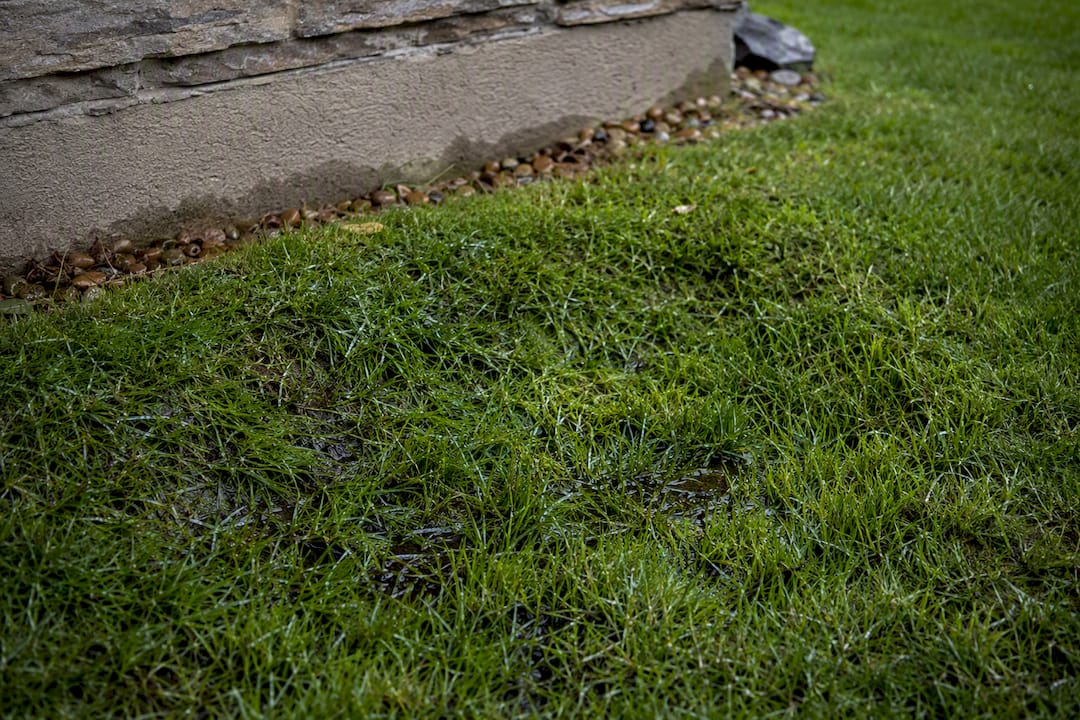
5. Soggy, unusually green patches, soft ground, or small sinkholes. Sewage leaking underground acts like fertilizer, so grass over a broken sewer line often grows greener and thicker than the surrounding lawn. Soft, sunken, or spongy ground along your line’s path can mean soil has washed into the void left by a collapsed pipe.
6. Clogs that return within days or weeks of professional cleaning. This is the pattern homeowners misread most often. Snaking or hydro-jetting clears a symptom, not necessarily the cause, and practitioners warn that recurring blockages after cleaning usually signal structural damage rather than a simple clog. If your plumber has cleared the same line twice in two months, ask for a camera scope before a third visit.
7. Visible sewage or standing wastewater in your yard or drains. This is an emergency, full stop. Wastewater pooling on the surface means the pipe has likely lost enough structural integrity to leak directly into the soil.
8. Rodents, insects, mold, or unexplained dampness. Cracked or collapsed sewer pipes create warm, moist voids underground that attract rodents and insects, and moisture wicking up through a foundation can show up as mold in a basement with no other obvious water source.
To tell a fixture-level clog from main-line failure, run water in one fixture at a time and watch the others. If flushing the toilet makes the tub gurgle, the problem sits downstream in the shared line, not in either fixture. According to a common practitioner checklist, multiple slow drains, sewage odor, and low-fixture backups together are strong enough evidence to justify a camera inspection even before you see anything outside.

Pro Tip: Keep a simple log for a week: which fixtures act up, what time, and whether it followed rain or heavy laundry days. That pattern tells a plumber more in thirty seconds than a verbal description ever will.
What Actually Causes a Sewer Line to Collapse
Sewer pipes fail for a handful of predictable reasons, and the cause usually shapes both the symptom pattern and the eventual repair.
- Age and material. Clay tile and cast iron pipes installed before the 1970s were built to last decades, not forever, and both materials become brittle or corrode from the inside over time. Modern PVC handles soil movement and chemical exposure far better, which is part of why older neighborhoods report collapse more often.
- Tree roots and joint separation. Roots seek out the moisture inside a pipe and work into joints, prying sections apart. This usually causes a slow, worsening pattern of recurring clogs rather than a sudden failure.
- Corrosion, groundwater, and soil movement. Shifting or saturated soil can create a “belly,” a low sag in the line where waste and debris collect. A pipe can degrade gradually for years before a section finally gives way all at once.
- External damage. Heavy equipment, nearby construction, or utility work can crush or shear a pipe outright, producing sudden, severe symptoms with no slow buildup.
A peer-reviewed review of rigid sewer pipe deterioration notes that construction features and local external conditions both drive structural failure, and that full collapse typically happens once a pipe loses enough cross-sectional area and surrounding soil support to hold its shape. Root-driven and corrosion-driven collapses tend to respond well to trenchless lining. Crushed or missing sections from external damage usually require full replacement instead.
The Diagnostics That Confirm a Collapsed Sewer Line
Symptoms tell you something is wrong. A sewer camera (CCTV) inspection tells you exactly what and where. A trained technician feeds a waterproof camera through the cleanout and down the line, recording footage that shows:
- Cracks, fractures, and pipe misalignment
- Corrosion and material breakdown inside cast iron or clay pipe
- Root masses growing through joints or cracks
- Bellies where the pipe has sagged and collects standing water
- Full collapses where the pipe has lost its round shape entirely
Other diagnostics fill in gaps a camera alone can’t show. Smoke testing pushes non-toxic smoke through the system to find leaks in vent stacks or hidden breaks. Dye or tracer tests confirm where wastewater is actually surfacing when a break’s exact location is unclear. Hydrostatic or pressure tests check whether a section holds water under pressure, which matters most for newer pipe suspected of a small crack rather than a full collapse.
Camera footage before any digging matters because excavation without it is a guess, and a wrong guess means paying to dig up the wrong section of yard. Before your plumber breaks ground, ask directly: will you scope the line first? Will you show me the footage? Can you mark the depth and location of the damage? A straight answer to all three is a good sign you’re working with someone who diagnoses before they dig.
Most residential camera inspections take under an hour once the technician locates your cleanout, and homeowner prep is minimal: just make sure the cleanout access isn’t buried under mulch, a deck, or a parked car.
Matching the Repair to What the Camera Shows
The camera footage decides the repair, not the other way around. Here’s how the options break down.
- Hydro-jetting or professional snaking clears non-structural blockages like grease buildup, minor root intrusion, or sludge. If the camera shows a clean, intact pipe after cleaning, you’re done.
- Trenchless lining (CIPP) inserts a resin-saturated liner inside the existing pipe and cures it in place, effectively creating a new pipe within the old one. It’s the right call for cracked, root-damaged, or corroded pipe that still holds its basic shape, and a well-installed liner can last for decades with minimal digging.
- Pipe bursting or open trench replacement becomes necessary when the pipe is crushed, fully collapsed, or missing enough material that a liner has nothing to bond to. This is more disruptive and more expensive, but it’s the only real fix for a pipe that’s structurally gone.
If sewage is actively backing up right now, stop running water in every fixture in the house. Locate your main cleanout, which is often a capped pipe near your foundation, and leave it accessible for the technician. Then call for emergency service rather than waiting for a scheduled slot. Learn more about locating and documenting your cleanout before the crew arrives, since faster access means a faster diagnosis.
Pro Tip: Never let a plumber quote a full replacement price without showing you camera footage first. A quote based on symptoms alone, without a scope, is a quote based on guesswork.
How AG Heating, Cooling & Plumbing Handles a Suspected Collapse
After 30 years working sewer lines across Pittsburgh, I’ve watched too many homeowners pay for excavation they didn’t need because nobody scoped the line first. Our approach at AG Heating, Cooling & Plumbing starts with a camera, not a shovel. We show you the footage, walk through what it means, and itemize cost and disruption for every viable repair before any digging begins.
Before your visit, locate your cleanout, jot down which fixtures act up and when, and snap photos of any soggy or discolored patches outside. That handful of details often cuts diagnostic time in half.
— Maayan
Get a Camera Inspection Before You Dig
Ag-plumbing is the straightforward alternative to guessing your way through a sewer problem: instead of quoting a repair off symptoms alone, we scope the line first and show you exactly what’s wrong before anyone touches a shovel.

Our crews handle sewer camera inspections, hydro-jetting, trenchless lining, and full replacement services. On a first visit, expect scope footage of the actual damage, a clear explanation of where the problem sits and how bad it is, and a written repair recommendation with pricing details. If the camera shows a clean pipe and a cleared clog, that’s the whole job, and you pay for exactly that. If you’re seeing any of the warning signs covered above, schedule a plumbing repair visit and get a real answer instead of a guess.
Sources
FAQ
Who is responsible for a collapsed sewer line?
Homeowners are usually responsible for the private lateral line running from the house to the municipal connection, while the city or utility typically owns the main line under the street. Check your local water authority’s policy, since the exact boundary varies by municipality.
Does homeowners insurance cover a collapsed sewer pipe?
Standard homeowners insurance usually excludes sewer line collapse caused by age, wear, or root intrusion, though some policies offer optional “service line” or “sewer backup” endorsements that cover it. Review your specific policy or call your insurer before assuming coverage either way.
Will a collapsed sewer line still drain?
A partially collapsed line may still allow some water through, which is why symptoms often start as slow drains rather than a complete stoppage. A fully collapsed section blocks flow entirely and typically causes backups at your lowest fixtures first.
Why would a sewer line collapse?
Sewer lines usually collapse from aging or brittle materials, root intrusion at pipe joints, corrosion, soil movement, or external damage from construction or heavy equipment. A sewer camera inspection is the only reliable way to identify which of these caused a specific collapse.
Recommended
- Homeowners: Find and Document Sewer Cleanout 3–5 ft From Foundation
- Clear Sewer Line Blockages: 2026 Homeowner’s Guide
- Sewer Line Warning Signs Every Homeowner Should Know
- Your Top Sewer Line Repair Options, Explained Clearly
