
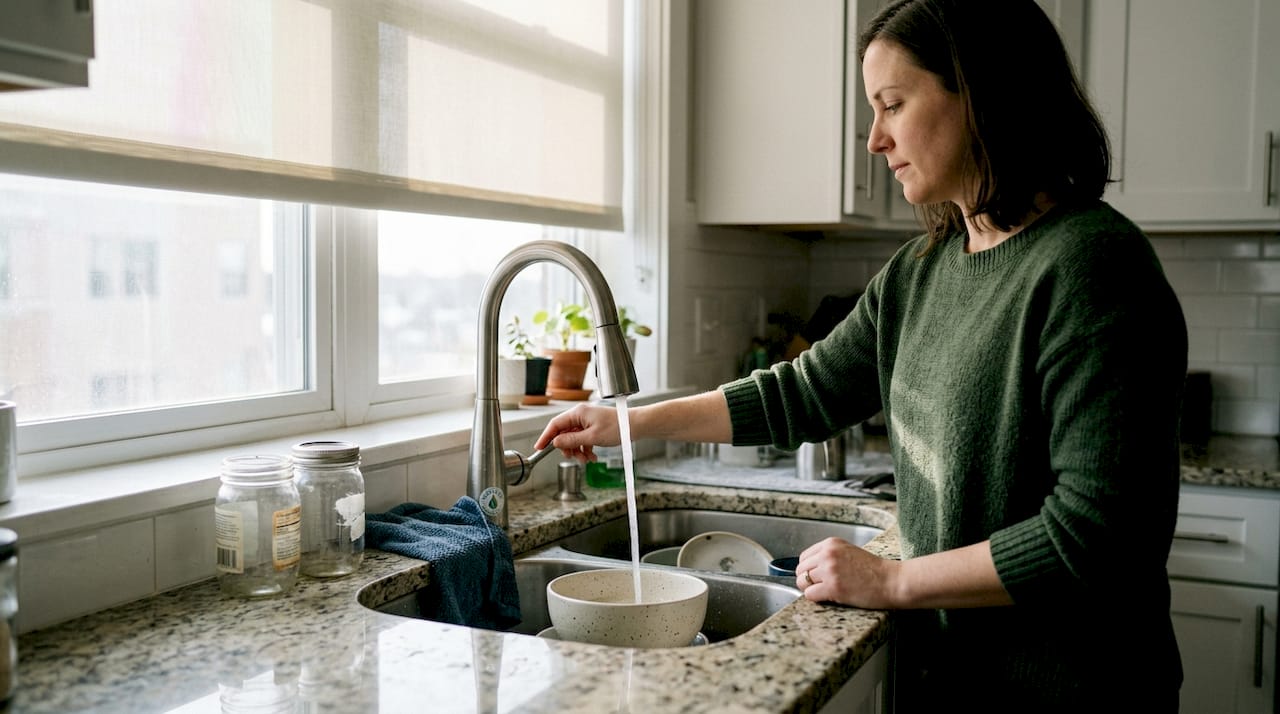
Water bills in Pittsburgh have climbed steadily, and many homeowners are searching for real solutions beyond just shorter showers. Low-flow plumbing offers a practical, proven path to cutting water use without sacrificing comfort. EPA WaterSense certified fixtures use at least 20% less water than standard models while maintaining strong performance. In this guide, we break down exactly what low-flow plumbing means, how the technology works, what you can realistically save, and how Pittsburgh-specific programs can help you get started without breaking the bank.
Table of Contents
- What is low-flow plumbing? Understanding the basics
- How do low-flow fixtures work? Common technologies and mechanics
- Standard vs. low-flow fixtures: What’s the real difference?
- Upgrading to low-flow plumbing in Pittsburgh: What to expect
- Nuances and edge cases: What every homeowner should know
- A Pittsburgh plumber’s perspective: What most guides miss about low-flow upgrades
- Get help with your Pittsburgh low-flow plumbing upgrade
- Frequently asked questions
Key Takeaways
| Point | Details |
|---|---|
| Lower water bills | Low-flow fixtures can cut your home’s water use and utility costs by up to 40%. |
| Performance guaranteed | Modern low-flow plumbing maintains pressure and comfort when certified by WaterSense. |
| Local programs save you more | Pittsburgh offers free upgrades for eligible homeowners, increasing your return on investment. |
| DIY vs. pro installs | Simple fixtures can be upgraded yourself, but toilets and advanced setups need a professional. |
| Watch for special cases | Multi-head showers and hard water require extra care to get the best results from low-flow plumbing. |
What is low-flow plumbing? Understanding the basics
Low-flow plumbing refers to fixtures engineered to deliver the same function as standard models while using significantly less water. Think toilets, showerheads, bathroom faucets, kitchen faucets, and urinals. Each of these has been redesigned at the engineering level to move less water per use or per minute without making you feel like you’re getting less.
The gold standard for identifying these products is the EPA WaterSense standards certification. A WaterSense label means the fixture uses at least 20% less water than the federal standard and has been independently tested to confirm it still performs well. That last part matters. A fixture that saves water but leaves you rinsing dishes twice defeats the purpose.
Here’s a quick comparison of flow rates between standard and low-flow fixtures:
| Fixture | Standard flow rate | Low-flow rate |
|---|---|---|
| Toilet | 1.6 gallons per flush | 1.28 gallons per flush |
| Showerhead | 2.5 gallons per minute | 2.0 gallons per minute |
| Bathroom faucet | 2.2 gallons per minute | 1.5 gallons per minute |
| Kitchen faucet | 2.2 gallons per minute | 1.8 gallons per minute |
The savings add up fast when you consider how often each fixture runs in a household of four. Common low-flow fixture types include:
- WaterSense toilets with optimized trapways
- Aerating showerheads that mix air with water
- Low-flow faucet aerators for bathroom and kitchen sinks
- Dual-flush toilets with separate buttons for liquid and solid waste
“Low-flow plumbing fixtures use at least 20% less water than the federal standard and are usually certified under EPA WaterSense.”
Beyond conservation, these fixtures support improving energy efficiency across your home since less hot water used means lower water heating costs too. That’s a benefit many homeowners overlook entirely.
How do low-flow fixtures work? Common technologies and mechanics
Understanding what qualifies as low-flow is one thing. Knowing how these fixtures actually work helps you trust that switching won’t mean a weak shower or a toilet that needs two flushes.
The technology behind low-flow fixtures is more sophisticated than most people realize. According to fixture flow standards, low-flow fixtures use aerators, flow restrictors, optimized trapways, and dual-flush technology to save water while maintaining performance. Here’s how each approach works in practice:
- Aerators: These small mesh screens screw onto faucet tips and mix air into the water stream. The result feels like full pressure but uses far less water. You’ve probably used one without knowing it.
- Pressure-compensating flow restrictors: These devices adjust water flow based on incoming pressure. Whether your home pressure runs high or low, the output stays consistent and comfortable.
- Optimized toilet trapways: The internal shape of low-flow toilets is engineered to move waste more efficiently with less water, reducing the need for high-volume flushes.
- Dual-flush mechanisms: Two flush options let you choose a lighter flush for liquid waste and a full flush only when needed. This alone can cut toilet water use by 20% or more.
One concern we hear often from Pittsburgh homeowners is whether low-flow means low pressure. It doesn’t. The technologies above are specifically designed to maintain the feeling of strong water flow. Upgrading to a quality low-flow showerhead can actually feel better than your current setup if your existing one is outdated.
For more on how these upgrades connect to overall bathroom comfort improvements, modern fixture choices go hand in hand with a better daily experience.
Pro Tip: Always look for fixtures with the WaterSense label or an equivalent third-party certification. Generic “low-flow” labels without certification can mean inconsistent performance and questionable savings.
Standard vs. low-flow fixtures: What’s the real difference?
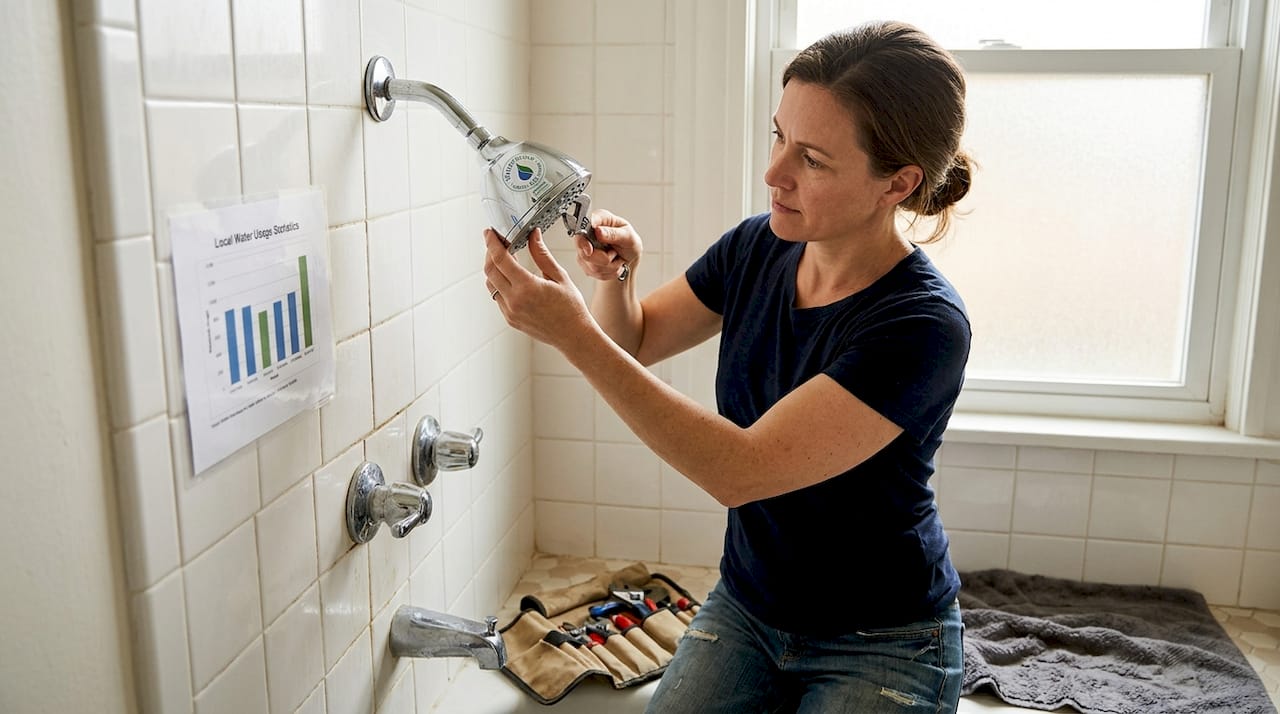
Now that you understand the mechanics, let’s get practical. Here’s a direct comparison of flow rates between standard and low-flow options, followed by some common myths worth clearing up.
| Fixture | Standard | Low-flow | Savings potential |
|---|---|---|---|
| Toilet | 1.6 gpf | 1.28 gpf | Up to 20% per flush |
| Showerhead | 2.5 gpm | 2.0 gpm | Up to 20% per shower |
| Lav faucet | 2.2 gpm | 1.5 gpm | Up to 32% per use |
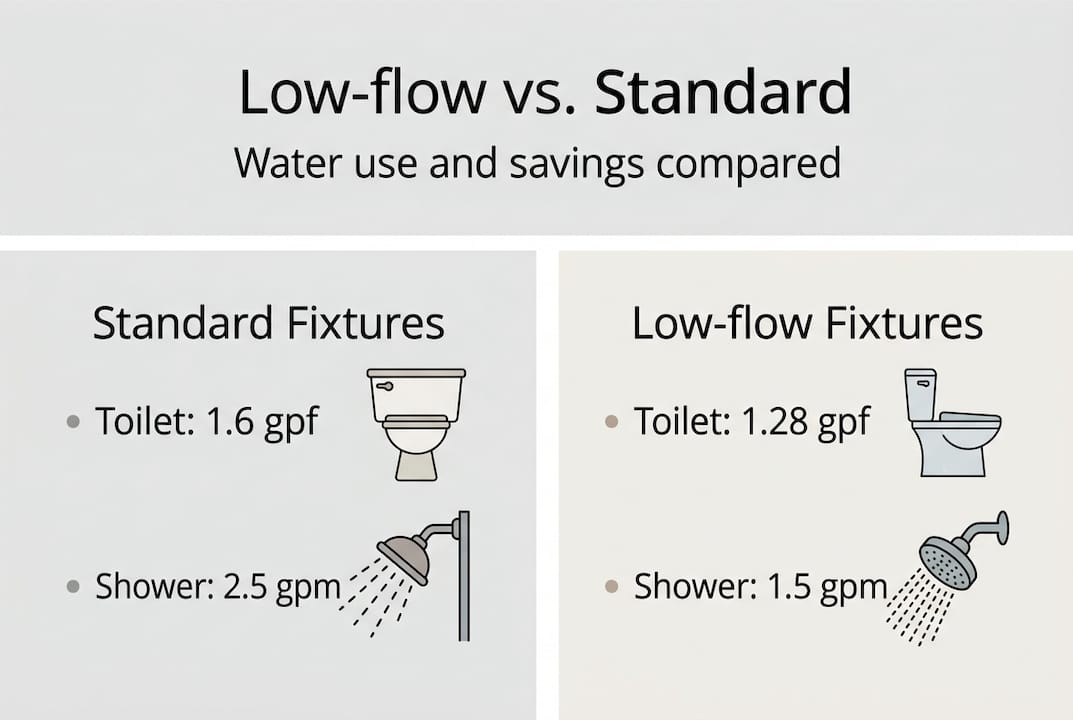
Low-flow fixture standards confirm these numbers, and the cumulative effect across a full household is significant. For a typical Pittsburgh home, switching all major fixtures can translate to 20,000 or more gallons saved per year.
Myth vs. reality for Pittsburgh homeowners:
- Myth: Low-flow means low pressure. Reality: Aerators and flow restrictors maintain a strong, comfortable stream.
- Myth: The upfront cost is too high. Reality: Most fixtures pay for themselves within one to two years through bill savings.
- Myth: They require special maintenance. Reality: Low-flow fixtures need no more upkeep than standard ones, and often less.
- Myth: All low-flow products are the same. Reality: Quality varies widely. Certified products outperform uncertified ones every time.
Stat to know: Modern low-flow fixtures can save 20 to 40% of indoor water use, though upfront costs vary by product and installation complexity.
For context on what repairs might be needed before upgrading, reviewing common plumbing repairs in Pittsburgh homes is a smart first step. Leaky supply lines or worn valves can undermine any efficiency gains from new fixtures.
Upgrading to low-flow plumbing in Pittsburgh: What to expect
Knowing the differences is one thing. Actually making the switch involves a few local considerations that most general guides skip over entirely.
First, Pittsburgh homeowners should know about PWSA assistance. The Pittsburgh Water and Sewer Authority offers free installation of low-flow toilets, showerheads, and aerators for eligible low-income households. If you qualify, this removes the upfront cost entirely. Check the PWSA website directly to see current eligibility requirements and how to apply.
For those who don’t qualify for free fixtures, Allegheny County has offered low-interest loan programs for home efficiency upgrades in the past. It’s worth checking with local housing organizations for current options.
When it comes to DIY versus hiring a pro, EPA guidance is clear: aerator and showerhead swaps are DIY-friendly for most homeowners, but toilet replacements and anything involving supply line work benefit from professional expertise.
Here’s a practical upgrade checklist for Pittsburgh homeowners:
- Start with aerators. They cost under $10 and take five minutes to install.
- Replace showerheads next. Look for WaterSense models rated at 2.0 gpm or less.
- Plan toilet replacement carefully. Measure your rough-in distance before purchasing.
- Schedule an annual plumbing inspection to identify hidden leaks that offset your savings.
- Use a plumbing maintenance checklist to track upgrades and stay ahead of issues.
Pro Tip: Pittsburgh’s water supply can be moderately hard. Clean your faucet aerators every three to six months to prevent mineral buildup that reduces flow and defeats the purpose of the upgrade.
“Starting with aerators and showerheads gives you the fastest payback and the lowest risk. Save the toilet swap for when you have a pro on-site.”
Nuances and edge cases: What every homeowner should know
Even well-planned upgrades can run into surprises. A few advanced considerations will help you avoid the most common pitfalls.
Multi-head showers are a common trap. If you’re planning a bathroom renovation with multiple showerheads or body sprays, know that combined flow compliance applies to the total output of all heads running simultaneously. Some states require the combined flow to stay under a set limit. Even if Pittsburgh doesn’t currently enforce the strictest state-level codes, designing a multi-head system that runs 8 gpm total undermines every other low-flow effort in your home.
Situations to watch for when upgrading:
- Hard water mineral deposits clogging aerators within months of installation
- Older supply lines with pressure issues that make low-flow fixtures feel worse than they should
- Uncertified products sold as low-flow without independent testing
- Multi-head shower systems that exceed combined flow limits
- Incompatible toilet flanges that require additional work during replacement
It’s also worth understanding the difference between certification labels. WaterSense is the EPA’s program and is widely recognized. MaP (Maximum Performance) testing specifically measures toilet flushing performance. Some states have stricter codes than federal minimums. When choosing plumbing materials for your Pittsburgh home, matching the right certification to the right fixture type makes a real difference in long-term satisfaction.
“The biggest regret we see is homeowners buying uncertified fixtures to save $20 upfront, then calling us six months later because the toilet needs two flushes every time.”
A Pittsburgh plumber’s perspective: What most guides miss about low-flow upgrades
After 30 years working in Pittsburgh homes, we’ve seen the full range of low-flow upgrade outcomes. Here’s what standard guides consistently miss.
The single biggest mistake isn’t skipping upgrades entirely. It’s buying the wrong product. Not every fixture labeled “low-flow” is created equal. We’ve replaced uncertified toilets that used more water than advertised and showerheads that clogged within a year from mineral buildup. WaterSense certification isn’t just a nice label. It’s the only reliable indicator that a product has been independently tested and will actually perform as promised.
We also see homeowners focus entirely on fixture cost while ignoring the condition of their existing plumbing. A new low-flow toilet installed on a corroded flange or connected to a leaking supply line will never deliver the savings you expect. Looking at real repair examples from Pittsburgh homes shows how often hidden issues quietly drain water and money.
Spending a bit more on a certified product and a professional installation pays off faster than most homeowners expect.
Pro Tip: Schedule a plumbing inspection before upgrading. It takes the guesswork out of which fixtures will actually move the needle on your water bill.
Get help with your Pittsburgh low-flow plumbing upgrade
Ready to stop guessing and start saving? AG Heating, Cooling & Plumbing has helped Pittsburgh homeowners navigate low-flow upgrades for 30 years, and we know exactly what works in local homes.
Whether you need a quick aerator swap, a full toilet replacement, or a whole-home assessment, our team ensures every fixture is properly installed and fully compliant. We handle the details so you get the savings without the headaches. Explore our professional plumbing repair services or browse our full list of essential plumbing services to find the right fit for your home. Contact us today for a free estimate and take the first step toward lower water bills.
Frequently asked questions
What are the main benefits of switching to low-flow plumbing?
Modern low-flow fixtures can save 20 to 40% of indoor water use, which directly cuts your utility bills. Pittsburgh homeowners may also qualify for free fixture installation through PWSA assistance programs.
How do I know if a fixture is truly low-flow?
Look for the EPA WaterSense label, which certifies that the product meets both low-flow and high-performance standards through independent testing. Generic “low-flow” claims without this label offer no performance guarantee.
Can I install low-flow fixtures myself or do I need a plumber?
Aerators and showerheads are easy DIY upgrades for most homeowners, but toilet replacements and supply line work typically require a licensed plumber to avoid leaks and ensure proper fit.
Are there any programs in Pittsburgh to help lower the cost of upgrading?
Yes. PWSA offers free installation of low-flow toilets, showerheads, and aerators for eligible low-income households, and additional loan or rebate options may be available through local housing programs.
Will my water pressure be lower if I switch to low-flow fixtures?
No. Modern low-flow fixtures use aerators and pressure compensation to maintain a strong, comfortable flow, so daily use feels the same or better than older standard fixtures.
Recommended
- How plumbing improves energy efficiency and cuts costs – AG-Plumbing
- Heating, Cooling & Plumbing Services Pittsburgh, PA
- Common Plumbing Issues in PA: 30% Water Loss & Repair Savings – AG-Plumbing
- Maximize bathroom comfort: role of plumbing in Pittsburgh 2026 – AG-Plumbing
