
TL;DR:
- A slab leak is a hidden pipe failure beneath a home’s foundation that can cause extensive damage if not addressed early. Detection requires specialized tools like acoustic devices and thermal imaging, and repairs vary from simple spot fixes to complete pipe replacement. Insurance typically covers sudden leaks and tear-out costs but not gradual wear or pipe repairs.
A slab leak is defined as a crack, pinhole, or rupture in a pressurized water supply line or drain pipe located within or beneath a home’s concrete foundation. Water escapes silently, often for weeks before you notice anything wrong. The damage it causes, from eroded soil to cracked walls, can cost far more to fix than the leak itself. Recognizing the signs early and understanding your repair options are the two most important things you can do as a homeowner.
What is a slab leak and how does it form under your foundation?
A slab leak forms when a pipe buried beneath your concrete foundation fails. The failure can be a slow pinhole or a sudden rupture, but the result is the same: water under pressure escapes into the ground or up through the slab. Because the pipe sits inside or directly under concrete, the leak is completely hidden from view.
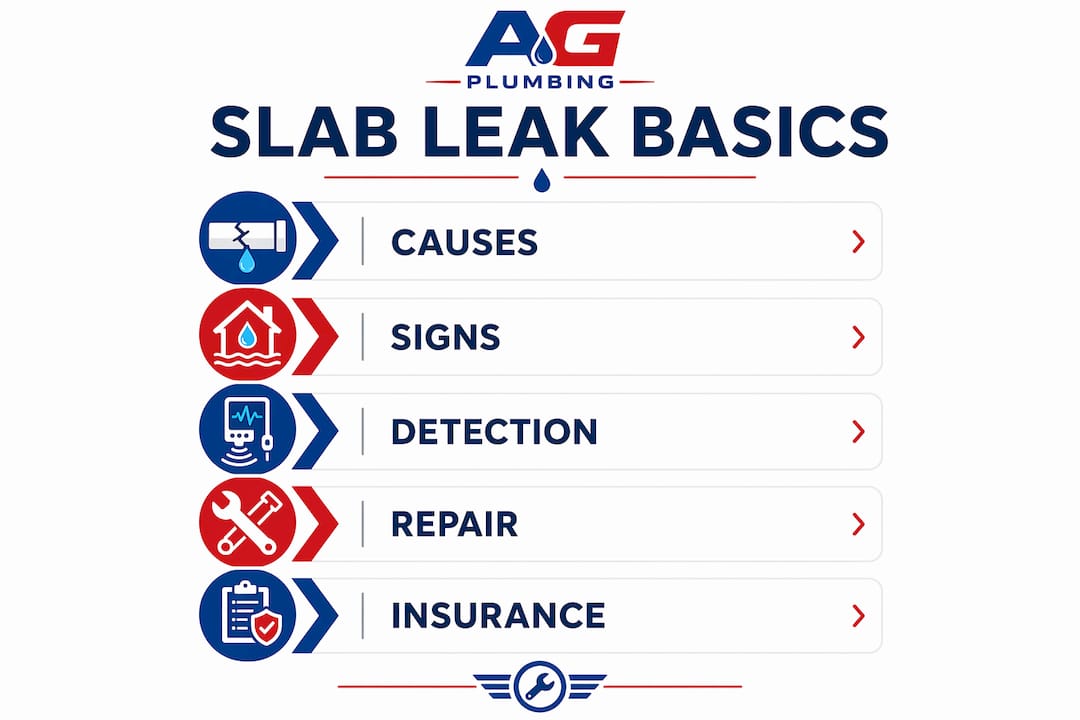
Slab leaks typically result from four root causes: shifting soil, pipe corrosion, poor installation, and high water pressure. Each one stresses the pipe differently, but all four can produce the same outcome. Understanding which factor applies to your home helps determine the right repair approach.
The industry term for this problem is a “foundation leak” or “under-slab leak,” though “slab leak” is the phrase most homeowners and plumbers use in everyday conversation. Both terms refer to the same condition.
What causes slab leaks to develop?
Several factors work together over time to weaken pipes beneath a slab. The most common causes fall into these categories:
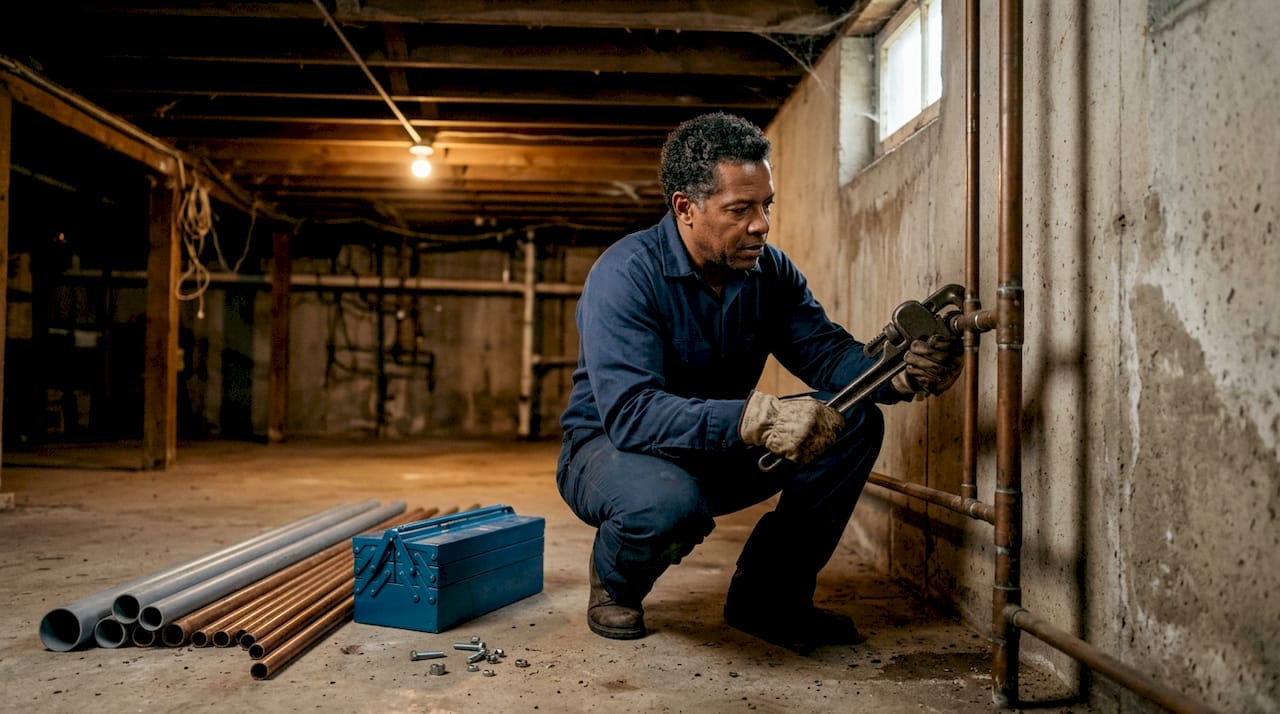
- Soil movement. Expansive clay soils and ground settling shift the earth around your pipes. That movement creates friction and bending stress on rigid copper or galvanized steel lines.
- Pipe corrosion. Acidic soil reacts with copper pipes, accelerating corrosion from the outside in. Galvanized steel corrodes from the inside out as mineral deposits build up over decades.
- High water pressure. Residential water pressure above 80 PSI puts constant stress on pipe joints and fittings. Over time, that stress causes small cracks at connection points.
- Poor installation. Pipes installed with sharp bends, inadequate support, or improper fittings wear out faster. Construction defects often show up as leaks within the first 10 years of a home’s life.
- Pipe age and material. Copper pipes in homes built before 1970 are particularly vulnerable. Older galvanized pipes corrode faster than modern cross-linked polyethylene (PEX) alternatives.
Pro Tip: If your home was built before 1980 and still has its original plumbing, schedule a pressure test with a licensed plumber. Catching early corrosion before it becomes a slab leak saves thousands in repair costs.
What are the signs of a slab leak you should watch for?
The most reliable early warning sign of a slab leak is a sudden, unexplained spike in your water bill. If your usage has not changed but your bill jumps significantly, water is escaping somewhere in your system. A slab leak is one of the most common culprits.
Other signs to watch for include:
- Warm or damp spots on floors. A hot water line leaking beneath a tile or hardwood floor warms the surface above it. Cold water leaks create damp patches or soft spots in flooring.
- Sound of running water. If you hear water moving when every fixture in the house is off, that sound is coming from a pressurized leak somewhere in the system.
- Reduced water pressure. Water escaping through a crack before it reaches your fixtures lowers the pressure at your faucets and showerheads.
- Cracks in walls or baseboards. Water saturating the soil beneath your slab causes the foundation to shift. That movement shows up as new cracks in drywall, tile grout, or baseboards.
- Mold or musty odors. Persistent moisture beneath a slab creates ideal conditions for mold growth. A musty smell near the floor, especially in a bathroom or kitchen, warrants investigation.
Knowing how to identify slab leaks early prevents the kind of structural damage that turns a plumbing repair into a full foundation project. Experts warn that continuous pressurized leaks erode the soil beneath your foundation long before visible signs appear on the surface.
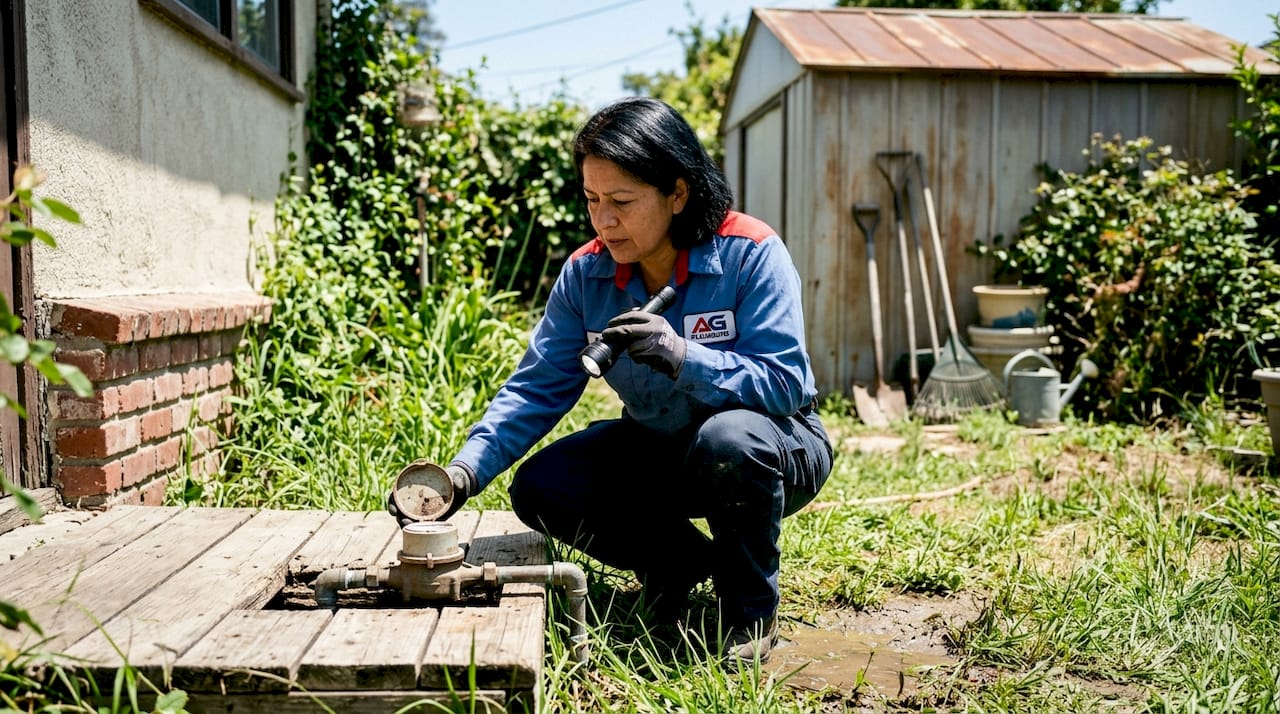
Pro Tip: Turn off every fixture in your home, then check your water meter. If the dial is still moving, you have an active leak somewhere in the system. This simple test takes two minutes and can confirm a problem before you call a plumber.
How do professionals detect a slab leak?
Professional slab leak detection relies on non-invasive technology to locate a leak without tearing up your floor. Detection methods include acoustic listening devices, infrared cameras, thermal imaging, and pressure testing. Each method has a specific use case.
- Acoustic listening devices. These tools amplify the sound of water escaping under pressure. A trained technician moves the sensor across the floor to pinpoint the loudest signal, which marks the leak location.
- Thermal imaging cameras. Infrared cameras detect temperature differences in the slab surface. A hot water leak shows as a warm zone; a cold water leak shows as a cool zone against the ambient temperature of the concrete.
- Pressure testing. A plumber isolates sections of your pipe system and pressurizes them with air or water. A drop in pressure confirms a leak in that section and narrows the search area.
- 24-hour pressure hold tests. After a repair, post-repair pressure testing over a full 24-hour period confirms the fix held and that no additional leaks remain in the system.
Professional leak detection costs between $150 and $600, depending on the complexity of the job and the technology required. Standard plumbers often lack the specialized acoustic and thermal equipment needed for accurate under-slab detection. Always hire a technician with specific slab leak experience, not just a general plumber.
What repair options are available for slab leaks?
Repair costs and methods vary significantly based on the leak’s location, severity, and your home’s pipe material. The table below outlines the three main approaches.
| Repair Method | Description | Typical Cost Range | Best For |
|---|---|---|---|
| Spot repair | Plumber cuts through concrete directly above the leak and repairs the damaged section | $1,500–$3,000 | Single, clearly located leaks |
| Pipe rerouting | New pipe is run through walls, attic, or crawl space to bypass the damaged section entirely | $3,000–$8,000 | Leaks in hard-to-access areas |
| Full repiping | All pipes are replaced, either through the slab or rerouted above it | $8,000–$15,000+ | Aging systems with recurring leaks |
The repair workflow follows a consistent sequence: detection, plumbing repair or reroute, then surface restoration. That last phase, concrete cutting, floor matching, and drywall repair, is where many homeowners get surprised. Secondary restoration costs frequently exceed the plumbing repair itself and can extend the project timeline by days or weeks.
Coordinating trades matters here. Your plumber handles the pipe work, but a concrete contractor, flooring installer, and possibly a drywall crew each handle their own scope. Get all three quotes before the project starts so the total budget is clear from day one. Some detection companies credit their fee toward the repair if you hire them for both services.
For Pittsburgh homeowners dealing with urgent plumbing failures, understanding the full repair scope before work begins prevents budget surprises mid-project.
What insurance coverage applies to slab leaks?
Homeowners insurance covers slab leaks selectively. The key distinction is between sudden damage and gradual wear.
- Sudden and accidental leaks. Most standard policies cover water damage caused by a sudden pipe failure. If a pipe bursts unexpectedly, your insurer will likely pay for the resulting water damage.
- Wear and tear exclusions. Insurance rarely covers pipe repairs classified as gradual deterioration or wear and tear. The plumbing repair itself is almost always your expense.
- Tear-out coverage. Most policies do cover the cost of cutting through concrete or flooring to access the damaged pipe. That is a meaningful benefit, since demolition alone can cost several thousand dollars.
- Mold exclusions. Mold damage is often excluded unless it results directly from a covered sudden event. A slow leak that caused mold over months will likely not be covered.
- Service line endorsements. Checking for service line coverage in your policy or as an add-on endorsement can help cover pipe repair costs that standard policies exclude.
Document everything before repairs begin. Photograph the damage, get the plumber’s written assessment, and file your claim before any demolition starts. Insurers require evidence of the original condition to process claims accurately.
For a broader look at why early leak repair protects both your home and your insurance position, the timing of your response matters as much as the repair itself.
Key Takeaways
A slab leak is a hidden pipe failure beneath your foundation that demands fast action, professional detection, and a realistic budget that covers both plumbing and surface restoration.
| Point | Details |
|---|---|
| Clear definition | A slab leak is a pipe failure beneath your concrete foundation, not a surface plumbing problem. |
| Act fast | Pressurized leaks erode foundation soil before visible damage appears, making speed critical. |
| Use specialized detection | Acoustic devices and thermal imaging locate leaks without tearing up your floor unnecessarily. |
| Budget for restoration | Secondary costs like concrete, flooring, and drywall repair often exceed the plumbing repair itself. |
| Check your insurance | Most policies cover tear-out and sudden damage but exclude the pipe repair and gradual wear. |
What 30 years of slab leaks taught me about homeowner mistakes
The most expensive mistake I see homeowners make is waiting. A slab leak does not announce itself dramatically. It whispers through a slightly higher water bill or a faint warm spot on the kitchen floor. By the time a crack appears in the baseboard, the soil beneath the foundation has often been eroding for months.
The second mistake is hiring the wrong professional. Standard plumbers do not always carry acoustic listening equipment or thermal cameras. Detection requires specialized tools and the training to interpret what those tools find. Choosing a plumber based on price alone, without confirming they have slab leak detection experience, often means paying twice: once for a guess and once for the actual fix.
The third mistake is underestimating the total project cost. Homeowners budget for the plumbing repair and forget that concrete, flooring, and drywall each require their own contractor. A $3,000 spot repair can become a $7,000 project once restoration is complete. Getting a full plumbing and restoration estimate before work starts is the single best thing you can do to protect your budget.
One thing that genuinely helps: a whole-house pressure regulator. Keeping your water pressure below 80 PSI reduces stress on every pipe in your system, including the ones buried under your slab. It costs a few hundred dollars installed and prevents far more expensive problems down the road.
— Maayan
Ag-plumbing handles slab leak detection and repair in Pittsburgh, PA
Ag-plumbing has served Pittsburgh homeowners for 30 years, and slab leaks are among the most time-sensitive calls we receive. Our team uses acoustic listening devices and thermal imaging to locate leaks without unnecessary demolition, then walks you through every repair option before a single tool touches your floor.
From spot repairs to full repiping, Ag-plumbing manages the plumbing scope and coordinates with restoration trades so you have one point of contact for the entire project. If you are seeing higher water bills, warm floor spots, or unexplained cracks in your walls, do not wait for the damage to grow. Contact Ag-plumbing for a slab leak inspection or visit ag-plumbing.com to learn more about our full range of plumbing services in Pittsburgh and the surrounding areas.
FAQ
What is a slab leak in simple terms?
A slab leak is a pipe failure inside or beneath the concrete foundation of your home. Water escapes under pressure, causing damage to the foundation, flooring, and walls.
How do I find a slab leak in my home?
Turn off all fixtures and check your water meter. If it still moves, you have an active leak. A licensed plumber with acoustic or thermal imaging equipment can pinpoint the exact location.
How much does slab leak repair cost?
Detection costs range from $150 to $600. Repairs range from $1,500 for a simple spot fix to over $15,000 for full repiping, not including surface restoration costs.
Does homeowners insurance cover slab leaks?
Most policies cover water damage from sudden leaks and the cost of tearing out concrete to access pipes. The pipe repair itself is usually excluded as wear and tear.
How long does a slab leak repair take?
The plumbing repair typically takes one to two days. Surface restoration, including concrete, flooring, and drywall, can add several more days depending on the scope of damage.
Recommended
- Why Water Leaks Matter: A Homeowner’s Guide – AG-Plumbing
- Why Prevent Water Leaks: A Pittsburgh Homeowner’s Guide – AG-Plumbing
- Leak detection in Pittsburgh: prevent costly damage – AG-Plumbing
- Why Fix Leaks Early: a Pittsburgh Homeowner’s Guide – AG-Plumbing
