
TL;DR:
- Regular maintenance extends water heater lifespan by three to five years and reduces energy use by up to 15 percent.
- Pittsburgh homeowners should flush tanks annually or semiannually if water hardness exceeds 150 ppm, inspect anode rods, and set thermostats to 120 degrees Fahrenheit.
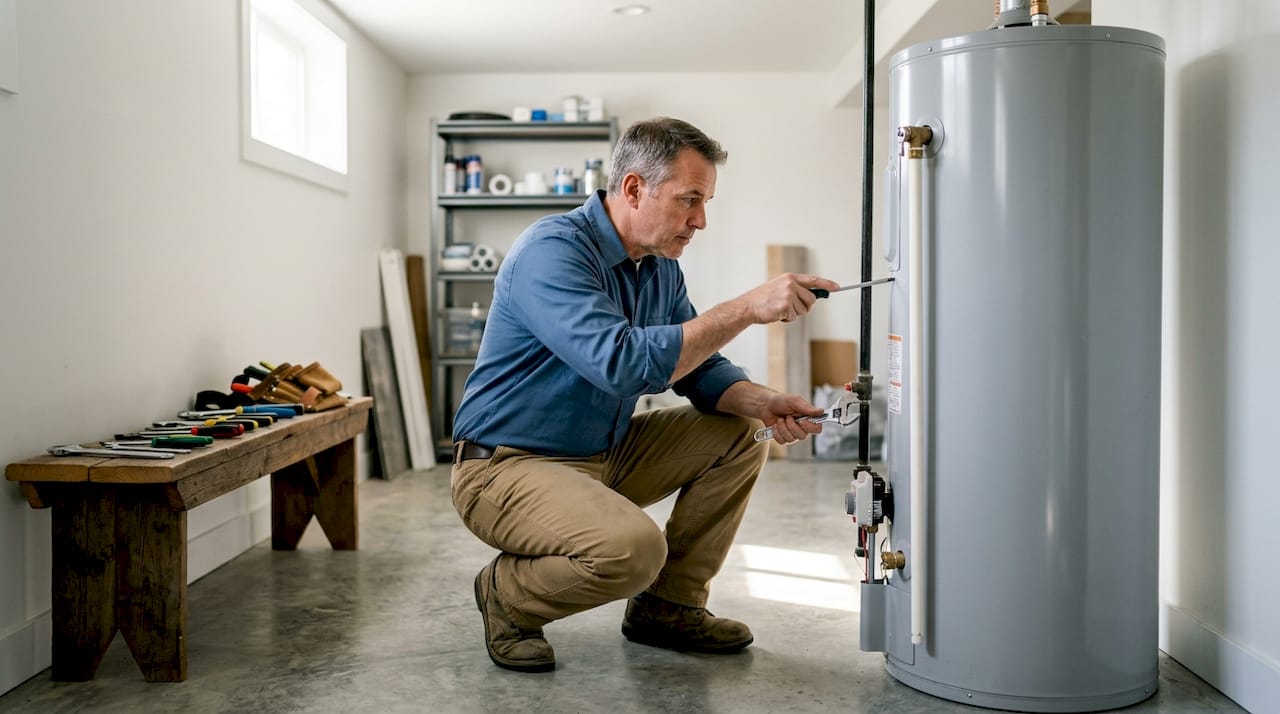
Water heater tips are the maintenance steps that keep your system safe, efficient, and running for years longer than neglected units. Regular maintenance extends lifespan by 3–5 years and cuts energy use by 10–15%. The U.S. Department of Energy recommends setting your thermostat to 120°F, a standard that balances scald prevention with real energy savings. Three components drive most of the results: the anode rod, the temperature and pressure (T&P) relief valve, and sediment flushing. Get those right, and your water heater will reward you with lower bills and fewer emergencies.
1. What are the essential water heater tips for Pittsburgh homeowners?
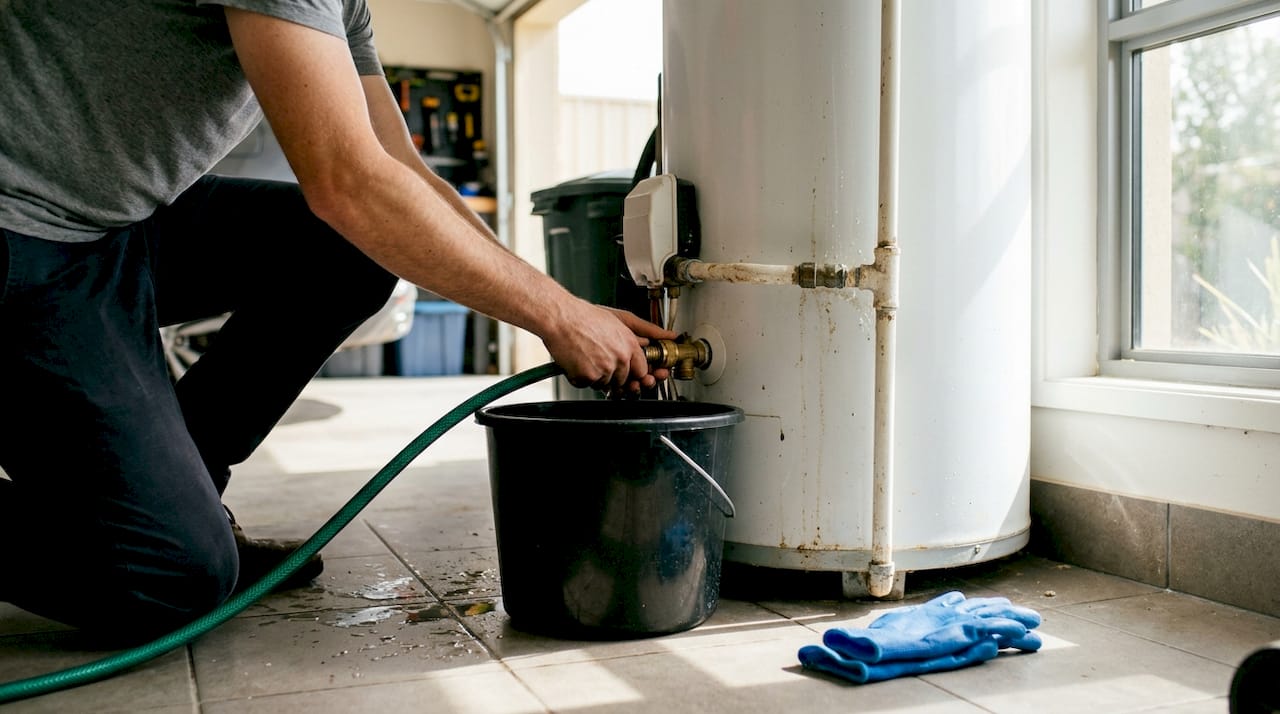
The most effective water heater maintenance tips center on four tasks: flushing the tank, inspecting the anode rod, setting the thermostat, and testing the T&P valve. Each one takes less than an hour and costs almost nothing if you already own basic tools. A full DIY tune-up runs 45–60 minutes and costs $0 in labor. Professional services typically run $150–$250 if you prefer to hand it off.
Flush the tank annually
Sediment from Pittsburgh’s water supply settles at the bottom of your tank and acts as insulation between the burner and the water. That forces the unit to work harder and shortens its life. Flush the tank once a year. If your home has hard water, flush every six months.
Inspect and replace the anode rod
The sacrificial anode rod corrodes first so the steel tank does not have to. Replace it when it is less than half an inch thick or heavily coated with calcium. Most rods need replacement every 1–3 years. Skipping this step is the single fastest way to shorten your water heater’s life.
Pro Tip: Check the anode rod every time you flush the tank. Both tasks require draining water, so combining them saves time and effort.
Set the thermostat to 120°F
Most manufacturers ship water heaters set to 140°F. Dropping to 120°F saves 6–10% on heating costs and reduces the risk of scalding. It also slows mineral scale buildup inside the tank. Find the thermostat dial on the front of a gas unit or behind the access panel on an electric model.
Test the T&P relief valve yearly
The T&P valve is your water heater’s safety release. Testing it yearly prevents dangerous pressure buildup. Lift the lever briefly and let it snap back. If it drips continuously afterward or feels stuck, replace it immediately. A failed T&P valve is a serious safety risk, not a minor inconvenience.
2. How Pittsburgh’s water quality affects your maintenance schedule
Pittsburgh’s water supply runs moderately hard, which accelerates mineral buildup inside your tank. Water hardness above 150 ppm requires flushing every six months instead of annually. That is not a suggestion. It is the difference between a tank that lasts 12 years and one that fails at 8.
Hard water leaves behind calcium and magnesium deposits that coat heating elements and line tank walls. You will hear the results before you see them. Rumbling or popping sounds during heating cycles signal that sediment has built up enough to insulate the burner. Flushing the tank usually resolves this, but sediment hardened over years of neglect may require professional descaling or full replacement.
- Check your water hardness with an inexpensive test strip from any hardware store.
- If hardness exceeds 150 ppm, move to a biannual flush schedule.
- Consider a whole-house water softener or a point-of-use filter to reduce scale.
- Heavy-use households with three or more people should flush more frequently regardless of hardness.
- Soft water corrodes anode rods faster, so inspect the rod more often if you use a softener.
Water quality also affects your anode rod replacement schedule. Softened water strips the rod more aggressively than hard water does. That means a Pittsburgh homeowner who installs a softener may need to replace the anode rod annually rather than every three years. Check it every 12 months and replace based on condition, not a fixed calendar.
3. Common water heater warning signs you should never ignore
Water heaters give silent warnings months before they fail. Catching issues early avoids costly emergency replacements. The key is knowing what to look and listen for during your monthly checks.
- Rumbling or popping sounds. Sediment is insulating the heating element. Flush the tank.
- Rusty or discolored hot water. Corrosion is active inside the tank or in the pipes. Check the anode rod first.
- Inconsistent water temperature. The thermostat or heating element may be failing.
- Leaks at the base or connections. A small drip can become a flood. Call a plumber before it worsens.
- Rotten egg smell. Sulfur bacteria are reacting with a magnesium anode rod. Replacing it with an aluminum/zinc rod neutralizes the odor and restores protection.
- T&P valve dripping continuously. The valve has failed or pressure is dangerously high. Do not ignore this.
Pro Tip: Set a monthly reminder to spend two minutes checking for leaks, unusual sounds, and odors. A simple monthly check catches most problems before they become expensive.
Many homeowners misread corrosion on the anode rod as a sign the water heater is dying. It is actually a sign the rod is doing its job. The rod is designed to corrode so the tank does not. Replace the rod and the tank stays protected. Ignore it and the tank corrodes instead.
You can find a full breakdown of common Pittsburgh water heater issues and what they mean for your specific system on the Ag-plumbing resource page.
4. How insulation and temperature control improve efficiency
Insulating your water heater and its pipes is one of the highest-return upgrades a homeowner can make without calling a plumber. Pipe insulation reduces heat loss by up to 45% and delivers hot water to your faucet 2–4 degrees warmer. That means your heater runs less often to maintain temperature.
Foam pipe insulation sleeves cost a few dollars per linear foot at any hardware store. Focus on the first 6 feet of pipe leaving the heater, both hot and cold sides. For older tanks, a fiberglass insulation blanket adds a meaningful layer of protection, but check the manufacturer’s label first. Some newer units already have adequate built-in insulation and do not need a blanket.
| Action | Benefit |
|---|---|
| Set thermostat to 120°F | Saves 6–10% on heating costs, reduces scale |
| Insulate hot water pipes | Reduces heat loss up to 45%, faster delivery |
| Add tank insulation blanket | Reduces standby heat loss on older units |
| Flush sediment annually | Restores heating efficiency, extends tank life |
Temperature control and insulation work together. A well-insulated tank at 120°F costs less to run than a bare tank at 140°F. The efficiency guide for Pennsylvania homes from Ag-plumbing covers additional steps specific to the region’s climate and utility rates.
Key takeaways
Consistent, simple maintenance is the most cost-effective way to extend your water heater’s life, cut energy bills, and prevent dangerous failures.
| Point | Details |
|---|---|
| Flush the tank regularly | Annual flushing removes sediment; hard water areas need every six months. |
| Replace the anode rod on schedule | Inspect every 1–3 years; replace when less than half an inch thick. |
| Set thermostat to 120°F | Saves 6–10% on energy and reduces scalding risk versus the factory 140°F setting. |
| Test the T&P valve yearly | A stuck or dripping valve is a safety emergency, not routine wear. |
| Insulate pipes and tank | Pipe insulation cuts heat loss up to 45% and speeds hot water delivery. |
What I’ve learned after years of water heater calls in Pittsburgh
Most homeowners wait until something breaks. I understand the logic. The water heater sits in a basement or utility closet, it works quietly, and nobody thinks about it until there is no hot water or water on the floor. But the calls I find hardest to take are the ones where a $30 anode rod replacement three years earlier would have saved a $1,200 tank replacement today.
The anode rod misconception is the one I see most often. Homeowners pull it out, see a corroded rod, and assume the worst. That corrosion is success. The rod did exactly what it was designed to do. The fix is a new rod, not a new water heater.
Pittsburgh’s water adds a layer of complexity that homeowners in softer-water cities do not face. The mineral content here means your maintenance schedule needs to be more aggressive than the generic advice you find online. Biannual flushing is not excessive for most Pittsburgh homes. It is realistic.
My honest recommendation: build a simple annual checklist and stick to it. Test the T&P valve, flush the tank, check the anode rod, and verify the thermostat setting. The whole job takes under an hour. That one hour per year is the difference between a water heater that lasts 15 years and one that fails at 9. Work with a licensed professional for anything involving gas connections, electrical components, or a T&P valve replacement. The DIY line is clear: visual checks and flushing are safe for most homeowners. Gas and electrical work are not.
— Maayan
Ag-plumbing’s water heater services for Pittsburgh homeowners
Pittsburgh homeowners who want professional backup for their water heater maintenance have a trusted local resource in Ag-plumbing. With 30 years of experience serving the Pittsburgh area, the team handles everything from annual tune-ups and anode rod replacements to full system repairs and new installations.
Ag-plumbing’s licensed technicians know Pittsburgh’s water conditions and can spot problems that a homeowner’s visual check might miss. Whether you need a one-time inspection or a recurring maintenance plan, the team responds quickly and works cleanly. Visit Ag-plumbing’s Pittsburgh services page to schedule a water heater inspection or get a repair estimate. For issues that go beyond the water heater, the plumbing repair services page covers the full range of residential repairs available in the Pittsburgh area.
FAQ
How often should I flush my water heater in Pittsburgh?
Flush your water heater once a year in areas with average water hardness. Pittsburgh homeowners with water hardness above 150 ppm should flush every six months to prevent sediment buildup.
What does a rotten egg smell from my water heater mean?
A sulfur smell means bacteria are reacting with your magnesium anode rod. Replacing it with an aluminum/zinc rod eliminates the odor and restores corrosion protection.
What temperature should I set my water heater to?
Set your water heater to 120°F. This temperature saves 6–10% on heating costs compared to the factory default of 140°F and significantly reduces the risk of scalding.
How do I know if my anode rod needs replacing?
Inspect the anode rod every 1–3 years. Replace it when it measures less than half an inch in diameter or is heavily coated with calcium deposits. A consumed rod leaves your tank unprotected.
When should I call a plumber instead of doing it myself?
Call a licensed plumber for gas line connections, electrical heating element repairs, T&P valve replacement, or any leak at the base of the tank. Flushing, thermostat adjustments, and visual checks are safe DIY tasks for most homeowners.
Recommended
- Smart Plumbing Tips Every Pittsburgh Homeowner Needs – AG-Plumbing
- Common Water Heater Issues Pittsburgh Homeowners Face – AG-Plumbing
- How to Maintain a Water Heater: Pittsburgh Guide – AG-Plumbing
- Upgrade your water heater and save money in Pittsburgh – AG-Plumbing
