
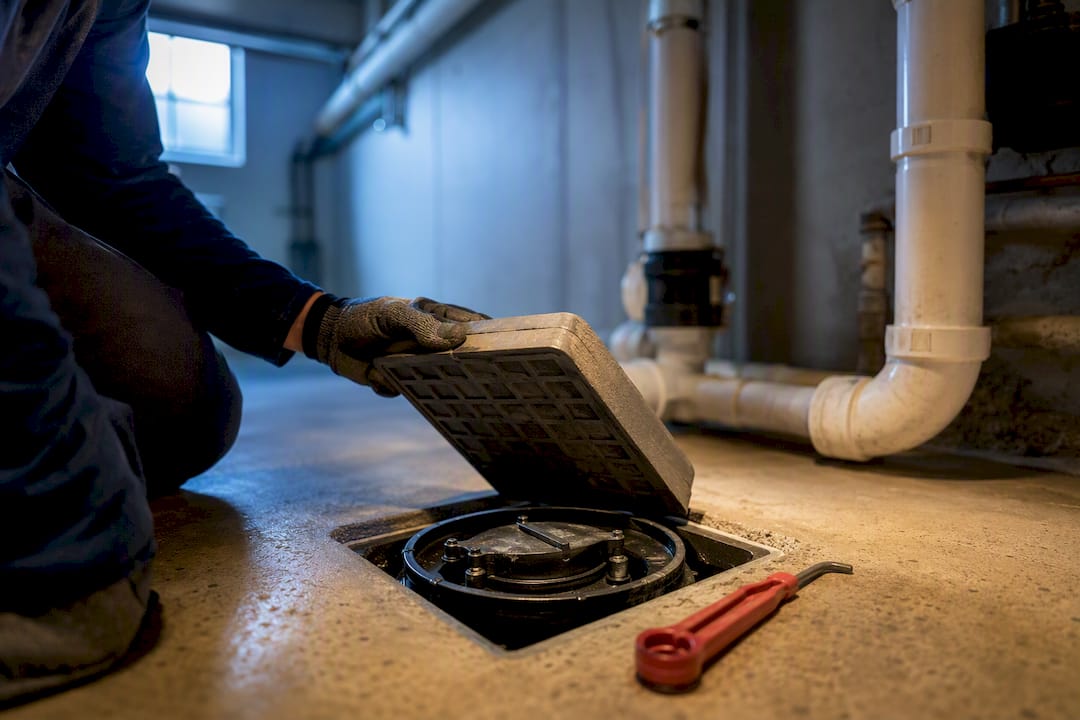
Most sewer backups are preventable. Stop pouring grease down the drain, never flush anything but toilet paper, and pair those habits with one physical safeguard, a backwater valve or a scheduled sewer scope and hydro-jetting visit. Together, those steps stop the vast majority of backups before they ever reach your basement.
TL;DR:
- Regularly inspecting and cleaning the backwater valve ensures it functions properly during surges, preventing sewage from backing into the house.
- Installing a backwater valve and scheduling sewer scope inspections every three to five years reduces the risk of basement backups, especially in older homes.
- Proper habits, such as scraping grease and avoiding flushable wipes, combined with a backflow device, significantly diminish the chances of blockage.
- Tree root intrusion and grease buildup are the leading causes of sewer backups, often requiring professional cleaning or repair to prevent major disasters.
- Immediate response during a backup includes stopping water use, calling the utility department if necessary, and hiring licensed plumbers for cleanup and repair.
Table of Contents
- What Is Sewer Backup Prevention and Who’s Responsible for It?
- What Causes Most Sewer Backups?
- How Can You Prevent Sewer Backups Every Day?
- Which Backflow Device Actually Stops a Sewer Backup?
- When Should You Call a Plumber for Sewer Maintenance?
- What Should You Do If a Sewer Backup Happens?
- What Does a Realistic Sewer Maintenance Schedule Look Like?
- Why Prevention Beats Reaction Every Time
- Get Professional Backup Protection From a Plumbing Service Provider
- Sources
- FAQ
What Is Sewer Backup Prevention and Who’s Responsible for It?
The section of pipe running from your house to the city’s main line is called the private sewer lateral, and in most municipalities, it belongs to you, not the city. The public works department maintains the main line under the street, but everything from your foundation to that connection point is your responsibility, including repairs when tree roots crack it or grease clogs it solid. That split matters because it determines who pays when something goes wrong, and it’s spelled out clearly in guidance from the City of Lincoln’s sewer backup prevention program.
Finding your cleanout, the capped pipe fitting usually near your foundation or in the yard, matters more than most homeowners realize. It’s the access point plumbers use for camera inspections and hydro-jetting, and a blocked or buried cleanout adds time and cost to every future service call.
- Homeowners typically own and maintain the lateral from the house to the property line or city main tap.
- Municipalities generally maintain the public main and respond to main-line blockages.
- A quick check for sewer line warning signs can catch lateral damage before it becomes a backup.
What Causes Most Sewer Backups?
Grease is the single biggest offender. Fats, oils, and grease cool and harden inside pipes, narrowing the channel until wastewater has nowhere to go, and municipal guidance consistently flags FOG buildup as a leading cause of blockages. Wipes marketed as “flushable” behave the same way; they don’t break down like toilet paper and snag on rough spots inside older clay or cast iron pipes.
Tree roots are the second major culprit. Roots chase moisture and nutrients seeping from tiny pipe cracks, then widen those cracks as they grow, eventually choking the line entirely. Heavy rain adds a third failure mode: older combined sewer systems can surcharge during storms, pushing wastewater backward into the lowest drains in a house, usually a basement floor drain. Illegal downspout or sump connections into the sanitary line make this worse by dumping extra stormwater into pipes never designed to carry it.
- Grease, fats, and oils congealing inside pipe walls
- Non-flushable wipes and paper towels catching on rough pipe surfaces
- Root intrusion through cracked or aging clay and cast iron pipe
- Heavy rain overwhelming combined sewers or illegal stormwater connections
Statistic Callout: Cleanup and restoration after a sewage backup typically runs between $2,000 and $10,000, depending on how much water intruded, what materials it touched, and how accessible the affected area is.
How Can You Prevent Sewer Backups Every Day?
The cheapest prevention tools are habits, not hardware. None of these cost more than a few dollars, and all of them reduce the odds of a blockage forming in the first place.
- Scrape grease into the trash, never the sink, even when it’s still liquid; it solidifies further down the line where you can’t see it.
- Skip the “flushable” wipes. Toilet paper is the only paper product designed to break apart in wastewater.
- Install sink strainers and hair catchers in showers and bathroom drains to stop the buildup that eventually feeds a clog.
- Flush drains with hot water and a mechanical snake occasionally, rather than relying on chemical drain cleaners that can damage older pipe joints.
- Point downspouts away from the foundation and regrade low spots in the yard so stormwater doesn’t pool near your cleanout or foundation drains.
- Test your sump pump every spring, and confirm the discharge line empties well away from the house, not into the sanitary sewer.
Pro Tip: Run water in every drain you rarely use, a basement utility sink, a guest bathroom, once a month. Dry traps let sewer gas and even pests into the house, and a dry trap is often the first sign a line is partially blocked upstream.
For a room-by-room breakdown, our drain clog prevention guide covers habits specific to kitchens, bathrooms, and laundry rooms.
Which Backflow Device Actually Stops a Sewer Backup?
Habits reduce risk, but a backwater valve is the device that actually stops sewage from reversing into your home during a main-line surcharge. It’s a one-way flapper installed in the lateral that closes when flow tries to reverse, and it needs to be inspected annually since grit and debris can prevent the flapper from sealing fully. Municipal guidance recommends check valves as a standard homeowner installation for sewer backup prevention, and research on valve performance ties failure risk directly to flow rates, valve condition, and lateral slope, which is why ongoing inspection protocolsNH.1527-6996.0000298) matter more than a one-time install.
- Floor drain plugs and float valves work as a short-term fix during a known storm event, but leaving them in place too long risks upward hydrostatic pressure that can crack a slab.
- Overhead sewer and ejector systems reroute plumbing above the backup point entirely. They’re disruptive and expensive to retrofit, but often the only reliable fix for homes with repeated basement flooding.
- Sump pumps handle groundwater and foundation drainage. They do nothing for sewage backing up through a floor drain, a distinction a surprising number of homeowners miss.
Pro Tip: Ask any installer for the valve’s tested flow rate before you buy. A valve rated for a slow trickle won’t seal fast enough during a real surcharge, and that gap is where “set and forget” installs quietly fail. A backflow inspection service can verify a device is actually functioning as designed, not just installed.
When Should You Call a Plumber for Sewer Maintenance?
Habits and devices only go so far when a lateral already has structural damage. A sewer camera scope shows exactly where a line is bellied, cracked, or root-choked, and it’s the only reliable way to decide whether you need cleaning or replacement.
- Get a camera scope if you’ve had two or more backups in a year, or before buying a home with an older clay lateral.
- Choose hydro-jetting over snaking for recurring grease buildup; jetting scours the full pipe diameter instead of punching a single channel through the blockage.
- Ask about root cutting versus lining. Mechanical root cutting clears the immediate problem, while cured-in-place lining can extend a lateral’s life without full excavation.
- Request the scope footage or report before agreeing to full replacement. A reasonable plumber will show you the damage, not just describe it.
Recurring blockages despite good habits, gurgling drains, or slow-draining fixtures on the lowest floor are all signs it’s time to bring in a professional rather than keep clearing roots from drains on your own.
What Should You Do If a Sewer Backup Happens?
Speed and order matter here almost as much as the actions themselves.
- Stay away from the sewage and keep kids and pets out of the affected area; raw sewage carries pathogens that aren’t worth the risk of a “quick cleanup.”
- Stop using every drain, toilet, and appliance in the house immediately. Every flush or load of laundry adds more water to a system that’s already backing up.
- Ventilate the space if it’s safe to open windows or run a fan, but skip anything electrical near standing water.
- Photograph the damage before touching anything, and save receipts for any emergency supplies you buy.
- Call your municipal public works department if you suspect the main line, not your lateral, is the source.
- Bring in a licensed plumber and a restoration crew. Cleanup typically costs $2,000 to $10,000 depending on severity and materials affected.
- Notify your insurer the same day. Sewer backup coverage is often a separate rider, and prompt documentation strengthens your claim.
What Does a Realistic Sewer Maintenance Schedule Look Like?
A simple annual rhythm covers most of what a homeowner needs, without turning maintenance into a chore.
- Every year: inspect and lightly clean the backwater valve flapper; test the sump pump each spring.
- Every 3 to 5 years, or sooner if problems recur: schedule a sewer scope inspection to check for root intrusion, bellying, or joint separation.
- Every fall: clear gutters and downspouts, confirm they discharge well away from the foundation.
- Ongoing: keep receipts and scope reports together. They support insurance claims and can shore up your negotiating position at resale.
Extension-service and municipal guidance consistently points to this same rhythm, treating routine inspection as standard practice rather than an optional upgrade.
Why Prevention Beats Reaction Every Time
Most homeowners treat sewer maintenance the way they treat smoke detectors: something to think about after it fails. That’s backward, and it’s the single biggest gap I see between what prevention guides recommend and what people actually do. A backwater valve installed today costs a fraction of a basement cleanup, yet plenty of homeowners only learn the valve exists after their first flood.
The overlooked piece isn’t the valve itself. It’s the annual inspection everyone skips. A valve with a stuck flapper gives you false confidence right up until the moment you need it, which is arguably worse than having no valve at all, because you stop taking the precautions you’d otherwise take. If you’re only going to do one thing beyond habit changes, make it the annual check, not the initial install.
The other underestimated factor is documentation. Homeowners who keep scope reports and photos from routine checks tend to have an easier time with insurance claims and resale disclosures, because they can show a pattern of care rather than a single reactive fix after disaster strikes. Prevention isn’t just about stopping water. It’s about building a paper trail that protects you either way.
— Maayan
Get Professional Backup Protection From a Plumbing Service Provider
Habits and a backwater valve prevent most backups, but valve installation, hydro-jetting, and lateral repair are jobs worth handing to someone who does them daily. For over 30 years, plumbing service providers have worked on sewer laterals in the Pittsburgh area, gaining experience with local soil, aging clay pipe, and older combined sewer systems that contribute to common sewer failures.
If your home has had a backup before, or you’ve never had your lateral scoped, that’s the starting point. Professional plumbing services often include camera inspections, hydro-jetting for grease and scale buildup, root cutting, and backwater valve installation for homes in the Pittsburgh area. Explore our plumbing repair services to see what a preventive visit typically covers, or reach out to Ag-plumbing today to schedule a sewer scope before the next storm makes the decision for you.
Sources
- The problem with fats, oils & grease (FOG) — Golden Valley
- Sewer backup prevention — City of Lincoln, NE
FAQ
How Do I Stop My Sewer From Backing Up?
Stop pouring grease down drains, never flush wipes, and install a backwater valve or schedule a sewer scope and hydro-jetting service if your lateral is aging or has caused problems before.
How Much Does the Average Sewer Backup Cost to Clean Up?
Cleanup and restoration typically costs between $2,000 and $10,000, depending on how much sewage intruded, which materials it damaged, and how hard the area is to access.
What Is the Most Common Cause of Sewer Backup?
Grease, fats, and oils hardening inside pipes are the leading cause, closely followed by tree-root intrusion and non-flushable wipes catching on rough pipe surfaces.
Who Is Responsible for Fixing a Sewer Lateral?
The homeowner typically owns and maintains the private lateral running from the house to the city’s main connection, while the municipality maintains the public main line.
How Often Should a Backwater Valve Be Inspected?
A backwater valve should be inspected at least once a year, since grit and debris can prevent the flapper from sealing properly during a real backup event.
Recommended
- Sewer Line Warning Signs Every Homeowner Should Know
- Why Install Shutoff Valves: A Homeowner’s Safety Guide
- Why annual plumbing inspections save Pittsburgh homeowners thousands
- Plumbing Maintenance Checklist: Prevent Costly Home Repairs
