
TL;DR:
- Preventing drain clogs involves routinely disposing of grease properly, using sink strainers, and installing hair catchers in bathroom drains. Regular maintenance practices like monthly drain flow tests and cleaning traps help prevent buildup, reducing the need for costly repairs. Severe or persistent clogs require professional inspection and hydro-jetting to ensure proper drainage and prevent damage.
Drain clog prevention is the practice of blocking debris, grease, and hair from entering your pipes before they form a blockage. For Pittsburgh homeowners and renters, this means using the right tools and building consistent habits that protect your plumbing year-round. The most common causes of clogs are grease buildup, hair accumulation, and flushing the wrong materials. Each one is preventable. The drain clog prevention tips in this article cover every drain in your home, from the kitchen sink to the toilet, so you spend less time calling a plumber and more time with a fully functioning home.
1. Stop grease before it enters the drain
Grease is the leading cause of kitchen sink clogs, and the reason is simple physics. Grease flows hot but hardens and sticks to pipe walls once it cools. A single pour of bacon fat down the drain looks harmless, but it coats the inside of your pipes and catches every food particle that follows. Over weeks, that coating becomes a blockage.
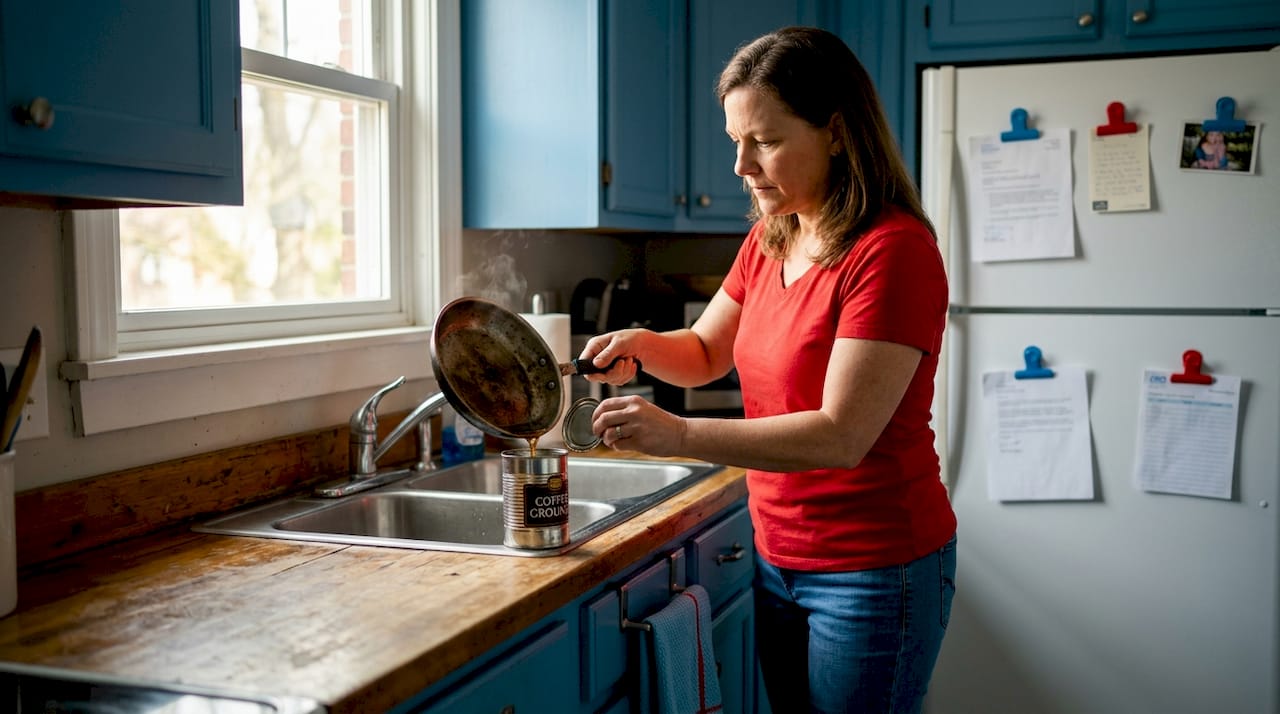
The fix starts before you reach the sink. Let cooking grease cool in the pan, then pour it into an old jar, can, or container and throw it in the trash. Wipe pans with a paper towel before washing to remove residual grease. This keeps the bulk of the problem out of your plumbing entirely.
- Never pour cooking oil, bacon grease, or butter down the drain
- Wipe all greasy cookware with a paper towel before washing
- Use a sink strainer to catch food scraps that carry grease
- Avoid rinsing dishes with hot water as a substitute for proper grease disposal
Pro Tip: Hot water does not flush grease away permanently. Grease solidifies further down the pipe where water cools, creating buildup in spots you cannot reach without a snake or professional cleaning.
2. Use sink strainers in every kitchen drain
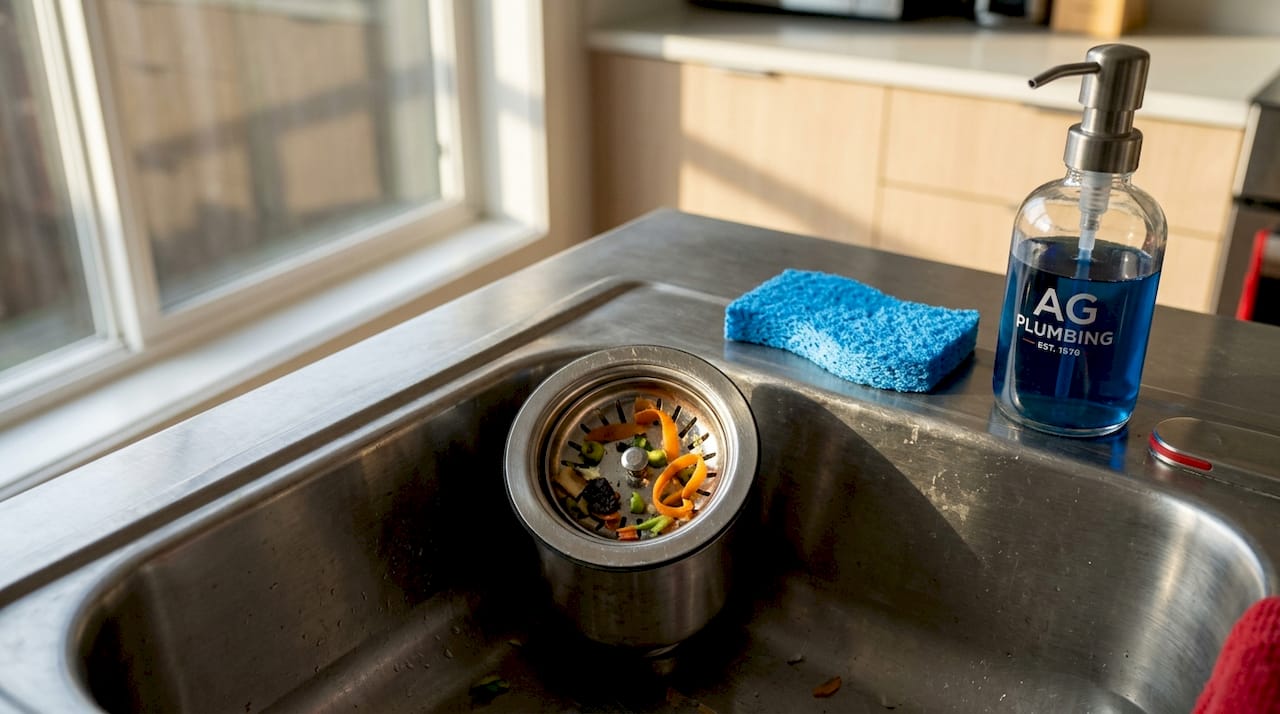
The highest-return investment in household plumbing care costs under five dollars. A sink strainer catches food scraps, coffee grounds, and small debris before they reach your trap. Without one, every meal you cook sends particles into your pipes.
Strainers work best when you empty and rinse them after every use. A strainer packed with debris becomes a slow drain on its own, and food left sitting in it creates odors. Stainless steel mesh strainers outlast plastic versions and hold their shape better under daily use.
Coffee grounds deserve special attention. They feel fine and seem harmless, but they accumulate into a dense, paste-like mass inside pipes. Compost them or throw them in the trash. The same goes for pasta, rice, and potato peels, which expand with water and create starchy blockages that are difficult to clear without a drain snake.
3. Install hair catchers in every bathroom drain
Hair is the biggest cause of bathroom drain clogs. A single shower sends dozens of loose strands toward your drain, and soap scum binds them into a mat that grows with every wash. The solution is physical interception, not chemical dissolution after the fact.
A hair catcher sits over or inside your shower or tub drain and traps hair before it enters the pipe. Models like the TubShroom and flat mesh catchers from OXO fit most standard drains and cost between five and fifteen dollars. Fit matters as much as the product itself. A loose or ill-fitting catcher lets hair bypass the screen entirely, so check that yours sits flush and covers the full drain opening.
- Clean your hair catcher weekly. A catcher full of hair stops working.
- Brush your hair before showering to reduce the amount of loose hair that sheds during washing
- Run hot water for 60 seconds after each shower to dissolve light soap residue
- Replace hair catchers that have warped, cracked, or no longer fit snugly
Pro Tip: Catching hair early prevents soap scum from bonding to it and creating a denser, harder-to-remove mass. A clean catcher is a working catcher.
4. Avoid chemical drain cleaners for regular maintenance
Chemical drain cleaners like Drano and Liquid-Plumr are marketed as quick fixes, but they are not a maintenance strategy. These products use lye or sulfuric acid to dissolve clogs, and that same chemistry damages pipe walls with repeated use, especially in older Pittsburgh homes with galvanized steel or cast iron pipes.
Enzyme-based cleaners are a safer alternative for routine maintenance. Products like Bio-Clean and Green Gobbler use bacterial cultures to break down organic matter without corroding your pipes. They work more slowly than chemical options, which is exactly the point. They are designed for prevention, not emergency clearing.
For a free monthly maintenance flush, pour half a cup of baking soda followed by half a cup of white vinegar down each drain. Wait 15 minutes, then flush with hot water. This combination loosens minor buildup and neutralizes odors without any chemical risk to your pipes or the environment.
5. Practice smart toilet habits
Only toilet paper and human waste should go down a toilet. This rule sounds obvious, but the list of items that cause toilet clogs in Pittsburgh homes is long: “flushable” wipes, cotton balls, dental floss, feminine hygiene products, paper towels, and food waste. None of these break down in water the way toilet paper does, and all of them can create blockages in your drain line or sewer connection.
Flushable wipes are the most misunderstood item on that list. They do not disintegrate quickly enough to pass through residential plumbing safely. Municipal water authorities across Pennsylvania have documented wipe-related blockages in sewer lines, and the repair costs fall on homeowners when the clog is on their side of the connection.
Keep a small trash can next to every toilet in your home. It removes the temptation to flush anything that does not belong in the drain and costs nothing to maintain.
6. Run a monthly drain flow test
A slow drain is a warning, not an inconvenience. Testing your drain flow once a month takes under two minutes and catches early buildup before it becomes a full blockage. Fill your sink or tub, then let it drain while watching the speed. A healthy drain empties quickly and without gurgling. Gurgling sounds indicate a partial blockage or a venting issue that needs attention.
This habit is one of the most underused best drain maintenance tips available to homeowners. Slow drains caught early can often be cleared with a drain snake or a baking soda flush. Slow drains ignored for months typically require a professional with a hydro-jet or camera inspection.
Write the test into your monthly home maintenance routine alongside changing HVAC filters and checking smoke detectors. Consistency is what makes it effective.
7. Clean floor drains and traps regularly
Floor drains in basements, laundry rooms, and garages are the most neglected drains in any home. They sit unused for long stretches, which allows the water in the trap to evaporate. A dry trap lets sewer gases enter your home, producing the sulfur smell that Pittsburgh homeowners sometimes mistake for a gas leak.
Pour a cup of water into every floor drain monthly to keep the trap filled. For drains that see regular use, remove the cover and clean out any debris every three months. Lint, dirt, and sediment accumulate quickly in laundry room floor drains and can cause backups during heavy wash cycles.
Regular inspection of traps and strainers catches early clogs before they worsen and saves the cost of emergency plumbing calls. A five-minute quarterly check is far cheaper than a flooded basement.
8. Know when to use a drain snake and when to call a pro
A hand-powered drain snake, also called a hand auger, handles most minor clogs in bathroom and kitchen drains. You feed the cable into the drain, rotate it to break up or hook the blockage, and pull it out. Ag-plumbing’s DIY drain snake guide walks Pittsburgh homeowners through the process step by step.
The situations that require a professional are distinct and recognizable:
- Multiple drains in your home are slow or clogged at the same time, which points to a main line blockage rather than an individual drain issue
- You have cleared a drain and it clogs again within days, suggesting a deeper obstruction or a pipe problem
- You hear gurgling in one drain when you use another, indicating a venting or sewer line issue
- Water backs up into a tub or floor drain when you flush the toilet, a sign of a serious main line blockage
These signs point to problems beyond what a hand auger can reach. Professional drain cleaning with hydro-jetting or camera inspection finds and clears blockages that DIY tools cannot address.
Key takeaways
Consistent physical interception of grease, hair, and debris at the drain opening is the most cost-effective way to prevent clogs and avoid plumbing repair bills.
| Point | Details |
|---|---|
| Grease disposal | Cool grease and trash it. Never pour it down the drain, even with hot water running. |
| Hair catchers | Install a properly fitted hair catcher in every shower and tub drain, and clean it weekly. |
| Toilet rules | Flush only toilet paper and waste. Wipes, floss, and hygiene products cause line blockages. |
| Monthly maintenance | Run a drain flow test and flush drains with baking soda and vinegar every month. |
| Know your limits | Recurring clogs or multiple slow drains at once require a professional inspection, not more DIY attempts. |
What I’ve learned after years of watching homeowners fight the same clogs
Most drain clogs are not bad luck. They are the result of one or two habits repeated hundreds of times until the pipe finally gives up. I have seen the same pattern in Pittsburgh homes repeatedly: a homeowner who has poured grease down the kitchen sink for three years, or a bathroom drain that has never had a hair catcher installed. The fix is always simple in hindsight.
The mistake I see most often is treating drain cleaning as a reactive task. People buy Drano when the drain is already slow, clear it just enough to feel like the problem is solved, and repeat the cycle. That approach costs more over time than a five-dollar strainer and a monthly baking soda flush.
The habits that actually work are boring. Clean your hair catcher every week. Wipe your pans before washing. Test your drains once a month. None of these feel significant on their own, but they compound. A home where these habits are consistent rarely needs emergency plumbing calls.
One thing I would push back on is the idea that older Pittsburgh homes with aging pipes need more chemical intervention. They need less. Older galvanized and cast iron pipes are more vulnerable to corrosion from chemical cleaners, not less. If you live in a home built before 1980, enzyme cleaners and mechanical tools are your best options. Save the chemicals for the trash can, not the drain.
— Maayan
Let Ag-plumbing handle what prevention can’t
Even the most disciplined homeowner runs into a clog that won’t clear. Ag-plumbing has served Pittsburgh and the surrounding areas for 30 years, and the team brings that experience to every drain cleaning call, inspection, and repair. Whether you need a one-time drain cleaning service or a full plumbing repair for a persistent problem, Ag-plumbing diagnoses the issue correctly the first time. Contact the team for a personalized assessment and a prevention plan built around your home’s specific plumbing.
FAQ
What are the most common causes of drain clogs?
Grease buildup, hair accumulation, and flushing non-flushable items like wipes and hygiene products are the three leading causes of drain clogs in residential plumbing. Each one is preventable with the right tools and habits.
How do I prevent hair clogs in the shower?
Install a properly fitted hair catcher over your shower drain and clean it every week. Brushing hair before showering also reduces the amount of loose hair that reaches the drain during washing.
Are chemical drain cleaners safe to use regularly?
No. Chemical drain cleaners damage pipe walls with repeated use and are not a safe maintenance strategy. Enzyme-based cleaners like Bio-Clean are safer for routine use, and a monthly baking soda and vinegar flush is an effective free alternative.
When should I call a plumber instead of fixing a clog myself?
Call a plumber when multiple drains are slow at the same time, when a cleared clog returns within days, or when water backs up into a tub or floor drain after flushing the toilet. These signs point to a main line issue that requires professional equipment to diagnose and clear.
How often should I clean my drains to prevent clogs?
A monthly maintenance flush with baking soda and vinegar, combined with weekly hair catcher cleaning and a monthly drain flow test, covers most preventive needs. Trap cleaning and strainer checks should happen at least quarterly.
Recommended
- Why clog prevention matters for Pittsburgh homeowners – AG-Plumbing
- Preventative Plumbing Tips to Protect Your Pittsburgh Home – AG-Plumbing
- Why regular drain cleaning protects Pittsburgh homes – AG-Plumbing
- Essential plumbing safety tips for Pittsburgh homeowners – AG-Plumbing
