
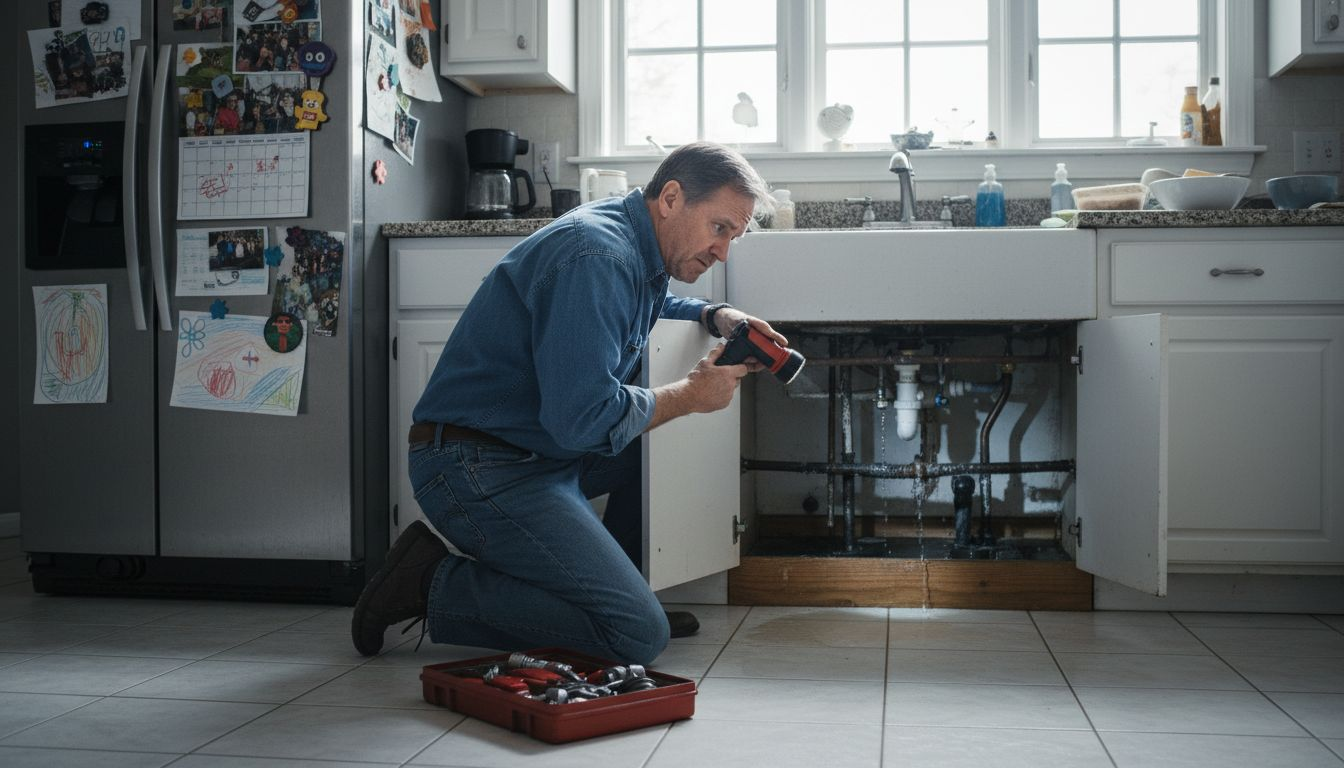
Burst pipes and sudden leaks in a Pittsburgh home can cause panic and chaos, especially when water begins pooling in the basement or unusual odors fill the air. Fast action prevents costly repairs and stops health hazards from spreading. This guide walks through critical emergency plumbing steps so you can act quickly, secure your house, and know exactly when to call for professional help, protecting both your property and your family’s well-being.
Table of Contents
- Step 1: Identify Plumbing Emergencies Immediately
- Step 2: Shut Off Water Sources Quickly
- Step 3: Contain and Minimize Water Damage
- Step 4: Assess and Address Temporary Fixes
- Step 5: Verify Safety and Plan Professional Repairs
Quick Summary
| Key Point | Explanation |
|---|---|
| 1. Identify Emergencies Early | Recognize signs like active leaks and sewage backups to prevent extensive damage immediately. |
| 2. Locate Your Shut-off Valve | Knowing where your main shut-off valve is and how to use it is critical during a plumbing emergency. |
| 3. Contain Released Water Quickly | Remove valuables and use towels or a wet vacuum to prevent further water damage as soon as possible. |
| 4. Implement Temporary Fixes | Use pipe tape or clamps to address minor leaks until a professional can make permanent repairs. |
| 5. Schedule Professional Repairs Promptly | Professional evaluation and repairs are essential to prevent recurrent plumbing issues after an emergency. |
Step 1: Identify Plumbing Emergencies Immediately
Knowing what constitutes a plumbing emergency helps you respond quickly and prevent catastrophic damage to your Pittsburgh home. Most emergencies share a few telltale signs that demand immediate action before water damage spreads.
The first thing to do is locate your main water shut-off valve. In Pittsburgh homes, this is typically found in the basement near where the water line enters, or sometimes under the kitchen sink. Turn it clockwise to stop water flow if you discover an active leak or burst pipe.
Watch for these urgent warning signs:
- Active water leaks spraying from pipes or fixtures
- Burst or visibly cracked pipes with water escaping
- Sewage backing up into sinks, showers, or toilets
- No water pressure throughout your home
- Water pooling in your basement or crawl space
- Unusual smells coming from drains or wet areas
Understanding signs of water contamination or unusual odors helps you catch problems early before they become health hazards. Similarly, recognizing signs water damage occurs enables you to take immediate containment steps.
Listen for sounds you don’t normally hear. Hissing, gurgling, or banging noises inside walls indicate pipes under stress or air in the lines. A persistent dripping sound behind walls or ceilings suggests hidden leaks that need urgent attention.
If you smell sewage or notice discoloration in standing water, assume contamination and avoid contact. These conditions pose serious health risks and require professional help immediately.
Timing matters in plumbing emergencies. The first 15 minutes after discovering a leak determine whether you’ll spend hundreds or thousands on repairs.
Check your walls and ceilings for soft spots, staining, or bubbling paint. These indicate water has already penetrated behind finished surfaces. Don’t wait for visible mold to call for help.
Here’s a quick reference guide to common plumbing emergency warning signs and the potential risks they pose:
| Warning Sign | Possible Cause | Risk to Home |
|---|---|---|
| Sewage backup | Blocked drain or sewer pipe | Health hazard and contamination |
| No water pressure | Major leak or main line issue | Inability to use water |
| Water pooling in basement | Pipe burst or foundation leak | Structural and mold damage |
| Persistent dripping sounds | Hidden leak behind walls/ceilings | Undetected water damage |
| Unusual drain odors | Sewage contamination, stagnant water | Respiratory or health risks |
Pro tip: Take photos and videos of any visible damage or leaking water before calling a plumber—documenting the problem helps professionals understand what happened and estimate repairs accurately.
Step 2: Shut Off Water Sources Quickly
Cutting off your water supply is the single most critical action you can take during a plumbing emergency. Every second counts, and knowing exactly where to turn the valve can save thousands of dollars in water damage.
Your home has two main water shutoff points. The primary shutoff valve controls all water entering your house, while fixture shutoffs under individual sinks and toilets control water to specific appliances.
Locate your main shutoff valve before an emergency strikes:
- Check your basement or crawl space near the wall where the water line enters
- Look along the foundation walls or interior perimeter
- In Pittsburgh homes without basements, check behind an access panel or in the lowest cabinet
- Some homes have valves located outside near the meter or street
When you find it, mark the location with bright tape or paint so you can find it in the dark or during stress. Understanding how to manage water flow during emergencies ensures you minimize damage quickly.
Now practice the actual shutoff motion. Most valves turn clockwise to close. Some older ball valves require a 90-degree turn of the handle, while gate valves need multiple turns. Don’t force it—steady pressure works better than brute strength.
If you discover an active leak, immediately turn the main valve clockwise until water stops flowing. Then address the specific problem:
- Turn off the fixture’s individual shutoff valve if the leak is isolated to one sink or toilet
- Turn off the main valve if you cannot locate or access the fixture valve
- Open a faucet on the lowest floor to release remaining pressure in the pipes
Preparing ahead by knowing shutoff valve locations and having containers ready gives you crucial advantage during a crisis.
Your main shutoff valve is your first defense. Know its location before you need it, because confusion during a flood costs time and money.
After shutting off water, call a professional plumber immediately. Even if the leak appears to stop, hidden damage may continue behind walls.
Pro tip: Label your main shutoff valve clearly and teach every adult in your household exactly how to turn it—muscle memory could prevent catastrophic damage if you’re not home when a pipe bursts.
The following table summarizes the differences between main shutoff and fixture shutoff valves in Pittsburgh homes:
| Valve Type | Location | Purpose |
|---|---|---|
| Main Shutoff Valve | Basement or near water entry | Stops all water flow in home |
| Fixture Shutoffs | Under sinks/toilets | Isolates water to one appliance |
Step 3: Contain and Minimize Water Damage
Once you’ve shut off the water, your next priority is stopping the water that’s already released from spreading throughout your home. Quick containment prevents damage from reaching walls, flooring, and structural elements that take months to dry and repair.
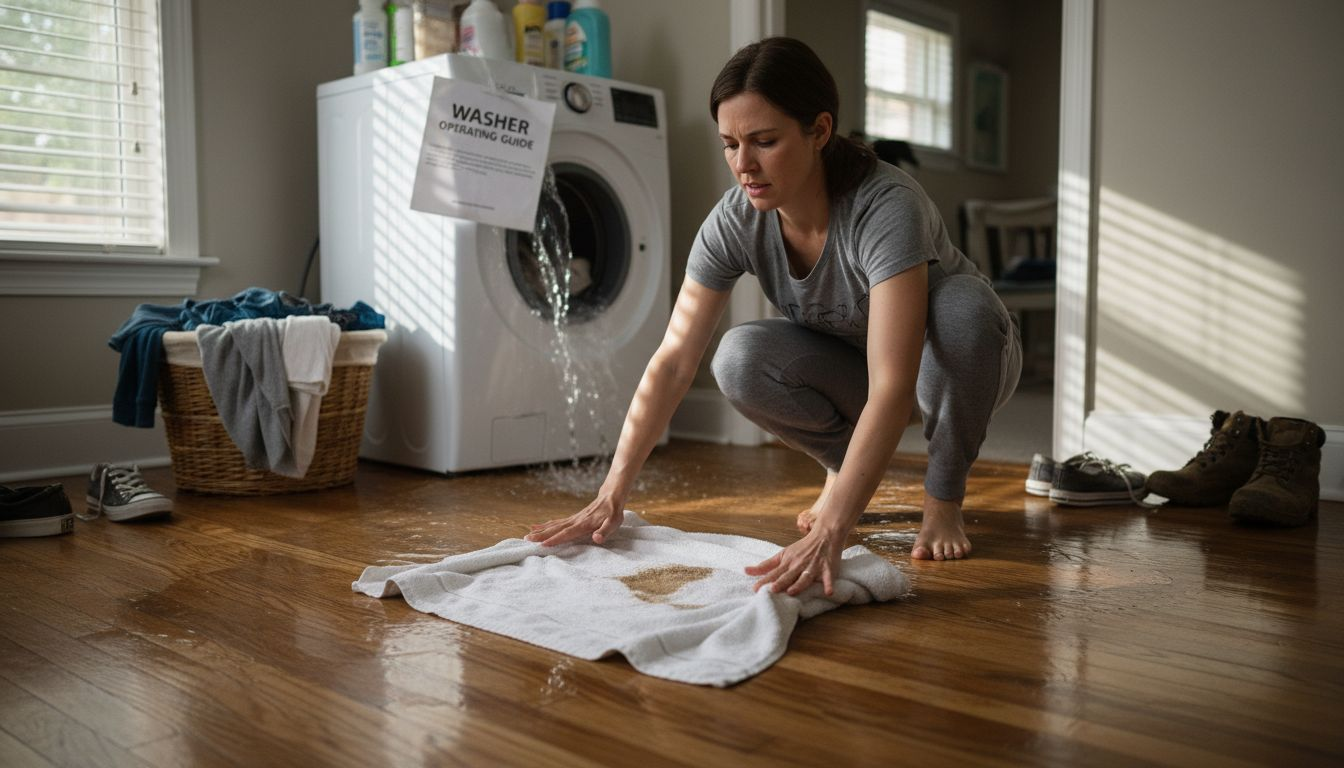
Immediately move valuables and electronics away from the affected area. Grab important documents, photos, furniture, and anything electrical within the water’s path. Even items sitting on floors can absorb water and suffer permanent damage within minutes.
Start removing standing water using these methods:
- Use towels and rags to soak up water on hard floors and carpeting
- Position a wet vacuum (never a regular vacuum) to extract water from carpets and low spots
- Place buckets under dripping water to catch additional leaks
- Open windows and doors to increase air circulation and speed evaporation
Place absorbent materials like towels, newspaper, or commercial water absorbers on wet carpets and furniture. Stack items on top of each other to maximize contact with drying materials. Understanding rapid response techniques to limit damage ensures you take the right protective steps immediately.
Move affected furniture and belongings to a dry area if possible. Wet wood and upholstered items can develop mold within 24 to 48 hours, so air circulation matters tremendously. Prop up cushions and remove legs from sofas to expose all surfaces to air.
Turn on fans and dehumidifiers in the damaged area. Air movement prevents moisture from settling into walls and subflooring where it becomes invisible but destructive. Position fans to blow toward windows or outside doors.
Don’t ignore hidden moisture. Water travels behind baseboards and under flooring, so pull back carpet edges in the affected rooms to check for saturation beneath. If you detect moisture deeper in walls, professional water restoration becomes necessary.
Act within the first 24 hours. The difference between quick response and delayed action determines whether you’ll need cosmetic repairs or structural rebuilding.
Document all damage with photos and videos for your insurance claim. Capture wide shots showing the extent of water and close-ups of damaged items with identifying details.
Pro tip: Keep a dehumidifier and wet vacuum readily accessible in your garage or basement—having these tools on hand means you can start containment immediately rather than spending hours shopping during a crisis.
Step 4: Assess and Address Temporary Fixes
Now that you’ve contained the immediate crisis, assess the damage and apply temporary fixes to prevent further problems while waiting for professional repairs. These stop-gap measures buy you time and keep the situation from worsening.
Inspect the damaged area carefully. Look for burst pipes, loose connections, and visible cracks in plumbing lines. Trace water back to its source to understand what failed and where it’s coming from.
Common temporary fixes include:
- Wrapping pipe tape (plumber’s tape) tightly around small cracks or pinhole leaks
- Using a pipe clamp or repair sleeve to cover damaged sections temporarily
- Applying epoxy putty to seal small holes until a plumber arrives
- Replacing a broken shutoff valve handle with a temporary wrench grip
- Tightening loose connection nuts with an adjustable wrench
Applying temporary sealing methods to prevent further damage stabilizes the situation and protects your home from escalating water loss. These holding measures are not permanent solutions but critical interim steps.
For leaking water heaters, turn off both the water supply and gas or electric heating element. Never attempt to repair the tank itself—water heaters require professional replacement when they fail.
If sewage is backing up, do not use plumbing fixtures until a professional clears the blockage. Every flush or sink use pushes contaminated water deeper into walls and floors. Close toilet lids and leave a note for household members.
Document every temporary repair with photos showing the problem and your fix. This documentation helps plumbers understand what you attempted and plan their professional solution.
Know your limits. If you feel uncertain about any repair, stop immediately. Improper fixes can worsen damage, create safety hazards, or void insurance claims.
Temporary fixes are exactly that—temporary. They hold the line until professionals arrive, but they are never substitutes for permanent repairs performed by licensed plumbers.
Schedule professional plumbing service as soon as possible. Describe the problem clearly when you call so the plumber arrives prepared with necessary parts and tools.
Pro tip: Keep a basic plumbing repair kit in an accessible location with pipe tape, epoxy putty, adjustable wrenches, and a pipe clamp—these inexpensive tools enable quick temporary fixes that can save thousands in water damage costs.
Step 5: Verify Safety and Plan Professional Repairs
Before your home returns to normal, you must verify that everything is safe and plan professional repairs to address the root cause. A plumbing emergency that goes unfixed will almost certainly happen again.
Check for lingering water hazards in your home. Look for wet spots on walls, soft flooring, or musty smells that indicate hidden moisture. These signs mean water penetrated areas you cannot see and needs professional extraction.
Test your plumbing system carefully before resuming normal use:
- Turn the main water shutoff valve counterclockwise slowly to restore water flow
- Open faucets on the lowest floor first, then upper levels
- Run water for 30 seconds at each fixture and listen for unusual sounds
- Check under sinks and around fixtures for new leaks
- Flush toilets and observe water flow and drainage
Ensuring proper safety assessment before resuming normal use protects your family from contaminated water or structural hazards. Never assume the system is safe without careful verification.
If you notice discolored water, strange odors, or continued leaking, turn the main valve off again and call a professional immediately. Water discoloration indicates sediment or contamination in your pipes.
Document all damage extensively for insurance purposes. Take photos of affected areas, document temporary repairs you made, and note the date and time the emergency occurred. Insurance companies require detailed evidence.
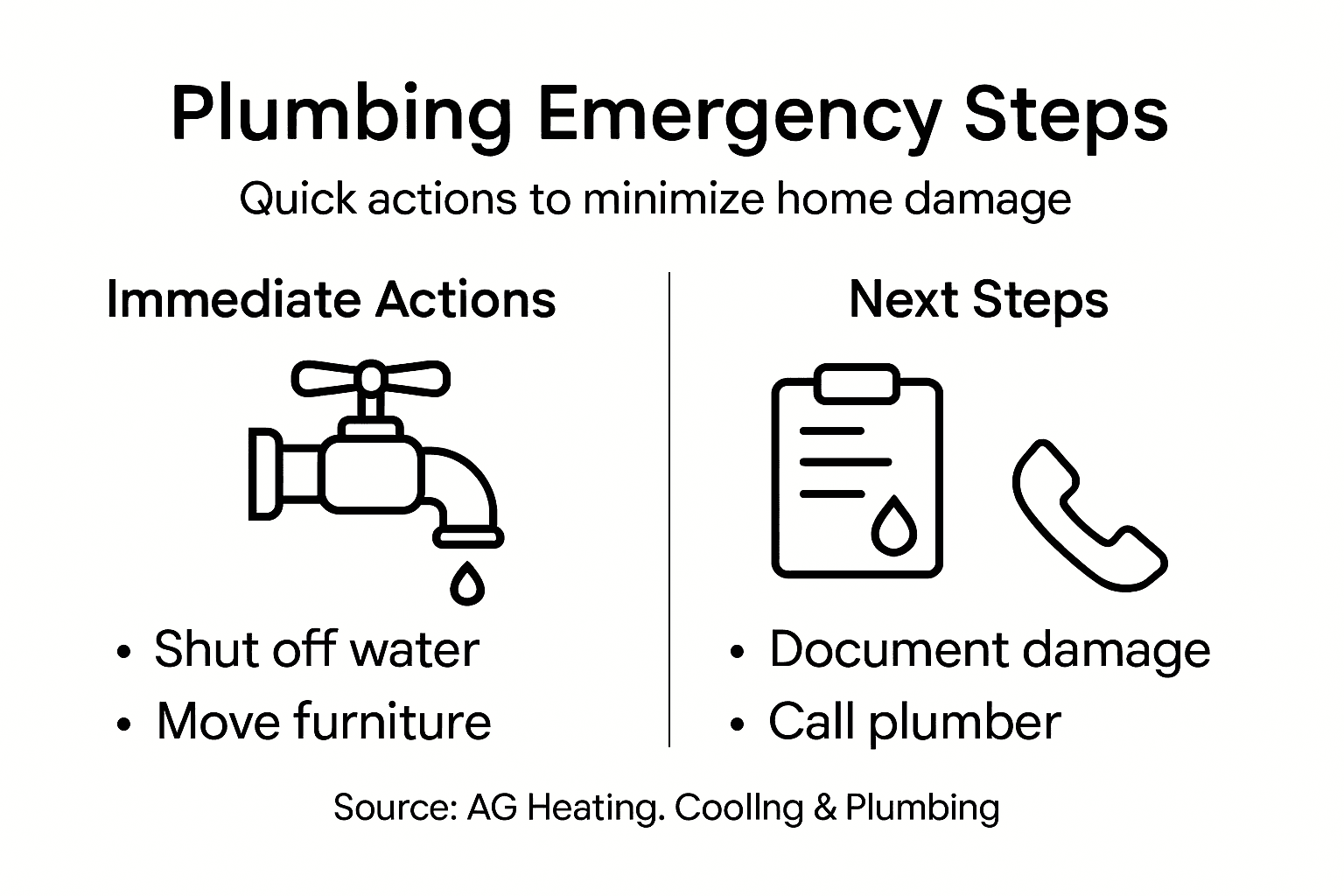
Contact your insurance company within 24 to 48 hours of the emergency. Provide photos, descriptions of what happened, and estimates from plumbers. Prompt reporting protects your claim.
Call a licensed plumber to assess understanding when professional sewer repair becomes necessary and plan permanent solutions. Describe the emergency, show temporary repairs, and ask about prevention for the future.
Professional repairs are not optional after an emergency. Temporary fixes hold the line temporarily, but permanent solutions protect your home and prevent costlier failures down the road.
Get written estimates from at least two plumbers before authorizing work. Compare pricing, warranty terms, and timeframes. Ask questions about what caused the failure and how future problems can be prevented.
Pro tip: Request a comprehensive home plumbing inspection from your plumber once repairs are complete—this identifies other problem areas before they become emergencies and gives you peace of mind about your system’s overall health.
Act Fast and Secure Your Home with Expert Plumbing Help
Plumbing emergencies demand quick action and trusted solutions to protect your Pittsburgh home from costly water damage and health risks. This guide showed how identifying issues like hidden leaks and knowing the location of your main shutoff valve can save you thousands. But when minutes matter the most and temporary fixes are not enough, you need professional support that understands the urgency and offers reliable repairs.
Don’t wait for damage to worsen or risks to grow. Discover how our expert team at AG Heating, Cooling & Plumbing with 30 years of experience stands ready to deliver top-tier emergency plumbing services. Visit our Plumbing Archives – AG-Plumbing for helpful insights and trust us to handle your emergency promptly. Protect your investment and your family by acting now at https://ag-plumbing.com. Your home deserves the best care when it matters most.
Frequently Asked Questions
What should I do first during a plumbing emergency?
The first thing you should do is locate your main water shut-off valve and turn it off to stop the water flow. This action can prevent extensive water damage to your home.
How can I identify a plumbing emergency in my home?
Look for signs like active leaks, sewage backups, or unusual smells. If you notice any of these issues, act quickly to shut off your water supply and contain the situation before it worsens.
What are some effective methods to contain water damage?
To contain water damage, move furniture and valuables out of the affected area, and use towels or a wet vacuum to remove standing water. Act quickly to prevent mold growth and structural damage, ideally within the first 24 hours.
How do I perform temporary repairs on leaky pipes?
You can wrap pipe tape around small leaks, use a pipe clamp, or apply epoxy putty over cracks as temporary fixes. These measures should stabilize the issue until a licensed plumber can perform permanent repairs.
When should I call a professional plumber after an emergency?
Call a professional plumber immediately after experiencing a plumbing emergency, especially if there is hidden water damage or sewage backing up. Describing the situation accurately will help the plumber prepare effectively for repairs.
What steps should I take before resuming water use in my home?
Before resuming water use, turn the main water shut-off valve back on slowly and check all fixtures for leaks. Ensure there are no unusual odors or discoloration in the water to confirm that your plumbing system is safe.
Recommended
- Heating, Cooling & Plumbing Services Pittsburgh, PA
- Common Plumbing Repair Issues and How to Fix Them – AG-Plumbing
- How Sewer Repair Can Prevent Major Plumbing Problems – AG-Plumbing
- How to Identify When Plumbing Repair Is Necessary – AG-Plumbing
