
TL;DR:
- Detect leaks early by checking your water meter and inspecting common sources like toilets and faucets.
- Perform DIY repairs such as replacing flappers, cleaning aerators, and fixing slow drains carefully and within limits.
- Use water wisely by upgrading fixtures, practicing good habits, and preparing for seasonal changes to prevent plumbing emergencies.
A single dripping faucet seems harmless, but wastes 3,000+ gallons of water every year. For Pittsburgh homeowners, that translates directly into higher utility bills and avoidable repair costs. Older homes throughout neighborhoods like Lawrenceville, Squirrel Hill, and Mt. Washington often have aging pipe systems that make these problems worse. The good news is that most of the biggest savings come from simple habits and small repairs, not expensive overhauls. This guide walks you through expert-backed strategies to find leaks, make smart DIY repairs, upgrade fixtures, and prevent emergencies before Pittsburgh’s winters create a real crisis.
Table of Contents
- Find and fix leaks fast
- Practice safe and smart DIY repairs
- Use water wisely: fixtures and habits
- Prevent plumbing emergencies before they start
- Our take: Why local know-how matters more than hacks
- Affordable help for bigger plumbing challenges
- Frequently asked questions
Key Takeaways
| Point | Details |
|---|---|
| Fix leaks early | Tackling even a small drip can save thousands of gallons and major repair bills. |
| Choose safe DIY tasks | Simple repairs are safe to attempt, but complex issues need a pro to avoid expensive damage. |
| Upgrade efficiently | Switching to low-flow fixtures and mindful habits cuts water waste and utility costs. |
| Prevent seasonal damage | Regular pipe insulation and pre-winter checks can stop costly burst pipes in Pittsburgh. |
| Know your limits | Recognize when calling professional help is the true money-saver for your home. |
Find and fix leaks fast
Leaks are the single biggest source of wasted money in most Pittsburgh homes. A running toilet can waste up to 200 gallons per day, and you may not even notice it without checking. Across the country, leaks waste 1 trillion gallons of water every year. That is not a rounding error. It is a massive financial drain that starts in individual homes.
The fastest way to find hidden leaks is to check your water meter with every faucet and appliance turned off. If the meter dial moves, water is escaping somewhere. Walk through your home and check under sinks, around the toilet base, and along exposed pipes in the basement.
Common leak sources and estimated waste:
| Leak source | Estimated waste per year |
|---|---|
| Dripping faucet | 3,000+ gallons |
| Running toilet | 73,000+ gallons |
| Leaky showerhead | 500+ gallons |
| Outdoor hose bib drip | 6,000+ gallons |
For most faucet drips, the fix is a worn washer or O-ring. You can find dripping faucet repair tips to walk through the process step by step. Toilet leaks usually come from a failed flapper, which costs under five dollars at any hardware store.
- Turn off the water supply valve behind the toilet before replacing the flapper
- Drop food coloring in the tank and wait 10 minutes without flushing; color in the bowl means a leak
- Check showerhead connections for mineral buildup causing slow drips
- Inspect exposed basement pipes for moisture, rust, or white mineral deposits
Pro Tip: Add a plumbing maintenance checklist to your seasonal home routine. Catching a five-dollar flapper failure early beats a four-hundred-dollar water damage repair later.
Knowing when to stop and call a professional matters. If you find water staining inside walls, hear running water with everything off, or notice a sudden spike in your bill without explanation, those are signs of a deeper issue that needs expert eyes.
Practice safe and smart DIY repairs
Once you have leaks under control, the next layer of savings comes from doing basic repairs correctly. The key word is correctly. Poorly executed DIY work often costs more to fix than the original problem.
Here are the repairs most Pittsburgh homeowners can safely handle:
- Replace a toilet flapper. Shut off the supply valve, flush to drain the tank, unhook the old flapper, and snap in the new one.
- Clean a faucet aerator. Unscrew the aerator tip from the faucet, rinse out sediment, and reinstall. This restores water pressure and flow.
- Fix a slow drain. Use a drain snake or a zip-it tool to pull out hair and debris. Avoid chemical cleaners on older pipes.
- Tighten a loose supply line. Hand-tighten first, then add a quarter turn with pliers. No more.
- Replace a showerhead. Wrap the threads with plumber’s tape, screw on the new head, and check for drips.
“Over-tightening fittings is one of the most common DIY mistakes. It cracks plastic fittings and damages pipe threads. Always shut off the main valve before starting any repair work.”
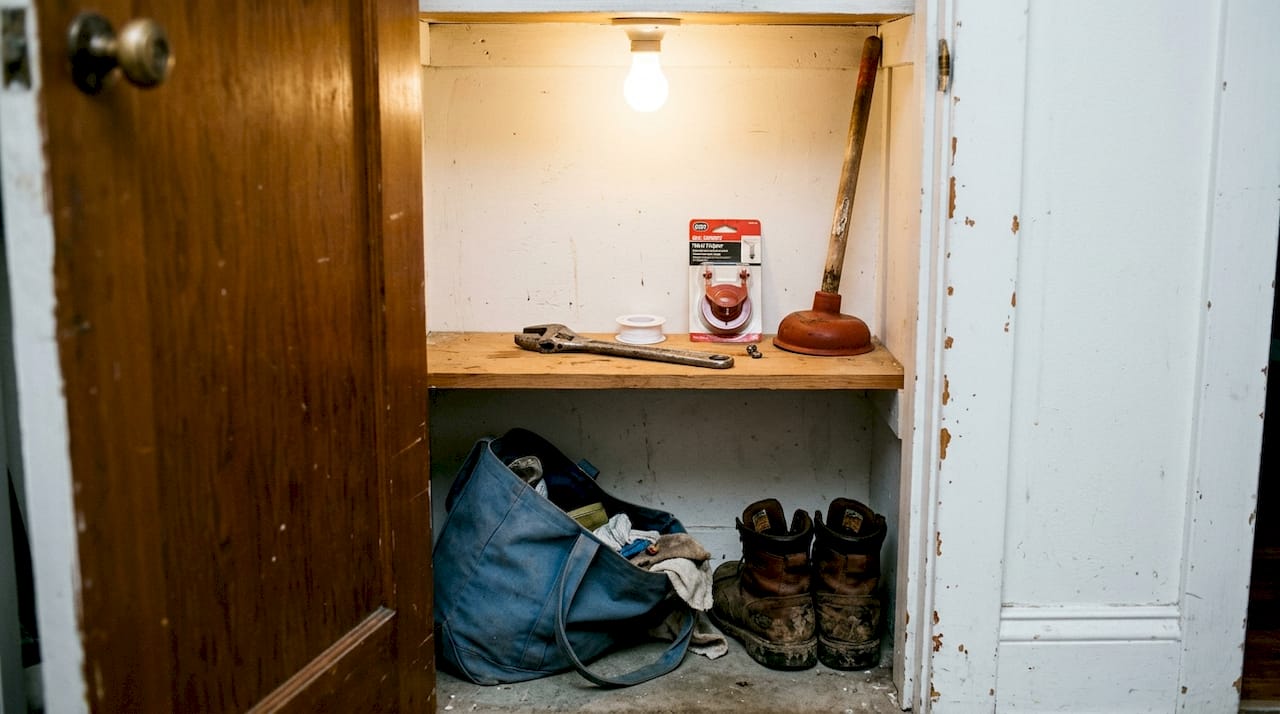
Pro Tip: Keep a small plumbing kit in your utility closet. A good adjustable wrench, plumber’s tape, a flapper, and a drain snake handle 80% of common household repairs.
For common repair issues that go beyond the basics, knowing your limits saves money. If a repair involves opening a wall, working near the main shutoff, or touching anything connected to your water heater, stop. Review troubleshooting plumbing steps to assess complexity before you start. Gas lines, high-pressure pipes, and anything inside finished walls require a licensed plumber. No exception.
Use water wisely: fixtures and habits
Smart repairs set the stage for bigger savings through conscious water use and the right upgrades. This is especially true in Pittsburgh, where many homes still have cast iron or galvanized steel pipes that are decades old.
Avoid pouring grease down drains, and never flush anything other than toilet paper. These habits protect your pipes and prevent blockages that lead to expensive service calls. When a clog does happen, reach for a plunger or a hand snake first. Chemical cleaners damage older pipes that are common throughout Pittsburgh’s housing stock, weakening joints and accelerating corrosion over time.
Fixture and habit comparison:
| Upgrade or habit | Estimated annual savings |
|---|---|
| Low-flow showerhead | $70 or more |
| WaterSense toilet | $110 or more |
| Faucet aerators | $30 or more |
| Turning off tap while brushing | $25 or more |
| Fixing a running toilet | $200 or more |
Look for the EPA WaterSense label when buying any new fixture. WaterSense products use at least 20% less water without sacrificing performance. The savings add up fast in a household with two or three bathrooms. For a deeper look at how upgrades affect your energy and water costs, explore plumbing energy efficiency strategies that work for older homes.
- Install aerators on all bathroom and kitchen faucets
- Replace toilets older than 1994, which use up to 3.5 gallons per flush versus 1.28 today
- Choose low-flow upgrades that carry the WaterSense certification
- Turn off the tap while brushing teeth or scrubbing dishes
For homeowners thinking about a bathroom refresh, bathroom plumbing ideas can help you plan upgrades that balance style with real utility savings.
Prevent plumbing emergencies before they start
Once smart habits are established, truly lasting savings come from proactive maintenance. Pittsburgh’s freeze-thaw cycles are brutal on plumbing. Temperatures regularly drop below freezing from November through March, and pipes in unheated spaces like garages, crawl spaces, and exterior walls are at serious risk.
Seasonal checks like insulating pipes and draining outdoor hoses before the first freeze are among the most effective ways to avoid burst pipe disasters. A single burst pipe can cause thousands of dollars in water damage in just a few hours.
Seasonal and year-round prevention checklist:
- Before winter: Disconnect and drain all outdoor hoses. Shut off exterior hose bibs from inside. Wrap exposed pipes in unheated areas with foam pipe insulation.
- During cold snaps: Keep cabinet doors under sinks open to let warm air reach pipes. Let a thin trickle of water run on the coldest nights.
- Spring: Inspect all outdoor spigots for damage after thaw. Check the water heater for rust or sediment buildup.
- Year-round: Monitor your water pressure. Pressure above 80 psi stresses pipes and fixtures. A pressure gauge costs under ten dollars.
- Before vacations: Shut off the main water supply if you leave for more than a few days. Ask a neighbor to check for leaks.
Pro Tip: Build a basic plumbing emergency kit and store it near your main shutoff valve. Include the shutoff location written on a card, a flashlight, a pipe repair clamp, and the number for a trusted local plumber. When a pipe bursts at midnight in January, you will be glad it is there.
Regular visual inspections take less than ten minutes and can catch problems before they become emergencies. Walk your basement, check under sinks, and look at your water heater connections every few months. Use your plumbing maintenance tips list to stay on schedule.
Our take: Why local know-how matters more than hacks
Most generic cost-saving lists treat plumbing like a universal problem. It is not. Pittsburgh homes have a specific set of challenges that most internet tips simply ignore. Decades-old galvanized pipes, a climate with real freeze risk, and neighborhoods full of pre-1960s construction mean that advice written for a new build in Phoenix or Atlanta may not apply here.
We have seen homeowners follow well-intentioned advice and pour chemical drain cleaners into pipes that were already corroded. The result was a repair bill far larger than the original clog. Local experience means knowing which shortcuts backfire and which investments actually protect your home.
The most valuable thing you can do is build a consistent inspection habit and find a plumber who knows Pittsburgh’s housing stock. Generic hacks are a starting point. Real savings come from understanding your specific home. Following a routine to prevent costly repairs locally is worth far more than any single fix.
Affordable help for bigger plumbing challenges
The tips above cover a lot of ground, but some problems genuinely need a professional. Trying to push past your skill level with a complex repair can turn a two-hundred-dollar fix into a two-thousand-dollar one.
At AG Heating, Cooling & Plumbing, we have spent 30 years working in Pittsburgh homes just like yours. We understand the pipe systems, the seasonal risks, and the older construction that makes local plumbing unique. Whether you need affordable plumbing repair for an urgent issue or want to explore essential plumbing services to protect your home long-term, our team is ready to help. Getting expert support does not have to break your budget. It often saves you money.
Frequently asked questions
What is the fastest way to detect a hidden plumbing leak?
Turn off all water in your home, then check your water meter for any movement. If the dial changes, water is escaping somewhere in your system.
Are chemical drain cleaners safe for old Pittsburgh pipes?
No. Chemical cleaners damage older pipes by corroding weakened joints and fittings. Use a plunger or hand snake instead.
How can I quickly reduce my family’s water bill?
Fix leaks right away, since a dripping faucet wastes 3,000+ gallons per year, and upgrade to low-flow fixtures with the WaterSense label.
What seasonal plumbing tasks are most important in Pittsburgh?
Before winter, insulate exposed pipes and drain outdoor hoses. These seasonal checks prevent burst pipes during Pittsburgh’s freeze-thaw cycles.
When should I call a plumber instead of fixing it myself?
Call a pro any time a repair involves walls, high-pressure lines, or gas. Anything beyond simple tasks like flappers or aerators carries real risk without professional training.
Recommended
- How plumbing improves energy efficiency and cuts costs – AG-Plumbing
- Top bathroom plumbing ideas for Pittsburgh homeowners – AG-Plumbing
- Plumbing Maintenance Checklist: Prevent Costly Home Repairs – AG-Plumbing
- Low-flow plumbing explained: save water and cut costs – AG-Plumbing
