
TL;DR:
- Pipe sweating is condensation on cold pipes caused by warm, humid air reaching the dew point. Proper insulation and humidity control prevent moisture buildup, mold, and structural damage over time. Addressing room humidity and sealing all insulation seams are essential for long-term solutions.
Every summer, Pittsburgh homeowners discover dripping water around their basement pipes and assume the worst. A leak. A burst pipe. A costly repair. But in many cases, the culprit isn’t a plumbing failure at all. It’s pipe sweating, a common and often misunderstood phenomenon that occurs when warm, humid air contacts cold pipe surfaces. Getting this diagnosis wrong can lead to wasted money on unnecessary repairs or, worse, ignored moisture that quietly causes mold and structural damage. This article will walk you through exactly what pipe sweating is, why it happens, and how to fix it the right way.
Table of Contents
- What is pipe sweating?
- Risks and problems posed by pipe sweating
- Preventing pipe sweating: Effective solutions for Pittsburgh homes
- How to fix pipe sweating: Step-by-step insulation and humidity control
- What most experts miss about pipe sweating
- Get professional help for your plumbing concerns
- Frequently asked questions
Key Takeaways
| Point | Details |
|---|---|
| Pipe sweating is not a leak | Condensation on cold pipes is often mistaken for leaks but requires a different solution. |
| Insulation is essential | Well-applied, vapor-retardant insulation helps prevent pipe sweating and protects your home. |
| Control humidity effectively | Reducing moisture in the air through dehumidifiers and ventilation minimizes pipe sweating risks. |
| Fixing pipe sweating prevents costly damage | Ignoring pipe sweating can lead to water damage, mold, and expensive repair bills. |
What is pipe sweating?
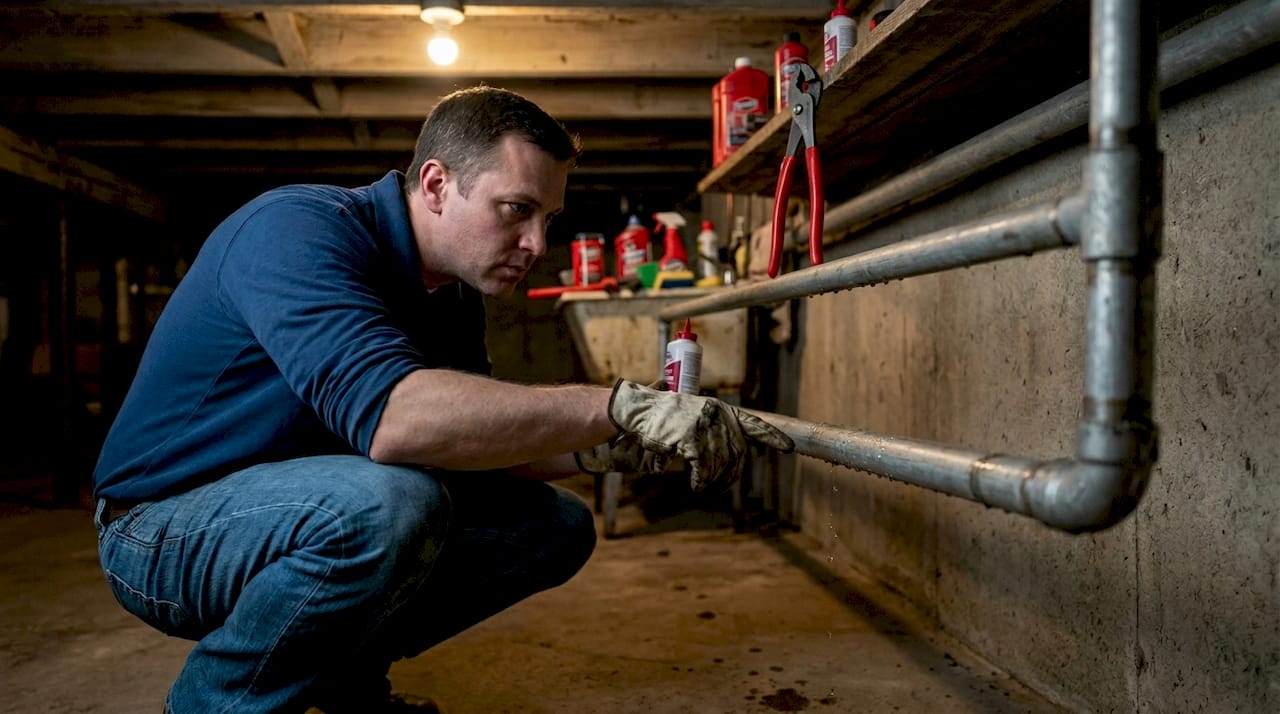
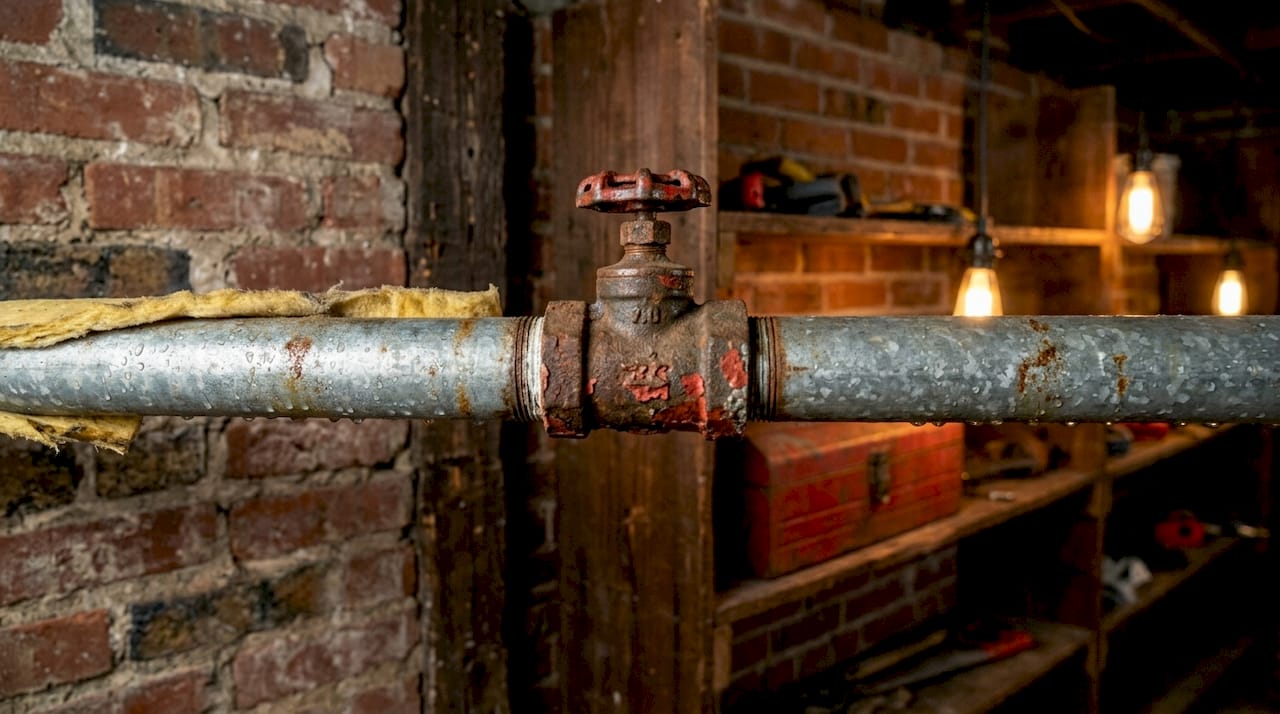
Pipe sweating is simply condensation. When the air around a cold water pipe is warm and humid enough, the moisture in that air reaches what’s called the dew point (the temperature at which air can no longer hold water vapor), and it deposits as liquid droplets on the pipe’s outer surface. The pipe isn’t leaking from the inside. The water is coming from the outside.
This is a critical distinction. Many plumbing repair issues that homeowners call us about turn out to be condensation problems rather than actual pipe failures. The confusion is understandable. Both situations produce dripping water, and both can cause damage to your floors and walls. But the causes and solutions are completely different.
In Pittsburgh homes, pipe sweating is most common in:
- Basements, where cold water supply lines run through humid, poorly ventilated spaces
- Utility rooms, especially those housing water heaters or laundry equipment that produce steam
- Crawl spaces, where ground moisture makes the air consistently damp
- Bathrooms and kitchens, during warm months when air conditioning keeps interiors cool but humidity stays high
The visible signs of pipe sweating include a constant wet or slick surface on the pipe, water droplets forming and running down onto floors, and occasional puddling that looks alarming but isn’t a plumbing emergency. To distinguish sweating from an actual leak, dry the pipe completely with a cloth and watch where moisture reappears. If it forms gradually across the whole exterior surface without any specific drip point, that’s condensation. A true leak typically produces water from a joint, fitting, or crack in a concentrated spot. Understanding home inspection plumbing problems that come up during real estate transactions also shows how often condensation gets misclassified as structural failure.
| Feature | Pipe sweating | Plumbing leak |
|---|---|---|
| Water source | Outside the pipe (condensation) | Inside the pipe |
| Location of moisture | Entire pipe surface | Specific joint or crack |
| Associated symptoms | Humidity, dripping, slick surface | Hissing, pressure drop, wet walls |
| Urgency | Moderate (long-term damage risk) | High (immediate repair needed) |
| Fix | Insulation and humidity control | Pipe repair or replacement |
Risks and problems posed by pipe sweating
Just because pipe sweating isn’t a plumbing leak doesn’t mean you can ignore it. Left unchecked, condensation on cold pipes creates a steady source of moisture inside your home that causes real damage over time.
The most immediate problem is water pooling. Even small amounts of condensation dripping daily onto a wood subfloor, carpet, or drywall can cause rot, warping, and staining within a few months. Many Pittsburgh homeowners discover significant floor damage during home renovations only to trace it back to years of unchecked pipe sweating in the basement above.
“Moisture is one of the most patient destructive forces in any home. It doesn’t announce itself. It simply works quietly until the damage is undeniable.”
The second major risk is mold. Mold spores are always present in indoor air, but they need sustained moisture to colonize. A sweating pipe in a dark basement or utility room creates exactly the conditions mold needs: consistent dampness, limited light, and organic materials (wood joists, drywall paper) to feed on. Once mold establishes itself, remediation costs far exceed what it would have cost to insulate a few pipes.
The connection between pipe sweating and larger plumbing problems is also worth taking seriously. Knowing when plumbing repair is necessary means recognizing that moisture damage can accelerate corrosion on older metal pipes and weaken connections over time, turning a condensation issue into a real leak down the road.
Key risks to watch for include:
- Subfloor and structural wood rot from persistent dripping
- Mold and mildew growth in enclosed or poorly ventilated spaces
- Rusting and corrosion on older galvanized or iron pipes exposed to constant moisture
- Damage to stored belongings in basements and utility rooms
- Higher humidity levels throughout the home, stressing HVAC systems
Problems with galvanized pipe are particularly relevant here. Older Pittsburgh homes with galvanized plumbing are already contending with corrosion inside the pipe. Adding exterior moisture from pipe sweating accelerates that process significantly. Studies and field data on common plumbing issues in PA show that water loss from plumbing problems can reach up to 30%, underscoring how much small, ignored issues compound over time.
Preventing pipe sweating: Effective solutions for Pittsburgh homes
Prevention is always easier and cheaper than repair. When it comes to pipe sweating, two strategies work together: insulating the cold pipe so warm air never reaches the cold surface, and reducing the humidity of the surrounding air so condensation can’t form even if the pipe is exposed.
Effective prevention for Pittsburgh homes includes:
- Foam pipe insulation: The most common and cost-effective solution. Pre-slit foam tubes slip over cold water pipes and create a thermal barrier. Choose insulation with a vapor-retardant outer layer for best results.
- Fiberglass wrap insulation: A better option for irregularly shaped pipes or areas where foam tubes don’t fit neatly. Requires careful sealing with vapor-barrier tape.
- Dehumidifiers: Running a dehumidifier in your basement keeps relative humidity below 50%, the threshold above which condensation risk rises sharply. Pittsburgh summers are notoriously humid, making dehumidifiers nearly essential.
- Improved ventilation: Adding exhaust fans or improving air circulation in utility rooms reduces localized humidity spikes from laundry, water heaters, and cooking.
- Sealing air leaks: Cracks in foundation walls and around windows allow outdoor humid air to enter basements. Sealing those gaps with caulk or spray foam reduces the moisture load on your pipes.
Common homeowner fixes focus on two core approaches: insulation on cold lines and reducing surrounding humidity and air exposure so warm, moist air cannot reach the cold pipe surface. That principle is simple, but execution matters enormously.
Pro Tip: Always seal insulation at seams, joints, and elbows with foil tape or the manufacturer’s recommended adhesive. An unsecured seam is an open doorway for warm, humid air to sneak through and condense right where your insulation ends. A perfectly insulated straight section of pipe with an exposed elbow is still going to sweat.
The preventative plumbing tips that protect Pittsburgh homes from costly repairs always include moisture management as a core component. Pittsburgh’s climate is challenging because of the combination of humid summers and wet winters, which means your pipes are under condensation pressure during summer and freeze risk during colder months. Choosing the right plumbing pipes for your home also plays a role. Copper and CPVC pipes run colder than the ambient air and are more prone to sweating than insulated PEX systems in some configurations. For homes in Chicago and Pittsburgh where temperature swings are severe, preventing frozen pipes and preventing pipe sweating often involve the same insulation strategies applied for different seasonal reasons.
The EPA also recommends keeping indoor relative humidity between 30 and 50 percent to limit mold growth, which aligns directly with the humidity levels at which pipe sweating stops being a significant problem.
How to fix pipe sweating: Step-by-step insulation and humidity control
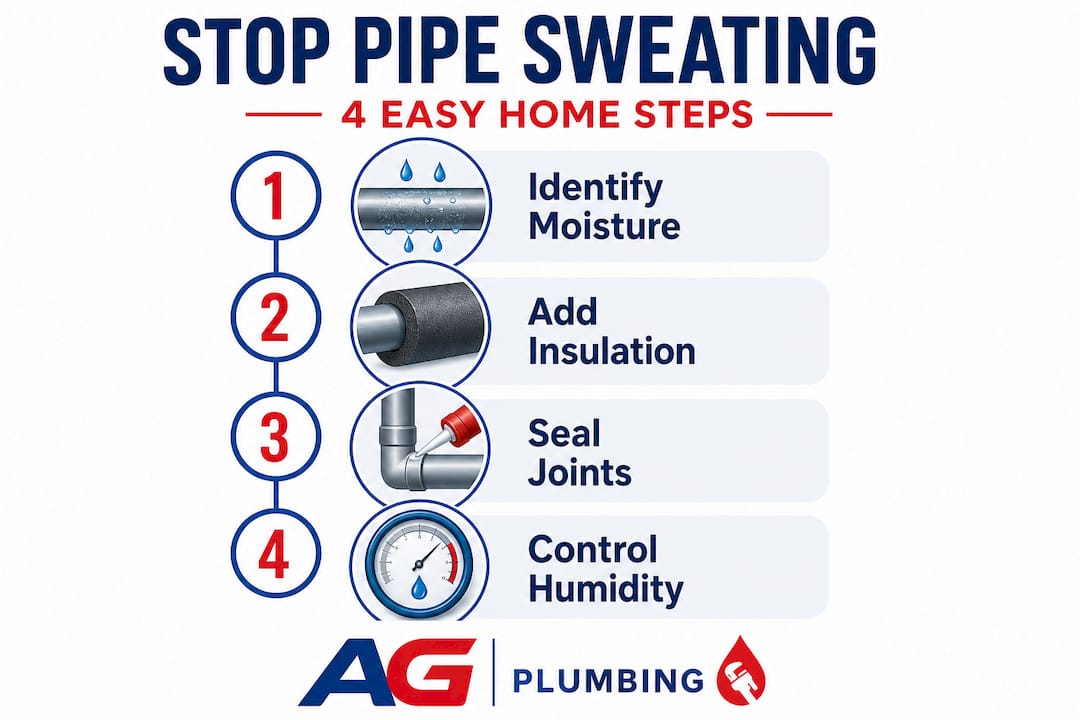
If your pipes are already sweating, here’s how to fix the problem correctly. Don’t skip steps. Poor installation is the number one reason DIY insulation projects fail to stop condensation.
- Measure your pipes: Use a tape measure to find the diameter of your cold water pipes. Standard residential pipes are typically half an inch, three-quarter inch, or one inch in diameter. You need insulation that fits snugly.
- Choose vapor-retardant insulation: Insulating cold-water pipes requires a vapor-retardant approach. The insulation must be sized and sealed so it stays continuous at seams, fittings, and elbows to avoid new condensation pathways.
- Cut insulation to length: Use scissors or a utility knife to cut foam insulation tubes to the correct lengths. Cut at 45-degree angles at elbows and tees for a tighter fit.
- Fit the insulation around the pipe: Most foam tubes are pre-slit. Open the slit, press it around the pipe, and close it. The slit should meet evenly with no gaps.
- Seal every seam with foil tape: This is the most critical and most skipped step. Press foil tape firmly along every seam, at every junction, and at the start and end of each insulation section.
- Wrap elbows and fittings carefully: Cut small pieces and wrap them tightly. These are the spots where condensation most often reappears after insulation is installed.
- Reduce basement humidity: Set up a dehumidifier rated for your basement’s square footage. Empty and clean the reservoir regularly. Aim to keep humidity below 50 percent.
- Recheck after one week: After the first humid day or two, inspect all your seams and fittings for any new moisture. Address any spots where the insulation has pulled away or a seal has failed.
Pro Tip: Don’t insulate your hot water pipes with vapor-retardant material. That insulation type is specifically designed for cold lines. Hot water lines need thermal insulation that conserves heat, not a vapor barrier.
Ongoing maintenance matters just as much as the initial fix. Check your basement and utility room humidity monthly during the summer. Look for any spots where insulation has shifted or been compressed. Heating, cooling, and plumbing systems all interact in Pittsburgh homes, and changes to your HVAC setup (like adding central air conditioning) can change the temperature and humidity dynamics around your pipes. If you’re planning any plumbing fixture installation, make it part of the project to inspect and update pipe insulation in the same area. Similarly, winter pipe maintenance checks should include verifying that summer insulation work hasn’t been disturbed.
What most experts miss about pipe sweating
Here’s a perspective you won’t hear often: pipe sweating is a symptom, not a problem in isolation. After 30 years of working in Pittsburgh homes, we’ve seen thousands of cases where a homeowner insulated their pipes perfectly and still had moisture problems a year later. Why? Because they treated the pipe and ignored the room.
Most advice on pipe sweating focuses entirely on the pipe itself. Add insulation, seal the seams, done. But if your basement is pulling in 80 percent humidity from the outside every summer, you’re fighting a losing battle with foam alone. The pipe is just the coldest surface in that environment, and if it’s not sweating, something else will be. Walls. Floor joists. Storage boxes. The moisture has to go somewhere.
The deeper issue is that many Pittsburgh homeowners treat their basements as afterthoughts. Ventilation is poor, air sealing is minimal, and moisture management gets no attention until visible damage forces the issue. Investing in preventative plumbing strategies and treating the whole basement as a moisture management zone is the approach that actually produces lasting results.
We also see a lot of failed DIY insulation jobs where the elbow fittings and tee joints were left bare or poorly wrapped. Those spots are so small that homeowners underestimate them. But an elbow fitting with no insulation is like leaving a window cracked in a heated room. The whole system underperforms because of that one weak point.
The professionals who get the best long-term outcomes combine pipe insulation with humidity monitoring, foundation air sealing, and a seasonal check-in routine. That’s not dramatic advice. It’s just consistent, intentional maintenance applied to a part of the home most people forget exists until something goes wrong.
Get professional help for your plumbing concerns
Pipe sweating is manageable, but persistent moisture problems in Pittsburgh homes can signal issues that go beyond what DIY fixes can address. If you’ve insulated your pipes and still see dripping, or if you’ve discovered mold or structural damage, it’s time to bring in a professional.

At AG Heating, Cooling & Plumbing, we’ve spent 30 years solving exactly these kinds of problems for Pittsburgh homeowners. Our team can assess whether your moisture issue is pipe sweating, an actual plumbing leak, or a broader humidity problem in your home. We offer plumbing repair services tailored to Pittsburgh’s climate, and we can help you understand how to fix common plumbing issues before they become expensive emergencies. Explore our full range of essential plumbing services to find the right solution for your home.
Frequently asked questions
Is pipe sweating a sign of a plumbing leak?
No, pipe sweating is condensation forming on the outside of cold pipes and is not a plumbing leak. An actual leak originates from inside the pipe at a joint, fitting, or crack.
What causes pipe sweating in Pittsburgh homes?
Pipe sweating occurs when warm, humid air contacts cold pipe surfaces and reaches the dew point, depositing moisture as condensation. This is especially common in Pittsburgh basements and utility rooms during summer months. The fix involves insulating cold lines and reducing surrounding humidity so warm, moist air cannot reach the cold pipe surface.
How can I stop pipes from sweating?
Insulate cold-water pipes with vapor-retardant foam or fiberglass wrap and reduce basement humidity using a dehumidifier or improved ventilation. Sealing insulation at all seams and fittings is essential for the fix to hold. Proper insulation technique keeps the insulation continuous at seams, fittings, and elbows to avoid new condensation pathways.
Should pipe insulation be vapor-retardant?
Yes, vapor-retardant insulation is specifically recommended for cold-water pipes and must be sealed at all seams and joints to block humid air from reaching the pipe surface. Without proper sealing, insulation for cold pipes cannot stay continuous at elbows and fittings, which creates new condensation pathways.
Recommended
- Why sewer backup occurs: causes, risks & prevention – AG-Plumbing
- Cost-saving plumbing tips for Pittsburgh homeowners – AG-Plumbing
- Preventative Plumbing Tips to Protect Your Pittsburgh Home – AG-Plumbing
- How to repair a burst pipe: quick fixes for Pittsburgh – AG-Plumbing
