
TL;DR:
- Preventing sink clogs involves using physical barriers like mesh strainers and adopting habits such as proper grease disposal and hot water flushing to block debris from entering pipes. Regular maintenance, including cleaning the P-trap and using enzyme-based cleaners, helps prevent long-term buildup and costly repairs. Recognizing early warning signs like recurring slow drainage or odors ensures timely professional intervention when necessary.
Preventing clogged sinks means stopping grease, hair, food scraps, and soap residue from entering your drains in the first place. Most homeowners treat clogs as emergencies, but plumbers classify drain blockage as a maintenance failure. The fix is rarely dramatic. A $5 stainless-steel mesh strainer, a weekly hot water flush, and a basic understanding of where buildup collects are enough to keep most sinks clear year-round. This guide covers the common causes of sink clogs, the physical barriers and habits that prevent them, and the maintenance routines that protect your pipes long-term.
What causes sink clogs and how do they build up?
Sink clogs rarely happen overnight. They develop gradually as materials accumulate inside pipe walls, drain hardware, and the P-trap until water flow slows to a trickle.
The four main culprits are grease, hair, soap scum, and food scraps. Each one behaves differently inside your plumbing:
- Grease and cooking oil enter drains as warm liquids, then cool and solidify against pipe walls. Over weeks, that layer thickens and catches other debris passing through.
- Hair is the leading cause of bathroom sink and shower drain clogs. A single strand does nothing, but hair binds together quickly, forming dense mats that trap soap scum and slow drainage.
- Soap scum forms when soap reacts with hard water minerals. It coats pipe interiors and acts as a sticky surface that grease and hair cling to.
- Food scraps are the primary kitchen sink offender. Even with a garbage disposal, starchy foods like pasta and rice expand with water and pack tightly at the P-trap.
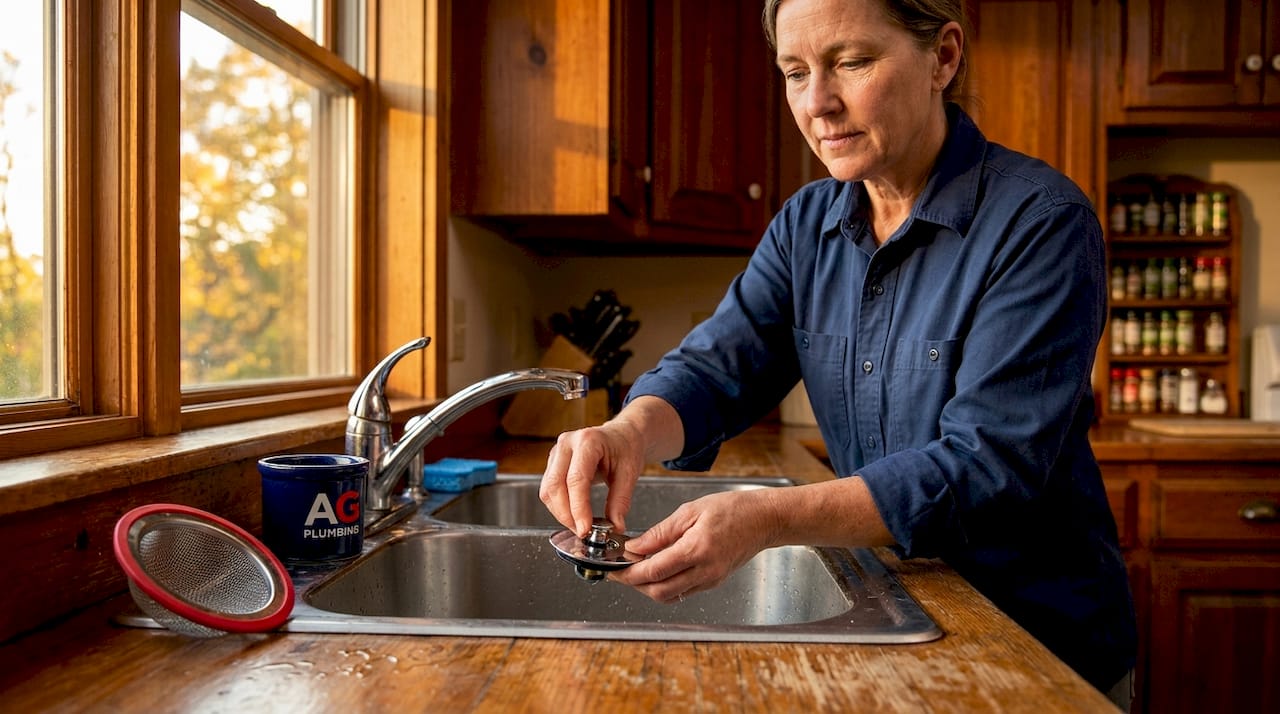
The P-trap, that curved pipe section directly under your sink, is where most of this material collects. Plumbers treat the P-trap and pop-up stopper as high-risk zones because their geometry slows water flow just enough for debris to settle. The pop-up stopper in bathroom sinks is a secondary trap. Hair wraps around its rod mechanism and builds up faster than most homeowners expect.
Pro Tip: Pull out your bathroom sink’s pop-up stopper once a month and clean it by hand. It takes 30 seconds and removes the single biggest source of slow drainage in most bathrooms.
Understanding where buildup happens is half the battle. Stopping clog materials at entry points is more effective and less costly than trying to dissolve them after they have hardened inside your pipes.
How to prevent clogged sinks with physical barriers and daily habits
The most reliable way to prevent kitchen sink clogging and bathroom drain blockage is to combine passive physical barriers with a few consistent daily habits. Neither approach works as well alone.
Here is a practical prevention routine you can start today:
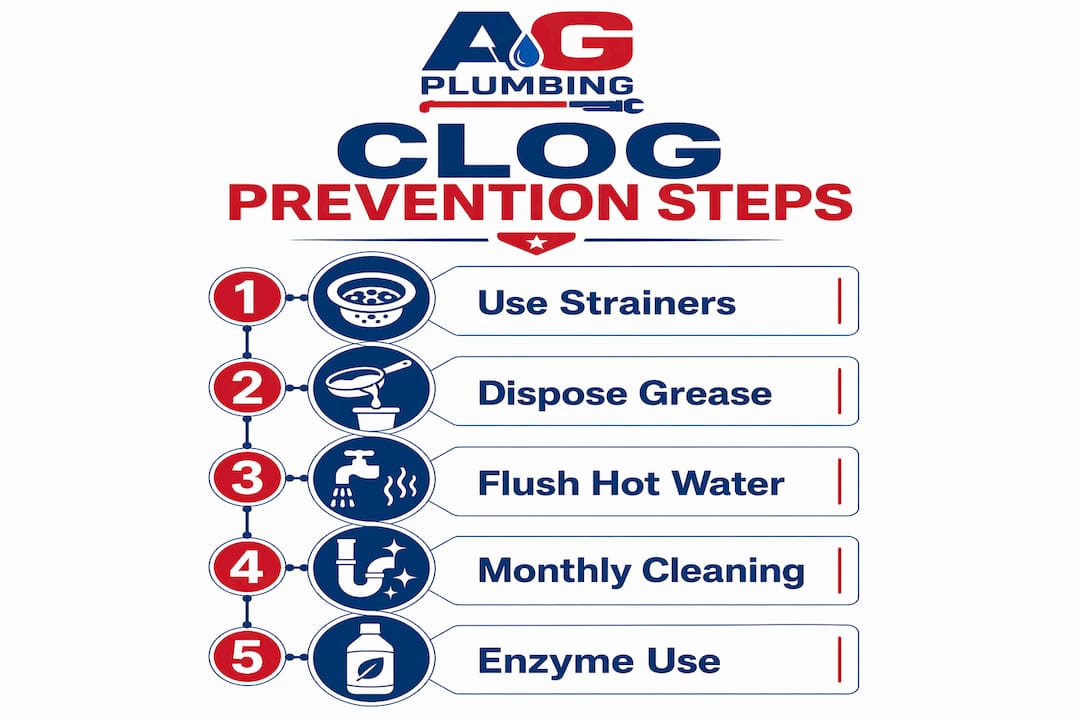
- Install a sink strainer on every drain. A stainless-steel mesh strainer catches food scraps, hair, and debris before they enter the pipe. A quality strainer costs under $10 and can prevent costly plumbing calls by intercepting the debris that causes most clogs.
- Wipe greasy pots and pans before washing. Use a paper towel to remove cooking oil and grease before the dish hits the sink. This single habit dramatically cuts the amount of grease that enters your drain.
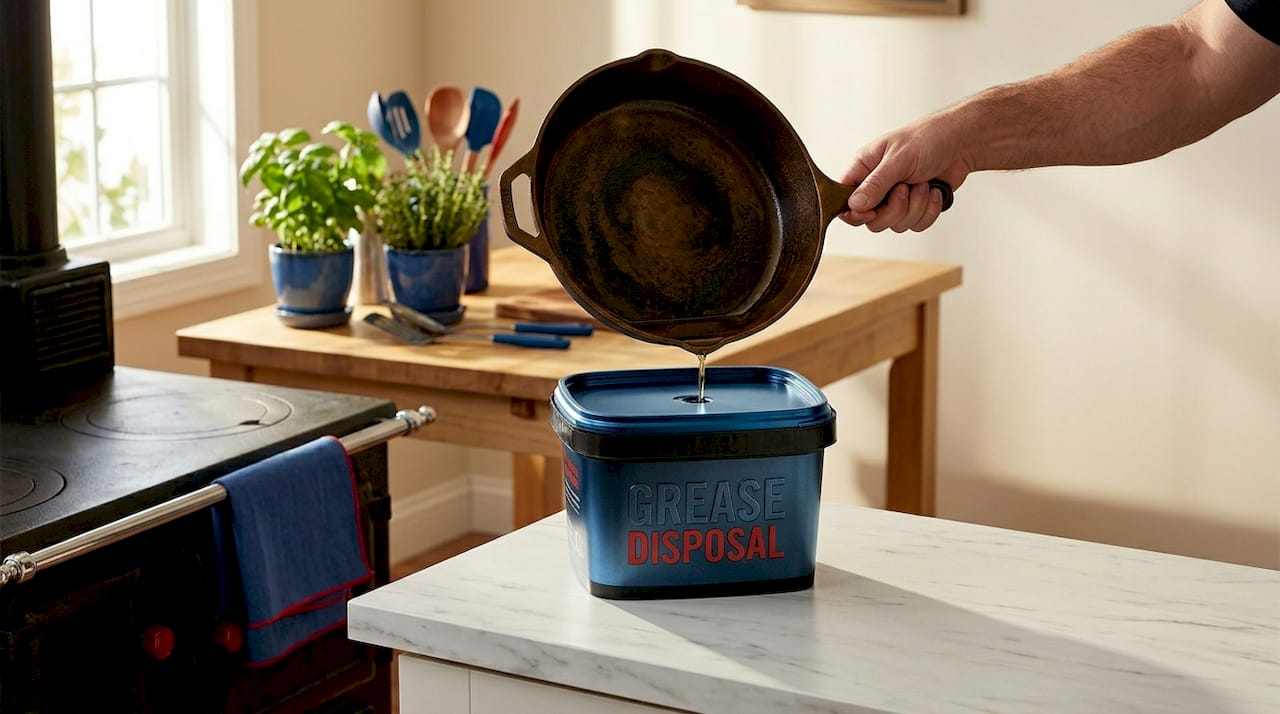
- Dispose of cooking grease in a container. Pour cooled grease into an old jar or can, let it solidify, and throw it in the trash. Never pour it down the drain, even with hot water running, because the water cools before the grease reaches the main line.
- Run hot water after every use. A 30-second flush of hot water after washing dishes or using the bathroom sink helps dissolve soap residue and move light debris through the pipe before it settles.
- Use a hair catcher in the bathroom. Flat silicone hair catchers sit over the drain opening and are rinsed clean in seconds. They work alongside the built-in pop-up stopper to catch what gets past.
Pro Tip: Place a small container next to your stove specifically for grease disposal. When it is full, seal it and toss it. Keeping the container visible makes the habit automatic.
Combining physical barriers with consistent habits like hot water flushing and proper grease disposal reduces clog risk more than any single product or cleaning agent. The goal is to prevent sink blockage at the source, not manage it after the fact.
What maintenance methods keep drains clear long-term?
Physical barriers handle the daily load, but regular maintenance addresses the slow buildup that strainers cannot catch. These are the methods that keep pipes clear over months and years.
Cleaning the P-trap and pop-up stopper is the most impactful maintenance task most homeowners skip. Plumbers recommend cleaning these components every one to three months depending on household use. For the P-trap, place a bucket underneath, unscrew the slip joints by hand, and rinse the curved section clean. No special tools required.
Enzyme-based drain cleaners are the professional preference for routine maintenance. These products introduce bacteria that break down organic matter like grease and hair gradually without damaging pipe walls. Brands like Bio-Clean and Green Gobbler offer enzyme formulas designed for monthly use. They work slowly, so they are not a fix for an active clog. They are a prevention tool.
Avoid chemical drain cleaners like Drano or Liquid-Plumr for regular use. These products contain lye or sulfuric acid that can damage pipes over time, particularly older PVC or metal plumbing. Physical removal methods, meaning a drain snake or manual P-trap cleaning, are always preferable before reaching for chemicals.
Knowing when to call a professional is part of good maintenance. Watch for these warning signs:
- Slow drainage that returns after you have already cleared the visible blockage. This often signals buildup deeper in the branch line.
- Gurgling sounds from the drain after water runs. Gurgling means air is being displaced by a partial blockage somewhere in the system.
- Persistent odors coming from the drain even after cleaning. Odor indicates organic material decomposing inside the pipe.
- Multiple slow drains at once. When more than one fixture drains slowly, the problem is likely in the main line, not the individual sink.
Slow drainage and odors are early indicators homeowners frequently overlook, which delays effective prevention and turns a maintenance issue into a repair. You can review the signs your drains need professional cleaning to know exactly when DIY methods are no longer enough.
Step-by-step routine for avoiding clogged drains
A consistent schedule is what separates homeowners who rarely deal with clogs from those who call a plumber every few months. Here is a practical maintenance schedule built around the methods above:
Daily
- Run hot water for 30 seconds after each use of the kitchen or bathroom sink.
- Empty strainers and hair catchers of any collected debris.
- Wipe greasy cookware before washing.
Weekly
- Pour a kettle of near-boiling water slowly down the kitchen drain to flush grease residue.
- Check the bathroom pop-up stopper for hair accumulation and remove it by hand.
Monthly
- Pour half a cup of baking soda followed by half a cup of white vinegar down each drain. Wait 15 minutes, then flush with hot water. This loosens minor buildup and deodorizes the drain without damaging pipes.
- Apply an enzyme-based cleaner to kitchen and bathroom drains per the product instructions.
Every 3 months
- Remove and clean the P-trap under each sink.
- Pull and clean the pop-up stopper assembly in bathroom sinks.
The most common mistakes homeowners make are pouring grease down the drain while running hot water (the water cools before the grease clears the pipe), ignoring a slow drain until it stops completely, and mixing baking soda treatments with chemical cleaners. Mixing these agents can create a reaction that is hard on pipes and ineffective at clearing clogs.
For minor active clogs, a cup plunger or a basic drain snake handles most situations without chemicals. If a clog recurs on the same fixture, that is a signal the problem is in the branch line and requires professional drain cleaning equipment to resolve. For a broader look at what can go wrong, the common plumbing repair issues guide covers the full range of problems homeowners face.
| Method | Best for | Frequency |
|---|---|---|
| Hot water flush | Grease and soap residue | Daily or after each use |
| Baking soda and vinegar | Minor buildup and odor | Monthly |
| Enzyme-based cleaner | Organic matter breakdown | Monthly |
| P-trap cleaning | Hair and sediment removal | Every 3 months |
| Professional drain cleaning | Deep buildup and recurring clogs | Annually or as needed |
Key takeaways
Preventing clogged sinks requires blocking debris at the drain entry point, maintaining regular cleaning routines, and recognizing warning signs before they become expensive repairs.
| Point | Details |
|---|---|
| Block debris at the source | Use mesh strainers and hair catchers on every drain to stop the primary clog materials. |
| Grease disposal matters | Let cooking grease solidify in a container and discard it in the trash, never down the drain. |
| Clean P-trap and pop-up stopper | Remove and rinse these components every one to three months to clear hidden buildup. |
| Use enzyme cleaners for maintenance | Monthly enzyme-based treatments break down organic residue without damaging pipes. |
| Know when to call a professional | Recurring clogs, gurgling sounds, and multiple slow drains signal a problem beyond DIY fixes. |
What I have learned after years of watching homeowners deal with drain problems
Most people treat a slow drain as a minor annoyance and ignore it for weeks. By the time they act, the buildup has hardened, the P-trap is packed, and what could have been a five-minute fix becomes a service call. I have seen this pattern repeat more times than I can count.
The honest truth is that preventing clogs is almost embarrassingly simple. A mesh strainer and a monthly baking soda flush handle the vast majority of residential drain problems. The difficulty is not the method. It is the habit. People know they should not pour grease down the drain, but they do it anyway because it is convenient in the moment.
What I find most underestimated is the value of cleaning the P-trap. Most homeowners have never done it. It takes under five minutes, requires no tools, and removes the exact material that causes slow drainage in most sinks. If you do nothing else from this guide, do that.
The other thing worth saying directly: chemical drain cleaners are not a prevention strategy. They are a temporary fix that can make your pipes worse over time. Enzyme-based products are slower and less satisfying to use, but they are what professionals actually recommend for ongoing maintenance. The plumbing maintenance checklist at Ag-plumbing lays out a full home care routine worth bookmarking.
When prevention fails and clogs keep coming back, that is not a sign you need better habits. It is a sign the problem has moved deeper into the line and needs professional equipment to clear properly.
— Maayan
Professional drain cleaning services in Pittsburgh, PA
Ag-plumbing has served Pittsburgh, PA homeowners for 30 years, and the team sees the same pattern repeatedly: a slow drain that was ignored for months turns into a blocked line that requires professional intervention. The drain cleaning services at Ag-plumbing use professional-grade equipment that reaches buildup DIY methods cannot touch, clearing the branch lines and main drain where recurring clogs originate. For homeowners dealing with persistent slow drains, odors, or multiple affected fixtures, a professional inspection identifies the root cause before it becomes an emergency. Contact Ag-plumbing to schedule a plumbing repair or drain cleaning appointment and get ahead of the problem.
FAQ
What is the most effective way to prevent sink clogs?
The most effective prevention combines a mesh drain strainer with consistent habits like wiping grease before washing dishes and running hot water after each use. Physical barriers stop the primary clog materials before they enter the pipe.
Why does my sink keep clogging even after I clear it?
Recurring clogs on the same fixture typically indicate buildup in the branch line rather than at the drain opening. Short-term fixes do not resolve deep-rooted buildup, and professional drain cleaning equipment is needed to clear the line fully.
Can I use baking soda and vinegar to unclog a sink?
Baking soda and vinegar work best for minor buildup and odor prevention rather than active clogs. Pour half a cup of baking soda followed by half a cup of vinegar, wait 15 minutes, then flush with hot water for best results.
Are chemical drain cleaners safe to use regularly?
Chemical drain cleaners like those containing lye or sulfuric acid can damage pipe walls over time and are not recommended for regular use. Enzyme-based cleaners are the professional preference for routine maintenance because they break down organic matter gradually without harming pipes.
When should I call a plumber for a clogged drain?
Call a plumber when you notice slow drainage returning after clearing a clog, gurgling sounds from the drain, persistent odors, or multiple fixtures draining slowly at the same time. These signs point to buildup in the main or branch line that requires professional equipment to resolve.
Recommended
- Why clog prevention matters for Pittsburgh homeowners – AG-Plumbing
- How to Fix Noisy Pipes: A Practical Home Guide – AG-Plumbing
- Sewer Line Warning Signs Every Homeowner Should Know – AG-Plumbing
- Clear Sewer Line Blockages: 2026 Homeowner’s Guide – AG-Plumbing
