
TL;DR:
- Preventing water leaks is the most effective way for Pittsburgh residents to avoid costly structural damage, mold, and high utility bills. Regular inspections, smart detection systems, and proper maintenance help early identification and prevention of leaks before they cause extensive harm. Adopting proactive measures preserves property value, reduces health risks, and saves money over time.
Preventing water leaks is the single most cost-effective action a Pittsburgh homeowner or renter can take to protect their property. The U.S. EPA reports that household leaks waste nearly 10,000 gallons per year in the average home, and fixing them cuts water bills by up to 10%. That is not a minor inconvenience. Untreated leaks cause structural damage, mold growth, and insurance complications that cost far more than any repair. This guide explains why preventing water leaks matters, what causes them, how to stop them, and what Pittsburgh residents specifically stand to gain from acting early.
Why prevent water leaks before they become costly problems
Water leak prevention, the practice of identifying and eliminating leak sources before damage occurs, is now the standard approach recommended by plumbing professionals and property managers alike. The old model was reactive: wait for a visible problem, then call a plumber. That model is expensive. Liquid damage from leaks is more than twice as likely to cause property damage than fire, yet most homeowners spend far more time thinking about fire safety than water safety.
Pittsburgh’s climate adds another layer of risk. Freeze-thaw cycles in winter stress pipes, and heavy spring rainfall raises groundwater pressure against foundations. A small crack in a supply line or a worn toilet flapper does not stay small for long. Early detection and main valve knowledge are the two factors most critical to avoiding costly repairs. Knowing where your shutoff valve is before a pipe bursts is not optional preparation. It is the difference between a $200 fix and a $20,000 restoration.
The water management industry has shifted its focus from reactive repairs to proactive prevention with smart monitoring. Pittsburgh homeowners who adopt this mindset protect their property value, lower their monthly bills, and avoid the health risks that come with water damage.
What causes water leaks and why do they often go unnoticed?
Most leaks do not start with a burst pipe. They start with small, gradual failures in components that most homeowners never inspect.
- Worn toilet flappers. The flapper is the rubber seal at the bottom of your toilet tank. It degrades over time and allows water to trickle continuously into the bowl. Replacing worn toilet flappers every five years prevents thousands of gallons of waste that you never see or hear.
- Faucet washers and O-rings. A dripping faucet losing one drop per second wastes more than 3,000 gallons annually. Replacing the washer costs under $5 and takes 20 minutes.
- Faulty seals and loose fittings. Connections under sinks, behind appliances, and at supply valves loosen over time. Vibration from dishwashers and washing machines accelerates this process.
- Corroded or aging pipes. Pittsburgh homes built before 1980 often have galvanized steel or cast iron pipes that corrode from the inside out. The exterior looks fine until a section fails completely.
- Irrigation and outdoor systems. Underground irrigation lines crack from frost and root intrusion. Because they run below grade, leaks go undetected for entire seasons.
The reason so many leaks go unnoticed is that they hide inside walls, under floors, and behind appliances. A toilet leak produces no puddle. A slow pipe drip inside a wall shows up only after mold has already formed.
Pro Tip: Drop a few drops of food coloring into your toilet tank and wait 15 minutes without flushing. If color appears in the bowl, your flapper is leaking silently and wasting water every hour of every day.
You can also test your water meter for hidden leaks by turning off every water source in your home and recording the meter reading. Wait two hours without using any water, then check the meter again. Any increase confirms a leak somewhere in the system.
How do water leaks affect your home’s structure, finances, and health?
The consequences of untreated leaks extend well beyond a higher water bill. They fall into three categories: structural, financial, and health-related.
“Mold growth begins within 24 to 48 hours of moisture exposure. By the time you see discoloration on a wall or smell something musty, the damage behind that wall is already significant.”
Structural damage
Water weakens drywall, subfloor materials, and wood framing. A slow leak inside a wall can rot structural members over months without any visible sign. Foundation leaks in Pittsburgh basements, common after heavy rain or snowmelt, create hydrostatic pressure that cracks concrete and shifts footings. Small undetected leaks escalate rapidly, turning a $300 pipe repair into a $15,000 structural restoration.
Financial and insurance impact
| Impact area | What it costs you |
|---|---|
| Wasted water | Up to 10,000 gallons per year added to your utility bill |
| Emergency repairs | Significantly more expensive than scheduled maintenance |
| Mold remediation | Ranges from hundreds to thousands of dollars depending on scope |
| Insurance claims | Repeated claims raise premiums or trigger policy non-renewal |
| Property value | Visible water damage history reduces resale value |
Annual plumbing inspections catch these problems before they compound. Routine maintenance costs a fraction of what emergency repairs demand.
Health risks
Mold produced by water intrusion releases spores that aggravate asthma, trigger allergies, and cause respiratory illness. Children, elderly residents, and anyone with a compromised immune system face the highest risk. Renters in Pittsburgh are not exempt. If a landlord fails to address a leak, mold exposure becomes a tenant health issue with potential legal implications.
What are effective strategies and tools to prevent water leaks in your home?
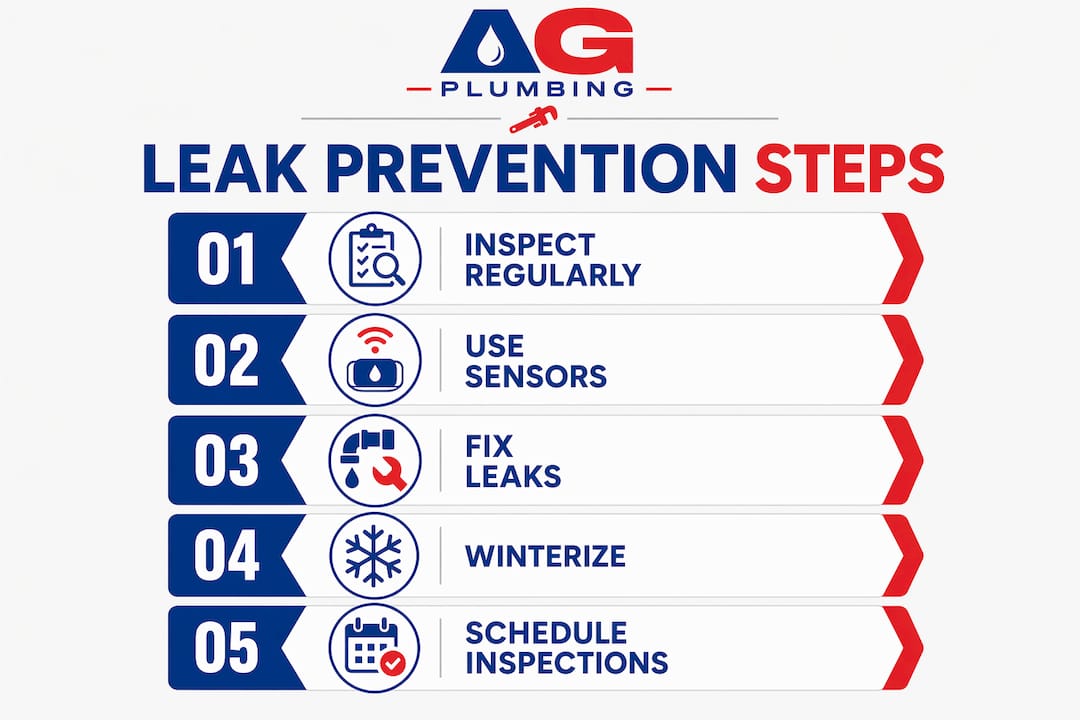
Prevention works on two levels: regular maintenance that catches problems early, and technology that monitors your system continuously.
Routine maintenance steps
- Inspect supply lines annually. Check the braided steel hoses behind toilets, under sinks, and connecting your washing machine. Replace any line showing kinks, rust, or bulging.
- Test your water pressure. Pressure above 80 psi stresses fittings and accelerates wear. A pressure-reducing valve, installed by a licensed plumber, keeps your system in a safe range.
- Clear gutters and downspouts. Clogged gutters force water against your foundation. In Pittsburgh, where fall leaf accumulation is heavy, clean gutters at least twice a year.
- Insulate exposed pipes before winter. Pipes in unheated crawl spaces, garages, and exterior walls are vulnerable to freezing. Foam pipe insulation costs very little and prevents catastrophic burst pipes.
- Follow a structured plumbing maintenance checklist to cover every system in your home on a consistent schedule.
Pro Tip: Before Pittsburgh’s first hard freeze each year, disconnect and drain all outdoor hoses and shut off exterior hose bibs from inside the house. Leaving a hose connected traps water in the bib and pipe, which freezes and splits the fitting.
Smart leak detection technology
| Technology | How it works | Best for |
|---|---|---|
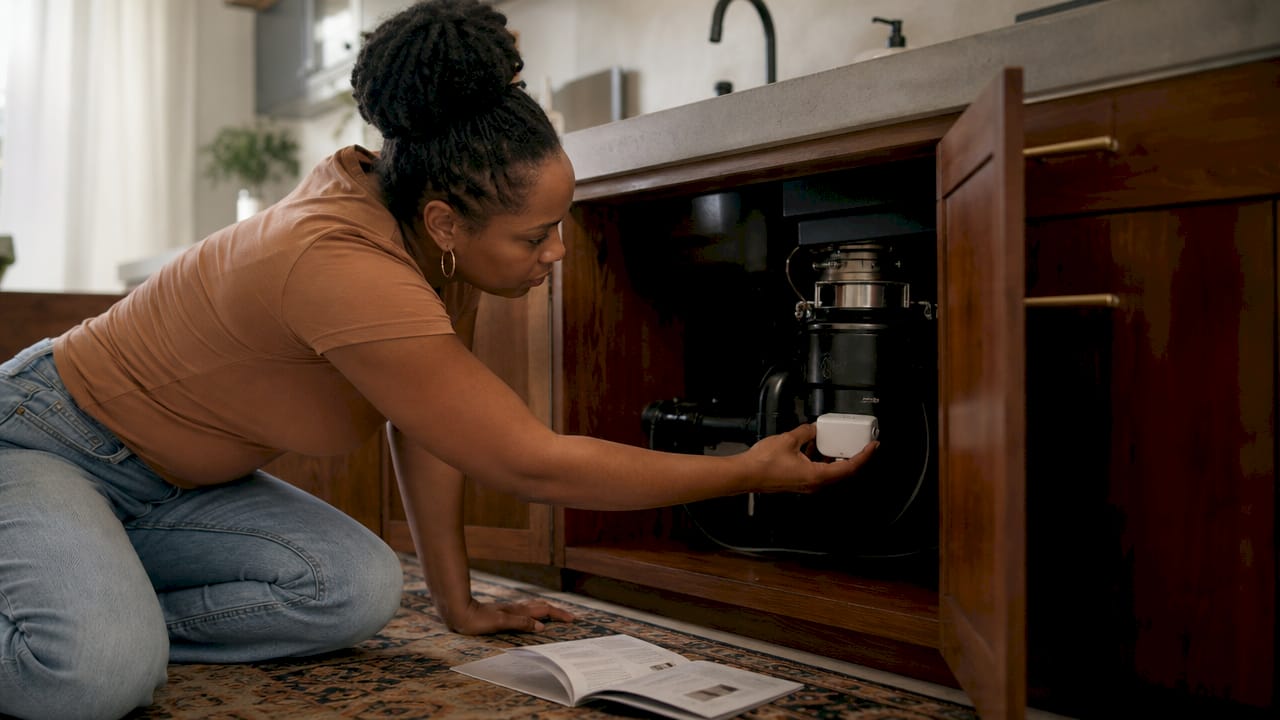
| Point sensors | Placed near appliances and under sinks; alerts when moisture is detected | Renters and apartment dwellers |
| Whole-home shutoff systems | Monitors flow patterns and shuts off water automatically if a leak is detected | Homeowners with finished basements |
| Smart water meters | Track usage in real time via app; flag unusual consumption | Vacation homes and properties left unoccupied |
Smart water leak detectors with automatic shutoff reduce damage and water waste by eliminating the delay between a leak starting and a human responding. Brands like Moen Flo, Phyn, and LeakSmart integrate with home automation systems and send alerts directly to your phone. Automatic shutoff systems reduce human response delay and minimize secondary damage, which is particularly valuable when you are traveling or away from home for extended periods.
Effective prevention combines maintenance, smart detection, and fixture replacement to address every potential leak point in a home. No single approach covers everything.
What are the benefits of proactive leak prevention for Pittsburgh homeowners and renters?
The benefits of leak prevention are concrete and measurable, not abstract.
- Lower utility bills. Fixing household leaks saves up to 10% on water bills, and proactive leak detection reduces water usage by 15 to 30% through early intervention. For a Pittsburgh household paying average water rates, that adds up to real savings every month.
- Avoided repair costs. Early leak repair saves far more than it costs. Homeowners consistently underestimate the cost of inaction, treating a small drip as a low-priority item until it becomes a structural emergency.
- Preserved property value. Water damage history shows up in home inspections and depresses sale prices. A well-maintained, leak-free home commands a stronger market position in Pittsburgh’s competitive real estate environment.
- Reduced insurance risk. Insurers track claims history. Multiple water damage claims within a short period can trigger premium increases or policy cancellation. Prevention keeps your claims record clean.
- Better health outcomes. Eliminating moisture sources removes the conditions mold needs to grow. This is especially relevant in older Pittsburgh homes with basements and crawl spaces that already trend toward higher humidity.
- Environmental responsibility. Wasting 10,000 gallons per year per household is a measurable drain on municipal water systems. Pittsburgh’s water infrastructure, like most aging American cities, benefits when residents reduce unnecessary consumption.
For renters specifically, documenting and reporting leaks immediately protects you legally and ensures your landlord addresses problems before they affect your living conditions or your belongings.
Key takeaways
Preventing water leaks is the most cost-effective way to protect a Pittsburgh home from structural damage, high utility bills, and mold-related health risks.
| Point | Details |
|---|---|
| Leaks waste thousands of gallons | The average home loses nearly 10,000 gallons per year to leaks, raising bills and stressing infrastructure. |
| Hidden leaks cause the most damage | Toilet flappers, wall pipes, and irrigation lines fail silently; use the food coloring test and water meter check to find them. |
| Mold starts within 48 hours | Moisture from any leak source triggers mold growth fast, creating health risks before visible signs appear. |
| Prevention beats emergency repair | Annual inspections and smart detection systems cost far less than structural repairs or mold remediation. |
| Pittsburgh winters demand extra steps | Insulating pipes, draining outdoor hoses, and clearing gutters are non-negotiable seasonal tasks for local homeowners. |
What I’ve learned after years of watching homeowners wait too long
The most common mistake I see is treating a small leak as a future problem. A dripping faucet, a toilet that runs for a few seconds after flushing, a faint water stain on a basement wall. These are not minor annoyances. They are early warnings that most people ignore until the repair bill arrives.
The second mistake is assuming that because a home is newer, it is not at risk. Newer construction uses flexible supply lines and plastic fittings that fail in different ways than old galvanized pipe. The failure modes change. The risk does not.
What actually works, in my experience, is combining a twice-yearly visual inspection with at least one smart sensor near your water heater and washing machine. Those two locations account for a disproportionate share of serious water damage claims. Adding a whole-home shutoff system is worth the investment for anyone who travels regularly or owns a property they do not occupy full time.
The technology argument is not about replacing a plumber. It is about closing the gap between when a leak starts and when you find out about it. That gap is where the real damage happens. A sensor that wakes you up at 2 a.m. because your water heater is leaking is worth more than any amount of reactive repair work.
Act before the stain appears. The signs of a hidden leak are almost always there if you know what to look for.
— Maayan
Protect your Pittsburgh home with professional plumbing support
Ag-plumbing has served Pittsburgh homeowners and renters for 30 years, providing leak detection, pipe inspections, fixture replacements, and emergency plumbing repairs across the greater Pittsburgh area. If you have noticed a spike in your water bill, a soft spot in your floor, or any sign of moisture where it should not be, a professional inspection is the fastest way to find the source and stop the damage. Ag-plumbing’s licensed plumbers use current detection technology alongside hands-on expertise to catch problems that visual checks miss. Visit AG Heating, Cooling & Plumbing to schedule an inspection, or explore plumbing repair services for immediate support.
FAQ
How much water do household leaks waste per year?
The U.S. EPA estimates that the average home loses nearly 10,000 gallons annually to leaks. Fixing those leaks saves up to 10% on water bills.
What are the first signs of a water leak in your home?
Common signs include unexplained increases in your water bill, water stains on ceilings or walls, musty odors, and soft or warped flooring. A rising water meter reading when no water is in use also confirms a hidden leak.
How quickly does mold grow after a water leak?
Mold begins growing within 24 to 48 hours of moisture exposure. This means even a slow, hidden leak can produce a mold problem before any visible damage appears on surfaces.
What is the easiest way to check for a toilet leak?
Add a few drops of food coloring to the toilet tank and wait 15 minutes without flushing. If color appears in the bowl, the flapper is leaking and needs replacement.
Should Pittsburgh homeowners take any special steps before winter?
Disconnect and drain outdoor hoses, shut off exterior hose bibs from inside, and insulate pipes in unheated spaces like garages and crawl spaces. Pittsburgh’s freeze-thaw cycles make these steps critical for avoiding burst pipes each season.
Recommended
- Why Fix Leaks Early: a Pittsburgh Homeowner’s Guide – AG-Plumbing
- Cost-saving plumbing tips for Pittsburgh homeowners – AG-Plumbing
- Smart Plumbing Tips Every Pittsburgh Homeowner Needs – AG-Plumbing
- How to clean water lines: Pittsburgh homeowner guide – AG-Plumbing
