

TL;DR:
- Copper piping is a durable, fire-resistant material that provides antimicrobial protection and long-lasting performance in Pittsburgh homes. Proper installation, insulation, and water chemistry management are essential to maximize its lifespan amid local climate challenges. Despite higher upfront costs, copper’s longevity and safety benefits make it the preferred choice for potable water supply lines.
Copper piping is the most proven plumbing material for residential and commercial water systems, delivering durability, fire resistance, and antimicrobial protection that plastic alternatives cannot match. Pittsburgh homeowners and property developers face specific challenges: hard winters, variable water chemistry, and aging housing stock that demands materials built to last. Copper has served those demands reliably for decades. This guide breaks down the core copper piping advantages, compares it directly with PEX and PVC, and gives you practical guidance tailored to Pittsburgh’s conditions.
Why choose copper piping over other materials
Copper piping, formally classified as Types K, L, and M copper tube under ASTM B88 standards, outperforms competing materials on four critical performance dimensions: corrosion resistance, fire safety, antimicrobial behavior, and thermal stability.
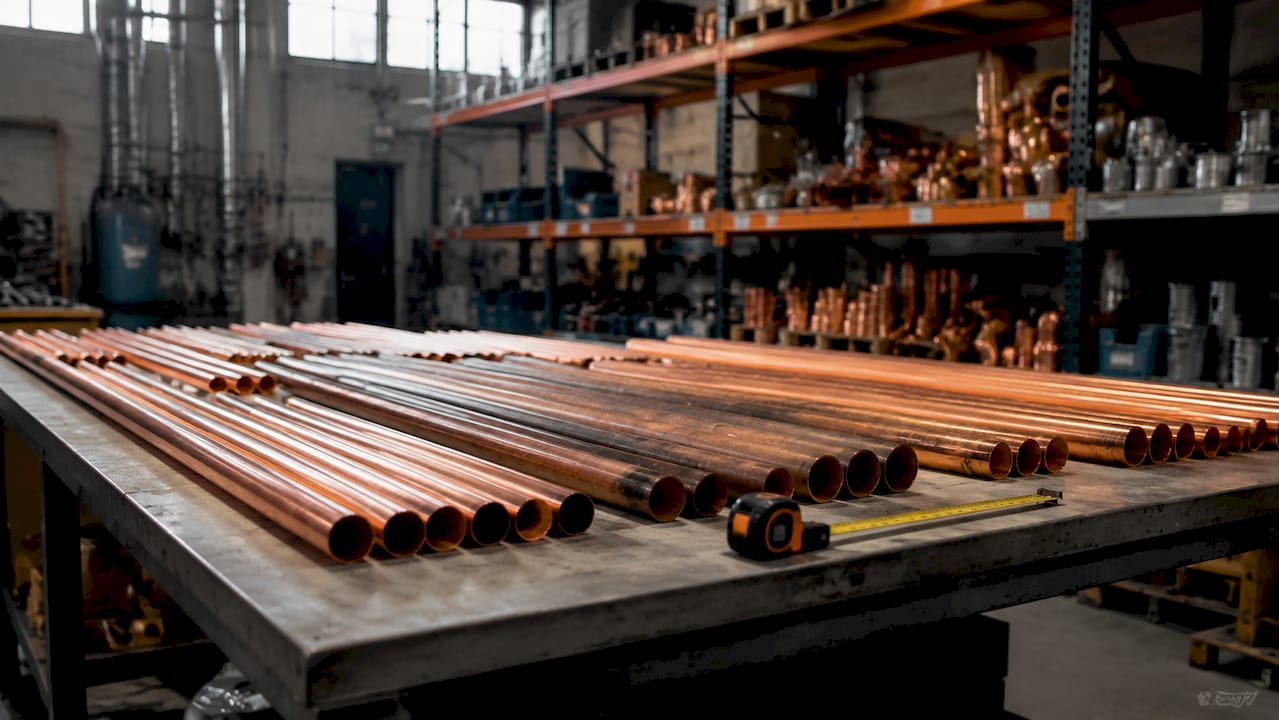
Corrosion resistance is copper’s most misunderstood advantage. Copper does not simply resist rust. It forms a protective oxide layer on its interior surface over time, creating a stable patina that shields the metal from further chemical attack. That self-protecting quality is why copper pipes installed in the 1960s are still running in Pittsburgh row houses today.
Fire safety is a factor most homeowners overlook until it matters. Copper will not burn or release toxic gases, and it is approved for fire sprinkler systems under NFPA 13. That approval matters for insurance underwriters and building code compliance, especially in concealed wall cavities where a burning pipe could be catastrophic.
Here is a summary of copper’s core performance advantages:
- Antimicrobial protection: Copper’s biostatic behavior prevents bacterial growth inside the pipe, keeping potable water cleaner without chemical treatment.
- Thermal conductivity: Copper handles both high-temperature hot water and cold supply lines without warping or off-gassing, unlike some plastic variants.
- Pressure tolerance: Copper maintains structural integrity under the pressure fluctuations common in older Pittsburgh municipal supply lines.
- Environmental profile: Copper is fully recyclable without degradation, giving it a lower lifecycle environmental impact than most plastic piping.
Pro Tip: When reviewing a Pittsburgh property for renovation, check whether existing copper pipes have developed a blue-green patina on the exterior. Light patina is normal and protective. Heavy white or green deposits near joints signal a water chemistry problem worth addressing before it shortens pipe life.
How does copper perform in pittsburgh’s climate?
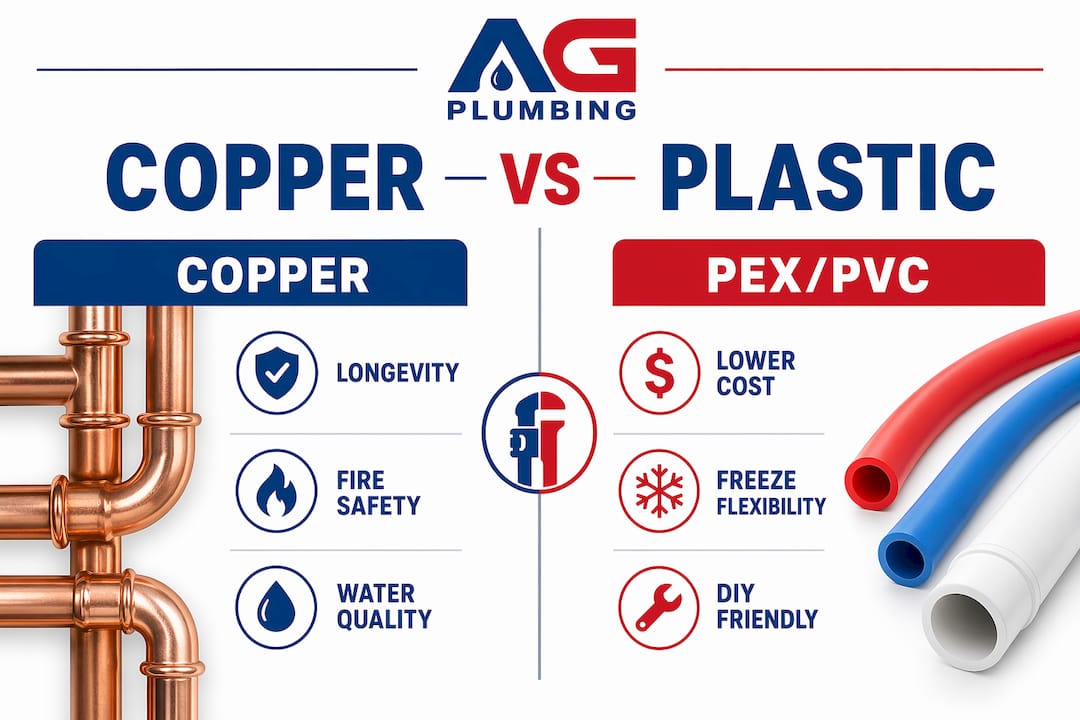
Pittsburgh’s climate creates two specific threats to any plumbing system: hard freezes from november through march and water chemistry that varies across the city’s distribution zones. Copper handles both, but only when installed correctly.
Freeze damage is copper’s most significant mechanical vulnerability. Copper is rigid. When water freezes inside a rigid pipe, it expands and can split the pipe wall if there is no room to flex. PEX can expand slightly and recover, which is why some contractors favor it for exposed runs in unheated spaces. For copper, the answer is proper insulation. Pipe lagging and insulation in any unheated area, including crawl spaces, garages, and exterior walls, is non-negotiable in Pittsburgh.
Water chemistry is the second local factor. Pittsburgh’s water supply is treated and generally within safe pH ranges, but variations in alkalinity and mineral content affect how quickly copper’s internal patina forms and stabilizes. Low pH water is more aggressive and can accelerate copper release into the water supply. The fix is corrosion control, which means maintaining stable pH and alkalinity through proper system design and, when necessary, point-of-entry treatment.
Proper installation technique also determines how well copper performs locally. Joints must be correctly soldered or fitted, pipes must be supported at the right intervals with appropriate hangers, and the system must be sized to promote steady flow. These factors directly influence long-term watertight performance and water quality. Cutting corners on installation in Pittsburgh’s climate is how a 50-year material ends up failing in 15.
Pro Tip: Before winter, walk your basement and check every copper pipe run near an exterior wall or rim joist. Any pipe you can touch with a cold hand in January needs foam pipe insulation. A $10 insulation sleeve prevents a $500 burst pipe repair.
Copper vs. PEX and PVC: which pipe wins?
The honest answer is that copper, PEX, and PVC each have a legitimate place in modern plumbing. The question is which material fits your specific project, budget, and timeline. For Pittsburgh homeowners focused on choosing the best plumbing pipes, the comparison comes down to five factors.
| Factor | Copper | PEX | PVC |
|---|---|---|---|
| Material cost per foot | $2.00–$8.00 | $0.50–$2.00 | $0.25–$1.00 |
| Labor complexity | High (soldering required) | Low (push-fit or crimp) | Low to medium |
| Lifespan | 50+ years with proper care | 25–40 years estimated | 25–40 years |
| Fire resistance | Excellent (NFPA 13 approved) | Poor (melts, releases fumes) | Poor (melts, releases fumes) |
| UV and rodent resistance | Excellent | Poor (UV degrades PEX) | Moderate |
Copper material costs range from $2.00 to $8.00 per foot, and skilled soldering adds labor time that plastic installation does not require. That upfront cost gap is real. For a full home repiping project, copper can cost two to three times more than PEX in total installed price.
Where copper earns back that premium is in longevity and performance. Copper fittings sit outside the pipe bore, preserving the full internal diameter and maintaining water pressure and flow rate. Plastic push-fit fittings insert into the pipe, reducing the bore and creating minor flow restrictions that compound across a large system. In a home with 20 or more fittings, that difference is measurable at the faucet.
PEX is the right call for tight budgets, DIY-friendly renovations, or runs in unheated spaces where freeze flexibility matters. PVC works well for drain, waste, and vent lines. But for potable water supply lines in a Pittsburgh home where you plan to stay for 20 or more years, copper remains the most reliable long-term choice.
You can also compare copper directly with plastic piping options or review PEX piping specifics to make a fully informed decision for your project.
What are the best practices for installing copper pipes?
Installation quality determines whether copper delivers its full 50-plus-year lifespan or fails prematurely. These are the practices that separate a professional copper installation from a problem waiting to happen.
- Use properly soldered joints. Soldered copper joints create a chemically bonded metal connection that becomes part of the pipe itself. Rubber O-ring fittings in push-fit systems can degrade over decades. For permanent supply lines, soldering is the gold standard.
- Isolate copper from dissimilar metals. Direct contact between copper and dissimilar metals causes galvanic corrosion, one of the most common failure points in older Pittsburgh homes where copper meets iron or steel components. Use dielectric unions or plastic-lined fittings at every transition.
- Support pipes at correct intervals. Copper must be hung with properly spaced hangers to prevent stress on joints. Unsupported runs vibrate, work loose over time, and develop leaks at solder points.
- Insulate every at-risk run. Any copper pipe in an unheated space, near an exterior wall, or in a crawl space needs foam or fiberglass insulation before Pittsburgh’s first hard freeze.
- Test water chemistry before installation. If your home has a history of pipe corrosion issues, test pH and alkalinity before committing to copper. Aggressive water chemistry shortens pipe life and can elevate copper levels in drinking water.
Pro Tip: Schedule a plumbing inspection every five years in a Pittsburgh home with copper supply lines. A licensed plumber can spot early signs of pinhole corrosion, joint weeping, or patina irregularities before they become full failures. Catching a $200 problem early beats a $2,000 water damage repair.
Key takeaways
Copper piping delivers unmatched longevity, fire safety, and water quality protection for Pittsburgh homes when installed correctly and maintained with attention to local climate and water chemistry.
| Point | Details |
|---|---|
| Antimicrobial water safety | Copper’s biostatic properties prevent bacterial growth, making it the safest choice for potable water lines. |
| Fire resistance advantage | Copper is NFPA 13 approved and will not burn or release toxic gases, unlike PEX or PVC. |
| Higher upfront cost | Material runs $2.00–$8.00 per foot, but the 50-plus-year lifespan offsets the premium over time. |
| Freeze protection is required | Pittsburgh winters demand pipe insulation on every copper run in unheated or exposed spaces. |
| Installation quality matters | Soldered joints, correct support, and dissimilar-metal isolation are non-negotiable for long-term performance. |
Why i still recommend copper for most pittsburgh projects
After years of reviewing plumbing systems across Pittsburgh homes, I keep coming back to the same conclusion: copper is the material you choose when you are building or renovating something you want to last.
The argument against copper usually starts and ends with cost. And yes, the upfront price is higher. But I have walked through Pittsburgh homes with 60-year-old copper supply lines that are still performing without a single pinhole. I have also seen PEX installations from the early 2000s that needed partial replacement within 20 years due to fitting failures and UV degradation in exposed areas. The math on longevity favors copper when you run it out over a full ownership horizon.
The fire resistance point is one I think gets undervalued by homeowners. In a Pittsburgh row house or older colonial where pipes run through interior wall cavities, having a non-combustible pipe material is a genuine safety asset. Insurance underwriters recognize it. Building inspectors recognize it. You should too.
My honest advice: use copper for all potable water supply lines where the budget allows. Use PEX for exposed runs in unheated spaces where freeze flexibility is worth more than longevity. Never use PVC for supply lines. And regardless of material, hire a plumber who knows how to solder correctly and understands Pittsburgh’s water chemistry. The material is only as good as the installation behind it.
— Maayan
Ag-plumbing helps pittsburgh homeowners get copper right
Copper piping rewards good installation and punishes shortcuts. Ag-plumbing brings 30 years of Pittsburgh plumbing experience to every copper pipe project, from full home repiping to targeted repairs on aging supply lines.
The Ag-plumbing team understands Pittsburgh’s water chemistry, freeze risk zones, and the specific challenges of older housing stock across neighborhoods like Squirrel Hill, Lawrenceville, and Mt. Lebanon. Whether you need a new copper installation, a repair on an existing system, or an honest assessment of whether copper is right for your project, Ag-plumbing delivers straight answers and quality work. Contact Ag-plumbing through Pittsburgh plumbing services or explore plumbing repair options to get started.
FAQ
What makes copper piping better for drinking water?
Copper’s antimicrobial properties prevent bacterial growth inside the pipe, keeping potable water safer without chemical additives. No plastic alternative offers the same biostatic protection.
How long do copper pipes last in pittsburgh homes?
Copper pipes last 50 or more years with proper installation and maintenance. Pittsburgh’s freeze risk and water chemistry require insulation and corrosion monitoring to reach that full lifespan.
Is copper piping worth the higher cost compared to PEX?
Copper costs $2.00–$8.00 per foot versus $0.50–$2.00 for PEX, but its 50-plus-year lifespan, fire resistance, and superior flow performance make it the better long-term investment for permanent supply lines.
Can copper pipes freeze and burst in pittsburgh winters?
Yes. Copper is rigid and will split if water freezes inside an uninsulated pipe. Foam pipe insulation on every exposed or unheated run is the standard prevention strategy for Pittsburgh homes.
Does copper piping require special maintenance?
Copper needs periodic inspection for pinhole corrosion, joint integrity, and signs of aggressive water chemistry. A professional inspection every five years catches problems early and extends system life significantly.
Recommended
- Choosing the best plumbing pipes for your Pittsburgh home – AG-Plumbing
- Advantages of updated plumbing for Pittsburgh homeowners – AG-Plumbing
- Plastic Piping for Pittsburgh Homes: Efficient Plumbing – AG-Plumbing
- Why Test for Lead Pipes: A Pittsburgh Homeowner’s Guide – AG-Plumbing
