
TL;DR:
- A sump pump removes water from basements after it enters and is essential with proper installation and backup power. Regular maintenance and timely troubleshooting ensure the pump works effectively during storms when flooding risk is highest. It should be part of a comprehensive waterproofing system, not relied on alone.
A sump pump is an electric device installed in the lowest point of a home’s basement or crawl space, designed to automatically remove accumulated water and protect the foundation from flooding. For homeowners in areas with high water tables, heavy rainfall, or poor drainage, this device is the last line of defense between a dry basement and thousands of dollars in water damage. The role of sump pumps is reactive by design. They do not stop water from entering your home. They remove it once it arrives. Understanding that distinction shapes every decision you make about installation, maintenance, and backup systems.
How do sump pumps work to prevent basement flooding?
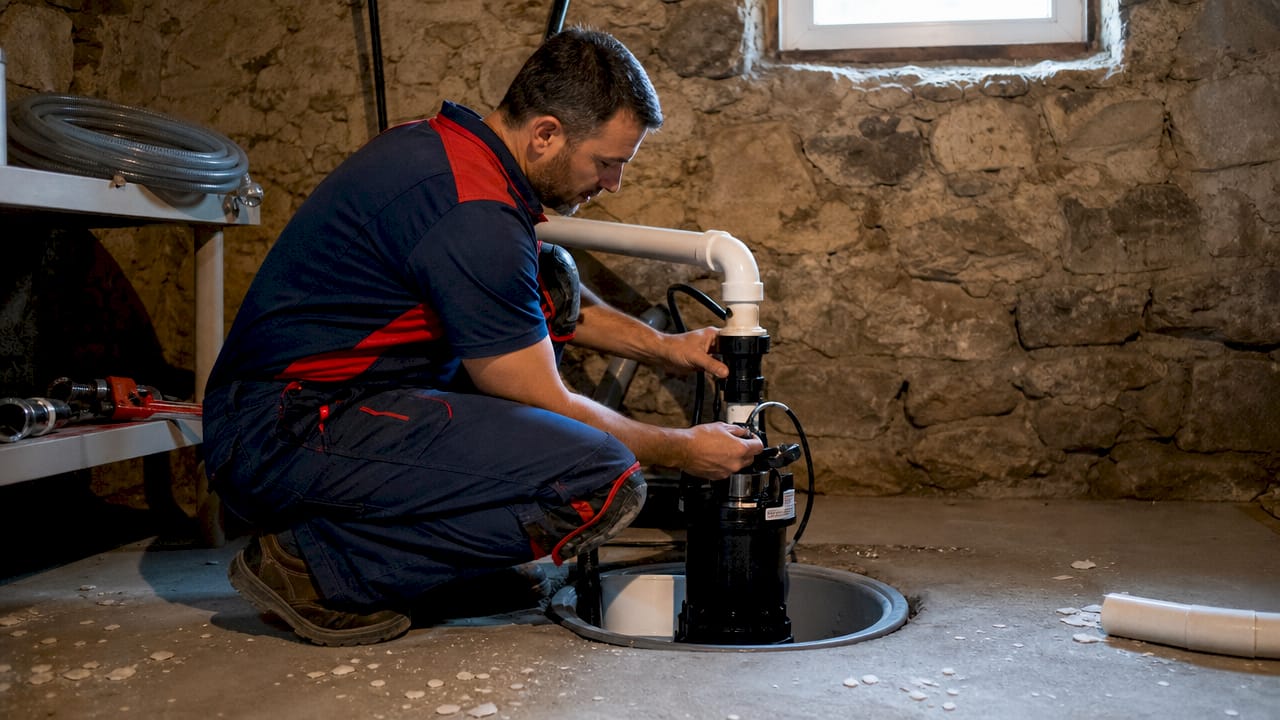
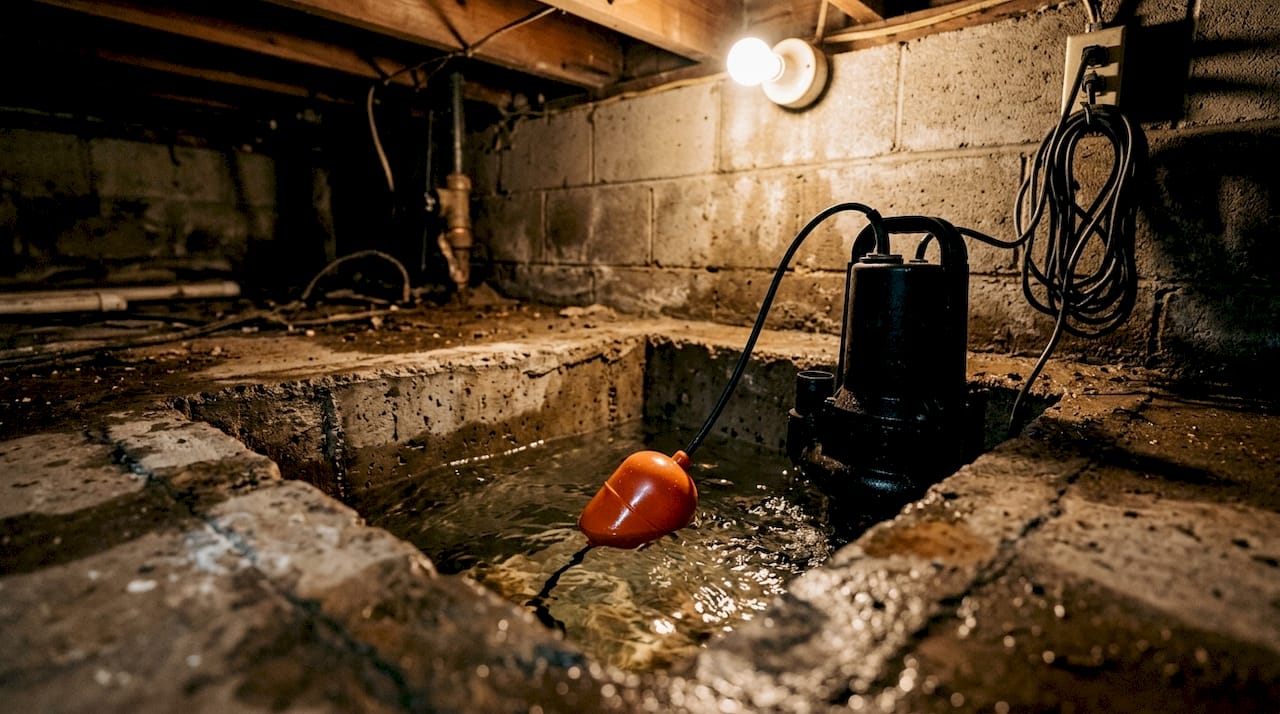
A sump pump sits inside a sump pit, a small basin dug into the lowest point of your basement floor. Groundwater and runoff drain into this pit through the surrounding soil or through an interior drain tile system. When the water level rises high enough, a float switch activates the pump motor, which then pushes the water out through a discharge pipe and away from your foundation.
Two main pump types handle this job differently:
- Submersible sump pumps sit fully submerged inside the pit. They run quieter, handle debris better, and take up less visible space. Most residential installations use this type.
- Pedestal sump pumps mount the motor above the pit on a vertical shaft. They are easier to service but louder during operation and more exposed to wear.
- Float switches are the trigger mechanism. A ball float rises with the water level and flips the switch when it hits a set height. A pressure-activated switch does the same job without moving parts.
- Discharge pipes carry water out of the pit and release it at least 10 feet from the foundation, preventing the same water from cycling back in.
- Check valves on the discharge line stop water from flowing back into the pit once the pump shuts off.
The entire cycle from activation to shutoff takes seconds. That speed matters during a heavy storm when water can enter a basement faster than most homeowners expect.
Why install a sump pump as part of your waterproofing system?
A sump pump works best as one component inside a larger system, not as a standalone fix. Pairing it with an interior drain tile system and a basement waterproofing membrane gives you the most complete protection against groundwater and humidity. Think of the pump as the goalie. It catches what gets through, but the rest of the defense has to do its job first.
Sump pumps manage water that has already entered the basement. They do not prevent intrusion. Proper yard grading, functional downspouts, and foundation drains all reduce how much water reaches the pit in the first place. Skipping those measures and relying solely on a pump puts the entire burden on one device.
The numbers make the case for installation clear. 14.7 million owner-occupied homes reported basement moisture in the past year, yet only 26% of those homes have a sump pump installed. That gap represents millions of basements with no active water removal system at all. For Pittsburgh homeowners, where seasonal rainfall and clay-heavy soil create persistent drainage challenges, that statistic is especially relevant.
You need a sump pump if your basement has flooded before, if your home sits in a low-lying area, or if your water table rises close to the foundation during wet seasons. You also need one if your home has a finished basement with flooring, drywall, or stored belongings that water damage would destroy. The cost of installation is far lower than the cost of remediation after a flood.
Pro Tip: Before installing a sump pump, have a plumber assess your yard grading and downspout routing. Fixing those issues first reduces the workload on the pump and extends its life.
What maintenance do sump pumps need to stay reliable?
A standard sump pump lasts 5–10 years depending on how much water it processes and how consistently it is maintained. Pumps that run constantly due to high water tables wear out faster. Pumps that sit idle for months without testing can fail silently. Neither extreme is good. Regular upkeep is what keeps a pump functional when you actually need it.
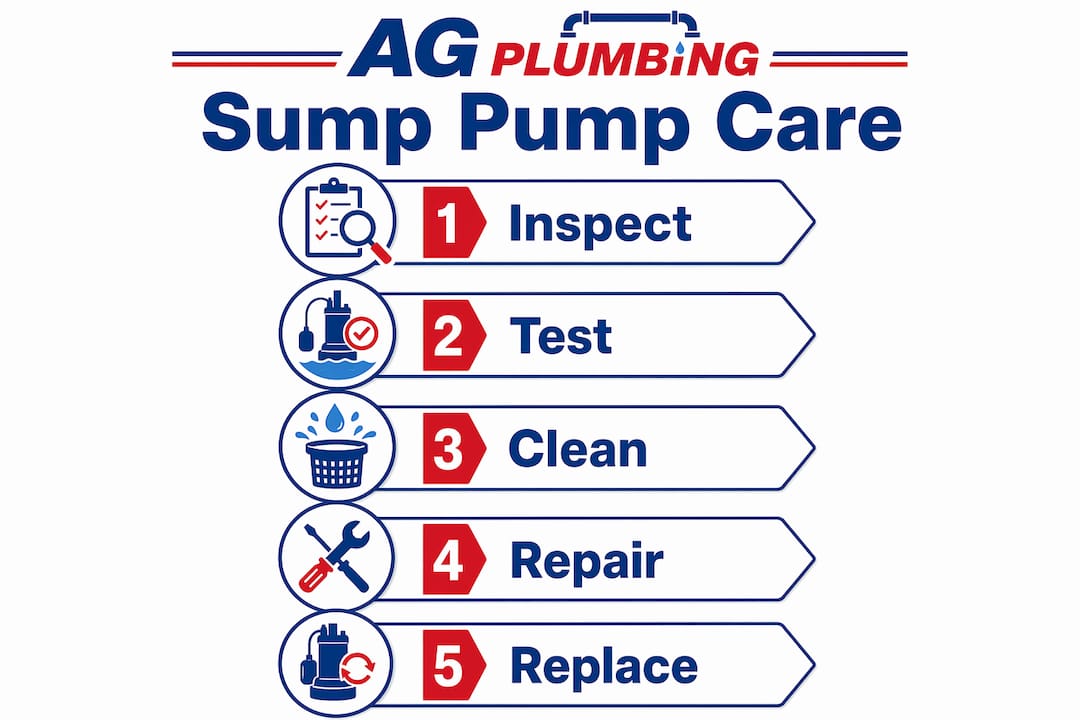
Follow this maintenance routine to protect your investment:
- Test the float switch manually. Pour a bucket of water into the pit and watch the pump activate. Manual testing by pouring water to trigger the float is the only reliable way to confirm the pump works before a storm hits.
- Clean the sump pit annually. Sediment buildup in the pit increases how often the pump cycles and strains the motor. Routine vacuuming of the pit effectively doubles pump lifespan.
- Inspect the discharge line. Check that the pipe is clear of debris and that the outlet is not blocked by ice in winter or vegetation in summer.
- Check the check valve. A failed check valve lets water flow back into the pit, causing the pump to run repeatedly without making progress.
- Examine the power cord and outlet. Corrosion, fraying, or a tripped GFCI outlet can disable the pump without any visible warning.
- Install a battery or generator backup. Power outages during storms render the pump useless at exactly the moment you need it most. A battery backup unit or a generator connection solves this problem directly.
Perform this checklist every spring before heavy rain season and again in the fall before freezing temperatures arrive. Adding it to your broader home plumbing maintenance schedule keeps the task from being forgotten until something goes wrong.
Pro Tip: Set a phone reminder every april and october to run your sump pump test. A two-minute check twice a year prevents the kind of failure that ruins a finished basement overnight.
How to troubleshoot common sump pump problems
Sump pump problems follow predictable patterns. Knowing the symptoms helps you act before a minor issue becomes a flooded basement. Here are the most common failure signs and what they mean:
- Pump does not activate. The float switch is the first place to check. Bound floats stuck against pit walls or tangled in wires are the most common cause of activation failure. Gently reposition the float and test again.
- Pump runs but water stays in the pit. The check valve may have failed, or the discharge pipe may be blocked. A frozen discharge line in winter is a frequent culprit in colder climates like Pittsburgh.
- Pump cycles on and off rapidly. This usually means the float is set too low, the pit is too small, or sediment is interfering with the switch. Cleaning the pit and adjusting the float height often resolves it.
- Loud grinding or rattling noise. Debris in the impeller or a worn motor bearing causes this. Do not ignore it. A grinding pump is close to failure.
- Pump runs continuously. Either the water table is genuinely high, the check valve has failed, or the float is stuck in the “on” position. Continuous operation burns out the motor quickly.
For basement plumbing issues in Pittsburgh, Ag-plumbing recommends calling a licensed plumber when the pump is more than 7 years old, when the motor shows signs of burning, or when troubleshooting steps do not resolve the problem. DIY repairs on electrical components inside a wet pit carry real safety risks. A professional can also assess whether the existing pump is correctly sized for your home’s water volume.
Pro Tip: Keep a spare submersible pump in your basement during storm season. Swapping a failed unit takes 30 minutes. Waiting for a plumber during a regional flood event can take days.
Key takeaways
A sump pump is a reactive device that removes water from your basement after it accumulates, and its reliability depends entirely on proper installation, annual maintenance, and a working backup power system.
| Point | Details |
|---|---|
| Reactive, not preventive | Sump pumps remove water that has entered; grading and drains prevent entry. |
| Part of a larger system | Pair the pump with drain tile and waterproofing membrane for full protection. |
| Maintenance is non-negotiable | Test the float, clean the pit, and inspect the discharge line every spring and fall. |
| Backup power is critical | A battery or generator backup keeps the pump running during storm-related outages. |
| Know when to call a pro | Pumps over 7 years old or showing motor damage need professional assessment. |
What 30 years of basement calls taught me about sump pumps
Homeowners consistently underestimate two things: how fast a basement can flood, and how little it takes to prevent it. After three decades of plumbing work across Pittsburgh and the surrounding areas, the pattern is clear. The homes that flood are almost never the ones without a pump. They are the ones with a pump that nobody tested in two years, or a pump that lost power during the one storm that mattered.
The backup power issue is the most underappreciated gap in residential waterproofing. Storms that cause flooding also cause outages. A sump pump without a battery backup is essentially decorative during the worst weather events. I have seen $40,000 in finished basement damage that a $200 battery backup would have prevented.
The other thing most articles skip is the relationship between the pump and the rest of the drainage system. A pump working overtime because the yard drains toward the foundation is a pump that will fail early. Fix the grading. Clean the gutters. Extend the downspouts. Then let the pump handle what gets through. That is the right order of operations, and it is the one that actually protects your home long-term.
Sump pump care belongs on your annual plumbing inspection list, not on a list you remember after the water is already on the floor.
— Maayan
Sump pump services for Pittsburgh homeowners
Ag-plumbing has served Pittsburgh, PA and the surrounding areas for 30 years, handling everything from new sump pump installations to emergency repairs and full basement waterproofing assessments.
Whether your pump is failing, your basement has flooded, or you want a professional inspection before storm season, Ag-plumbing’s licensed plumbers are ready to help. The team covers sump pump repair and troubleshooting as well as full system evaluations to confirm your drainage setup is working correctly. For homeowners who want a complete picture of their home’s water management, Ag-plumbing’s Pittsburgh plumbing services include inspections, installations, and backup system setup. Schedule a consultation before the next heavy rain season, not after it.
FAQ
What is the primary role of a sump pump?
A sump pump removes water that accumulates in a basement sump pit and discharges it away from the foundation. Its role is reactive: it manages water that has already entered, rather than preventing water intrusion.
How long does a sump pump typically last?
A standard sump pump lasts 5–10 years depending on usage volume and maintenance frequency. Annual cleaning and regular testing extend the pump’s service life significantly.
What causes most sump pump failures?
Bound float switches stuck against pit walls or debris are the most common mechanical failure. Power outages during storms are the most common operational failure, which is why battery backups are strongly recommended.
How often should I test my sump pump?
Test your sump pump at least twice a year, once in spring before heavy rain season and once in fall. Pour water into the pit to trigger the float switch and confirm the pump activates and discharges correctly.
Do I need a sump pump if my basement has never flooded?
Yes, if your home sits in a low-lying area, has a high water table, or has clay-heavy soil that drains slowly. Increasing rainfall severity raises basement flooding risk even in homes with no prior flood history.
Recommended
- How to Repair a Sump Pump: Pittsburgh Homeowner’s Guide – AG-Plumbing
- Basement Plumbing Tips for Pittsburgh Homeowners – AG-Plumbing
- How Sewer Repair Can Prevent Major Plumbing Problems – AG-Plumbing
- Preventative Plumbing Tips to Protect Your Pittsburgh Home – AG-Plumbing
