

TL;DR:
- PEX piping, made from cross-linked polyethylene, is now the preferred material for residential plumbing due to its durability, flexibility, and cost-effectiveness. It is versatile, resistant to freezing and corrosion, and compatible with various connection methods, making it ideal for water supply and radiant heating systems. Proper planning, installation, and system design are essential for maximizing PEX’s benefits and ensuring long-lasting performance.
If you’ve ever stood in a hardware store staring at coils of red and blue tubing, wondering what is PEX piping and whether it belongs in your home, you’re not alone. Most homeowners grew up hearing that copper was the gold standard for plumbing. The reality in 2026 is different. PEX has become the material of choice for new construction and remodel projects across the country, and for good reason. This guide breaks down exactly what PEX is, why it outperforms traditional materials in several key areas, and what you need to know before working with it.
Table of Contents
- Key takeaways
- What is PEX piping and how it’s made
- Benefits of PEX piping for homeowners
- Common installation methods for PEX
- PEX applications and system layouts
- My honest take after 30 years of plumbing projects
- Ready to upgrade your home’s plumbing?
- FAQ
Key takeaways
| Point | Details |
|---|---|
| PEX is cross-linked polyethylene | The cross-linking process makes PEX durable, flexible, and resistant to heat and freezing. |
| Three PEX types exist | PEX-A, PEX-B, and PEX-C differ in flexibility and connection method compatibility. |
| Flexible tubing cuts costs | Fewer fittings and faster installation translate directly to lower labor and material costs. |
| Multiple joining methods available | Crimp, clamp, and expansion methods each require specific tools and compatible fittings. |
| Works for more than water lines | PEX handles hot and cold potable water, as well as hydronic radiant heating and cooling systems. |
What is PEX piping and how it’s made
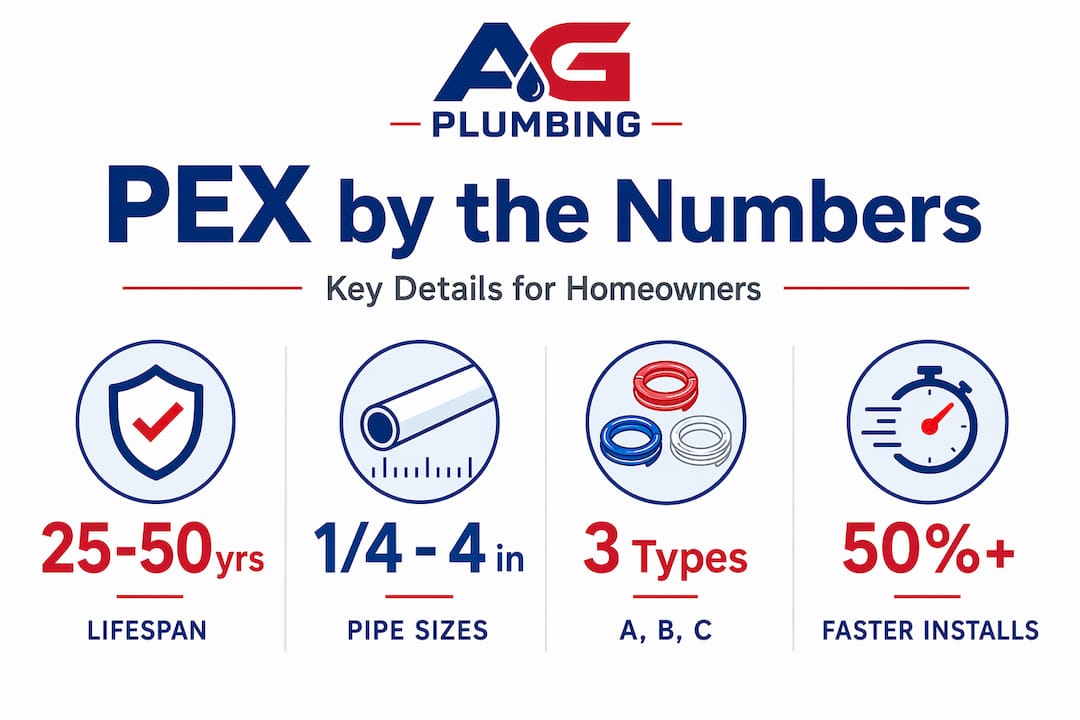
PEX stands for cross-linked polyethylene. The base material is polyethylene, which is a common plastic. What makes PEX different is the cross-linking step. During manufacturing, chemical bridges form between the polymer chains, creating a molecular structure that resists deformation, handles high temperatures, and holds up under freeze-thaw cycles better than standard plastic or copper pipe.
There are three types of PEX you will encounter at the hardware store.
- PEX-A is made using the Engel method, which cross-links the material before it cools. It is the most flexible of the three and works with expansion-style fittings.
- PEX-B uses silane cross-linking after the pipe is formed. It is slightly stiffer than PEX-A but still very flexible and is the most widely available type.
- PEX-C is made using electron-beam irradiation. It tends to be the least flexible and is less common in residential plumbing.
For most homeowners and DIY projects, PEX-B hits the sweet spot between price and performance. PEX-A is worth considering if you want to use the expansion connection method, which some plumbers prefer for its reliability.
PEX tubing comes in sizes from 1/4 inch to 4 inch CTS (copper tube size), and the color coding is genuinely useful: red for hot water lines, blue for cold, and white for either. Those color labels, along with temperature ratings, are printed directly on the pipe. When you’re working in a crawlspace or behind a wall, that color coding saves you from second-guessing yourself.
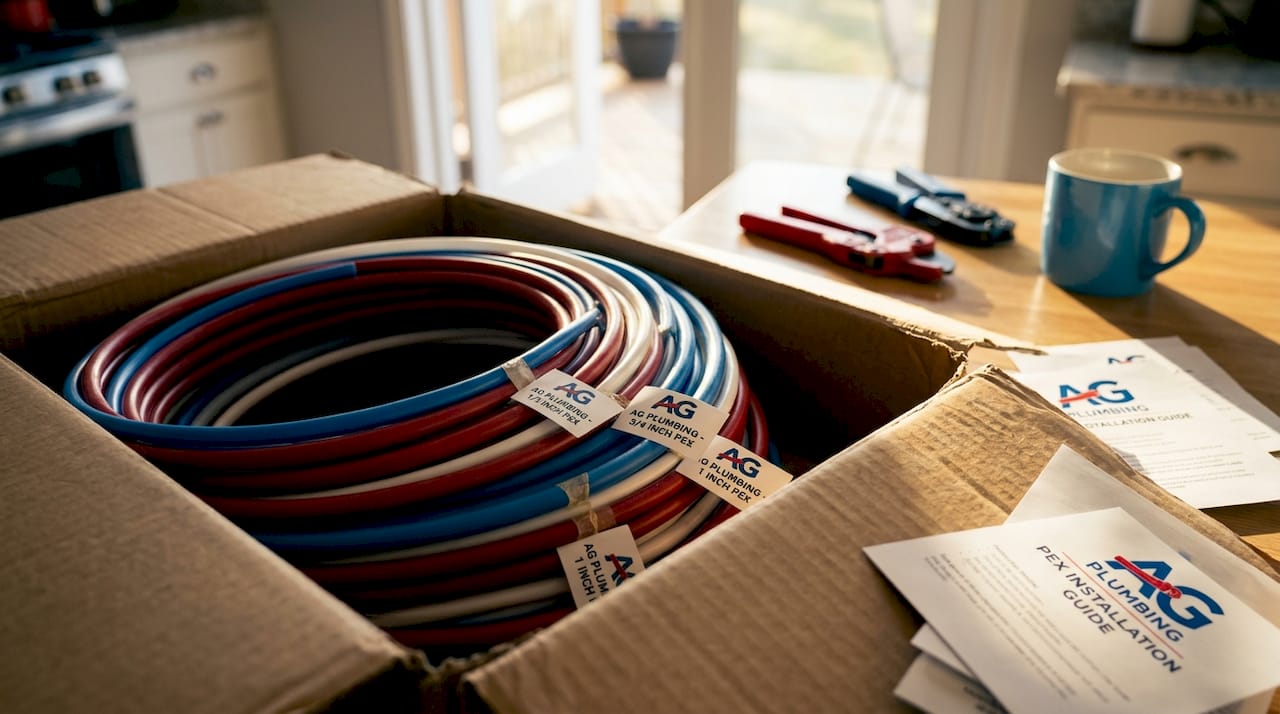
Pro Tip: PEX is primarily used in domestic water and hydronic radiant heating systems. If you are replacing old copper or CPVC in a Pittsburgh home, PEX-B in the same nominal size is a direct and practical substitute.
Benefits of PEX piping for homeowners
The reasons why PEX has taken over the residential plumbing market come down to a few practical advantages that matter most when you are working in tight spaces, cold climates, or on a budget.
- Freeze resistance. PEX can expand when water inside it freezes, which gives it a far better chance of surviving a cold snap than copper or CPVC. This is a real advantage for Pittsburgh homes where temperatures regularly drop below freezing in winter.
- Flexibility. PEX handles directional changes without needing an elbow fitting at every turn. You can snake it through walls and around obstacles the way you would pull an electrical wire, which speeds up the job considerably.
- Lower cost. Fewer fittings and faster installation mean lower material and labor costs compared to rigid pipe systems like copper. On a whole-house repiping job, that difference can be substantial.
- No torch required. Copper requires soldering with an open flame, which is a legitimate fire hazard inside walls. PEX connects mechanically, so there’s no torch, no flux, and no burned framing to worry about.
- Corrosion and chemical resistance. PEX does not corrode, and it resists the scale buildup and pitting that can shorten the life of copper pipe in areas with hard or acidic water.
- Compatibility. PEX works with existing plumbing through transition fittings. You do not have to rip out a whole system to start using it.
When you look at choosing plumbing pipes for a Pittsburgh home, PEX checks more boxes than most materials in this category.
Pro Tip: If you are comparing pex vs copper piping on pure material cost, PEX typically runs significantly cheaper per linear foot. Factor in the time saved on fittings and you are looking at a noticeably cheaper project overall.
Common installation methods for PEX
Understanding the three main joining methods is the most important thing you can learn before touching a piece of PEX. Using incompatible tools or mixing systems from different manufacturers is the number-one cause of PEX leaks. Pick one method and stick with it throughout a project.
- Crimp method. A stainless steel or copper crimp ring is placed over the tubing. A barbed fitting is inserted into the pipe end, and a crimp tool compresses the ring to form a tight seal. This is the most common DIY method because the tools are affordable and widely available. After crimping, you should always verify the connection with a go/no-go gauge.
- Clamp (cinch) method. A stainless steel clamp is tightened with a cinch tool around the fitting. The tool is lighter and easier to use in tight spaces than a crimp tool, and it works with the same barbed fittings. Many DIYers find this method easier to learn.
- Cold-expansion method. A special expansion tool flares the pipe end outward. The fitting is inserted, and the pipe’s memory causes it to contract back around the fitting as it returns to temperature. This method produces the strongest, most leak-resistant joints, but the expansion tool is significantly more expensive.
Here is a basic PEX installation workflow you can follow:
- Plan your layout and cut your pipe to length with a pipe cutter or PEX scissors for clean, square ends.
- Slide the crimp ring or clamp onto the pipe before inserting the fitting.
- Push the barbed fitting fully into the pipe end.
- Crimp or cinch the ring or clamp into place.
- Test each connection with a go/no-go gauge (for the crimp method) to confirm proper compression.
- Pressure-test the system before closing walls.
Pro Tip: Crimp tool calibration is a detail many first-time installers skip. A misaligned or worn crimp tool can look like it made a good connection while still producing a slow leak. Check the tool’s calibration before starting and use a go/no-go gauge on every connection.
Always check local plumbing codes before starting. Some municipalities require permits for PEX installations, and certain connection methods may be preferred or required in your area. When in doubt, a quick call to a licensed plumber can save you a costly re-do. You can also review a pipe replacement guide for Pittsburgh-specific considerations.
PEX applications and system layouts
PEX piping is used in two major categories of home systems: potable water distribution and hydronic heating or cooling. Understanding where and how it is used helps you plan a more efficient system.
PEX resists chemical damage and freeze-break, which makes it approved and widely used for both hot and cold potable water lines in residential buildings. For radiant heating, PEX tubing is embedded in concrete slabs or installed in subfloor panels, carrying hot water that radiates heat upward through the floor. It handles the repeated heating and cooling cycles that would degrade lesser materials over time.
The layout you choose for your PEX plumbing system affects both installation cost and daily water efficiency more than most homeowners realize.
| Layout type | How it works | Best for |
|---|---|---|
| Trunk and branch | A main line runs through the home with branches feeding each fixture | Larger homes with many fixtures |
| Home run (zoned) | Each fixture gets its own dedicated line from a central manifold | Faster hot water delivery, less waste |
| Recirculation loop | Hot water circulates continuously back to the water heater | Homes where wait time for hot water is a problem |
The layout design affects hot water delivery and first-draw temperature, which directly impacts water waste and comfort. A home run layout with a central manifold costs more in materials because each fixture gets its own line, but you get hot water at the tap almost immediately, which adds up to real water savings over time.
Because PEX is flexible, you can often run a single continuous length from the manifold to a fixture with no fittings in the wall at all. Fewer joints inside walls means fewer potential failure points, and a system that is far easier to troubleshoot if a problem ever occurs. This connects directly to how plumbing affects energy efficiency in the home overall.
PEX tubing is available in standard sizes from 1/4 inch to 4 inch, but most residential water supply lines use 1/2 inch or 3/4 inch. Understanding why pipe sizing matters before you buy is worth a few minutes of research, because undersizing a main line is a common and frustrating mistake.
My honest take after 30 years of plumbing projects
I have watched PEX go from a niche product that contractors debated at trade shows to the standard choice in nearly every new residential build we work on at Ag-plumbing. And my honest take is this: PEX earns its reputation, but it rewards people who plan ahead.
The mistake I see most often with DIY PEX installations is not the connection method itself. It is the layout. Homeowners buy pipe, start running it, and end up with a trunk-and-branch system full of joints in inaccessible spots because they improvised instead of mapping the runs first. A 20-minute sketch on paper before you buy anything saves hours of rework.
The other thing I want to flag is the assumption that PEX is indestructible. It is very good. But it should not be run where it will be exposed to direct sunlight for long periods, because UV degrades it. It also should not be used for outdoor above-ground applications without protection. Inside walls, under slabs, in basements and crawlspaces — that is where it thrives.
For homeowners who want a material that is forgiving, affordable, and genuinely DIY-accessible, PEX is hard to beat. For complex whole-house repiping or radiant heating system design, bring in a licensed plumber. The material is easy; the system design is where experience matters.
— Maayan
Ready to upgrade your home’s plumbing?
Whether you’re planning a DIY PEX project or need a professional to handle a full repiping job, Ag-plumbing has been helping Pittsburgh homeowners make smart plumbing decisions for over 30 years.
PEX piping installation is straightforward for simple repairs and fixture runs, but whole-house projects, radiant heating systems, and permit-required work benefit from a licensed hand. The team at AG Heating, Cooling & Plumbing understands local codes, climate-specific installation needs, and how to design a PEX system that performs for decades. If you want the job done right the first time or need professional plumbing repair for an existing system, reach out to Ag-plumbing for a consultation. Your water pressure will thank you.
FAQ
What does PEX stand for in plumbing?
PEX stands for cross-linked polyethylene. The cross-linking process creates chemical bonds between polymer chains, improving the pipe’s strength, flexibility, and resistance to heat and freezing.
How long does PEX piping last?
PEX piping is generally rated to last 25 to 50 years under normal residential conditions. Its resistance to corrosion and scale means it often outlasts copper in homes with hard or chemically aggressive water.
Is PEX piping safe for drinking water?
Yes, PEX is approved for potable water use in all 50 states. It meets NSF/ANSI standards for drinking water contact and does not corrode or leach metals the way older galvanized or copper pipes can.
What are the main PEX connection methods for DIY installs?
The three main methods are crimp, clamp (cinch), and cold expansion. Mixing components from different systems causes leaks, so choose one method and use only compatible fittings and tools throughout your project.
Can PEX piping be used for radiant floor heating?
Yes. PEX is one of the most common materials used in hydronic radiant heating systems because it handles repeated heating cycles, resists chemical degradation, and is flexible enough to loop through floor panels or concrete slabs without joints.
Recommended
- What Is PVC Piping? A Homeowner’s Guide to Plumbing – AG-Plumbing
- Step-by-step pipe replacement guide for Pittsburgh homeowners – AG-Plumbing
- Pipe bursting: Modern trenchless repair for Pittsburgh homes – AG-Plumbing
- Choosing the best plumbing pipes for your Pittsburgh home – AG-Plumbing
