
TL;DR:
- Homeowners should insulate pipes, set indoor temperatures at 55°F or higher, and know their shutoff valves before freeze risks. Proper preparation includes sealing leaks, draining outdoor plumbing, and maintaining consistent water flow to prevent freezing. Regular maintenance and emergency planning help avoid costly winter plumbing failures.
Winter plumbing preparation is defined as the set of actions homeowners take before freezing temperatures arrive to protect pipes, fixtures, and drainage systems from cold weather damage. For Pittsburgh homeowners, this means insulating exposed pipes, maintaining indoor heat at 55°F or above, and securing outdoor faucets before the first hard freeze. The Red Cross and the Insurance Institute for Business and Home Safety (IBHS) both set 55°F as the minimum safe indoor temperature for unoccupied homes. Knowing your main water shutoff valve location is equally non-negotiable. These four steps form the foundation of every effective Pittsburgh plumbing winterization plan.
1. How to insulate and protect your pipes from freezing
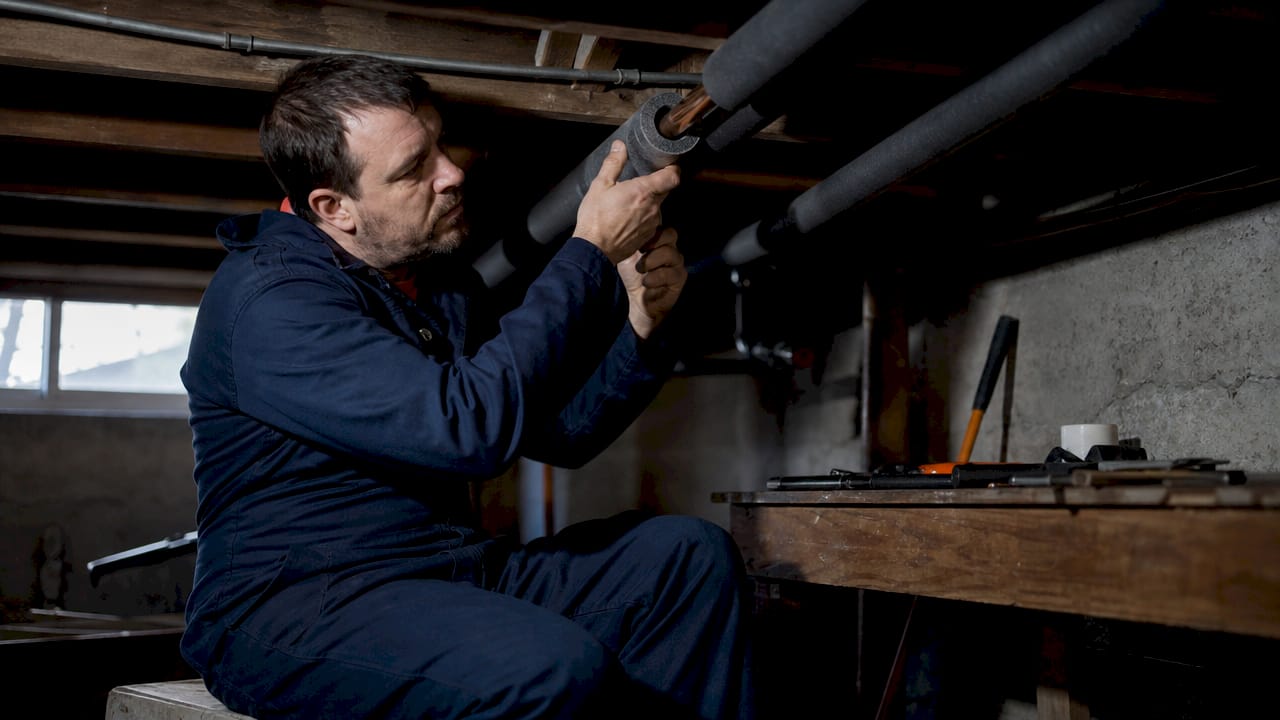
Pipe insulation is the single most cost-effective step in cold weather plumbing protection. Foam pipe insulation sleeves start at $0.50 per linear foot and are available at any home center. That price point means most homeowners can insulate every vulnerable pipe in their home for well under $100.
The pipes that need attention first are those in unheated spaces: garages, crawl spaces, attics, and basement utility rooms. These areas lose heat fast and give cold air direct access to your plumbing. Pipes near exterior walls and cold corners freeze faster than any others in the house.
For extreme cold spots, foam sleeves alone may not be enough. UL-listed heat tape or self-regulating heat cables wrap directly around the pipe and cycle on when temperatures drop. Always choose products with a UL listing to confirm they meet safety standards for residential use.
Sealing air leaks around pipes matters just as much as wrapping them. A gap in the siding or foundation lets cold air rush in and drop the temperature around an otherwise insulated pipe. Use caulk or spray foam to close any penetrations where pipes pass through exterior walls.
- Wrap pipes in garages, crawl spaces, and attics with foam insulation sleeves
- Apply UL-listed heat tape to pipes at extreme cold spots
- Seal all gaps and air leaks around pipe penetrations with caulk or spray foam
- Check insulation on pipes running along exterior walls specifically
Pro Tip: Assess your home by zone rather than pipe by pipe. Walk each room in cold weather and note where you feel drafts or temperature drops. Those zones are where your pipes are most at risk.
2. What steps prepare outdoor plumbing before winter hits
Outdoor plumbing is the most exposed part of your system and the first to fail when temperatures drop below freezing. A clear, step-by-step approach to outdoor cold climate plumbing protects hose bibs, irrigation lines, and exterior valves before damage occurs.
- Disconnect all garden hoses. Water left inside a connected hose backs up into the faucet and freezes. Disconnect, drain, and store hoses indoors before the first freeze.
- Shut off outdoor water supply valves. Most homes have a dedicated shutoff valve for exterior faucets, usually located in the basement or crawl space. Close it and open the outdoor faucet to drain any remaining water.
- Drain exterior faucets completely. After shutting off the supply valve, leave the outdoor faucet handle open until all water drains out. A single tablespoon of standing water is enough to crack a faucet body.
- Install insulated faucet covers. Foam faucet covers cost a few dollars each and add a meaningful layer of protection against overnight temperature swings.
- Clear debris from drainage areas. Leaves, dirt, and ice can block surface drains and window wells, causing water to back up against your foundation. Clear these before the ground freezes.
- Winterize sprinkler systems. Irrigation lines need to be blown out with compressed air or drained completely. Water left in underground lines expands when it freezes and cracks the pipe or valve body.
3. How indoor temperature and water flow prevent frozen pipes
Keeping your home at a steady temperature is the most reliable way to prevent frozen pipes. Safety experts set 55°F as the minimum, even when the house is empty for several days. Dropping the thermostat below that threshold to save on heating costs is a false economy when a single burst pipe can cost thousands in repairs.
Open cabinet doors under kitchen and bathroom sinks during cold snaps. This lets warm room air circulate around the supply lines, which often run along exterior walls. It is a simple step that costs nothing and makes a real difference on the coldest nights.
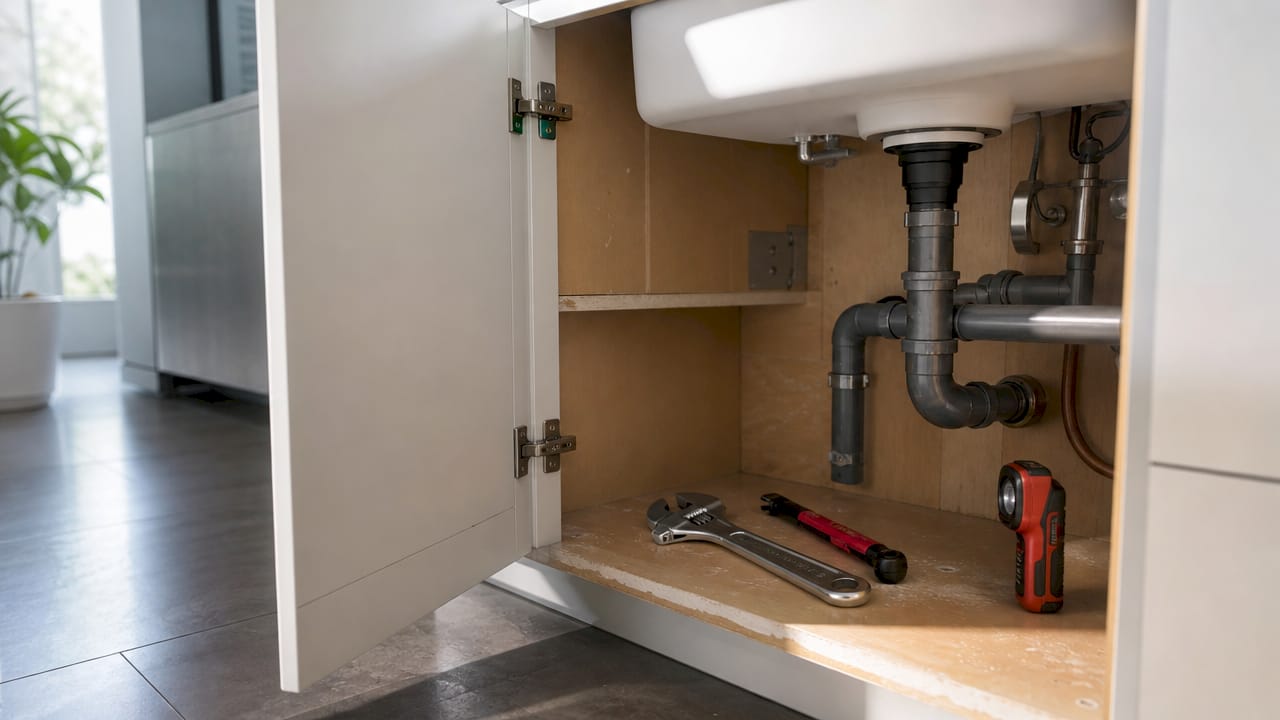
Allowing a slow drip from faucets during extreme cold keeps water moving through the pipes. A pencil-lead-sized trickle from the faucet farthest from the water meter is the right amount. Moving water is much harder to freeze than standing water, and the pressure relief prevents the buildup that causes pipes to burst.
One caution: dripping water needs somewhere to go. Long drips can cause ice buildup in P-traps and drain lines if those lines are already partially blocked. Clear any slow drains before you start a drip routine.
- Set the thermostat to 55°F or higher, even when traveling
- Open cabinet doors under sinks during cold snaps
- Allow a pencil-lead-sized drip from the farthest faucet during extreme cold
- Confirm drains are clear before running a continuous drip
Pro Tip: Walk your home on the coldest night of the year and feel each room’s temperature. The rooms that feel noticeably colder than the rest of the house are where your pipes need the most attention.
4. What routine maintenance prevents winter plumbing emergencies
Preventive maintenance before the cold season arrives is far cheaper than emergency repairs after a pipe bursts. The following tasks address the most common sources of winter plumbing failure.
Check for leaks now. A slow drip at a joint or fitting gets worse when temperatures drop and pipe materials contract. Fix minor leaks in october or november before they become burst pipes in january.
Schedule professional drain cleaning. Grease solidifies faster in cold pipes and causes blockages that would not occur in warmer months. Holiday cooking adds extra grease and food debris to the drain system. Professional drain cleaning before the season removes buildup before it becomes a problem.
Flush your water heater annually. Sump pumps and water heaters need winter-specific maintenance to perform reliably. Sediment accumulates at the bottom of the tank and reduces heating efficiency, which is most noticeable when the unit works hardest in cold weather. Annual flushing extends the heater’s life and keeps energy costs down.
Test your sump pump before snowmelt season. Pour a bucket of water into the sump pit and confirm the pump activates and drains properly. A failed sump pump during a Pittsburgh thaw can flood a basement in hours.
| Maintenance task | Best timing | Why it matters |
|---|---|---|
| Inspect and repair leaks | october to november | Prevents burst pipes in deep freeze |
| Professional drain cleaning | Before holiday season | Removes grease before cold solidifies it |
| Water heater flush | Annually, fall preferred | Maintains efficiency during peak demand |
| Sump pump test | Before first snowmelt | Prevents basement flooding during thaw |
| Pipe insulation check | Early fall | Identifies gaps before temperatures drop |
5. What emergency preparedness measures protect your home
Every Pittsburgh homeowner needs a clear plan for the moment something goes wrong. Knowing your main water shutoff valve location is the most critical skill for limiting damage from a burst pipe. Locate it now, label it clearly, and make sure every adult in the household knows where it is and how to operate it.
If a pipe freezes but has not yet burst, you can often thaw it safely at home. Apply a heating pad, hair dryer on low heat, or warm towels to the frozen section. Work from the faucet end toward the frozen area so melting water can escape. Never use an open flame or propane torch on a pipe.
Call a licensed plumber immediately if you cannot locate the frozen section, if the pipe shows signs of cracking or bulging, or if thawing attempts do not restore water flow within 30 minutes.
Smart leak detectors placed near water heaters, washing machines, and under sinks provide early warning before a small drip becomes a flood. Some models connect to automatic shutoff valves that cut water supply the moment a leak is detected. For homes that experience repeated freeze events, this technology pays for itself quickly.
During extended absences in winter, do not shut off the heat entirely. Keep the thermostat at 55°F minimum, shut off the main water supply if you will be gone more than a few days, and ask a neighbor to check the house after any severe cold snap.
- Locate and label the main water shutoff valve today
- Thaw frozen pipes with a heating pad or hair dryer, never an open flame
- Install smart leak detectors near high-risk appliances
- Keep heat at 55°F minimum during all absences
- Have a licensed plumber’s number saved before an emergency occurs
Key takeaways
Effective winter pipe maintenance requires insulating exposed pipes, holding indoor temperatures at 55°F or above, and knowing your shutoff valve location before a freeze event occurs.
| Point | Details |
|---|---|
| Minimum indoor temperature | Hold at 55°F or above, even in unoccupied homes, per Red Cross and IBHS guidance. |
| Pipe insulation cost | Foam sleeves start at $0.50 per linear foot and cover most vulnerable pipes affordably. |
| Faucet drip technique | A pencil-lead-sized trickle from the farthest faucet keeps water moving and prevents pressure buildup. |
| Drain maintenance | Clear slow drains and avoid grease disposal before winter to prevent cold-weather blockages. |
| Emergency readiness | Know your main shutoff valve location and keep a licensed plumber’s contact saved year-round. |
What 30 years of Pittsburgh winters taught me about plumbing prep
Most homeowners focus entirely on pipes and forget the drain side of the system. I have seen basements flood not from burst supply lines but from blocked P-traps and backed-up floor drains that nobody cleared before the freeze. The drain system is half your plumbing, and it needs the same attention.
The other mistake I see repeatedly is treating winter prep as a one-time checklist rather than a seasonal habit. A pipe that was fine last year may have developed a small crack or a loose fitting over the summer. Spending 20 minutes in october checking your exposed pipes and testing your sump pump is the kind of small investment that prevents a $5,000 emergency call in january.
Pittsburgh winters are unpredictable. We get stretches of mild weather followed by sudden hard freezes that catch homeowners off guard. The homeowners who come through those events without damage are the ones who prepared in early fall, not the ones who waited for the first frost warning. Start with the pipes on your exterior walls and work inward. That is where the risk is highest, and that is where your time is best spent.
— Maayan
Ag-plumbing’s winter plumbing services for Pittsburgh homeowners
Pittsburgh winters demand more than a checklist. Ag-plumbing has served the Pittsburgh area for 30 years, and our team handles everything from pre-season inspections to emergency plumbing repair when a pipe bursts at 2 a.m.
Our winter services include pipe insulation assessments, hydro jetting drain cleaning, water heater flushing, and sump pump testing. We also respond to freeze emergencies with same-day service across the Pittsburgh metro area. If you want a professional set of eyes on your system before the cold hits, our team at Ag-plumbing is ready to schedule a pre-winter inspection that covers every item on this checklist.
FAQ
What is the minimum indoor temperature to prevent frozen pipes?
The Red Cross and IBHS both recommend keeping indoor temperatures at 55°F or above, even in unoccupied homes. Dropping below this threshold significantly increases the risk of pipe freezing.
How do I safely thaw a frozen pipe?
Apply a heating pad, hair dryer on low heat, or warm towels to the frozen section, working from the faucet toward the freeze point. Never use an open flame, and call a licensed plumber if the pipe shows any sign of damage.
Should I let my faucets drip during a freeze?
Yes. A pencil-lead-sized trickle from the faucet farthest from the water meter keeps water moving and relieves pressure. Make sure your drains are clear first to prevent ice buildup in the P-trap.
What outdoor plumbing tasks should I complete before winter?
Disconnect and drain garden hoses, shut off outdoor supply valves, drain exterior faucets completely, install foam faucet covers, and blow out or drain any irrigation lines before the first freeze.
When should I call a plumber for winter plumbing issues?
Call a licensed plumber if you cannot locate a frozen section, if thawing attempts fail within 30 minutes, or if you see any sign of pipe cracking or bulging. Early professional intervention prevents a frozen pipe from becoming a burst pipe.
Recommended
- Winterize your Pittsburgh plumbing: a step-by-step workflow – AG-Plumbing
- Smart Plumbing Tips Every Pittsburgh Homeowner Needs – AG-Plumbing
- Install plumbing fixtures: Pittsburgh homeowner guide – AG-Plumbing
- Preventative Plumbing Tips to Protect Your Pittsburgh Home – AG-Plumbing
